 プレビュー
プレビュー
 プリントを購入
 シェアする
シェアする シェアする
シェアする
 詳細を見る
詳細を見る

 ダウンロード
 似ている作品
 X線調査
X線調査 スライドショー
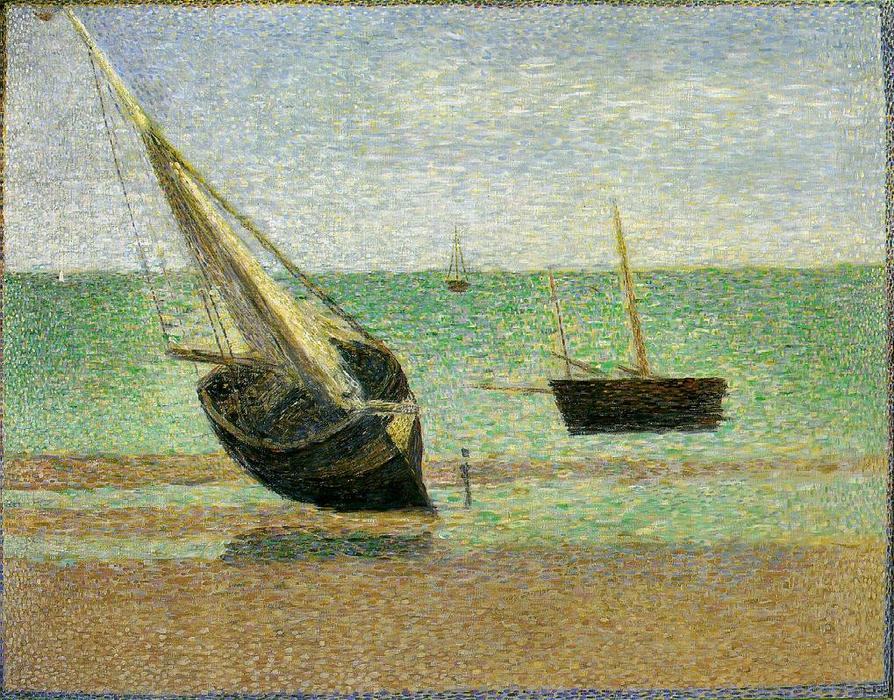
Low Tide at Grandcamp
 Oil On Canvas
- WallArt
- Post-Impressionism
 1885
1885- 19th Century
 65.0 x 81.0 cm
 詳細を見る
詳細を見る




P118B $10

P118H $10

P118W $10

P438Z $10

P508JH $12

P508YH $12

P805H $10

P805Z $10

P919BZ $10

P919G $10

P919XJ $10

P959ZH $10

P968JZ $12

W106C $8

W218G $10

W218JH $8

W218Y $10

W307PJ $10

W316G $10

W316PJ $8

W316Y $10

W398PJ $8

W4111J $10

W500HY $15

W500JH $15

W692G $12

W849H $8

W940BG $15

W953PJ $8




作品のオリジナル比率に合わせた、当店の規定サイズからお選びください。

特定のフレームやスペースに合わせて、ご希望のサイズをご入力いただけます。選択されたサイズが元の画像の比率と異なる場合、アートワークをトリミングするか、手描きで要素を追加して絵画を拡張いたします。デジタルモックアップ を制作し、制作開始前にご確認(承認)をいただきます。
画面上のプレビューは、実際のトリミングや拡張を正確に反映しているものではありません。最終的な構図は、モックアップによってのみ正確にご確認いただけます。
カスタムサイズもご利用いただけますが、元の比率を維持するためには、あらかじめ用意されたリストからサイズを選択することをお勧めいたします。
ご注文後、ArtsDot.com チームより詳細な指示をお送りするとともに、仕上がりイメージ(モックアップ)をご提供いたします。


 ガラスオプションは、110cm未満のサイズでのみご利用いただけます。

Low Tide at Grandcamp
複製技法
複製画のサイズ
-


合計金額
$ 263
作品解説
A Symphony of Light and Color: The Dawn of Pointillism
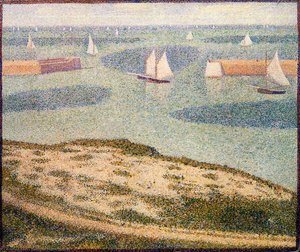
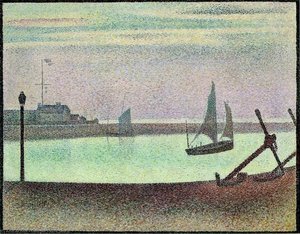
In the quiet expanse of Georges Seurat’s “Low Tide at Grandcamp,” we find ourselves standing on the precipice of a revolution. Completed in 1885, this masterpiece serves as a luminous bridge between the fleeting, spontaneous impressions of the late 19th century and the structured, scientific rigor of Post-Impressionism. The canvas captures a tranquil moment along the French coast, where the receding tide reveals a vast, textured landscape of grey sands and shimmering waters. Two sailboats glide across the choppy Atlantic, their silhouettes positioned in a delicate dance that suggests movement toward one another, anchoring the composition within a scene of profound maritime serenity. As the eye wanders across the shore, small figures are scattered throughout the landscape—spectators caught in a moment of leisure, their presence adding a human pulse to the vast, atmospheric expanse of the sea.
What truly elevates this work from a mere seascape to an enduring icon of art history is Seurat’s groundbreaking application of Pointillism. Moving away from the traditional method of blending pigments on a palette, Seurat embraced a more cerebral approach, meticulously applying tiny, distinct dots of pure color directly onto the canvas. This technique, developed alongside Paul Signac, relies on the phenomenon of optical mixing; rather than seeing a single blended hue, the viewer’s eye perceives the vibration of colors—such as cadmium yellow and ultramarine blue—as they merge in the retina. This scientific precision, inspired by Helmholtz's Trichromatic Theory, creates a surface that seems to shimmer with reflected light, capturing the ephemeral, flickering quality of the ocean’s atmosphere with unparalleled brilliance.
Historical Resonance and Aesthetic Elegance
To behold “Low Tide at Grandcamp” is to witness the twilight of Impressionism and the birth of a new aesthetic order. During this period, the art world was grappling with the limits of capturing emotion through light alone. Seurat sought to infuse the movement with a sense of permanence and structural depth. Through his disciplined use of dots, he achieved a mosaic-like texture that provides a weight and stability often missing from the more fluid works of Monet or Renoir. This tension between the fleeting moment of the tide and the permanent, calculated application of paint creates a captivating emotional duality: a sense of peaceful relaxation intertwined with an intellectual intensity.
For the discerning collector or interior designer, this reproduction offers more than just a visual centerpiece; it provides a window into one of art history's most transformative eras. The painting’s sophisticated palette of muted greys, deep blues, and subtle highlights allows it to integrate seamlessly into diverse decor styles, from classical European estates to contemporary minimalist galleries. Its ability to command attention through texture and light makes it an ideal choice for those seeking to infuse a space with intellectual depth, historical prestige, and a timeless sense of tranquility. Owning a piece of this magnitude is an invitation to experience the meticulous beauty of Seurat’s vision, where science and soul converge on the canvas.
アーティストの略歴
ジョルジュ・セーラ:光と科学の詩人
1859年、パリで生まれたジョルジュ・ピエール・セーラは、印象派から近代美術へと移行する過程において、極めて重要な役割を果たした画家です。彼の短いながらも情熱的なキャリアは、点描という技法を確立し、絵画の世界に革命をもたらしました。セーラの物語は、綿密な観察眼、知的な探求心、そして光と色彩に対する深い感受性によって彩られています。これらの資質が彼を同時代の画家たちから際立たせ、今日に至るまで観る人々を魅了し続けています。幼少期は一見すると平凡でしたが、その後の芸術的探求の基盤となりました。セーラ家は誕生直後、ブールヴァール・ド・マジェンタに移り住み、父親であるアントワーヌ・クリュストーム・セーラが不動産投機で財を築いたおかげで、若きジョルジュは美術教育を受ける機会を得ました。彼はまず彫刻家ジャスティン・レキュアンのもとで彫刻を学び、その後、名門 École des Beaux-Arts に入学し、アンリ・レマンの下で学業を積みました。これらの初期の経験は、彼に伝統的な技法における確固たる基盤を与えましたが、同時に独自の芸術的個性を育み、繊細な感受性と体系的な分析への情熱という融合を生み出しました。アカデミズムからクロモルミネイシズムへ:科学と色彩の探求
セーラの芸術的発展は、突飛な革新によるものではなく、知的好奇心と厳密な実験によって培われた漸進的な進化でした。当初、彼の作品は当時のアカデミックな基準を反映し、描写力と確立された構図原則に対する敬意を示していました。しかし、彼はすぐにこれらの慣習に疑問を抱き始め、より科学的なアプローチで絵画に取り組むようになりました。ミシェル・エギュヌ・シュルヴォーやオーデン・ロードといった科学者の色彩理論に関する著作に没頭し、色彩の光学効果を探求しました。この研究が彼の革命的な技法であるクロモルミネイシズム—色彩の科学—と、その実用的な応用である点描の礎となりました。その核心となるアイデアは、純粋な色の小さな、明確な点をキャンバスに適用することで、鑑賞者の目が見ることによってそれらを光学的に混合し、鮮やかで輝く効果を生み出すという、一見すると単純なものでした。これは単に明るい色を達成することではなく、人間の視覚システムが光と色彩をどのように認識するかを理解し、その知識を活用して、よりダイナミックで魅力的な絵画体験を作り出すことでした。彼はコントー・クロヨンを用いて粗い表面の紙に詳細な下絵を描き、各点の配置を注意深く計画することで、芸術的プロセスにおいてほぼ数学的な精度を示しました。革新のランドマーク:主要作品と芸術的ビジョン
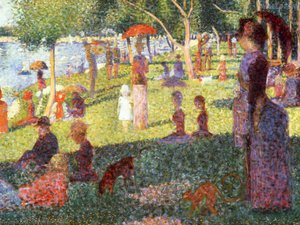
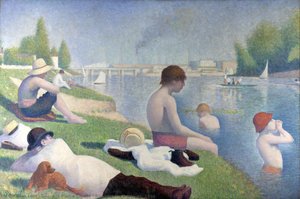
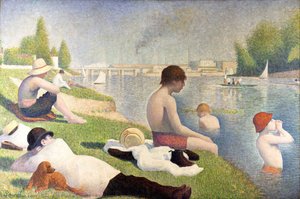
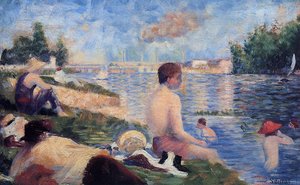
セーラの研究と実験の集大成は、おそらく『グランド・ジャット島での日曜日』(1884-1886)に最もよく表されています。この記念碑的な作品は、点描主義という新しい芸術運動の幕開けを告げました。セーヌ川沿いののんびりとした午後を楽しむパリの人々を描いたこの象徴的な絵画は、彼の点描技法を最大限に活用しています。注意深く配置された色彩の点で表現された人物たちは、光で輝き、静かな雰囲気を作り出しています。『サン=オゥアンの浴女』(1884)は、彼の色彩理論を田園風景に応用した作品であり、初期の作品である『サン=オゥアンの風景』(1882-1883)は、彼の進化するスタイルと光の効果を捉えることへの関心を明らかにしています。さらには、『エッフェル塔』(1889)のような現代パリの生活を描いた作品さえも、彼の独特な技法を通して変容し、工業的な近代性と芸術的革新性の調和のとれた融合を示しています。『アシニエールの浴女』は、またしても重要な作品であり、彼の特徴的なスタイルで余暇と現代生活というテーマを探求し、『グランド・ジャット島での日曜日』に見られるより洗練されたアプローチを予感させます。これらの絵画は単なる風景の描写ではなく、色彩と知覚の可能性を探求するために慎重に構築された視覚的実験でした。永続的な遺産:影響と歴史的意義
わずか31歳という短い生涯にもかかわらず(1891年に亡くなった)、セーラの美術界への影響は深く、広範囲に及んでいます。彼の作品は伝統的な芸術的慣習に挑戦し、数多くの後続の運動への道を開きました。主観的な表現と新しい技法の探求への重点は、学術的な制約から解放されることを目指したアーティストたちに共鳴しました。セーラの影響は、大胆な色彩と表現力豊かな筆致を採用したフォーヴィスム、形態を幾何学的形状に分解したキュビスム、感情的な強さと自発的なジェスチャーを優先した抽象表現主義といった多様なアーティストたちの作品に見られます。当初は物議を醸していた彼の科学的なアプローチは、最終的には芸術的可能性の定義を広げました。彼は芸術が知的にも厳格でありながら感情的にも喚起力を持つことができることを示し、今日までアーティストたちにインスピレーションを与え続けています。セーラの遺産は、彼の技術革新を超えて広がっており、観察力、実験精神、そして芸術的表現を通して周囲の世界を理解するという人間の永続的な願望の証として、現代生活の本質を比類のない精度と美しさで捉えた作品群を残しました。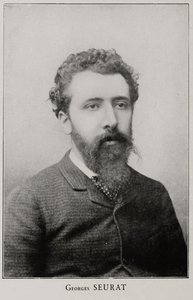
ジョルジュ・ピエール・スーラ
1859 - 1891 , フランス
基本情報
- フルネーム: ジョルジュ・ピエール・スーラ
- 主な作品:
- グラン・ジャット島の日曜日
- バスニエールでの水浴び
- アルファルファ、サン=ドニ
- 出生地: パリ、フランス
- 国籍: フランス人
- 影響を与えたアーティストまたは運動:
- フォーヴィスム
- キュビスム
- 抽象表現主義
- 影響を受けたアーティスト:
- ミシェル・シュヴォレル
- オーデン・ロード
- 没年月日: 1891年3月29日
- 生年月日: 1859年12月2日
- 芸術運動またはスタイル: 新印象派、点描主義
関連記事

ジョルジュ・スーラ傑作25選:光と色彩の科学が織りなす芸術の世界|ArtsDot
ジョルジュ・スーラの傑作25選。点描画の光と色彩、印象派から新印象派へ—ArtsDotで美術史を紐解き、リビングやダイニングを彩る高品質なアートプリントを見つけましょう。セーラ作品集をオンラインで鑑賞ください。

Giclée Prints: Archival Quality & Aesthetic Nuances for the Discerning Collector
Explore the world of giclée prints with ArtsDot. Learn about archival quality, aesthetic nuances & investment potential. Expert guidance for discerning art collectors seeking museum-quality reproductions and lasting value.

The Enduring Legacy of Fine Art Prints: Technique, History & Aesthetic Impact
Explore the rich history & techniques of fine art prints. Discover investment potential, assess authenticity, and learn how to preserve your collection with expert guidance. Trusted insights for discerning collectors.

Echoes of Time: Exploring the Enduring Appeal & Historical Context of Vintage Art Prints
Explore the captivating world of vintage art prints! Discover their history, collecting tips & enduring appeal. Expert insights on chromolithography and building a legacy collection with ArtsDot.
Georges Seurat: Pointillism, Perception & the Scientific Foundations of Modern Art
Explore the revolutionary art of Georges Seurat and the science behind Pointillism. Discover chromoluminarism, optical mixing, and the lasting impact of Neo-Impressionism on modern art history.