 プレビュー
プレビュー
 プリントを購入
 シェアする
シェアする シェアする
シェアする
 詳細を見る
詳細を見る

 ダウンロード
 似ている作品
 X線調査
X線調査 スライドショー
6. Torture of the Jew
 アクリル絵具
- ウォールアート
- Early Renaissance
 1452
1452- ルネサンス
 356.0 x 193.0 cm
 サン・フランチェスコ聖堂
 詳細を見る
詳細を見る




P118B $10

P118H $10

P118W $10

P438Z $10

P508JH $12

P508YH $12

P805H $10

P805Z $10

P919BZ $10

P919G $10

P919XJ $10

P959ZH $10

P968JZ $12

W106C $8

W218G $10

W218JH $8

W218Y $10

W307PJ $10

W316G $10

W316PJ $8

W316Y $10

W398PJ $8

W4111J $10

W500HY $15

W500JH $15

W692G $12

W849H $8

W940BG $15

W953PJ $8




作品のオリジナル比率に合わせた、当店の規定サイズからお選びください。

特定のフレームやスペースに合わせて、ご希望のサイズをご入力いただけます。選択されたサイズが元の画像の比率と異なる場合、アートワークをトリミングするか、手描きで要素を追加して絵画を拡張いたします。デジタルモックアップ を制作し、制作開始前にご確認(承認)をいただきます。
画面上のプレビューは、実際のトリミングや拡張を正確に反映しているものではありません。最終的な構図は、モックアップによってのみ正確にご確認いただけます。
カスタムサイズもご利用いただけますが、元の比率を維持するためには、あらかじめ用意されたリストからサイズを選択することをお勧めいたします。
ご注文後、ArtsDot.com チームより詳細な指示をお送りするとともに、仕上がりイメージ(モックアップ)をご提供いたします。


 ガラスオプションは、110cm未満のサイズでのみご利用いただけます。

6. Torture of the Jew
複製技法
複製画のサイズ
-


合計金額
$ 263
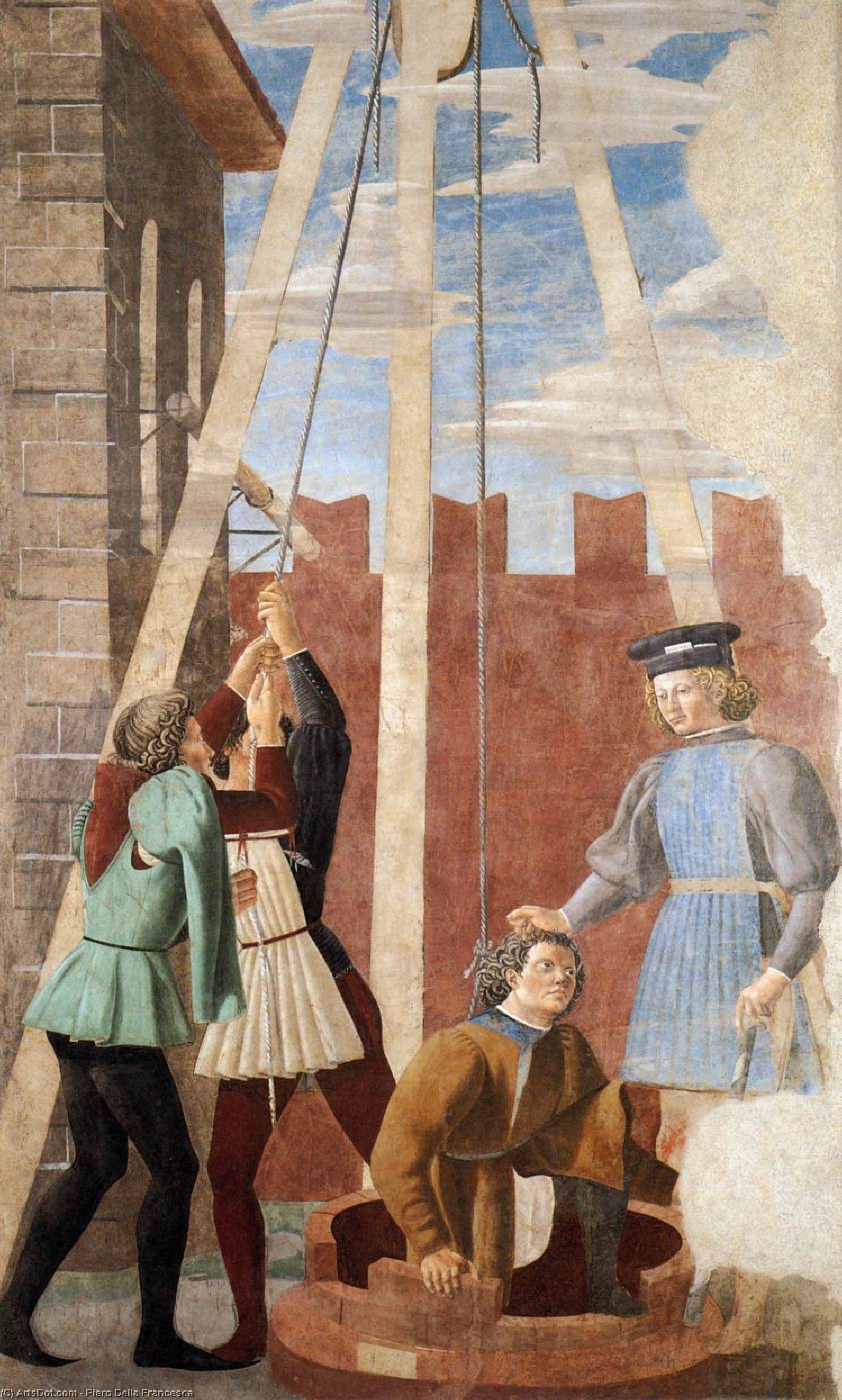
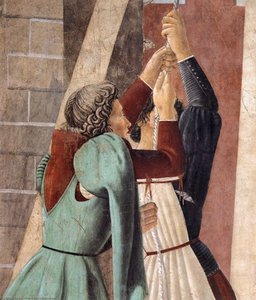
The Haunting Echoes of Suffering: Piero della Francesca’s “Torture of the Jew”
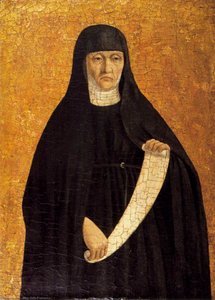
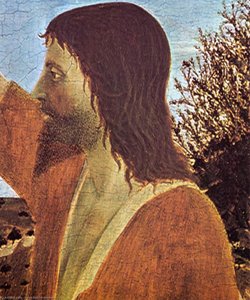
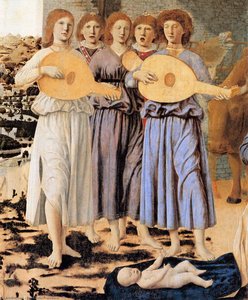
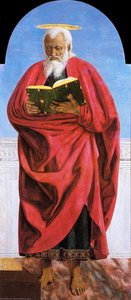
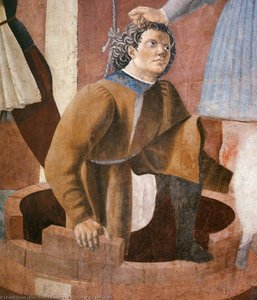
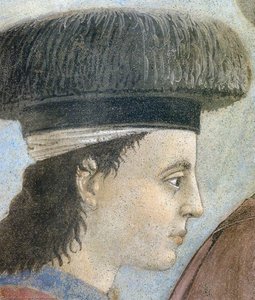
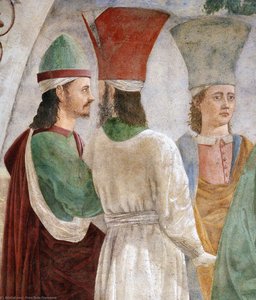
Piero della Francesca's fresco, "6. Torture of the Jew," painted in 1452 and residing within the magnificent Basilica di San Francesco in Arezzo, Italy, is not merely a depiction of religious narrative; it’s a profoundly unsettling meditation on faith, suffering, and the human condition. More than six centuries after its creation, this monumental work continues to provoke contemplation, demanding viewers confront uncomfortable truths about power, injustice, and the enduring legacy of violence within Christian iconography. The fresco forms part of a larger cycle illustrating the story of the True Cross, a pivotal narrative in early Christianity concerning the veneration of the wood believed to be from the instrument of Christ’s crucifixion. However, it is the raw intensity of this particular scene – the brutal subjugation of a man subjected to agonizing torture – that has cemented its place as one of Piero's most arresting and debated compositions. The scene itself unfolds with stark realism against a muted, almost dreamlike backdrop. A figure, identified by many scholars as representing a Jewish victim, is held captive within a cage-like structure, his head exposed for all to witness. The mechanics of the torture are rendered with chilling precision: a rope, attached to a pulley system operated by unseen figures, slowly draws the man’s head downward, suggesting an agonizing descent into oblivion. The positioning of the victim – seated on the ground, utterly vulnerable – amplifies the horror and helplessness of his situation. Crucially, the surrounding figures are not actively participating in the act; they stand as silent observers, their faces devoid of emotion, highlighting the indifference of those who witness suffering. A chair stands nearby, a grim reminder of the ritualistic nature of this ordeal. The artist’s masterful use of perspective draws the viewer directly into the scene, creating an immersive experience that is both unsettling and deeply affecting.A Masterclass in Renaissance Technique
Piero della Francesca was renowned for his innovative approach to painting, particularly his groundbreaking mastery of linear perspective. In “Torture of the Jew,” this skill is on full display. The scene’s spatial depth is achieved not through atmospheric haze or traditional softening techniques, but through a rigorously calculated system of vanishing points – one located within the cage itself, and another in the man's head. This creates an illusion of three-dimensionality that is remarkably convincing, drawing the eye across the composition and emphasizing the vulnerability of the subject. The figures are rendered with anatomical accuracy and a cool, detached realism—a hallmark of Piero’s style. He eschewed the vibrant colors favored by many of his contemporaries in favor of a restrained palette of earthy tones, further contributing to the fresco's somber mood. The meticulous detail evident in every fold of clothing, every expression on a face, speaks volumes about Piero’s dedication to realism and his profound understanding of human form.Symbolism and Religious Narrative
While ostensibly depicting a horrific act, “Torture of the Jew” is deeply interwoven with religious symbolism. The True Cross itself—the central focus of the larger narrative cycle—represents redemption through suffering. The fresco can be interpreted as an allegory for Christ’s own crucifixion, suggesting that the victim's torment mirrors the agony endured by Jesus. However, the specific identity of the figure remains a subject of scholarly debate. Some scholars believe he represents a Jewish martyr, while others suggest he embodies humanity in general, bearing witness to injustice and suffering. The act of torture serves as a stark reminder of the consequences of faithlessness and the importance of compassion—a theme central to Christian teachings. The silent observers underscore the responsibility of all individuals to confront evil and stand against oppression.Emotional Resonance and Lasting Impact
Despite its historical context, “Torture of the Jew” continues to resonate powerfully with contemporary audiences. The fresco’s unflinching depiction of violence and suffering evokes a visceral response, prompting reflection on themes of power, morality, and human cruelty. It is a testament to Piero della Francesca's ability to capture not just the outward appearance of a scene but also its underlying emotional weight. The work serves as a potent reminder of the enduring relevance of religious narratives and their capacity to illuminate fundamental questions about our shared humanity. ArtsDot offers meticulously crafted, hand-painted reproductions that faithfully recreate this extraordinary masterpiece, allowing you to experience its profound beauty and unsettling power in your own space. Explore the full detail and artistry of “Torture of the Jew” today – a piece that demands to be seen, understood, and remembered.関連作品
![Stanze Vaticane - The Mass At Bolsena (detail) [02] — ラファエロ, High Renaissance](/media/artworks/images-thumb/62/41/624194b07468da733268bcf747604218.jpg)
アーティストの略歴
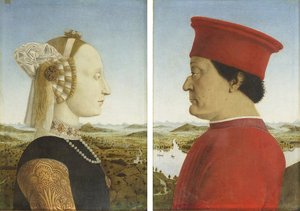
ピエロ・デッラ・フランチェスカ:静謐と秩序の探求者
15世紀初期ルネサンスを代表する画家、ピエロ・デッラ・フランチェスカ。彼の名は、単なる芸術家という枠を超え、数学者、幾何学者としても知られています。ウンブリア地方の小さな町サンセポルクロで生まれ、その生涯は謎に包まれている部分も多いものの、残された作品群は、静謐な美と秩序への飽くなき探求を物語っています。フランチェスカの芸術は、単なる写実性を超え、知性と精神性が融合した独自の表現へと昇華されており、後世の芸術家たちに多大な影響を与えました。
生い立ちと初期の試み:フィレンツェとの出会い
ピエロ・デッラ・フランチェスカは、1415年頃、サンセポルクロで生まれました。父は革細工師であり、裕福な家庭環境で育ったピエロは、幼少期から教育を受け、読み書き能力も身につけました。1430年代には、地元の画家アントニオ・ダンギアリのもとで修行を積み、その後、芸術の中心地であるフィレンツェへと旅立ちます。そこで彼は、マサッチョの革新的な壁画や、フィリッポ・ブルネレスキの建築的才能に触発され、遠近法という新たな表現手法に魅せられます。ドメニコ・ヴェネツィアーノとの共同制作を通じて、フランチェスカはフィレンツェの芸術様式を深く理解し、自身の芸術性を磨き上げていったのです。
真実の十字架:傑作が生み出す静謐な世界
ピエロ・デッラ・フランチェスカの名声を決定づけたのは、アレーッツォのサン・フランチェスコ教会に描かれた『真実の十字架物語』の壁画です。この作品群は、十字架の木材が発見されるまでの伝説を壮大なスケールで描き出しており、その構成と色彩、そして何よりも人物の表情には、深い精神性と静謐さが漂っています。遠近法を駆使した緻密な空間描写は、見る者を圧倒し、まるで現実世界に入り込んだかのような錯覚を与えます。フランチェスカは、単なる物語を描くのではなく、人間の内面にある信仰心や希望といった普遍的なテーマを表現しようとしたのです。
数学と芸術の融合:遠近法への探求
ピエロ・デッラ・フランチェスカの芸術の特徴として、数学的知識との融合が挙げられます。彼は、レオナルド・ダ・ヴィンチやミケランジェロに先駆けて、遠近法の理論を深く研究し、それを自身の作品に応用しました。『遠近法に関する画法』という著書にも残されているように、彼は幾何学的な計算に基づいた正確な空間表現を追求しました。その結果、フランチェスカの作品は、単なる写実性を超え、秩序と調和がもたらす美しさを体現したものとなっています。彼の絵画は、まるで精密機械のように完璧に計算され、配置された要素が、見る者の心を静かに魅了するのです。
後世への影響:ルネサンスを越えた普遍性
ピエロ・デッラ・フランチェスカの芸術は、生前の評価とは異なり、20世紀になってようやくその真価が再認識されました。レオナルド・ダ・ヴィンチやラファエロといった巨匠たちも、彼の作品から影響を受けたと伝えられており、ルネサンス美術における重要な位置を占めています。フランチェスカの静謐で秩序立った世界観は、現代においても多くの人々に感動を与え続けています。彼の芸術は、単なる過去の遺産ではなく、普遍的な美と知性の探求という形で、未来へと受け継がれていくでしょう。
ピエロ・デッラ・フランチェスカ
1415 - 1492 , イタリア
基本情報
- フルネーム: ピエロ・デッラ・フランチェスカ
- 主な作品:
- 受胎告知
- 真の十字架の伝説
- モンテフェルトロ祭壇画
- 出生地: サンセポルクロ(イタリア)
- 国籍: イタリア
- 影響を与えたアーティスト:
- レオナルド・ダ・ヴィンチ
- ラファエロ
- 影響を受けたアーティスト:
- マサッチョ
- ドメニコ・ヴェネツィアーノ
- 死亡年月日: 1492年10月12日
- 生年月日: 1415年頃
- 芸術運動またはスタイル: 初期ルネサンス
関連記事

家族の遺産を壁画で彩る:伝統技法が紡ぐ、時を超越する美と記憶
古代から現代までの壁画の歴史と技法を解説。日本の壁画文化やカスタムオーダーによる家族の遺産表現、保存・修復技術まで網羅。専門家が時を超越する美と記憶を紡ぐ芸術的価値をご案内します。
Piero della Francesca: Renaissance Perspective, Divine Proportion & the Pursuit of Ideal Form
Explore the revolutionary art of Piero della Francesca – master of perspective, divine proportion & Renaissance humanism. Discover his iconic paintings & lasting influence on art history.

The Enduring Legacy of Fresco: Technique, History & Artistic Expression Across Cultures
Explore the rich history & enduring legacy of fresco painting! Discover ancient techniques, Giotto's masterpieces, and modern applications. Expert insights for art lovers & professionals.

The Enduring Legacy of Fresco Painting: Techniques, History & Contemporary Relevance
Explore the rich history & enduring artistry of fresco painting – from Giotto to Michelangelo! Discover techniques, conservation efforts, & modern applications. Learn how ArtsDot brings this timeless art form to your home.
Art That Lives With You: The Emotional Power of a Custom Interior Fresco
Discover the emotional power & timeless beauty of custom interior frescoes. Explore history, design tips & expert guidance from – creating lasting legacies.