

 プレビュー
プレビュー
 プリントを購入
 シェアする
シェアする シェアする
シェアする
 詳細を見る
詳細を見る

 ダウンロード
 似ている作品
 X線調査
X線調査 スライドショー
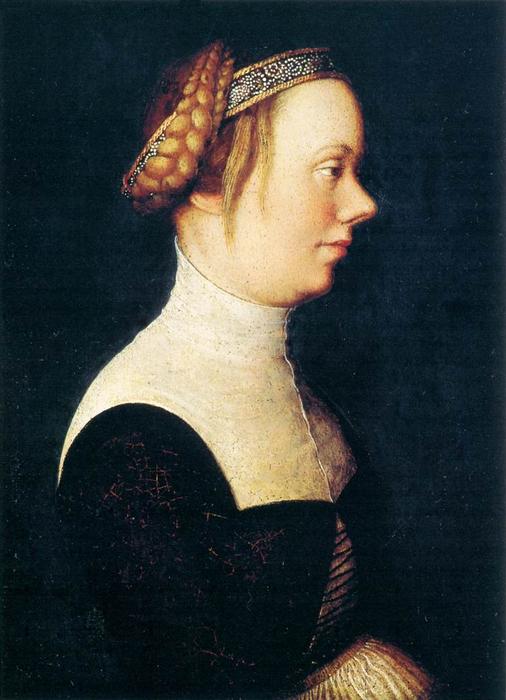
Portrait of a Woman
 Oil On Panel
- WallArt
- Northern Renaissance
 1518
1518- Renaissance
 24.0 x 17.0 cm
 プラド美術館
 詳細を見る
詳細を見る




P118B $10

P118H $10

P118W $10

P438Z $10

P508JH $12

P508YH $12

P805H $10

P805Z $10

P919BZ $10

P919G $10

P919XJ $10

P959ZH $10

P968JZ $12

W106C $8

W218G $10

W218JH $8

W218Y $10

W307PJ $10

W316G $10

W316PJ $8

W316Y $10

W398PJ $8

W4111J $10

W500HY $15

W500JH $15

W692G $12

W849H $8

W940BG $15

W953PJ $8




作品のオリジナル比率に合わせた、当店の規定サイズからお選びください。

特定のフレームやスペースに合わせて、ご希望のサイズをご入力いただけます。選択されたサイズが元の画像の比率と異なる場合、アートワークをトリミングするか、手描きで要素を追加して絵画を拡張いたします。デジタルモックアップ を制作し、制作開始前にご確認(承認)をいただきます。
画面上のプレビューは、実際のトリミングや拡張を正確に反映しているものではありません。最終的な構図は、モックアップによってのみ正確にご確認いただけます。
カスタムサイズもご利用いただけますが、元の比率を維持するためには、あらかじめ用意されたリストからサイズを選択することをお勧めいたします。
ご注文後、ArtsDot.com チームより詳細な指示をお送りするとともに、仕上がりイメージ(モックアップ)をご提供いたします。


 ガラスオプションは、110cm未満のサイズでのみご利用いただけます。

Portrait of a Woman
複製技法
複製画のサイズ
-


合計金額
$ 263
作品解説
A Window Into Renaissance Dignity
In the quiet corridors of the Thyssen-Bornemisza Museum in Madrid, there exists a portal to another era—a moment frozen in 1518 through the masterful hand of Hans Holbein the Elder. His Portrait of a Woman is far more than a mere likeness; it is an enduring emblem of Northern Renaissance achievement, capturing a profound psychological depth that transcends the boundaries of time. As one gazes upon this oil on panel masterpiece, the subject does not merely exist within the frame; she engages in a silent, eternal dialogue with the viewer. The painting serves as a testament to Holbein’s unparalleled ability to distill complex human emotions into a single, breathtakingly still composition, offering a sense of dignity that feels both intimate and monumental.
The subject herself emerges from a dark, atmospheric background, her presence commanding the space through a delicate balance of strength and grace. Adorned with a regal crown and a luminous pearl necklace that catches the light, she embodies the aristocratic elegance of the early 16th century. Her attire, a deep black dress, provides a stark, sophisticated contrast to the warmth of her skin, while her gaze—directed slightly to the side yet possessing an undeniable weight—suggests a contemplative spirit. This subtle redirection of the eyes invites the observer to wonder about the thoughts behind that steady expression, creating an emotional resonance that is as haunting as it is beautiful.
Technical Brilliance and the Northern Tradition
The brilliance of this work lies in Holbein’s revolutionary utilization of oil paint on panel. During this pivotal era, the transition from the flatter, more opaque qualities of tempera to the translucent, layered depths of oil allowed for a new level of realism. Holbein utilized this medium to achieve an almost tactile precision, rendering the subtle textures of fabric, the soft glow of skin, and the iridescent sheen of pearls with unparalleled virtuosity. This technique was not merely about imitation but about capturing the very essence of light and shadow, a skill that would define the Northern Renaissance style.
Born in the vibrant artistic hub of Augsburg, Germany, Holbein the Elder drew inspiration from the meticulous traditions of his homeland, absorbing the influences of masters like Albrecht Dürer while forging a path of his own. His work bridges the gap between the intricate, symbolic language of the late Gothic period and the burgeoning humanism of the Renaissance. In this portrait, we see the culmination of that evolution: a style characterized by unflinching realism and a subtle psychological nuance that avoids the theatrical in favor of the profound.
An Inspiration for the Modern Collector
For the discerning art lover or interior designer, a reproduction of this masterpiece offers more than just decoration; it provides a focal point of historical gravity and intellectual sophistication. The monochromatic tones and classical composition make it an incredibly versatile piece, capable of anchoring a contemporary minimalist space with a sense of heritage, or adding a layer of Old World charm to a traditional study. It is a work that invites conversation, prompting guests to linger on the details of its craftsmanship and the mystery of its subject.
Owning a high-quality hand-painted reproduction of Holbein’s Portrait of a Woman is an opportunity to bring a piece of the Northern Renaissance into the modern home. It is an investment in atmosphere, a way to surround oneself with the quiet dignity and technical mastery that have captivated scholars and admirers for over five centuries. Whether placed in a sunlit gallery or a moody, private library, this painting remains a timeless window into the soul of the Renaissance.
関連作品
アーティストの略歴
アウクスブルクの巨匠:ハンス・ホルバイン・ザ・エルダーとルネサンス写実主義の黎明
1497年頃、ドイツの活気あふれる芸術拠点であるアウクスブルクに生まれたハンス・ホルバイン・ザ・エルダー(かつてはイタリア生まれとする説もありましたが、現在はドイツ起源が定説となっています)は、後期ゴシックの伝統と、胎動しつつあった北欧ルネサンスの革新を結びつける極めて重要な役割を果たしました。彼の生涯は、宗教的・政治的な激動の時代の中にあり、その背景は彼の芸術的ヴィジョンに繊細ながらも深い影響を与えました。修行のためにイタリア半島へと向かった多くの画家たちとは異なり、ホルバインはドイツの芸術的風景の中でその腕を磨き、アルブレヒト・デューラーのような巨匠たちの影響を吸収しながら、同時に独自のパーソナルな様式を確立していったのです。初期のキャリアはスイスのバーゼルで花開き、宗教画や公共・私的な空間を彩る緻なった壁画、そして美しく細密な挿絵を描く画家として、瞬く間にその名を馳せました。しかし、彼の遺産を決定づけたのは、単なる外見の模写に留まらず、描かれた人物の魂そのものを捉えた、開花しつつあった肖像画への類まれな才能でした。様式の融合:ゴシックの細密描写とルネサンスの人文主義
ホルバインの芸術的アプローチは、決して急進的な断絶ではなく、むしろ見事な「統合」でした。彼は後期ゴシック期の特徴である緻密なディテールや正確な素描技術を捨て去ることはありませんでした。むしろ、それらにイタリアからヨーロッパ全土へと広がっていた人文主義の理想を吹き込んだのです。レオナルド・ダ・ヴィンチやサンドロ・ボッティチェッリの影響は、直接的な模倣としてではなく、自然主義へのこだわり、心理的な深み、そして洗練された解剖学的理解の採用という形で、彼の作品の中に見て取ることができます。この融合によって、かつてないほどの存在感を放つ、驚くほど生命力に満ちた肖像画が誕生しました。彼は、絹の光沢、ベルベットの重厚感、肌の微細な質感といったテクスチャーを、息を呑むような正確さで描き出す並外れた能力を備えていました。1499年に制作され、現在はウィーンの美術史美術館に収蔵されている聖母子(Maria, das Kind liebköstend)は、この初期の卓越した技量を象徴しています。繊細な筆致と人体への鋭い観察眼によって、感情的な響きに満ちた慈愛に満った描写が実現されています。また、聖ペテロと聖パウロを描いた題材板も、彼の技術的な熟練度だけでなく、構図の中に展開される物語的な感性を証明しています。外見を超えて:人物像と時代背景の捕捉
ホルバインの肖像画は、単なる視覚的な正確さを追求した練習作ではありませんでした。それは、人物の性格や社会的地位を洞察するための深い研究でもあったのです。彼は、衣服や宝飾品、さらには姿勢までもが、その人物のアイデンティティや社会における立ち位置を雄弁に物語ることを理解していました。彼は単に人々が「どのように見えるか」を描いたのではなく、彼らが「何者であるか」――その野心、不安、そして世界における居場所――を描き出そうとしたのです。この心理的な深みを捉える能力こそが、同時代の多くの画家と彼を分かつものでした。キャリアを通じて宗教画も制作しましたが、彼の名声を不動のものとし、永続的な影響力を確かなものにしたのは、この肖像画への集中でした。彼の作品は、大きな変革期にあった人々の生活を貴重な断片として現代に伝えており、歴史家や芸術愛好家に対して、16世紀の複雑な社会構造を覗き見る窓を提供してくれます。不朽の遺産:影響と再発見
より有名な息子であるハンス・ホルバイン・ザ・ユンガーの影に隠れてしまうこともありますが、エルダー(父)が美術史に残した衝撃は否定しようのないものです。ジャンルを融合させた革新的な手法は、細部への細やかな注意と心理的洞察力と相まって、後の世代の肖像画家たちの道を切り拓きました。美術史家のエリス・ウォーターハウスが正当に指摘しているように、息子の描いた肖察画でさえも、父の指導の下での初期修行を通じて培われた基礎的な技術と審美眼に恩恵を受けているのです。今日、ArtsDot.comのようなプラットフォームを通じて、ホルバインの作品の複製画に触れることができることは、世界中の芸術愛好家が彼の天才性を享受することを可能にしています。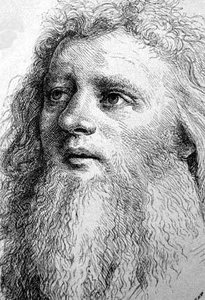
ハンス・ホルバイン(父)
1497 - 1543 , イタリア
基本情報
- Artistic Movement Or Style: 北方のルネサンス
- Artists Or Movements Influenced By This Artist: 北方ルネサンスの芸術家
- Artists Who Influenced This Artist:
- レオナルド・ダ・ヴィンチ
- サンドロ・ボッティチェッリ
- Date Of Birth: 1497年頃
- Date Of Death: 1543年
- Full Name: ハンス・ホルバイン(父)
- Nationality: ドイツ
- Notable Artworks:
- 幼子を愛でるマリア
- 聖ペテロと聖パウロの題名板
- Place Of Birth: ドイツ、アウクスブルク
関連記事
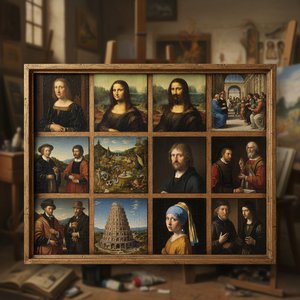
Oil on Panel Masters: 10 Paintings That Revolutionized Art |
Journey through 10 legendary 'Oil on Panel' masterpieces by Van Eyck, Bosch & Bruegel. Explore the stories behind these iconic Renaissance & Baroque paintings and find museum-quality art reproductions to elevate your home decor. Discover all masterpieces on !
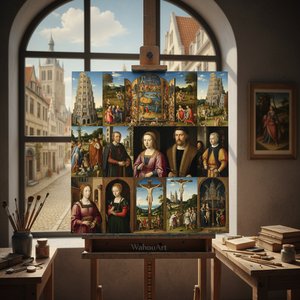
北方ルネサンスを彩る至宝:10の傑作が語る芸術と革新の世界
北方ルネサンスの10大傑作を紐解き、芸術の革新と美しさを再発見。ヤン・ファン・エイクからデューラーまで、巨匠たちの物語と技法を深く探求。高品質な複製絵画で、お部屋にアートの息吹を。ArtsDot.comで至宝の世界をお楽しみください!
From Initial Sketch to Enduring Legacy: A Comprehensive Exploration of the Oil Painting Reproduction Process
Discover the art of museum-quality oil painting reproduction. Explore our expert process, skilled artists & authentic replicas. Elevate your home with timeless beauty – handcrafted and customized to your vision.
写真プリントによるカスタムデジタル絵画:オリジナル作品の情感と耐久性を超える表現力
オリジナル作品の情感を損なわずに、高解像度で耐久性に優れたカスタムデジタル絵画を制作します。プロのアーティストによる手作業仕上げ。ArtsDot.comで、特別なアート体験を。
Oil on Panel: A Historical Survey of Technique, Support & Aesthetic Evolution
Explore the rich history of oil on panel painting! Discover Renaissance techniques, support structures & aesthetic evolution. Expert insights for art collectors and enthusiasts.

