

 プレビュー
プレビュー
 プリントを購入
 シェアする
シェアする シェアする
シェアする


 ダウンロード
 似ている作品
 X線調査
X線調査 スライドショー
Dog Car
 Post-Impressionism
 1880
1880 27.0 x 35.0 cm
A Parisian Snapshot: The Story of "Dog Car"
Henri de Toulouse-Lautrec’s “Dog Car” (1880) isn't merely a depiction of a horse-drawn carriage; it’s a vibrant, almost frenetic, slice of life captured in Montmartre. This post-impressionist work immediately draws the eye with its dynamic composition – a powerful chestnut horse pulling a substantial carriage that dominates the scene, extending nearly to the top right corner. Yet, it's the figures within, two individuals enjoying their ride, that truly anchor the painting and infuse it with a palpable sense of Parisian energy. The slightly elevated position of the horse’s head adds to this feeling of movement and immediacy, as if we are witnessing a fleeting moment frozen in time.
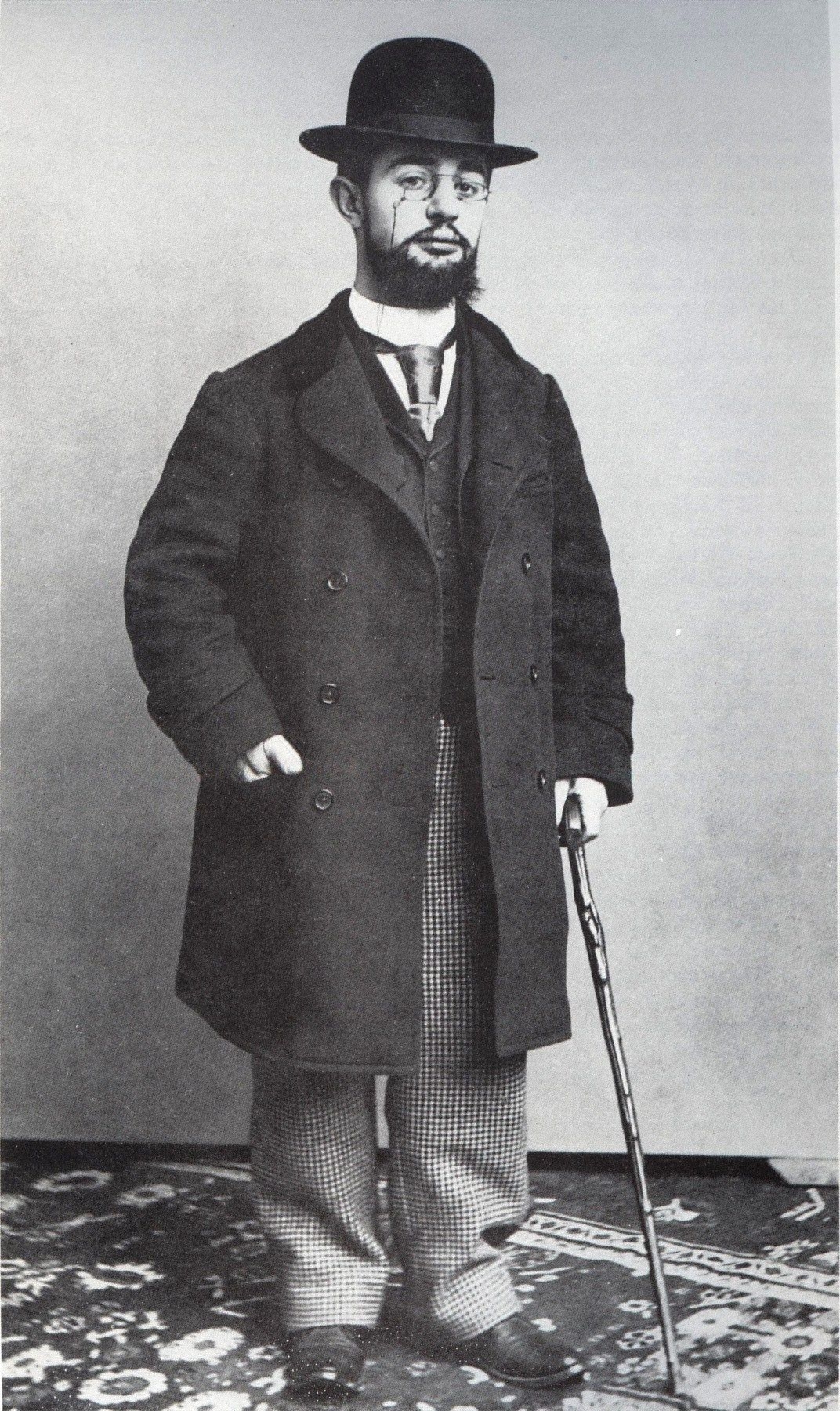
(Image: Henri de Toulouse-Lautrec - a key figure in the painting)
The Artist's Vision: Lautrec and Montmartre
Born in 1864, Henri Marie Raymond de Toulouse-Lautrec-Monfa’s life was inextricably linked to the bohemian heart of Paris. His physical difference – a consequence of a genetic condition that stunted his growth – ironically sharpened his observational skills. Rather than retreating from the world, he embraced it, becoming a chronicler of its vibrant underbelly. Montmartre, with its cabarets, artists, and marginalized figures, provided him with an endless source of inspiration. “Dog Car” exemplifies this fascination; Lautrec wasn’t interested in idealized beauty but in capturing the raw, unvarnished reality of Parisian life – a reality he rendered with bold colors and dynamic lines.
His aristocratic background afforded him access to artistic training, initially at the École des Beaux-Arts. However, it was his immersion in the world of artists like Édouard Manet and Edgar Degas that truly shaped his style, leading him away from academic realism towards a more expressive and subjective approach.
Technique and Composition: A Study in Movement
Lautrec’s technique is characterized by loose brushstrokes and a flattened perspective – hallmarks of post-impressionism. The horse is rendered with powerful, almost frantic energy, its musculature emphasized through thick impasto. The carriage itself is depicted with a sense of solidity and weight, contrasting with the fluidity of the animal. The composition is carefully balanced, drawing the viewer’s eye from the central horse to the figures in the carriage, creating a dynamic tension that reflects the bustling atmosphere of Montmartre. Notice how he uses light and shadow to create depth and volume, particularly on the horse's coat.
Symbolism and Emotional Impact
"Dog Car" transcends a simple depiction of a horse-drawn carriage; it’s a window into the soul of Paris in the late 19th century. The leisurely ride suggests a moment of respite, a brief escape from the city's relentless energy. The figures, though anonymous, evoke a sense of pleasure and contentment. Lautrec masterfully captures not just what he saw but also how he *felt* about it – a deep appreciation for the beauty and vitality of everyday life in one of the world’s most captivating cities. This painting speaks to our enduring fascination with movement, leisure, and the simple joys of human connection.
トゥールーズ=ロートレック(1864 – 1901)
19世紀末パリの歓楽街を鮮烈に描いたトゥールーズ=ロートレック。ムーラン・ルージュの喧騒、娼婦たちの姿、庶民の生活を大胆な筆致と独特の色彩で表現した芸術家。ポスターや版画にも傑作を残し、現代美術に多大な影響を与えました。
作品詳細
- 作品名: Dog Car
- 作家: トゥールーズ=ロートレック
- 制作年: 1880
- 作品サイズ: 27.0 x 35.0 cm
- 技法: Landscape
- 著作権の状態: パブリックドメイン
- 動勢: Post-Impressionism
- 用途: Statement
- キーワード: post impressionism , toulouse lautrec , painting
- 彩度: Balanced
作品詳細
- Subject or theme: Urban life, leisure
- Year: 1880
- Artist: Henri de Toulouse-Lautrec
- Artistic style: Realistic, detailed
- Medium: Oil on Canvas
- Notable elements: Horse, carriage, figures
- Dimensions: 27 x 35 cm
QRコード


