

 プレビュー
プレビュー
 プリントを購入
 シェアする
シェアする シェアする
シェアする


 ダウンロード
 似ている作品
 X線調査
X線調査 スライドショー
Maxime Dethomas At the Ball of the Opera
 Acrylic On Canvas
- WallArt
- Post-Impressionism
 1896
1896 67.0 x 62.0 cm
トゥールーズ=ロートレック(1864 – 1901)
19世紀末パリの歓楽街を鮮烈に描いたトゥールーズ=ロートレック。ムーラン・ルージュの喧騒、娼婦たちの姿、庶民の生活を大胆な筆致と独特の色彩で表現した芸術家。ポスターや版画にも傑作を残し、現代美術に多大な影響を与えました。
A Night in Montmartre: The Captivating World of Maxime Dethomas
“Maxime Dethomas At the Ball of the Opera,” painted in 1896 by the celebrated Henri de Toulouse-Lautrec, is more than just a depiction of a Parisian cabaret scene; it’s a vibrant portal into the heart of late 19th-century bohemian life. This artwork, measuring 67 x 62 cm, immediately draws the viewer into a world of swirling energy, decadent glamour, and fleeting moments captured with remarkable precision. Lautrec's signature style – characterized by loose brushstrokes, flattened perspective, and an almost frenetic dynamism – is fully realized here, creating a scene that feels both intensely immediate and eternally evocative.
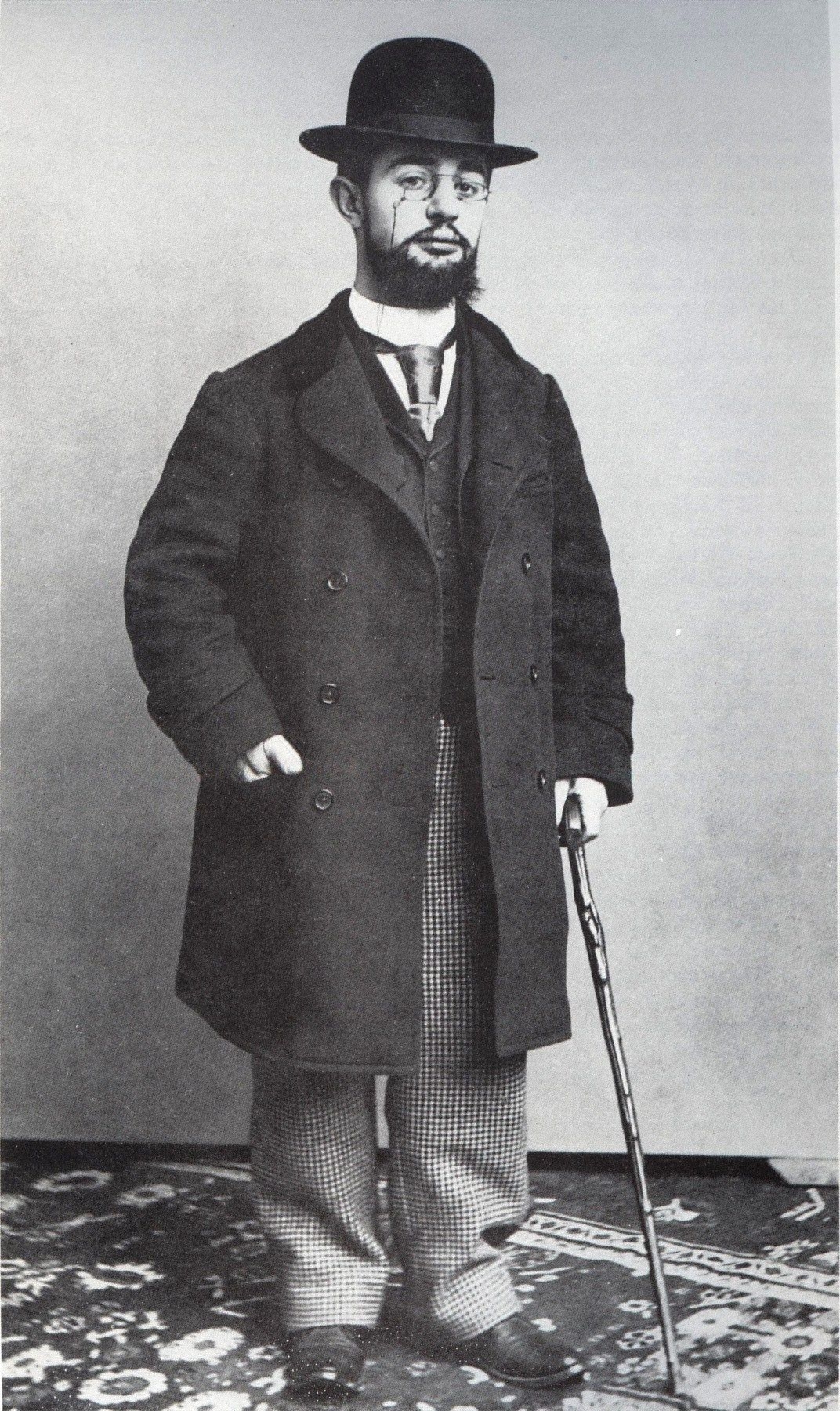
(Image: Henri de Toulouse-Lautrec - A representative example of his style)
Decoding the Style: Post-Impressionism and Lautrec’s Vision
Classifying “Maxime Dethomas At the Ball of the Opera” solely as ‘Post-Impressionist’ feels somewhat limiting. While undeniably influenced by the movement's emphasis on subjective perception and expressive color, Lautrec forged a uniquely personal path. He wasn’t simply replicating Impressionistic techniques; he was dissecting and reassembling them to serve his own intensely observant vision of urban life. The flattened perspective, deliberately skewed angles, and almost theatrical use of light are hallmarks of his approach – designed not to represent reality faithfully but to capture the *feeling* of a moment, the pulse of Montmartre’s nightlife.
The painting's technique is immediately apparent: thick layers of oil paint applied with visible brushstrokes create a textured surface that practically vibrates with movement. This impasto effect isn’t merely decorative; it actively contributes to the sense of chaos and energy, mirroring the bustling atmosphere of the cabaret itself. The use of curved lines dominates, guiding the eye through the crowded scene while simultaneously emphasizing the figures' inherent dynamism.
Symbolism and Social Commentary
Beyond its aesthetic qualities, “Maxime Dethomas At the Ball of the Opera” carries a potent symbolic weight. It’s a snapshot of Parisian society at a pivotal moment – a time of rapid industrialization, social upheaval, and burgeoning artistic experimentation. The scene depicts not just individuals but also broader themes: the allure of entertainment, the transient nature of relationships, and the stark contrast between wealth and poverty within the city's vibrant underbelly. The figures themselves—a smartly dressed gentleman and a woman in a striking pink gown—represent the social strata present at these gatherings, adding another layer to the artwork’s narrative.
A Reproduction Worth Investing In
ArtsDot offers meticulously hand-painted reproductions of “Maxime Dethomas At the Ball of the Opera,” ensuring that you possess a genuine piece of art history. Each reproduction is created using archival quality materials, faithfully replicating Lautrec’s original techniques and color palette. Whether adorning your wall or serving as a striking centerpiece in your interior design scheme, this artwork will undoubtedly become a conversation starter – a testament to Toulouse-Lautrec's genius and the enduring allure of Parisian nightlife. Dimensions: 67 x 62 cm. Date: 1896
作品詳細
- 作品名: Maxime Dethomas At the Ball of the Opera
- 作家: トゥールーズ=ロートレック
- 制作年: 1896
- 作品サイズ: 67.0 x 62.0 cm
- 技法: Portrait
- 著作権の状態: パブリックドメイン
- 制作時期: Mature Period
- コーパスの文脈: impressionism , key example of lautrec's urban scenes
- カラーパレット: Earthy
- キーワード: 1896 artwork , urban art painting , toulouse lautrec
作品詳細
- Medium: Oil on Canvas
- Influences:
- Toulouse-Lautrec
- Impressionism
- Location: Private Collection
- Year: 1896
- Title: Maxime Dethomas At the Ball of the Opera
- Artist: Henri de Toulouse-Lautrec
- Dimensions: 67 x 62 cm
QRコード


