

 プレビュー
プレビュー
 プリントを購入
 シェアする
シェアする シェアする
シェアする


 ダウンロード
 似ている作品
 X線調査
X線調査 スライドショー
Miss Eglantine Troupe


A Glimpse into Parisian Decadence: The World of Miss Eglantine
Henri de Toulouse-Lautrec’s “Miss Eglantine Troupe” is more than just a depiction of a dance; it's a vibrant, almost hallucinatory snapshot of late 19th-century Paris. Painted in 1896, this artwork captures the intoxicating energy of Montmartre – a district teeming with artists, performers, and the dispossessed. The scene unfolds within a bustling cabaret, likely the Moulin Rouge, where Toulouse-Lautrec spent countless nights observing and immortalizing the lives of its inhabitants. The painting’s power lies not just in its subject matter but in Lautrec's masterful ability to translate movement and atmosphere onto canvas, creating an immediate sense of excitement and fleeting beauty.
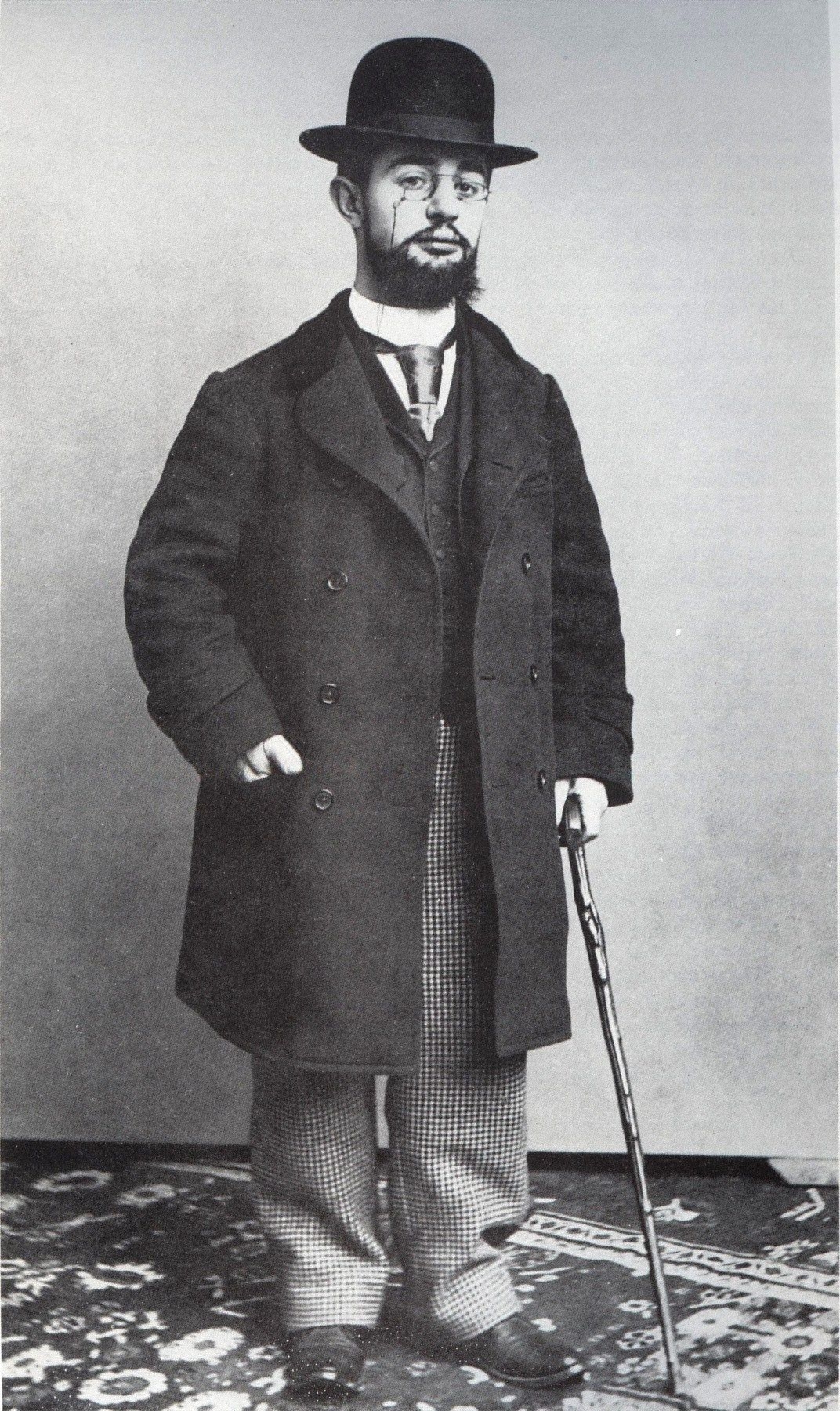
(Image: Henri de Toulouse-Lautrec - A representative image of the artist's work)
Art Nouveau’s Embrace: Form and Movement
Toulouse-Lautrec was a key figure in the Art Nouveau movement, and “Miss Eglantine Troupe” exemplifies this style perfectly. The elongated figures, flowing costumes, and swirling lines are hallmarks of Art Nouveau's fascination with natural forms – particularly the curves of flowers and vines. The intricate detailing of the dancers’ garments—the ruffled sleeves, the voluminous skirts, the elaborate headdresses—is rendered with a meticulous precision that elevates the scene beyond a simple illustration. The artist uses bold outlines and strong contrasts to emphasize the dynamism of the performance, creating an almost theatrical effect.
Color as Emotion: A Palette of Pink
The dominant use of pinks – ranging from blush to rose – is crucial to understanding the painting’s emotional impact. Pink was associated with femininity, sensuality, and even a touch of melancholy in Toulouse-Lautrec's time. The warm hues create an atmosphere of both glamour and vulnerability, reflecting the precarious lives of the performers depicted. This deliberate color choice contributes significantly to the overall mood, evoking a sense of decadent pleasure and perhaps a hint of sadness for those caught within its orbit.
Symbolism of Movement: The Can-Can’s Fierce Grace
The central figure, Eglantine Troupe herself, is positioned with striking confidence – stepping forward to execute a particularly vigorous can-can step. This isn't merely a dance; it’s an assertion of power and beauty within a world that often marginalized women. The other dancers, frozen in mid-movement, amplify this sense of energy and drama. Toulouse-Lautrec captures the raw physicality of the performance, emphasizing the strength and grace of these women as they command the stage. This image speaks to Lautrec’s fascination with portraying the lives of those on the fringes of society – individuals who possessed a unique kind of beauty and resilience.
This hand-painted reproduction captures the essence of Toulouse-Lautrec's genius, offering a window into a captivating era and a timeless celebration of artistic skill and Parisian life. It’s an ideal addition to any art collection or interior space seeking a touch of bohemian elegance.
トゥールーズ=ロートレック(1864 – 1901)
19世紀末パリの歓楽街を鮮烈に描いたトゥールーズ=ロートレック。ムーラン・ルージュの喧騒、娼婦たちの姿、庶民の生活を大胆な筆致と独特の色彩で表現した芸術家。ポスターや版画にも傑作を残し、現代美術に多大な影響を与えました。
作品詳細
- 作品名: Miss Eglantine Troupe
- 作家: トゥールーズ=ロートレック
- 技法: Landscape
- 著作権の状態: パブリックドメイン
- 動勢: Art Nouveau
- 技法・素材: Lithography
- 技法・素材: WallArt
- カラーパレット: Pastels
- 主要な色: Driftwood
作品詳細
- Artistic style: Decadent, theatrical
- Movement: Art Nouveau
- Notable elements: Can-can dancers
- Year: 1896
- Artist: Henri de Toulouse-Lautrec
- Influences:
- Toulouse-Lautrec
- Poster Art
QRコード


