

 プレビュー
プレビュー
 プリント版に切り替え
 シェアする
シェアする シェアする
シェアする


 ダウンロード
 似ている作品
 X線調査
X線調査 スライドショー
 統計情報
統計情報Skating


トゥールーズ=ロートレック(1864 – 1901)
19世紀末パリの歓楽街を鮮烈に描いたトゥールーズ=ロートレック。ムーラン・ルージュの喧騒、娼婦たちの姿、庶民の生活を大胆な筆致と独特の色彩で表現した芸術家。ポスターや版画にも傑作を残し、現代美術に多大な影響を与えました。
A Moment of Parisian Decadence: Skating by Henri de Toulouse-Lautrec
Henri de Toulouse-Lautrec’s “Skating,” painted in 1896, is more than just a depiction of leisure; it's a vibrant snapshot of Montmartre’s bohemian heart. The scene unfolds within a dimly lit room, saturated with the smoky atmosphere and restless energy characteristic of the artist’s beloved district. The painting immediately draws the eye to the figures engaged in this seemingly simple activity – skating – yet their postures, expressions, and the surrounding details speak volumes about the social dynamics and artistic spirit of the time. It's a scene brimming with both playful abandon and a subtle melancholy, a hallmark of Toulouse-Lautrec’s unique vision.
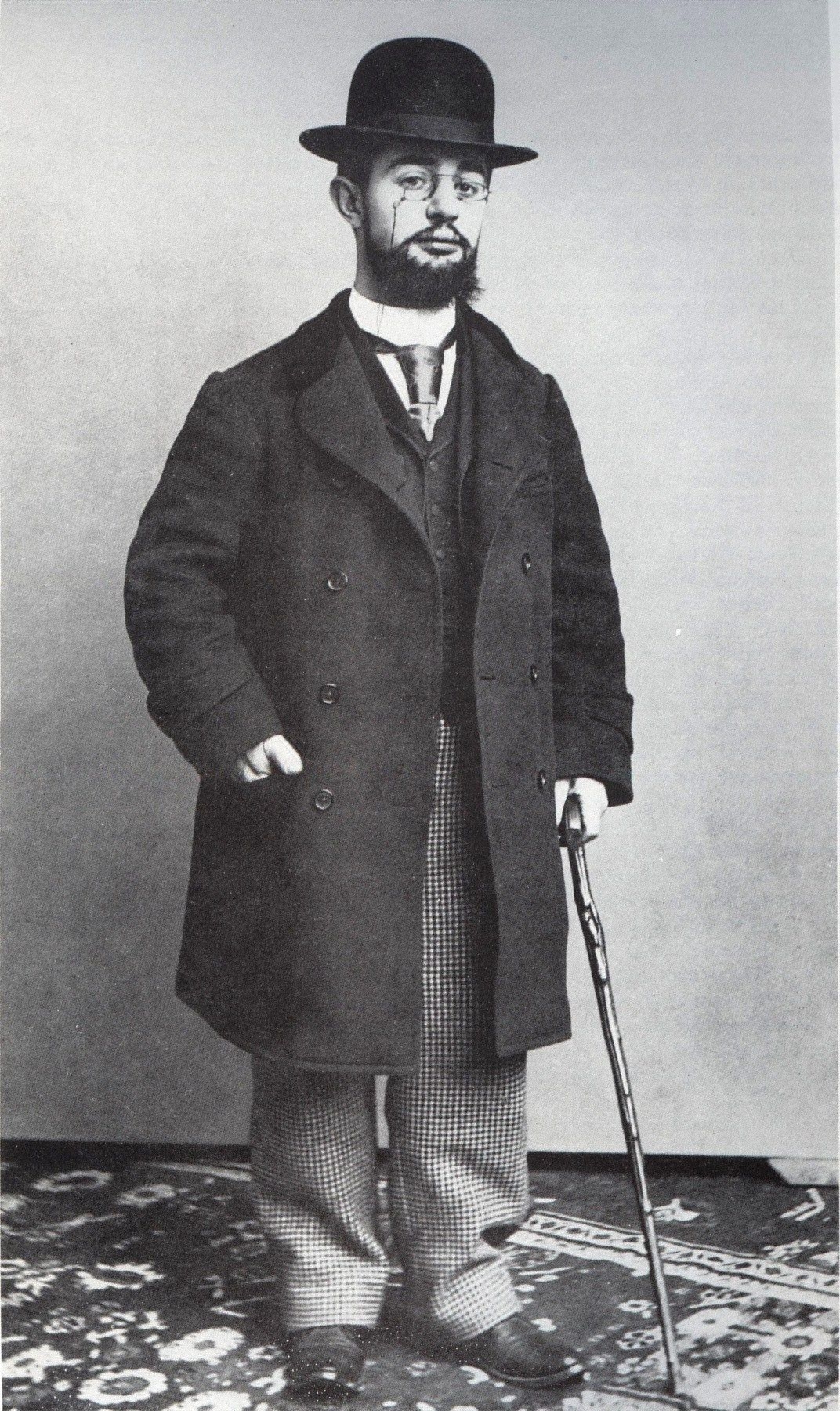
(Image: “Skating” by Henri de Toulouse-Lautrec)
The Artist's Vision: Capturing Parisian Life
Toulouse-Lautrec’s artistic trajectory was profoundly shaped by his physical condition – a consequence of genetic anomalies that stunted his growth. This difference, rather than limiting him, fostered an acute observational skill and a deep empathy for the marginalized figures he encountered in Parisian society. He wasn't interested in idealized representations; instead, he sought to capture the raw, unvarnished reality of everyday life, particularly within the vibrant, often chaotic world of Montmartre’s cafes, dance halls, and brothels. “Skating” exemplifies this approach – a candid portrayal of individuals enjoying themselves, devoid of sentimentality or judgment.
The composition itself is masterful. The figures are arranged with a deliberate asymmetry, creating a sense of movement and spontaneity. Notice the man in the top hat, holding his drink—a detail that suggests a touch of aristocratic indulgence amidst the more common scene. The scattered chairs and table contribute to the feeling of an impromptu gathering, a temporary escape from the pressures of urban life.
Technique and Style: A Post-Impressionist Master
Toulouse-Lautrec’s technique is instantly recognizable – bold outlines, flattened perspective, and a vibrant use of color. He employed loose brushstrokes to convey movement and energy, particularly evident in the swirling patterns of the skaters' clothing and the reflections on the polished surfaces of the room. His palette leans towards rich, saturated hues—deep blues, reds, and greens—that heighten the dramatic effect. This style aligns with Post-Impressionism, a movement that prioritized subjective experience and emotional expression over strict adherence to academic realism. The painting’s almost theatrical quality reflects his fascination with performance and spectacle.
Symbolism and Emotional Resonance
"Skating" transcends a simple depiction of leisure; it's imbued with symbolic meaning. The act of skating itself can be interpreted as a metaphor for freedom, movement, and escape – themes frequently explored by Toulouse-Lautrec in his work. The dimly lit room suggests intimacy and privacy, while the presence of multiple figures hints at social connection and camaraderie. There’s an underlying sense of melancholy within the scene—a recognition of fleeting moments and the transient nature of pleasure. This emotional depth is what elevates “Skating” beyond a mere illustration to a powerful statement about the human condition, reflecting Toulouse-Lautrec's profound understanding of his subjects.
作品詳細
- 作品名: Skating
- 作家: トゥールーズ=ロートレック
- 制作年: 1896
- 技法: Portrait
- 著作権の状態: パブリックドメイン
- 技法・素材: Acrylic On Canvas
- 技法・素材: WallArt
- コーパスの文脈: montmartre nightlife , alcohol
- カラーパレット: Earthy
- 主要な色: Driftwood
作品詳細
- Subject or theme: Winter skating event
- Artistic style: Realist, Bohemian
- Medium: Oil on canvas
- Title: Skating
- Notable elements: Social scene, figures
- Artist: Henri de Toulouse-Lautrec
- Year: 1896
QRコード
