

 プレビュー
プレビュー
 プリントを購入
 シェアする
シェアする シェアする
シェアする


 ダウンロード
 似ている作品
 X線調査
X線調査 スライドショー
Tuch-ee, A Celebrated War Chief of the Cherokees


ジョージ・キャットリン(1796 – 1872)
19世紀の画家ジョージ・キャットリンは、北米先住民の文化と生活を鮮やかに描き出しました。詳細な肖像画や風景画を通して、彼らの伝統や儀式を記録し、消えゆく世界を後世に残しました。
バージニア美術館(リッチモンド, アメリカ合衆国)
リッチモンドのバージニア美術館で世界クラスの芸術を体験しましょう!古代の遺物、ファベルジェの卵、そして多彩なコレクションをご堪能いただけます。入場無料でお待ちしております!
A Window into a Vanishing World: George Catlin’s Portrait of Tuch-ee
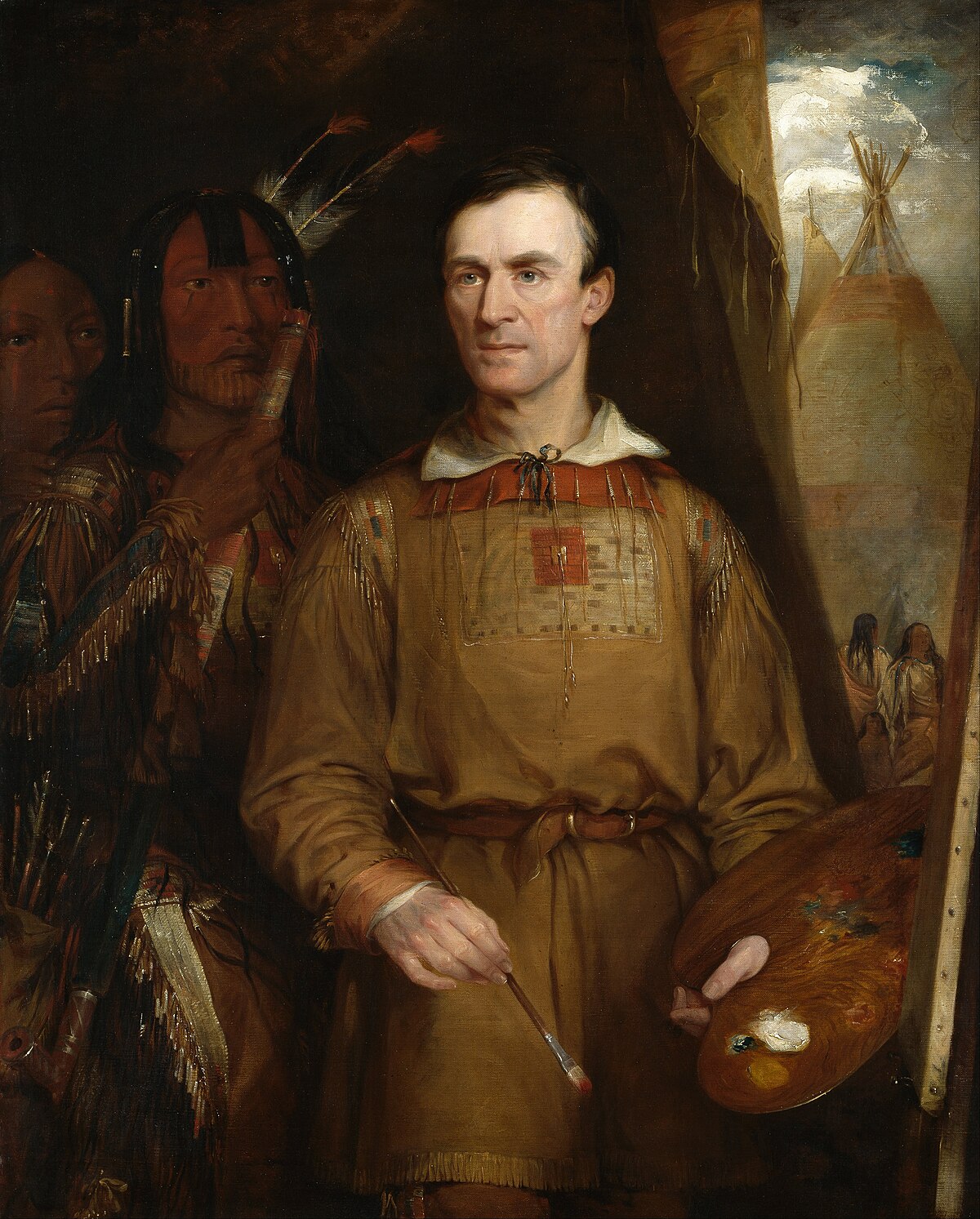
George Catlin's “Tuch-ee, A Celebrated War Chief of the Cherokees,” painted in 1834, isn’t merely a portrait; it’s a meticulously crafted window into a rapidly disappearing world. This oil on canvas, currently residing within the Virginia Museum of Fine Arts, transcends simple representation to become a powerful statement about Native American dignity and the encroaching influence of Western expansion. Catlin, driven by a profound respect for Indigenous cultures, embarked on extensive journeys throughout the American West, documenting their lives with an artist’s eye and a historian's commitment. “Tuch-ee” exemplifies his approach – capturing not just physical likeness but also the commanding presence and inherent authority of a respected tribal leader.
The Dignified Warrior: Style and Technique
Catlin’s style is instantly recognizable – a dramatic blend of Romanticism and realism. He employed a technique known as “flat perspective,” deliberately flattening the background to draw intense focus onto his subject, Tuch-ee. This wasn't an accident; Catlin consciously sought to elevate Native American figures, presenting them with a grandeur often denied by contemporary Western art. The painting’s composition is carefully balanced: Tuch-ee dominates the frame, radiating confidence through his posture and direct gaze. Note the deliberate use of light – it highlights his features, emphasizing his strength and nobility. The artist's attention to detail is remarkable; observe the intricate patterns of the headdress, the texture of his beard and mustache, and the subtle nuances in his facial expression—all rendered with a sensitivity rarely seen in portraits of the era.
Symbolism and Context: A Leader of His People
More than just a likeness, “Tuch-ee” is laden with symbolic meaning. The headdress, adorned with vibrant feathers, signifies his status as a war chief – a leader respected for his bravery and strategic acumen. The necklace, likely crafted from shells or beads, represents tribal affiliation and perhaps spiritual significance. The backdrop—a simple blue sky and distant landscape—provides context without distracting from the central figure. It’s a deliberate choice; Catlin wanted to portray Tuch-ee within his environment, emphasizing his connection to the land and his role as its protector. The painting was created during a period of intense cultural upheaval for Native American tribes, as westward expansion relentlessly pushed them off their ancestral lands. Catlin's work served as both documentation and advocacy, attempting to preserve a vanishing way of life through art.
A Legacy in Reproduction: Bringing History Home
ArtsDot offers meticulously crafted hand-painted reproductions of “Tuch-ee,” allowing you to bring this significant piece of American history into your home or office. Each reproduction captures the painting’s original colors, textures, and dramatic lighting with exceptional accuracy. Beyond its aesthetic appeal, owning a ArtsDot reproduction is an investment in preserving a vital record of Native American culture—a reminder of a proud people and their enduring legacy. Explore our collection today to discover how you can own a piece of this captivating artwork and contribute to the appreciation of George Catlin’s important contribution to art history. Learn more about this painting here.
作品詳細
- 作品名: Tuch-ee, A Celebrated War Chief of the Cherokees
- 作家: ジョージ・キャットリン
- 制作年: 1834
- 技法: Portrait
- 著作権の状態: パブリックドメイン
- 展示場所: バージニア美術館
- 動勢: Indian Romanticism
- 制作時期: Frontier Period
- コーパスの文脈: american identity , native american portraiture
- 主要な色: Gray
作品詳細
- Title: Tuch-ee, A Celebrated War Chief
- Artist: George Catlin
- Influences: Romanticism
- Notable elements: Feathers, necklace, regal attire
- Subject or theme: Native American portraiture
- Location: Virginia Museum of Fine Arts
QRコード


