

 プレビュー
プレビュー
 プリントを購入
 シェアする
シェアする シェアする
シェアする


 ダウンロード
 似ている作品
 X線調査
X線調査 スライドショー
Portrait of Johann Friedrich the Magnanimous
 Oil On Canvas
- WallArt
- Northern Renaissance
 1509
1509 42.0 x 31.0 cm
 ナショナル・ギャラリー
ルイス・クラナッハの長老(1472 – 1553)
ルカス・クラナハ (父) は、ドイツのルネサンスを代表する画家。マルティン・ルターの肖像画や宗教的テーマ、神話的作品で知られ、プロテスタント改革に大きな影響を与えました。洗練された技巧と鮮やかな色彩が魅力です。
ナショナル・ギャラリー(London, United Kingdom)
13世紀から20世紀初頭までのヨーロッパ絵画をロンドンのナショナル・ギャラリーで探求!ヴァン・ゴッホ、レンブラントなどの名作を無料で鑑賞。トラファルガー広場に位置し、英国の文化遺産を感じてください。
A Young Prince, a Timeless Portrait
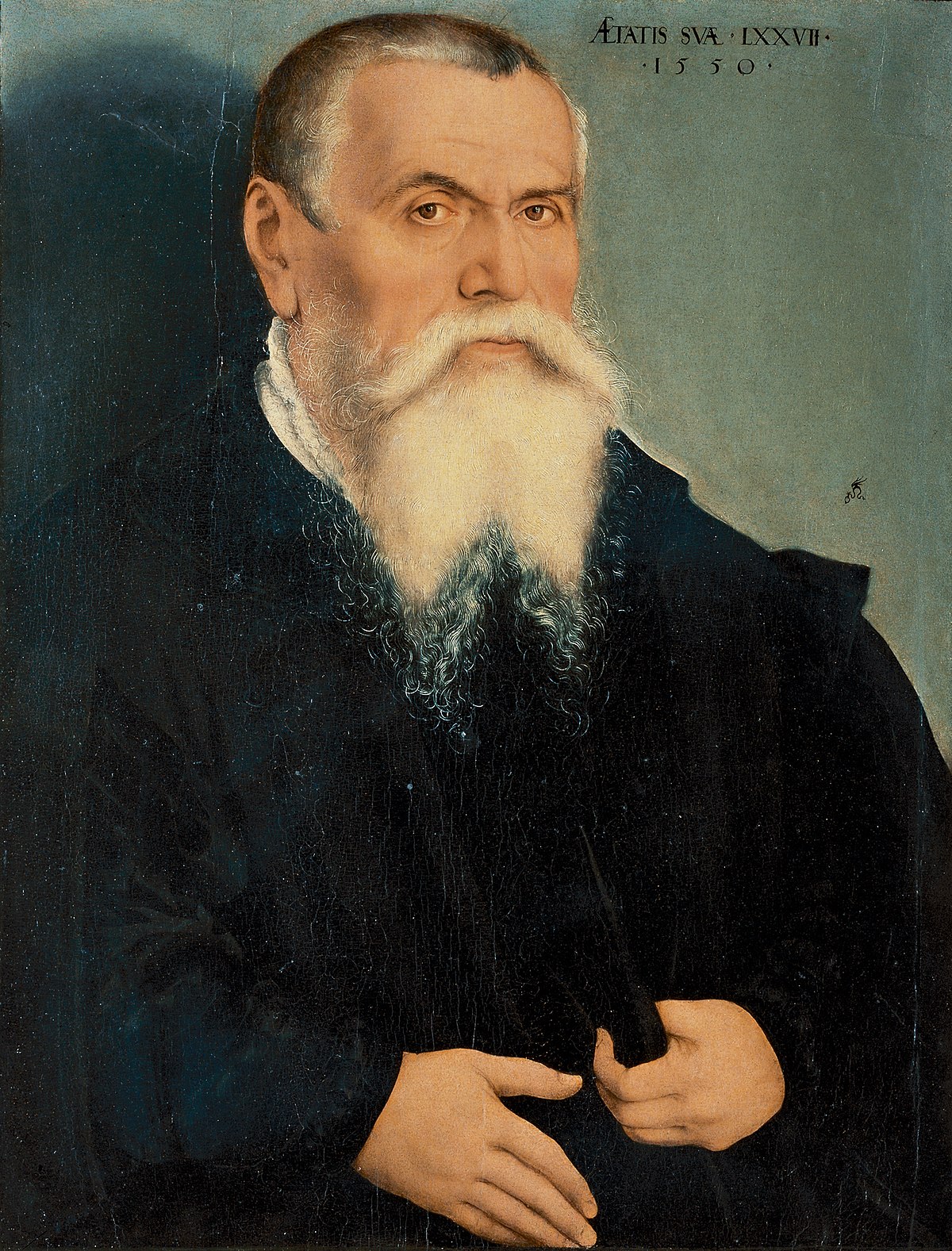
Lucas Cranach the Elder’s “Portrait of Johann Friedrich the Magnanimous,” painted in 1509, is more than just a depiction of a young boy; it's a carefully constructed tableau brimming with symbolism and reflecting the burgeoning artistic and political landscape of Renaissance Saxony. This intimate portrait, measuring a modest 42 x 31 cm, offers a rare glimpse into the life of Johann Friedrich, a future Elector destined to inherit the weighty responsibilities of his lineage. The painting’s immediate impact lies in its arresting directness – the boy, rendered with remarkable realism and youthful vitality, meets the viewer's gaze head-on, an unusual convention for portraits of the era which typically favored a three-quarter turn. This bold choice immediately establishes a connection, inviting us into his world.
The Elector’s Heir: Context and Symbolism
Painted during a period of intense political maneuvering within Saxony, this portrait is inextricably linked to the ambitions of Frederick III, the Elector. Johann Friedrich was deliberately presented as a figure of considerable importance – elevated in the composition and positioned closer to the viewer than his father, a deliberate strategy designed to project an image of future power and authority. The inclusion of the gold cross on the boy’s chest is particularly significant; it's a potent symbol of Christian faith and royal legitimacy, reinforcing his claim to the throne. The background subtly reinforces this narrative: the birds, often associated with nobility and divine protection, and the clock – a tangible representation of time and the passage of power – contribute to a carefully orchestrated visual argument about Johann Friedrich’s destined role.
Furthermore, Cranach's decision to portray the young Elector in such a strikingly youthful manner is noteworthy. It deviates from the typical somber depictions of rulers prevalent at the time, suggesting a deliberate effort to cultivate an image of hope and vitality for the future of Saxony. The slightly ambiguous object held in his hand – speculated to be a knife or dagger – adds a layer of complexity, hinting at both youthful innocence and nascent responsibility.
Craftsmanship and Technique
Cranach’s mastery is evident in every detail of this portrait. Executed in oil on wood panel, the painting showcases his meticulous attention to texture and light. The boy's blonde hair is rendered with a delicate realism, capturing the subtle variations in tone and sheen. The rich green of his clothing contrasts beautifully with the darker background, drawing the eye directly to the subject. Cranach’s use of sfumato – a technique involving subtle gradations of color and tone – creates an atmospheric depth that softens the edges and lends the portrait a sense of immediacy. It's a testament to his skill that this relatively small painting possesses such remarkable presence.
A Window into the Renaissance
“Portrait of Johann Friedrich the Magnanimous” is not merely a likeness; it’s a carefully constructed statement about power, faith, and legacy. It offers a valuable insight into the artistic conventions and political realities of 16th-century Saxony. As part of a diptych depicting both future electors, this portrait stands as a powerful symbol of dynastic continuity and the enduring allure of Renaissance portraiture. Today, through ArtsDot’s meticulously crafted hand-painted reproductions, we can appreciate the artistry and historical significance of this captivating masterpiece, bringing its timeless beauty into our homes and collections.
作品詳細
- 作品名: Portrait of Johann Friedrich the Magnanimous
- 作家: ルイス・クラナッハの長老
- 制作年: 1509
- 作品サイズ: 42.0 x 31.0 cm
- 技法: Portrait
- 著作権の状態: パブリックドメイン
- 展示場所: ナショナル・ギャラリー
- 技法・素材: WallArt
- 制作時期: Mature Period
- コーパスの文脈: portraiture , german renaissance
作品詳細
- Influences: South German masters
- Medium: Oil on wood
- Location: National Gallery, London
- Movement: German Renaissance
- Dimensions: 42 x 31 cm
- Artistic style: Portraiture, Psychological
- Artist: Lucas Cranach the Elder
QRコード


