

 プレビュー
プレビュー
 プリントを購入
 シェアする
シェアする シェアする
シェアする
 詳細を見る
詳細を見る

 ダウンロード
 似ている作品
 X線調査
X線調査 スライドショー
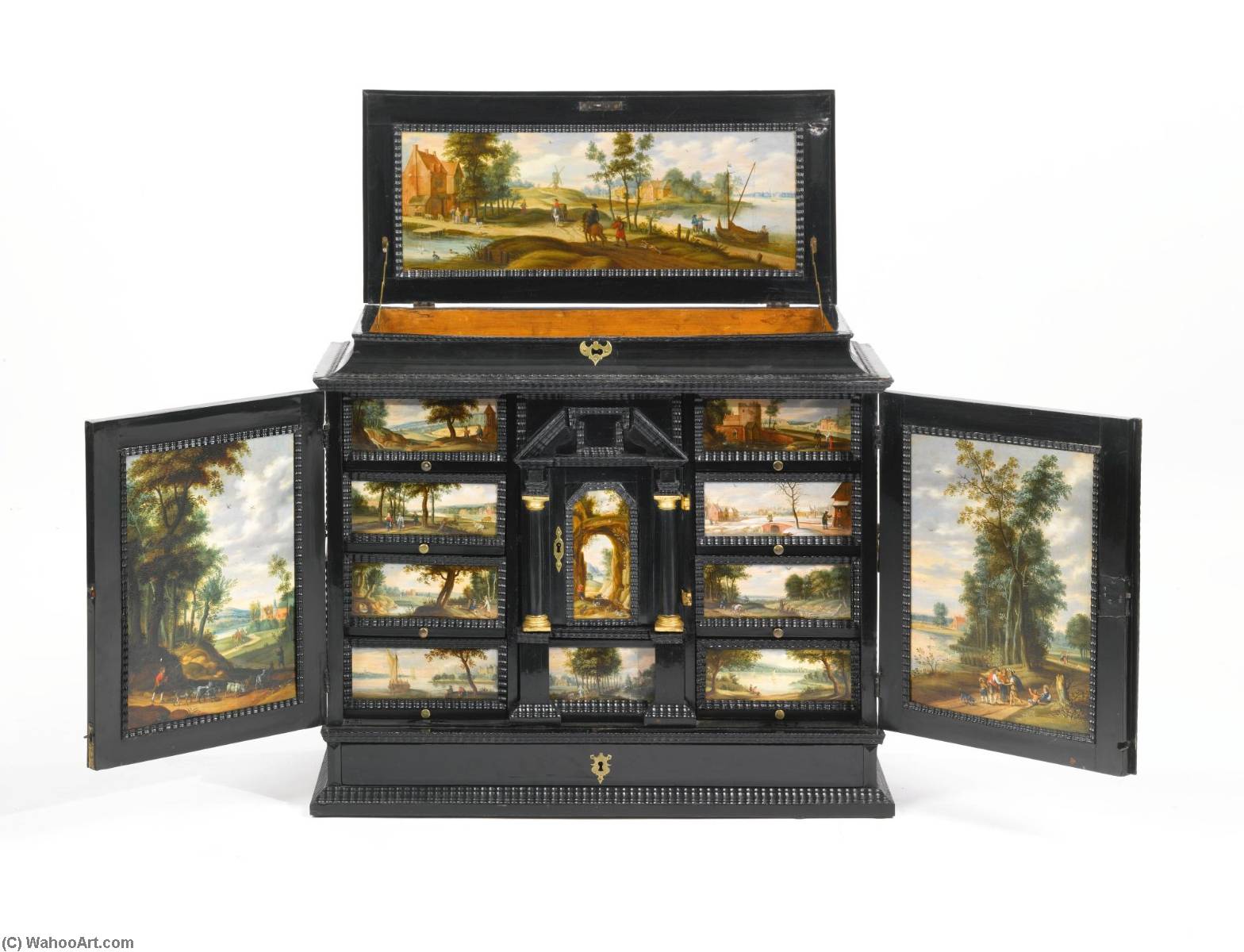
A late Renaissance Antwerp ebony veneered cabinet, circa 1645, with village landscapes and scenes from daily life
 83.0 x 38.0 cm
 詳細を見る
詳細を見る




































作品のオリジナル比率に合わせた、当店の規定サイズからお選びください。

特定のフレームやスペースに合わせて、ご希望のサイズをご入力いただけます。選択されたサイズが元の画像の比率と異なる場合、アートワークをトリミングするか、手描きで要素を追加して絵画を拡張いたします。デジタルモックアップ を制作し、制作開始前にご確認(承認)をいただきます。
画面上のプレビューは、実際のトリミングや拡張を正確に反映しているものではありません。最終的な構図は、モックアップによってのみ正確にご確認いただけます。
カスタムサイズもご利用いただけますが、元の比率を維持するためには、あらかじめ用意されたリストからサイズを選択することをお勧めいたします。
ご注文後、ArtsDot.com チームより詳細な指示をお送りするとともに、仕上がりイメージ(モックアップ)をご提供いたします。


 ガラスオプションは、110cm未満のサイズでのみご利用いただけます。

A late Renaissance Antwerp ebony veneered cabinet, circa 1645, with village landscapes and scenes from daily life
複製技法
複製画のサイズ
-


合計金額
$ 263
関連作品





アーティストの略歴
Isaac van Oosten: Painter of Tranquility and Biblical Echoes
Isaac van Oosten (1613 – 1661) remains a figure shrouded in relative obscurity compared to his contemporaries, Jan Brueghel the Elder and Peter Paul Rubens. Yet, within the artistic landscape of Antwerp during the Dutch Golden Age, he carved out a distinctive niche—a serene mastery of landscape painting infused with profound religious symbolism. His canvases whisper tales of biblical narratives rendered with meticulous detail and bathed in an ethereal light that transcends mere observation.
Little is definitively known about his formative years. Born into a family involved in the art trade, he apprenticed under his father, who himself was a respected guild master—a circumstance that ensured access to artistic training but simultaneously limited formal documentation. The Guild of Saint Luke’s reluctance to record membership details contributes to this enigmatic aura surrounding his early life.
Despite initial hesitation regarding guild affiliation, Van Oosten eventually secured admittance in 1652 and continued his artistic pursuits for approximately a decade. This relatively brief involvement with the guild underscores the importance of patronage—likely from wealthy Antwerp families—which fueled his creative output.
The Landscape Style of Antwerp
Van Oosten’s artistic vision was firmly rooted in the prevailing landscape style of Antwerp, which emerged during the mid-17th century. Influenced heavily by Jan Brueghel the Elder, he embraced a technique characterized by expansive vistas populated with carefully rendered trees and ponds—a stylistic hallmark that distinguishes him from artists focused on denser forest scenes. This approach prioritized tranquility and contemplation, mirroring the humanist ideals of the era.
His compositions eschewed dramatic contrasts of light and shadow, favoring instead an even illumination that conveyed a sense of serenity. The artist’s meticulous attention to detail—particularly in depicting flora and fauna—was remarkable. He skillfully utilized copper panels, which provided exceptional surface smoothness allowing for unparalleled precision in capturing textures and colors.
Biblical Narratives Illuminated
Perhaps Van Oosten's most enduring legacy lies in his masterful depiction of biblical themes. Recurring motifs included *The Garden of Eden* and *The Creation of the Animals*, narratives that had gained prominence thanks to Jan Brueghel the Elder’s pioneering explorations of religious iconography. These scenes weren’t merely decorative; they served as vehicles for conveying moral lessons—a testament to the artist's engagement with humanist philosophy.
Collaboration was integral to Van Oosten’s artistic process. Willem van Herp frequently contributed staffage figures – human subjects – to his landscapes, enhancing the narrative dimension of his paintings. Notably, he partnered with Pieter van Avont and Jan Wildens on monumental panels depicting *The Four Elements*, demonstrating a commitment to ambitious projects that showcased both technical skill and imaginative vision.
Notable Works and Legacy
Among Van Oosten’s celebrated canvases are *Landscape with the Ruins of an Abbey* animated with figures, housed in museums across Europe—including the Uffizi Gallery and Museo del Prado. These works exemplify his distinctive style and underscore his contribution to the Antwerp school of landscape painting.
His influence extended beyond stylistic considerations; Van Oosten’s meticulous observation of nature and his ability to infuse biblical narratives with visual richness solidified his place as a pivotal figure in 17th-century Flemish art. Although overshadowed by more flamboyant contemporaries, Isaac van Oosten's canvases continue to captivate viewers with their quiet beauty and profound spiritual resonance—a testament to the enduring power of understated artistic excellence.
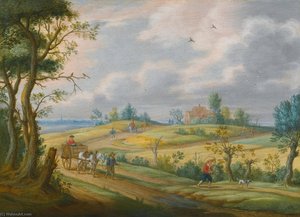
isaac van oosten
1613 - 1661
基本情報
- Artistic Movement Or Style: Baroque Landscape Painting
- Artists Or Movements Influenced By This Artist: ['Jan Brueghel the Younger']
- Artists Who Influenced This Artist: ['Jan Brueghel the Elder']
- Date Of Birth: December 10, 1613
- Date Of Death: December 1661
- Full Name: Isaac van Oosten
- Nationality: Flemish
- Notable Artworks: ['Landscape with Ruins of Abbey']
- Place Of Birth: Antwerp, Belgium