 プレビュー
プレビュー
 プリントを購入
 シェアする
シェアする シェアする
シェアする
 詳細を見る
詳細を見る

 ダウンロード
 似ている作品
 X線調査
X線調査 スライドショー
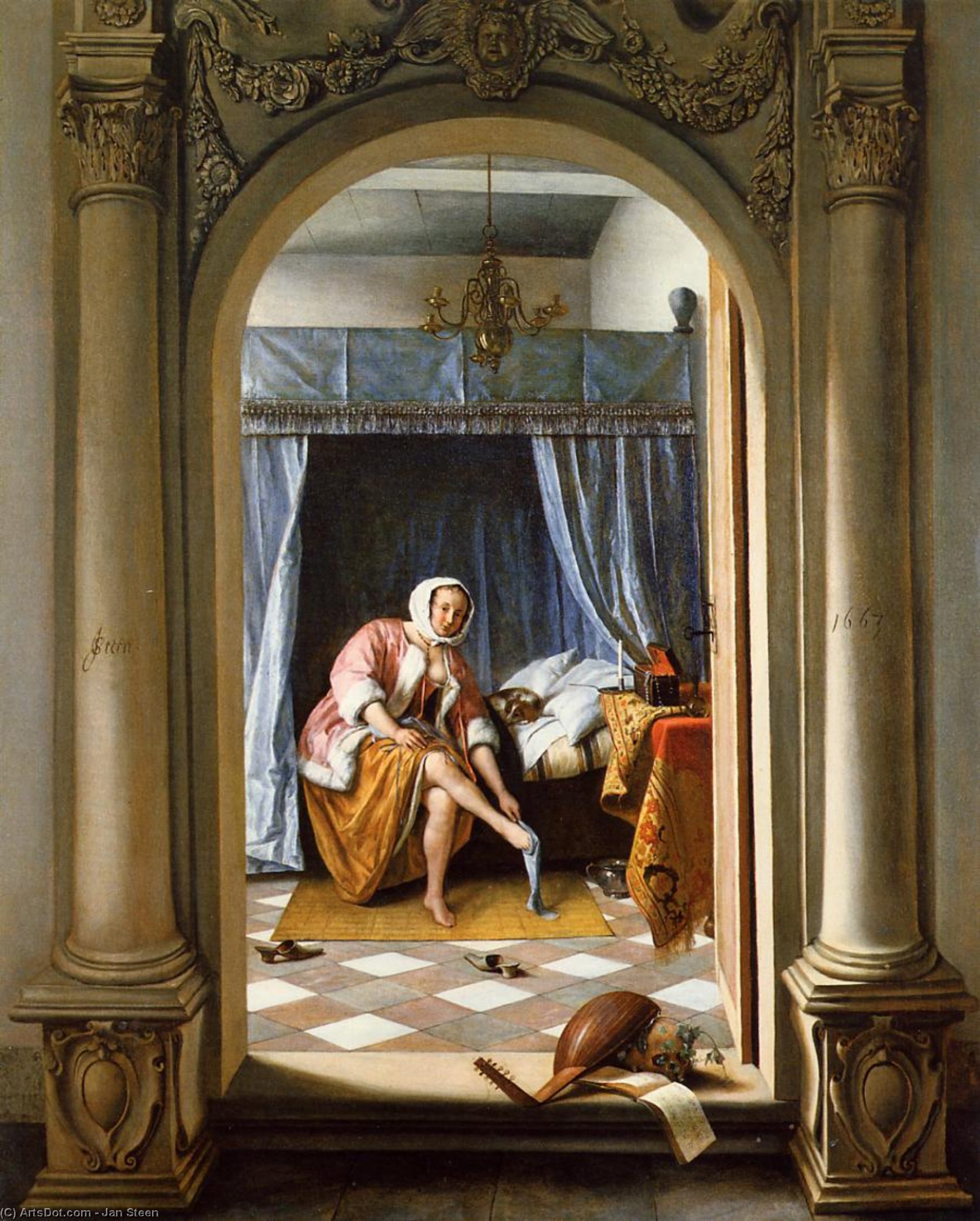
Woman at Her Toilet
 Oil On Canvas
- WallArt
- Baroque
 1663
1663- Early Modern
 53.0 x 64.0 cm
 詳細を見る
詳細を見る




P118B $10

P118H $10

P118W $10

P438Z $10

P508JH $12

P508YH $12

P805H $10

P805Z $10

P919BZ $10

P919G $10

P919XJ $10

P959ZH $10

P968JZ $12

W106C $8

W218G $10

W218JH $8

W218Y $10

W307PJ $10

W316G $10

W316PJ $8

W316Y $10

W398PJ $8

W4111J $10

W500HY $15

W500JH $15

W692G $12

W849H $8

W940BG $15

W953PJ $8




作品のオリジナル比率に合わせた、当店の規定サイズからお選びください。

特定のフレームやスペースに合わせて、ご希望のサイズをご入力いただけます。選択されたサイズが元の画像の比率と異なる場合、アートワークをトリミングするか、手描きで要素を追加して絵画を拡張いたします。デジタルモックアップ を制作し、制作開始前にご確認(承認)をいただきます。
画面上のプレビューは、実際のトリミングや拡張を正確に反映しているものではありません。最終的な構図は、モックアップによってのみ正確にご確認いただけます。
カスタムサイズもご利用いただけますが、元の比率を維持するためには、あらかじめ用意されたリストからサイズを選択することをお勧めいたします。
ご注文後、ArtsDot.com チームより詳細な指示をお送りするとともに、仕上がりイメージ(モックアップ)をご提供いたします。


 ガラスオプションは、110cm未満のサイズでのみご利用いただけます。

Woman at Her Toilet
複製技法
複製画のサイズ
-


合計金額
$ 263
作品解説
An Intimate Glimpse into the Dutch Golden Age
In the quiet, sun-dappled corners of seventeenth-century domesticity, Jan Steen captured moments that felt both profoundly ordinary and deeply poetic. His masterpiece, "Woman at Her Toilet," painted in 1663, invites the viewer into a private sanctuary, a space where the boundaries between the mundane and the monumental blur. As we gaze upon this exquisite Baroque composition, we are not merely observing a woman preparing for her day; we are witnessing a masterclass in the art of storytelling through light and shadow. The subject sits with a graceful, contemplative stillness, her legs crossed and a soft towel draped over her shoulder, her downward gaze suggesting a mind lost in the quiet rhythms of thought or perhaps focused on a small, unseen detail upon the floor.
The atmosphere of the room is thick with the lived-in charm characteristic of Steen’s genius. To the right, the presence of a bed hints at the intimacy of the chamber, while a dining table near the center anchors the composition, grounding the scene in the reality of daily life. Every element, from the placement of the second chair to the humble bottle resting on the floor, serves as a silent narrator, whispering tales of personal hygiene, morning rituals, and the quiet dignity found in the simplest of human actions. For the discerning collector or interior designer, this piece offers more than just visual beauty; it provides a window into an era where every object held potential symbolic weight.
Mastery of Technique and Baroque Elegance
Steen’s technical prowess is on full display through his sophisticated use of oil on canvas. The painting is a triumph of the Baroque style, utilizing a rich, warm palette that breathes life into the textures of fabric, wood, and skin. His ability to manipulate light is nothing short of transformative; it does not merely illuminate the scene but sculpts it, creating a sense of three-dimensional depth that draws the eye deep into the room. The way the light catches the folds of the towel and the subtle sheen of the surfaces creates a tactile experience, making the viewer feel as though they could reach out and touch the very air of the Dutch interior.
Beyond the surface beauty, there is a profound psychological depth to the work. While many of his contemporaries sought to depict grand historical or mythological triumphs, Steen found his muse in the everyday. He possessed a unique ability to infuse domestic scenes with a touch of subtle humor and moral reflection, often using small details to comment on the human condition. In "Woman at Her Toilet," this manifests as a serene, almost meditative quality. The painting avoids the chaotic energy sometimes found in his tavern scenes, opting instead for a refined elegance that resonates with modern sensibilities of mindfulness and introspection.
A Timeless Addition to the Sophisticated Interior
For those looking to curate a space filled with history and soul, a high-quality reproduction of this work serves as an incomparable focal point. The painting’s themes of domesticity and personal ritual remain strikingly relevant in our fast-paced modern world, offering a sense of calm and continuity. Its rich textures and deep, evocative tones make it a versatile choice for various interior styles—from the classic grandeur of a traditional study to the curated warmth of a contemporary living space.
Owning a piece that evokes the spirit of Jan Steen is an opportunity to surround oneself with the enduring legacy of the Dutch Golden Age. It is an investment in an atmosphere of elegance, a way to bring the quiet, luminous beauty of 1663 into the heart of a modern home. Whether as a conversation starter for guests or a private source of inspiration, this artwork stands as a testament to the power of art to elevate the ordinary into the extraordinary.
関連作品
アーティストの略歴
ヤン・ハヴィクソン・ステーンの生涯と芸術
ヤン・ハヴィクソン・ステーン(1626年 – 1679年)は、オランダ黄金時代の画家として、日常生活に内在する活気とユーモアをとらえることに重点を置きました。神話や歴史的な肖像画に焦点を当てた多くの同時代作家とは異なり、ステーンは農家、居酒屋の集まり、学校など、心理的な洞察力と微妙な道徳的教訓が込められた日常生活を描くことに専念しました。この独特のアプローチは、彼を時代の最も独創的な声の一つとして確立し、バロック美術に大きな影響を与えました。 オランダのライデンで生まれたステーンの初期の芸術教育は、当時の基準からするとやや型破りでした。彼は、肖像画や風景画で知られる画家であるヘンドリック・ヤコブス・ストッフェルスに師事し、基礎的なスキルを提供しましたが、後に彼自身の独特なスタイルを形作る伝統にも触れました。しかし、ステーンはすぐに独立したビジョンを発展させ、ますます隆盛していた芸術運動であるジャンル絵画—新興の芸術運動—をより名誉ある主題よりも優先しました。この決定は、現実主義を重視し、関連性の高い文脈で人間の関係の複雑さを描くという広範な文化的変化を反映しています。 ステーンの作品の特徴は、キャンバスに感情的なインパクトと深みを与える劇的な照明技術であるキアロスクーロの巧みな使用です。彼は日常生活の詳細—衣服、家具、表情—を驚くほど正確に観察しました。しかし、ステーンは単に現実を記録しているわけではありませんでした。彼は視覚的な手がかりを巧みに用いて道徳的メッセージを伝えました。彼の絵画には、しばしば些細な活動に従事する人物が描かれています—スカトルプレイヤー、畑を耕す農民—しかしこれらのシーンには象徴的な意味合いが含まれており、敬虔さ、愚かさ、人間の行動の結果について視聴者に考えさせます。「居酒屋の外のスカトルプレイヤー」(1663年)を考えてみましょう。そこでは活気のあるゲームが素朴なインテリアの背景で繰り広げられ、節度と社会的責任の重要性を微妙に思い出させてくれます。芸術的発展と影響
ステーンのキャリアは、初期の作品から徐々に成熟したスタイルへと進化しました。彼の初期の絵画は、しばしばより抑制された色使いと構成が特徴でしたが、時間の経過とともに、彼は大胆な色彩、ダイナミックな構図、そして日常生活におけるドラマチックな瞬間を捉える能力を発展させました。この進化は、彼が同時代の画家からの影響を受けながらも、独自の芸術的ビジョンを追求した結果でした。 ステーンの作品に影響を与えた重要な画家の一人は、ピーテル・ブリューゲルです。ブリューゲルの農民の生活を描いた絵画は、ステーンにジャンル絵画における物語性と風刺の可能性を示唆しました。また、レンブラントの影響も無視できません。レンブラントのキアロスクーロの使用と心理的な洞察力は、ステーンの作品にも見られますが、ステーンはより明るく色彩豊かなパレットとユーモラスな表現を好みました。 彼の影響は同時代の人々にまで及びました。ステーンの革新的なスタイルはヨーロッパ中の芸術家に共鳴し、特にフランスではバロック画家の感情的に充電された構成を作成するための技術を採用しました。ニコラ・スストリスやレンブラントのような芸術家は、単純なシーンの中で心理的なニュアンスを伝えるステーンの能力に感銘を受けました—バロック美学の特徴です。ブルージュのメムリング美術館には、ステーンの絵画の見事なコレクションが収蔵されており、訪問者は彼の芸術的業績の広さと深さを比類のない方法で理解することができます。主要作品とテーマ
ステーンの最も有名な作品には、「洗礼者ヨハネの説教」(1653年)と「厳しい教師」(1668年)があります。「洗礼者ヨハネの説教」は、ステーンが光と色彩を劇的に使用して、村人たちが神の啓示のメタファーである輝く太陽光に照らされて洗礼者ヨハネの説教に熱心に耳を傾ける重要な聖書の瞬間をとらえる様子を示しています。同様に、「厳しい教師」は緊張感とユーモアに満ちた教室のシーンを描いており、教育者が若い心を形作る際に直面する課題を強調しています。ステーンの細部へのこだわりと心理的なリアリズムは、この一見ありふれた主題を高め、人間の本性と道徳的責任に関する深い考察へと昇華させます。 ステーンの作品には、しばしば道徳的なテーマが織り込まれています。彼は、日常生活における人間の愚かさや欠点を描くことで、視聴者に自己反省を促し、より高潔な行動をとるように促しました。彼の絵画は、単なる娯楽ではなく、教訓的な目的を持っていました。歴史的意義と遺産
ヤン・ハヴィクソン・ステーンの遺産は、今日でも誠実さと感情的な共鳴を追求する芸術家たちにインスピレーションを与え続けています。彼はオランダの芸術革新—日常生活の美しさと複雑さを祝いながらも貴重な道徳的教訓を伝える画家—の永続的な象徴であり、バロック美術史における彼の地位を確固たるものにしました。 ステーンは、同時代の他の画家とは異なり、神話や歴史的な出来事に焦点を当てるのではなく、日常生活を描くことに専念しました。この独特のアプローチは、ジャンル絵画の重要性を高め、オランダ黄金時代における芸術的表現の多様性に貢献しました。彼の作品は、人間の本性、社会規範、そして道徳的責任に関する貴重な洞察を提供し、今日でも視聴者を魅了し続けています。ステーンの絵画は、世界中の美術館や個人コレクションに収蔵されており、彼の芸術的業績を後世に伝える役割を果たしています。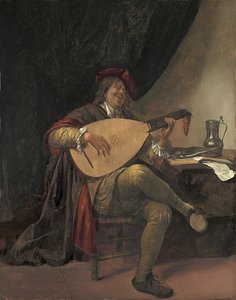
ヤン・ハヴィクスゾーン・ステーン
1626 - 1679 , 日本国
基本情報
- Artistic Movement Or Style: オランダ黄金時代のジャンル画
- Artists Or Movements Influenced By This Artist: バロック美術
- Artists Who Influenced This Artist: ['ヘンドリック・ヤコブス・ストッフェルス']
- Date Of Birth: 1626年
- Date Of Death: 1679年
- Full Name: ヤン・ハヴィクソン・ステーン
- Nationality: オランダ人
- Notable Artworks:
- 洗礼者ヨハネの説教
- 居酒屋の外で遊ぶ人々
- 厳しい教師
- Place Of Birth (City And Country): オランダ、ライデン
関連記事
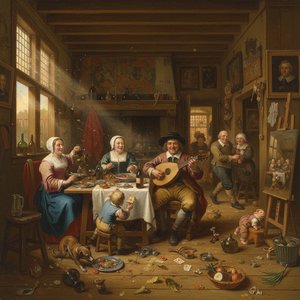
Jan Steen: A Master of Dutch Genre Painting & the Golden Age
Explore the life & art of Jan Steen, a leading Dutch Golden Age painter renowned for his humorous genre scenes & insightful social commentary. Discover his techniques, legacy, and collecting tips.

黄金世紀の巨匠たち:バロック絵画が彩る10選|ArtsDot
オランダ黄金時代の10大傑作を紐解く!レンブラント、フェルメール…バロック絵画の魅力と時代背景を深く探求。ArtsDotで、至高のアートコレクションと空間演出のヒントを見つけよう。高品質なアートプリントで、お部屋を華やかに。

Golden Age Reflections: Dutch Baroque Painting & Cultural Innovation
Explore the Dutch Golden Age of painting! Discover key artists like Vermeer & ter Borch, their innovative techniques, and the rich cultural context behind these Baroque masterpieces. Learn about collecting & appreciating this iconic art period.

Dutch Baroque Masters: 10 Paintings That Shaped an Era | ArtsDot
Journey through the Golden Age with our guide to the Top 10 Dutch Baroque masterpieces! Explore iconic paintings by Rembrandt, Vermeer & Frans Hals. Find museum-quality art reproductions and elevate your home decor at ArtsDot.com.

Illuminating Innovation: Exploring the Dutch Golden Age of Painting
Explore the Dutch Golden Age of painting with ArtsDot. Discover Rembrandt, Vermeer & other Masters. Learn about key characteristics, iconic artworks, and lasting influence. Expert insights for collectors & enthusiasts.