

 プレビュー
プレビュー
 プリントを購入
 シェアする
シェアする シェアする
シェアする
 詳細を見る
詳細を見る

 ダウンロード
 似ている作品
 X線調査
X線調査 スライドショー
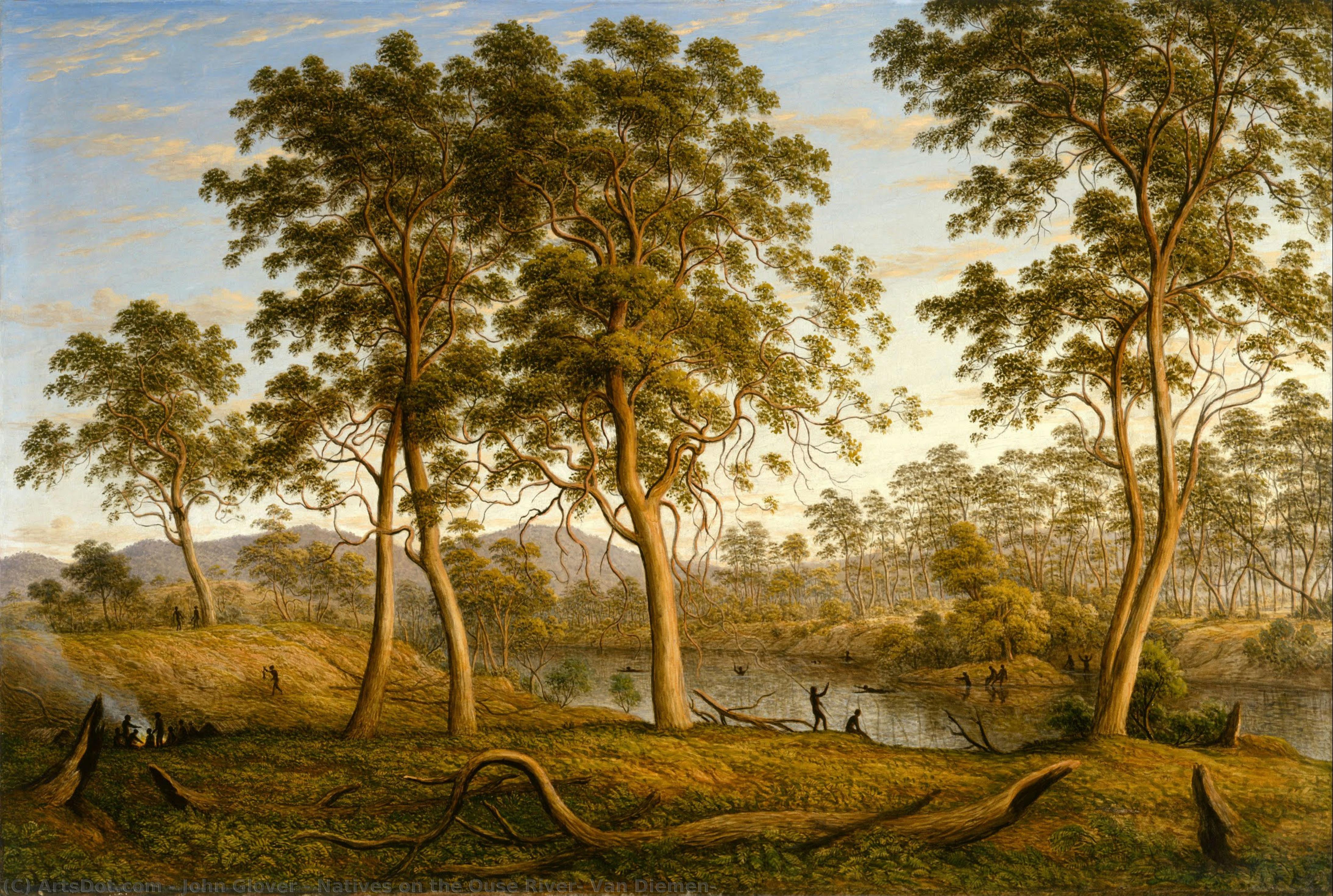
Natives on the Ouse River, Van Diemen
 Oil
Oil- WallArt
- Romantic Landscape Painting
 1838
1838- 19th Century
 106.0 x 143.0 cm
 アートギャラリーオブニューサウスウェルス
 詳細を見る
詳細を見る




P118B $10

P118H $10

P118W $10

P438Z $10

P508JH $12

P508YH $12

P805H $10

P805Z $10

P919BZ $10

P919G $10

P919XJ $10

P959ZH $10

P968JZ $12

W106C $8

W218G $10

W218JH $8

W218Y $10

W307PJ $10

W316G $10

W316PJ $8

W316Y $10

W398PJ $8

W4111J $10

W500HY $15

W500JH $15

W692G $12

W849H $8

W940BG $15

W953PJ $8




作品のオリジナル比率に合わせた、当店の規定サイズからお選びください。

特定のフレームやスペースに合わせて、ご希望のサイズをご入力いただけます。選択されたサイズが元の画像の比率と異なる場合、アートワークをトリミングするか、手描きで要素を追加して絵画を拡張いたします。デジタルモックアップ を制作し、制作開始前にご確認(承認)をいただきます。
画面上のプレビューは、実際のトリミングや拡張を正確に反映しているものではありません。最終的な構図は、モックアップによってのみ正確にご確認いただけます。
カスタムサイズもご利用いただけますが、元の比率を維持するためには、あらかじめ用意されたリストからサイズを選択することをお勧めいたします。
ご注文後、ArtsDot.com チームより詳細な指示をお送りするとともに、仕上がりイメージ(モックアップ)をご提供いたします。


 ガラスオプションは、110cm未満のサイズでのみご利用いただけます。

Natives on the Ouse River, Van Diemen
複製技法
複製画のサイズ
-


合計金額
$ 263
John Glover’s “Natives on the Ouse River, Van Diemen” – A Pioneer of Australian Landscape Painting
John Glover (1767-1849) stands as a monumental figure in the annals of Australian art history—often hailed as "the father of Australian landscape painting." His artistic journey began modestly in Leicestershire, England, where he honed his skills as a drawing master and embraced both oil and watercolor mediums. However, it was his emigration to Tasmania in 1831 at the age of sixty-four that cemented his legacy, transforming him into one of the foremost practitioners of Romantic landscape painting within the burgeoning colonial frontier. This pivotal move allowed Glover to immerse himself in the untamed beauty of Van Diemen’s Land—now Tasmania—inspiring a distinctive visual language that continues to resonate today.- Subject Matter: Glover's “Natives on the Ouse River” captures a quintessential scene from Tasmania’s early colonial era: Indigenous Australians engaging in everyday activities alongside the serene waters of the Ouse River. The painting eschews grand vistas and theatrical compositions, favoring instead a quiet intimacy that reflects Glover’s profound connection to his surroundings.
- Style & Technique: Influenced by Claude Lorrain—a celebrated French landscapist whose works championed idealized depictions of Arcadia—Glover adopted a luminous technique characterized by soft brushstrokes and subtle tonal gradations. He skillfully employed atmospheric perspective, layering colors to convey depth and creating an ethereal quality that evokes the tranquility of the Tasmanian bushland.
- Historical Context: Painted in 1838, “Natives on the Ouse River” emerges from a complex period marked by escalating tensions between Indigenous Australians and European settlers. The painting subtly underscores the clash of cultures—the encroaching influence of colonial expansion juxtaposed against the enduring presence of Aboriginal traditions. Glover’s depiction aligns with broader Romantic ideals that championed harmony between humanity and nature, albeit viewed through the lens of an evolving colonial narrative.
- Symbolism: Beyond its aesthetic beauty, “Natives on the Ouse River” carries symbolic weight. The painting embodies Glover's belief in the inherent dignity and resilience of Indigenous Australians—a sentiment that speaks to a larger conversation about reconciliation and acknowledging Australia’s history. Furthermore, the depiction of the landscape itself symbolizes unspoiled wilderness—a visual testament to the untouched grandeur of Tasmania before European settlement.
- Emotional Impact: Glover's masterful execution transmits an overwhelming sense of serenity and contemplation. The painting invites viewers to immerse themselves in a moment of stillness, fostering appreciation for the sublime beauty of the natural world and prompting reflection on humanity’s relationship with its environment.
Provenance & Recognition
The artwork resides at Naala Nura, Grand Courts, Sydney, Australia. It was purchased with assistance from Mr and Mrs J K Bain in 1985. “Natives on the Ouse River” has been featured prominently in six exhibitions showcasing Glover’s oeuvre—most notably "Bazaar and exhibition of pictures" held at Cornwell Assembly Rooms in 1851, where it garnered critical acclaim for its pioneering approach to landscape painting. It was also included in “Exhibition of works of art” at Launceston Mechanics Institute in 1860, cementing Glover’s position as a visionary artist ahead of his time.Further Exploration
“Natives on the Ouse River” is referenced in thirty-six publications documenting Glover's artistic achievements and contributions to Australian art history. Erica Burgess’s “John Glover and the Colonial Picturesque” delves into the influence of Claude Lorrain on Glover’s stylistic choices, analyzing his masterful use of light and color—a hallmark of Romantic landscape painting. The artwork is also featured in "Great gifts, great patrons" at Art Gallery of New South Wales in 1994, highlighting its significance within the broader context of Victorian art patronage. Finally, “Australian Collection Focus: John Glover Natives on the Ouse River, Van Diemen’s Land” examines Glover's artistic legacy through a contemporary lens—underscoring his enduring relevance as an artist who captured the spirit of Tasmania and championed the sublime beauty of its wilderness.関連作品
アーティストの略歴
Early Life and Artistic Foundations
John Glover, born February 18, 1767, in the tranquil Leicestershire countryside of England, possessed an innate artistic sensibility that blossomed early in life. From humble beginnings as the youngest son of a farming family at Houghton-on-the-Hill, young John demonstrated a remarkable talent for both drawing and calligraphy. This skill led to his appointment as a writing master at the Free School in Appleby, a position that provided him with a stable foundation while nurturing his burgeoning artistic inclinations. It was during this period that Glover began to explore painting in both oil and watercolour, receiving instruction from notable artists of the time such as William Payne and potentially John 'Warwick' Smith. These early lessons instilled within him a deep appreciation for picturesque views and a dedication to capturing the beauty of the natural world through sketching tours – a practice that would define his artistic journey for decades to come. He quickly developed an eye for composition, light, and atmosphere, skills he honed while meticulously documenting the landscapes around him.A Rising Star in the British Art World
Glover’s dedication and talent did not go unnoticed. In 1805, he became a member of the prestigious Old Water Colour Society, quickly ascending to the position of president in 1807. This marked a significant turning point in his career, solidifying his reputation within the British art establishment. He exhibited extensively at both the Royal Academy and the Society of British Artists, showcasing his evolving style and captivating audiences with his romantic landscapes. Glover became particularly known for what were termed “Italianate” scenes – not literal depictions of Italy, but rather idealized visions of Britain and Southern Europe infused with a distinctly classical sensibility. His work drew heavily from the influence of Claude Lorrain, earning him the affectionate moniker "the English Claude." This comparison was apt; like his admired predecessor, Glover masterfully employed luminous skies, harmonious compositions, and an overall sense of idyllic beauty in his paintings. By 1820, he had established his own gallery in London, a testament to his growing success and artistic independence.A New World, A Transformed Vision
In 1831, at the age of sixty-four, John Glover made a bold decision that would irrevocably alter both his life and his art: he emigrated with his family to Van Diemen’s Land (now Tasmania), Australia. This was not merely a relocation; it was a leap into the unknown, driven by a desire for new opportunities and a fascination with the untamed beauty of the Antipodes. Upon arrival, Glover acquired a substantial land grant at Mills Plains, which he christened Patterdale after a cherished location in the Lake District – a poignant reminder of his English roots. However, Australia was unlike anything he had ever encountered. The landscape demanded a new approach, and Glover responded with remarkable adaptability. He gradually moved away from the idealized romanticism of his earlier work, embracing a more naturalistic and atmospheric style that reflected the unique qualities of the Tasmanian environment. His palette underwent a transformation, incorporating olive greens, ochres, misty greys, and intense blues to capture the distinctive light and atmosphere of the Australian bush, particularly the majestic eucalyptus trees.Legacy as the “Father of Australian Landscape Painting”
Glover’s pioneering depictions of the Australian landscape cemented his place in art history. Notable works such as "Launceston and the River Tamar," "At Matlock - mist rising," and perhaps most significantly, "Natives on the Ouse River, Van Diemen’s Land" stand as testaments to his artistic vision and historical importance. “Natives on the Ouse River” is particularly noteworthy for its reflection of European perceptions of an idyllic Antipodean landscape, a complex portrayal that invites critical examination. He is rightfully considered the "father of Australian landscape painting," not simply because he was among the first to depict the continent’s natural beauty, but because he established a new approach – one that moved beyond colonial art styles and embraced the unique character of the land. His influence extended far beyond his lifetime; The John Glover Society was founded to honor his legacy, commissioning a statue in his likeness and awarding an annual prize for Tasmanian landscape paintings. Today, Glover’s paintings are held in major art galleries throughout Australia and internationally, continuing to inspire artists and captivate audiences with their beauty, technical skill, and enduring historical significance. He remains a pivotal figure in the development of Australian art, a testament to the power of artistic vision and the transformative potential of embracing a new world.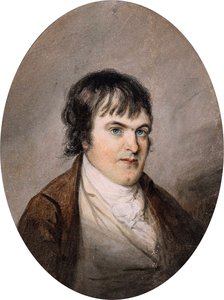
John Glover
1767 - 1849 , United Kingdom
基本情報
- Artistic Movement Or Style: Romanticism, Landscape
- Artists Or Movements Influenced By This Artist: ['Australian Landscape Painting']
- Artists Who Influenced This Artist:
- Claude Lorrain
- William Payne
- John 'Warwick' Smith
- Date Of Birth: Feb 18, 1767
- Date Of Death: Dec 9, 1849
- Full Name: John Glover
- Nationality: British-Australian
- Notable Artworks:
- Launceston & River Tamar
- At Matlock - mist rising
- Natives on the Ouse River
- Place Of Birth: Leicester, UK
関連記事

ジョン・コンスタブルの傑作25選:英国風景画の巨匠が描く自然と光の詩 | ArtsDot
ジョン・コンスタブルの傑作25選。英国風景画の巨匠が描く自然と光の詩の世界へ。ロマン主義を代表する絵画、デダム・ヴェールやヘイ・ウェインなど、ArtsDotで高品質なアートプリントをお楽しみください。インテリアに深みと感動を。コレクションはこちら。
ジョン・シンガー・サージェント:至高の25選 - 美と光の肖像画の世界 | ArtsDot
ジョン・シンガー・サージェントの至高の25選。肖像画、写実主義、光と影の表現が美しい作品群を紐解きます。マダムXや少女の肖像など、時代を超えて愛される名作をArtsDotで鑑賞。高品質なアート複製で、お部屋に美術館のような空間を。今すぐコレクションをご覧ください。

Giclée Prints: Archival Quality & Aesthetic Nuances for the Discerning Collector
Explore the world of giclée prints with ArtsDot. Learn about archival quality, aesthetic nuances & investment potential. Expert guidance for discerning art collectors seeking museum-quality reproductions and lasting value.

ロマン派ランドスケープ:時代を彩る巨匠の10選|アートとインテリアの世界
ロマン派絵画の時代を彩る10選。巨匠たちの風景が織りなす感動の世界へ。ターナー、ルーベンスなど、名作の裏話と高精細複製でアートをお部屋に。ArtsDot.comで至福のアート体験を。

Echoes of Time: Exploring the Enduring Appeal & Historical Context of Vintage Art Prints
Explore the captivating world of vintage art prints! Discover their history, collecting tips & enduring appeal. Expert insights on chromolithography and building a legacy collection with ArtsDot.

