

 プレビュー
プレビュー
 プリントを購入
 シェアする
シェアする シェアする
シェアする
 詳細を見る
詳細を見る

 ダウンロード
 似ている作品
 X線調査
X線調査 スライドショー
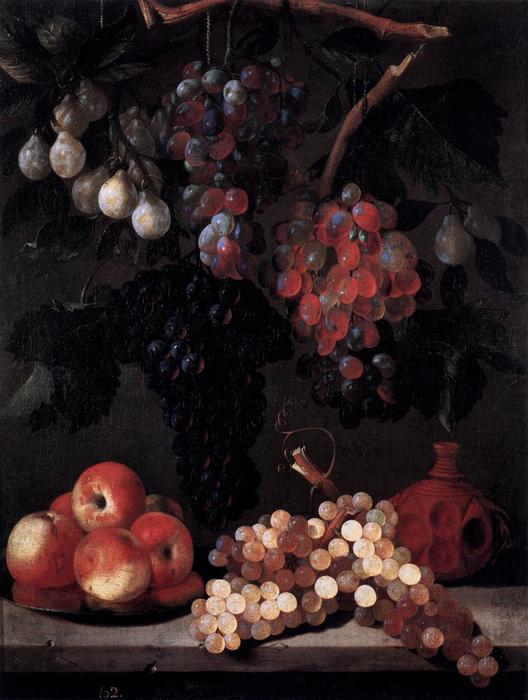
Still-Life of Fruit
 76.0 x 59.0 cm
 プラド美術館
 詳細を見る
詳細を見る




































作品のオリジナル比率に合わせた、当店の規定サイズからお選びください。

特定のフレームやスペースに合わせて、ご希望のサイズをご入力いただけます。選択されたサイズが元の画像の比率と異なる場合、アートワークをトリミングするか、手描きで要素を追加して絵画を拡張いたします。デジタルモックアップ を制作し、制作開始前にご確認(承認)をいただきます。
画面上のプレビューは、実際のトリミングや拡張を正確に反映しているものではありません。最終的な構図は、モックアップによってのみ正確にご確認いただけます。
カスタムサイズもご利用いただけますが、元の比率を維持するためには、あらかじめ用意されたリストからサイズを選択することをお勧めいたします。
ご注文後、ArtsDot.com チームより詳細な指示をお送りするとともに、仕上がりイメージ(モックアップ)をご提供いたします。


 ガラスオプションは、110cm未満のサイズでのみご利用いただけます。

Still-Life of Fruit
複製技法
複製画のサイズ
-


合計金額
$ 263
関連作品









アーティストの略歴
Juan Bautista de Espinosa (1590 – 1641): Bridging Flemish Brilliance and Spanish Baroque
Juan Bautista de Espinosa remains an enigmatic figure in the annals of Spanish Baroque art, largely obscured by confusion surrounding multiple artists sharing his name during a prolific period. Despite scarce biographical details—primarily gleaned from documentation in Madrid between 1608 and 1613—scholars recognize him as a pivotal artist who skillfully blended Flemish influences with distinctly Spanish stylistic sensibilities. His marriage to María de Aranda in 1612 solidified his domestic life, adding a son named Juan to the family lineage. This younger Juan, possibly more celebrated for his still lifes, continued artistic endeavors into 1659, demonstrating a sustained commitment to his craft.Early Life and Training
Information regarding Espinosa’s birthplace is elusive; however, he was born around 1590 in Spain. Precise details about his formative years are scant, reflecting the common practice of artists concealing personal histories during their time. He honed his skills as a gilder, undertaking significant commissions for altarpieces—a vocation that would inform much of his artistic vision and technique. His involvement with the Brotherhood of San Sebastián in Madrid further cemented his connection to religious patronage and established him within the influential artistic circles of the era.Style and Technique: A Flemish Echo
Espinosa’s oeuvre is characterized by a remarkable stylistic kinship with Juan van der Hamen, the Younger—a relationship marked by shared compositional strategies and an unwavering dedication to meticulous realism. Like van der Hamen, Espinosa prioritized order and symmetry in his paintings, meticulously arranging objects within carefully constructed spaces. His masterful use of glazing techniques—particularly translucent layers of pigment—created luminous surfaces that captured subtle tonal variations and imbued his works with a palpable sense of atmosphere. This approach distinguishes him from many contemporaries who favored looser brushstrokes and less nuanced color palettes.Notable Works and Commissions
Espinosa’s artistic output encompassed a diverse range of subjects, predominantly still lifes depicting fruit, flowers, and occasionally silver vessels—a genre that flourished during the Baroque period. He undertook commissions for ecclesiastical institutions, notably valuing the altarpiece of Alcaudete de la Jara, demonstrating his reputation as a respected craftsman and artist. Furthermore, he collaborated with Francisco de Burgos Mantilla on a letter of dowry in 1645, showcasing his involvement within the broader artistic community. His paintings—including “Still Life with Grapes, Flowers and Shells,” “Still-Life of Fruit and a Plate of Olives,” and “Still-Life with Shell Fountain and Flowers”—are housed in prominent museums across Spain, notably the Museo Nacional Prado and Museo de Córdoba, offering invaluable insights into his artistic legacy.Legacy and Historical Significance
Despite the challenges posed by biographical uncertainties, Espinosa’s contribution to Spanish Baroque painting is undeniable. He stands as a crucial link between Flemish realism—particularly van der Hamen's influence—and the evolving aesthetic conventions of Spain during the 17th century. His meticulous attention to detail and his masterful manipulation of light and color elevated still life painting to new heights, establishing him as one of the foremost practitioners of this genre. Today, reproductions of Espinosa’s works continue to captivate audiences worldwide, preserving a testament to his artistic brilliance and enduring fascination with capturing the beauty and fragility of the natural world.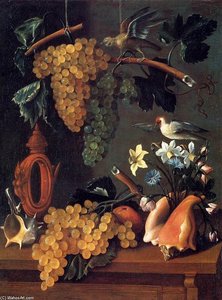
Juan Bautista de Espinosa
1590 - 1641 , Spain
基本情報
- Artistic Movement Or Style: Baroque
- Artists Or Movements Influenced By This Artist: ['Flemish Baroque']
- Artists Who Influenced This Artist: ['Juan van der Hamen']
- Date Of Death: 1641
- Full Name: Juan Bautista de Espinosa
- Nationality: Spanish
- Notable Artworks:
- Still-Life with Grapes, Flowers and Shells
- Still-Life of Fruit and a Plate of Olives
- Still-Life with Shell Fountain and Flowers
- Place Of Birth: Spain

