 プレビュー
プレビュー
 プリントを購入
 シェアする
シェアする シェアする
シェアする
 詳細を見る
詳細を見る

 ダウンロード
 似ている作品
 X線調査
X線調査 スライドショー
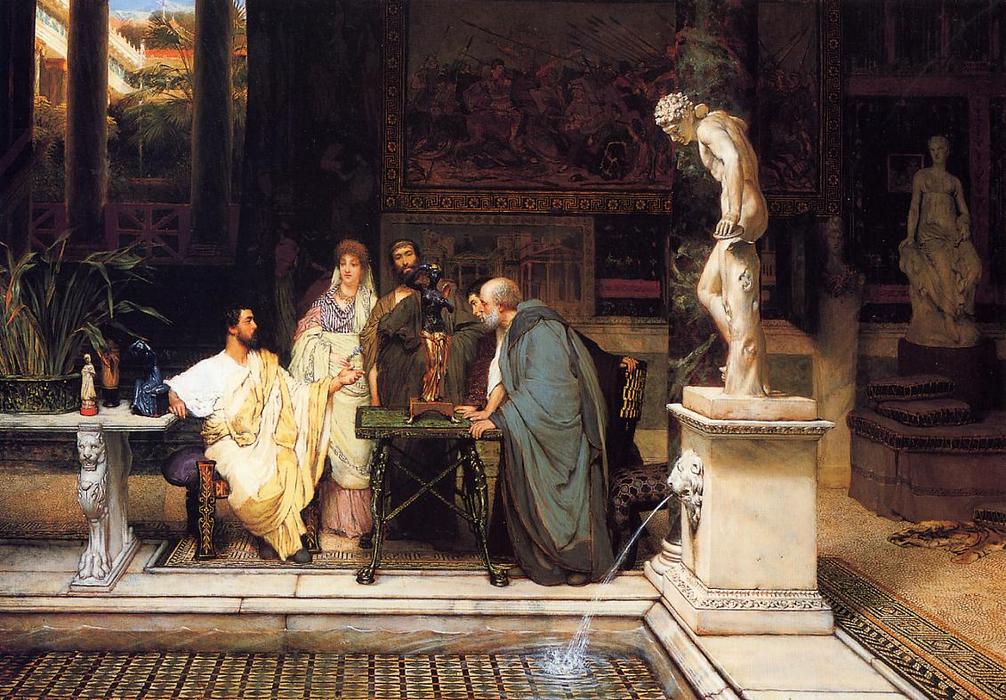
A Roman Art Lover


 詳細を見る
詳細を見る




P118B $10

P118H $10

P118W $10

P438Z $10

P508JH $12

P508YH $12

P805H $10

P805Z $10

P919BZ $10

P919G $10

P919XJ $10

P959ZH $10

P968JZ $12

W106C $8

W218G $10

W218JH $8

W218Y $10

W307PJ $10

W316G $10

W316PJ $8

W316Y $10

W398PJ $8

W4111J $10

W500HY $15

W500JH $15

W692G $12

W849H $8

W940BG $15

W953PJ $8




作品のオリジナル比率に合わせた、当店の規定サイズからお選びください。

特定のフレームやスペースに合わせて、ご希望のサイズをご入力いただけます。選択されたサイズが元の画像の比率と異なる場合、アートワークをトリミングするか、手描きで要素を追加して絵画を拡張いたします。デジタルモックアップ を制作し、制作開始前にご確認(承認)をいただきます。
画面上のプレビューは、実際のトリミングや拡張を正確に反映しているものではありません。最終的な構図は、モックアップによってのみ正確にご確認いただけます。
カスタムサイズもご利用いただけますが、元の比率を維持するためには、あらかじめ用意されたリストからサイズを選択することをお勧めいたします。
ご注文後、ArtsDot.com チームより詳細な指示をお送りするとともに、仕上がりイメージ(モックアップ)をご提供いたします。


 ガラスオプションは、110cm未満のサイズでのみご利用いただけます。

A Roman Art Lover
複製技法
複製画のサイズ
-


合計金額
$ 263
作品解説
A Glimpse into Roman Leisure: “A Roman Art Lover” by Lawrence Alma-Tadema
Lawrence Alma-Tadema’s “A Roman Art Lover,” painted in 1868, is more than just a depiction of a scene; it's a meticulously crafted window into the opulent and refined world of late Victorian England’s fascination with antiquity. The painting transports us to a luxurious Roman villa, not as a historical reconstruction, but rather as an idealized vision filtered through the lens of contemporary British sensibilities. Tadema, a master of capturing light and texture, expertly evokes a sense of leisurely sophistication, inviting the viewer into a moment of quiet contemplation amidst a scene brimming with subtle details.
The composition is remarkably balanced, dominated by a central group of elegantly dressed figures engaged in conversation around a low table. The men, adorned in flowing togas and sandals, exude an air of relaxed authority, while the women, draped in vibrant fabrics, radiate grace and poise. Notice the careful attention to detail in their clothing – the folds of the togas, the intricate embroidery on the gowns – all meticulously rendered to suggest wealth and status. A striking element is the presence of a classical sculpture, partially obscured by a draped cloth, hinting at the collection of antiquities that would have adorned such a villa. The inclusion of a bird perched atop a vase adds an unexpected touch of naturalism, grounding the scene in a broader sense of beauty.
The Romantic Realist: Tadema’s Technique and Style
Tadema's artistic style is often categorized as “Romantic Realism.” He eschewed the dramatic narratives favored by many of his contemporaries, opting instead for scenes of everyday life – particularly those associated with the wealthy and aristocratic. However, he approached these subjects with an extraordinary level of technical skill, meticulously studying classical art and architecture to achieve a remarkable degree of accuracy in his depictions. His use of light is particularly noteworthy; it’s diffused and warm, bathing the scene in a soft glow that enhances the sense of tranquility and luxury.
The painting's surface is alive with subtle textures – the sheen of polished marble, the delicate weave of fabrics, the rough grain of wood. Tadema employed a technique known as “optical mixing,” where he layered thin glazes of paint to create the illusion of depth and luminosity. This painstaking process resulted in a remarkably realistic portrayal of materials, contributing significantly to the painting’s immersive quality. The artist's mastery of color is evident in the rich palette – deep reds, blues, and golds—that evokes the warmth and vibrancy of Roman luxury.
Historical Context: Victorian England’s Obsession with Rome
“A Roman Art Lover” emerged during a period when Britain was experiencing a profound fascination with ancient Rome. This “Roman Revival” wasn't merely an academic interest; it represented a broader cultural yearning for order, beauty, and classical ideals in a rapidly changing Victorian society. The rediscovery of Pompeii and Herculaneum in the early 19th century fueled this enthusiasm, inspiring artists, architects, and designers to emulate Roman styles. Tadema, along with other artists like William Holman Hunt and John Everett Millais, captured this trend, creating works that celebrated the grandeur and sophistication of the ancient world.
The painting reflects a specific segment of Victorian society – the wealthy elite who could afford to indulge in recreations of Roman life. It’s important to note that Tadema's vision is not a literal representation of Roman reality, but rather an idealized interpretation shaped by contemporary British values and artistic conventions. The scene suggests a world of leisure, intellectual pursuits, and refined taste – a carefully constructed fantasy rooted in the past.
Symbolism and Emotional Resonance
Beyond its technical brilliance, “A Roman Art Lover” is rich in symbolic meaning. The classical sculpture represents the enduring legacy of ancient civilization, while the gathering of figures symbolizes social interaction and intellectual exchange. The muted colors and soft lighting contribute to a sense of serenity and contemplation, inviting the viewer to share in the quiet pleasures of this luxurious setting.
Ultimately, the painting evokes a feeling of nostalgia for a bygone era – a time when beauty, refinement, and classical ideals were highly valued. It’s a testament to Tadema's skill as an artist and his ability to capture not just a scene, but also the emotional atmosphere of a particular moment in history. “A Roman Art Lover” remains a captivating work that continues to resonate with viewers today, offering a glimpse into the opulent world of Victorian England and its enduring fascination with the glories of ancient Rome.
関連作品
アーティストの略歴
Lourens Alma Tadema(ローレンス・アルマ・タデマ)の生涯と芸術
ローレンス・アルマ・タデマは、1836年1月8日にオランダのフリースランド州ドロンリープで生まれました。彼の父親ピエートル・ジルトェス・タデマは村長であり、最初の結婚で3人の息子をもうけていました。母親ヒンケ・ディルクス・ブローワーはピエートルの最初の妻のハインケの姉妹でした。タデマ家は1838年にリーアウワルデンに移住し、ピエートルの村長としての地位がより有利になるようにしました。彼の父親は4歳の時に亡くなり、母親は5人の子供を残しました。ヒンケ・ブローワーは芸術的な才能を持っており、子供たちの教育に絵画レッスンを組み込むことを決めました。彼はもう一方の息子たちに絵画指導をするための地元の人々が雇われた絵画家と学び始めました。彼は4年間アムステルダム王立アカデミーで登録学生を務め、初期のオランダおよびフランドルの画家たちを研究し、歴史的な正確さを求める厳格な要求に応えるとともに、ロマン主義の影響を受けました。彼はアカデミーで美術教師を務めるルイユス・ヤン・デ・タエイに紹介され、歴史と衣装に関するコースはアカデミーで彼が特に楽しんだものでした。デ・タエイは彼の初期のキャリアにおけるテーマとしてメロヴィーニアン主題を追求する動機付けました。彼は美術教師から受けた批判を真剣に受け止め、技術を向上させ、古典的な表現において世界最高の画家となりました。初期の人生と芸術的訓練
タデマは4歳の時に父親が亡くなり、母親は5人の子供を残しました。彼は幼少期に絵画指導を受けるための地元の人々が雇われた絵画家と学び始めました。彼は4年間アムステルダム王立アカデミーで登録学生を務め、初期のオランダおよびフランドルの画家たちを研究し、歴史的な正確さを求める厳格な要求に応えるとともに、ロマン主義の影響を受けました。彼はアカデミーで美術教師を務めるルイユス・ヤン・デ・タエイに紹介され、歴史と衣装に関するコースはアカデミーで彼が特に楽しんだものでした。デ・タエイは彼の初期のキャリアにおけるテーマとしてメロヴィーニアン主題を追求する動機付けました。彼は美術教師から受けた批判を真剣に受け止め、技術を向上させ、古典的な表現において世界最高の画家となりました。彼は4年間アムステルダム王立アカデミーで登録学生を務め、初期のオランダおよびフランドルの画家たちを研究し、歴史的な正確さを求める厳格な要求に応えるとともに、ロマン主義の影響を受けました。彼はアカデミーで美術教師を務めるルイユス・ヤン・デ・タエイに紹介され、歴史と衣装に関するコースはアカデミーで彼が特に楽しんだものでした。彼は4年間アムステルダム王立アカデミーで登録学生を務め、初期のオランダおよびフランドルの画家たちを研究し、歴史的な正確さを求める厳格な要求に応えるとともに、ロマン主義の影響を受けました。彼はアカデミーで美術教師を務めるルイユス・ヤン・デ・タエイに紹介され、歴史と衣装に関するコースはアカデミーで彼が特に楽しんだものでした。彼は4年間アムステルダム王立アカデミーで登録学生を務め、初期のオランダおよびフランドルの画家たちを研究し、歴史的な正確さを求める厳格な要求に応えるとともに、ロマン主義の影響を受けました。彼はアカデミーで美術教師を務めるルイユス・ヤン・デ・タエイに紹介され、歴史と衣装に関するコースはアカデミーで彼が特に楽しんだものでした。彼は4年間アムステルダム王立アカデミーで登録学生を務め、初期のオランダおよびフランドルの画家たちを研究し、歴史的な正確さを求める厳格な要求に応えるとともに、ロマン主義の影響を受けました。彼はアカデミーで美術教師を務めるルイユス・ヤン・デ・タエイに紹介され、歴史と衣装に関するコースはアカデミーで彼が特に楽しんだものでした。彼は4年間アムステルダム王立アカデミーで登録学生を務め、初期のオランダおよびフランドルの画家たちを研究し、歴史的な正確さを求める厳格な要求に応えるとともに、ロマン主義の影響を受けました。彼はアカデミーで美術教師を務めるルイユス・ヤン・デ・タエイに紹介され、歴史と衣装に関するコースはアカデミーで彼が特に楽しんだものでした。彼は4年間アムステルダム王立アカデミーで登録学生を務め、初期のオランダおよびフランドルの画家たちを研究し、歴史的な正確さを求める厳格な要求に応えるとともに、ロマン主義の影響を受けました。彼はアカデミーで美術教師を務めるルイユス・ヤン・デ・タエイに紹介され、歴史と衣装に関するコースはアカデミーで彼が特に楽しんだものでした。彼は4年間アムステルダム王立アカデミーで登録学生を務め、初期のオランダおよびフランドルの画家たちを研究し、歴史的な正確さを求める厳格な要求に応えるとともに、ロマン主義の影響を受けました。彼はアカデミーで美術教師を務めるルイユス・ヤン・デ・タエイに紹介され、歴史と衣装に関するコースはアカデミーで彼が特に楽しんだものでした。彼は4年間アムステルダム王立アカデミーで登録学生を務め、初期のオランダおよびフランドルの画家たちを研究し、歴史的な正確さを求める厳格な要求に応えるとともに、ロマン主義の影響を受けました。彼はアカデミーで美術教師を務めるルイユス・ヤン・デ・タエイに紹介され、歴史と衣装に関するコースはアカデミーで彼が特に楽しんだものでした。彼は4年間アムステルダム王立アカデミーで登録学生を務め、初期のオランダおよびフランドルの画家たちを研究し、歴史的な正確さを求める厳格な要求に応えるとともに、ロマン主義の影響を受けました。彼はアカデミーで美術教師を務めるルイユス・ヤン・デ・タエイに紹介され、歴史と衣装に関するコースはアカデミーで彼が特に楽しんだものでした。彼は4年間アムステルダム王立アカデミーで登録学生を務め、初期のオランダおよびフランドルの画家たちを研究し、歴史的な正確さを求める厳格な要求に応えるとともに、ロマン主義の影響を受けました。彼はアカデミーで美術教師を務めるルイユス・ヤン・デ・タエイに紹介され、歴史と衣装に関するコースはアカデミーで彼が特に楽しんだものでした。彼は4年間アムステルダム王立アカデミーで登録学生を務め、初期のオランダおよびフランドルの画家たちを研究し、歴史的な正確さを求める厳格な要求に応えるとともに、ロマン主義の影響を受けました。彼はアカデミーで美術教師を務めるルイユス・ヤン・デ・タエイに紹介され、歴史と衣装に関するコースはアカデミーで彼が特に楽しんだものでした。彼は4年間アムステルダム王立アカデミーで登録学生を務め、初期のオランダおよびフランドルの画家たちを研究し、歴史的な正確さを求める厳格な要求に応えるとともに、ロマン主義の影響を受けました。彼はアカデミーで美術教師を務めるルイユス・ヤン・デ・タエイに紹介され、歴史と衣装に関するコースはアカデミーで彼が特に楽しんだものでした。彼は4年間アムステルダム王立アカデミーで登録学生を務め、初期のオランダおよびフランドルの画家たちを研究し、歴史的な正確さを求める厳格な要求に応えるとともに、ロマン主義の影響を受けました。彼はアカデミーで美術教師を務めるルイユス・ヤン・デ・タエイに紹介され、歴史と衣装に関するコースはアカデミーで彼が特に楽しんだものでした。彼は4年間アムステルダム王立アカデミーで登録学生を務め、初期のオランダおよびフランドルの画家たちを研究し、歴史的な正確さを求める厳格な要求に応えるとともに、ロマン主義の影響を受けました。彼はアカデミーで美術教師を務めるルイユス・ヤン・デ・タエイに紹介され、歴史と衣装に関するコースはアカデミーで彼が特に楽しんだものでした。彼は4年間アムステルダム王立アカデミーで登録学生を務め、初期のオランダおよびフランドルの画家たちを研究し、歴史的な正確さを求める厳格な要求に応えるとともに、ロマン主義の影響を受けました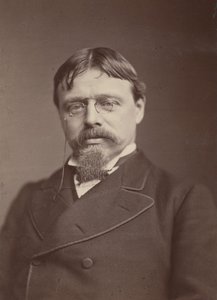
ローレンス・アルマ・タデマ
1836 - 1912 , オランダ
基本情報
- Artistic Movement Or Style: ヴィクトリアン絵画
- Artists Or Movements Influenced By This Artist: ['ロマン主義']
- Artists Who Influenced This Artist: ['ルイユジャンドタエイ']
- Date Of Birth: 1月8日、1836年
- Date Of Death: 6月25日、1912年
- Full Name: Lourens Alma Tadema
- Nationality: オランダ人
- Notable Artworks:
- キス
- アスクミーノモレ
- ローマ庭園の眺め
- Place Of Birth: ドローンリプ、オランダ
関連記事
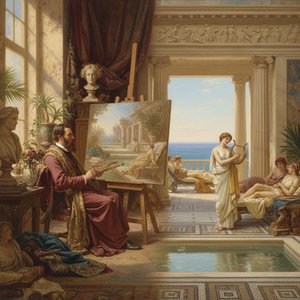
Sir Lawrence Alma-Tadema: A Study in Victorian Aestheticism & Classical Antiquity
Explore the captivating world of Sir Lawrence Alma-Tadema, a master of Victorian Aestheticism. Discover his stunning depictions of ancient Rome, artistic techniques, and enduring legacy with ArtsDot.
古典と現代の調和:大胆な抽象芸術がクラシックインテリアに与える影響
抽象表現主義がクラシックインテリアに与える影響を解説。色彩心理学や空間への効果、著名なアーティストの作品を紹介します。ArtsDot.comで理想のアートピースを見つけ、洗練された空間を実現しましょう。
Neo-Classicism's Greatest Hits: 10 Masterpieces for Your Home |
Journey through Neo-Classicism's finest! Explore 10 iconic masterpieces by David, Ingres & Canova. Discover art history, techniques & timeless beauty – perfect for inspiring your home decor. Find museum-quality reproductions at
The Enduring Legacy of Classicism: Principles, Evolution & Influence in Western Art
Explore the enduring legacy of Classicism in Western art! Discover its historical context, key principles, iconic masterpieces & lasting influence. Learn about Renaissance and Neoclassical movements with ArtsDot.
The Enduring Echo of Antiquity: Classical Ideals in Art from Renaissance to Modernism
Explore the lasting impact of classical ideals on art from the Renaissance to Modernism. Discover key movements, iconic artists & find museum-quality reproductions at ArtsDot.