 プレビュー
プレビュー
 プリントを購入
 シェアする
シェアする シェアする
シェアする
 詳細を見る
詳細を見る

 ダウンロード
 似ている作品
 X線調査
X線調査 スライドショー
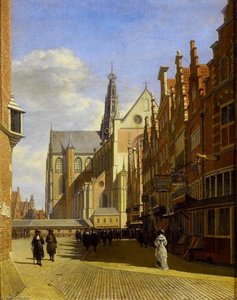
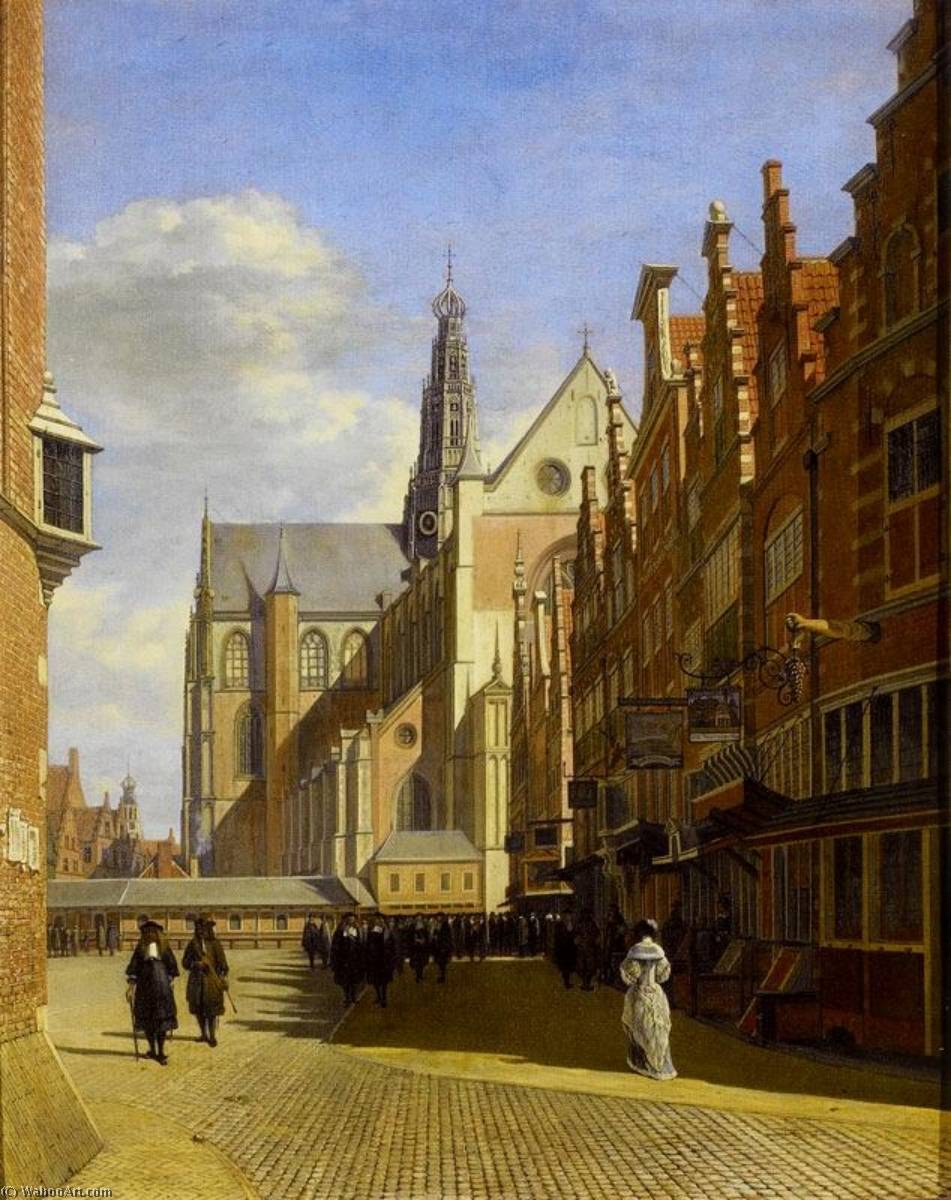
ハールムのグロート・マルクトと聖バヴォーク教会


 詳細を見る
詳細を見る




P118B $10

P118H $10

P118W $10

P438Z $10

P508JH $12

P508YH $12

P805H $10

P805Z $10

P919BZ $10

P919G $10

P919XJ $10

P959ZH $10

P968JZ $12

W106C $8

W218G $10

W218JH $8

W218Y $10

W307PJ $10

W316G $10

W316PJ $8

W316Y $10

W398PJ $8

W4111J $10

W500HY $15

W500JH $15

W692G $12

W849H $8

W940BG $15

W953PJ $8




作品のオリジナル比率に合わせた、当店の規定サイズからお選びください。

特定のフレームやスペースに合わせて、ご希望のサイズをご入力いただけます。選択されたサイズが元の画像の比率と異なる場合、アートワークをトリミングするか、手描きで要素を追加して絵画を拡張いたします。デジタルモックアップ を制作し、制作開始前にご確認(承認)をいただきます。
画面上のプレビューは、実際のトリミングや拡張を正確に反映しているものではありません。最終的な構図は、モックアップによってのみ正確にご確認いただけます。
カスタムサイズもご利用いただけますが、元の比率を維持するためには、あらかじめ用意されたリストからサイズを選択することをお勧めいたします。
ご注文後、ArtsDot.com チームより詳細な指示をお送りするとともに、仕上がりイメージ(モックアップ)をご提供いたします。


 ガラスオプションは、110cm未満のサイズでのみご利用いただけます。

ハールムのグロート・マルクトと聖バヴォーク教会
複製技法
複製画のサイズ
-


合計金額
$ 263
作品解説
ハアレンム市庁舎と聖バヴォウ教会:光の芸術家が描き出す都市の美しさ
ハアレンム市庁舎と聖バヴォウ教会は、オランダ黄金時代を代表する画家ゲリット・アドリアエンズゾオン・ベルクハイデの傑作です。この絵画は単なる風景画ではありません。それは光と影が織りなす芸術的な表現であり、当時の美術家たちが追求した理想を体現しています。ベルクハイデは特にハアレンム市庁舎と聖バヴォウ教会を背景に描き込みました。この教会はハアレンムのシンボルとして知られ、絵画全体に荘厳な雰囲気を与えています。- 画家について:ゲリット・アドリアエンズゾオン・ベルクハイデは、1638年に生まれ、その生涯は謎に包まれています。彼の父親の職業については詳細が不明ですが、ハアレンムで育ち、優れた才能を授けられたと考えられています。彼はハアレンムで有名な建築家であり、「オランダ光線主義」と呼ばれるスタイルで知られる画家の一人です。
- 絵画の特徴:ベルクハイデの作品は観察力と技術的な卓越性を反映しており、特に彼の都市風景は驚くほどの正確さと明るさで描かれています。彼は他の多くの画家とは異なり、ドラマチックなパノラマや理想化された風景よりも、太陽光が差し込む巨大な建物を描くことに重点を置きました。
- 技法:ベルクハイデの絵画は、細密な観察と緻密な筆致によって特徴づけられます。彼は特に聖バヴォウ教会のような重要な建築物を背景に描き込みました。この教会はハアレンムの歴史と信仰の中心であり、絵画全体に宗教的な意味合いを与えています。
- 歴史的背景:ベルクハイデが生きた時代はオランダ黄金時代であり、この時期の美術家たちは芸術的な理想を追求し、社会や文化に大きな影響を与えました。彼の作品は当時の美術家の思想と技術を結びつけ、ハアレンム市庁舎と聖バヴォウ教会が持つ美しさを永遠に捉えようとした画家たちの情熱を表現しています。
- 感情的な効果:この絵画は見る人に静寂と感動を与えます。ベルクハイデの作品は単なる風景画ではなく、光と影のコントラストによって都市のエネルギーと調和を表現しており、見る人の心を惹きつけます。特にハアレンム市庁舎と聖バヴォウ教会は当時のハアレンム市民にとって重要な場所であり、絵画を通してその歴史的な記憶が呼び起こされます。
関連作品

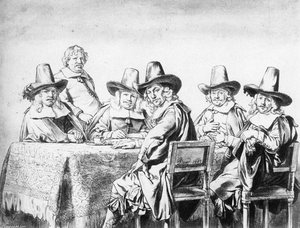
アーティストの略歴
The Architect of Dutch Light
Gerrit Adriaenszoon Berckheyde stands as a pivotal figure in the Dutch Golden Age, celebrated primarily for his breathtaking cityscapes that capture the essence of Haarlem and Amsterdam with unparalleled precision and luminosity. Unlike many contemporaries who favored dramatic vistas or idealized landscapes, Berckheyde meticulously rendered urban scenes—particularly those featuring monumental buildings bathed in diffused sunlight—establishing himself as one of the foremost practitioners of Dutch Classicism. His work embodies a profound respect for observation and technical mastery, reflecting the artistic ideals of his era through a lens of clarity and architectural grandeur.
Born in Haarlem around 1638, Berckheyde’s early life remains somewhat shrouded in mystery; historians like Arnold Houbraken struggled to pinpoint his father's profession beyond being a bookbinder, suggesting a modest upbringing that nonetheless fostered an exceptional talent. He apprenticed under his elder brother, Job Adriaenszoon Berckheyde, who himself was mentored by the legendary Frans Hals—a connection that underscores the rich artistic traditions shaping Berckheyde’s formative years. The brothers embarked on a transformative journey to Germany in the 1650s, immersing themselves in the artistic milieu of Cologne, Bonn, Mannheim, and Heidelberg, where they were awarded a golden medal for their contributions to art and scholarship.
Mastery of Urban Grandeur
Despite aspirations for courtly patronage and an aristocratic lifestyle, Berckheyde’s temperament proved ill-suited to the complexities of high society, prompting his return to Haarlem. Upon joining the Haarlem Guild of Saint Luke in 1660, his position within the artistic community was solidified, signaling a period of prolific output and innovation. His studio became a hub for creativity, attracting fellow artists like Oudendijck and fostering a collaborative spirit that propelled his collective success. Influenced heavily by the meticulous architectural precision of Pieter Saenredam, Berckheyde developed a signature style characterized by spacious views and an almost mathematical accuracy in depicting the structural bones of the city.
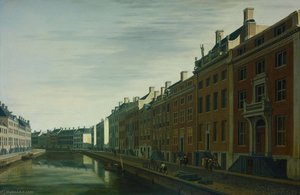
His canvases often serve as windows into the bustling heart of the Netherlands. In works such as The Grote Markt in Haarlem, he portrays the vibrant urban life of the era, with the prominent St. Bavokerk church dominating the background. Through his masterful use of light, he transforms stone and brick into living entities, capturing the way sunlight dances across cobblestones and illuminates the facades of grand buildings. This ability to marry architectural rigidity with atmospheric softness is what defines his greatest achievements.
Legacy of the Golden Age
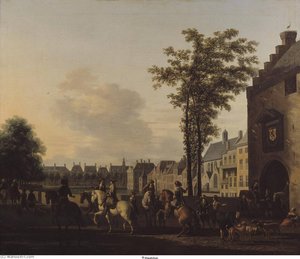
The historical significance of Berckheyde lies in his ability to elevate the cityscape from mere documentation to a high art form. His paintings, such as A Hunting Party near the Hofvijver in The Hague, demonstrate how he could integrate human activity and landscape elements into his architectural compositions without losing the sense of monumental stillness. He did not merely paint buildings; he painted the atmosphere of an era defined by prosperity, order, and civic pride.
As a master of Dutch Classicism, Berckheyde left behind a legacy that continues to fascinate art historians and enthusiasts alike. His contribution to the genre of architectural painting remains unparalleled, providing a luminous record of the Dutch Golden Age's most iconic urban landscapes. Through his eyes, we see a world of structured beauty, where every shadow and sunbeam contributes to a timeless narrative of light and stone.
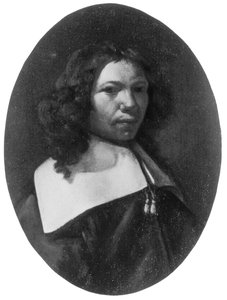
gerrit adriaenszoon berckheyde
1638 - 1698
基本情報
- Artistic Movement Or Style: Dutch Classicism
- Artists Or Movements Influenced By This Artist: ['Dutch Classicism']
- Artists Who Influenced This Artist:
- Pieter Saenredam
- Job Adriaenszoon Berckheyde
- Date Of Birth: 1638
- Date Of Death: 1698
- Full Name: Gerrit Adriaenszoon Berckheyde
- Nationality: Dutch
- Notable Artworks:
- De Waag (Weighing House) and Crane on the Spaarne,
- The Great Market In Haarlem
- Place Of Birth: Haarlem, Netherlands
関連記事

黄金世紀の巨匠たち:バロック絵画が彩る10選|ArtsDot
オランダ黄金時代の10大傑作を紐解く!レンブラント、フェルメール…バロック絵画の魅力と時代背景を深く探求。ArtsDotで、至高のアートコレクションと空間演出のヒントを見つけよう。高品質なアートプリントで、お部屋を華やかに。

Golden Age Reflections: Dutch Baroque Painting & Cultural Innovation
Explore the Dutch Golden Age of painting! Discover key artists like Vermeer & ter Borch, their innovative techniques, and the rich cultural context behind these Baroque masterpieces. Learn about collecting & appreciating this iconic art period.

Illuminating Innovation: Exploring the Dutch Golden Age of Painting
Explore the Dutch Golden Age of painting with ArtsDot. Discover Rembrandt, Vermeer & other Masters. Learn about key characteristics, iconic artworks, and lasting influence. Expert insights for collectors & enthusiasts.
Golden Light & Dutch Skies: Bringing the Magic of Dutch Golden Age Landscapes into Your Home
Transform your home with the breathtaking light of Dutch Golden Age landscapes. Discover how hand-painted oil reproductions of masterworks like Ruisdael and Vermeer bring timeless elegance, atmosphere, and soulful texture to modern interiors. Elevate your space with museum-quality art.
Illuminating Realism: Exploring the Dutch Golden Age of Painting (1600-1700)
Explore the Dutch Golden Age of painting (1600-1700) with ArtsDot. Discover Rembrandt, Vermeer & other masters. Learn about techniques, history & find museum-quality reproductions.