時代
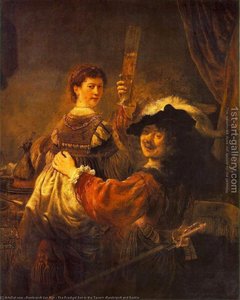
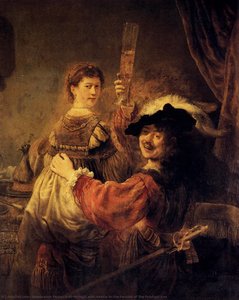
- The Prodigal Son in the Tavern (Rembrandt and Saskia)
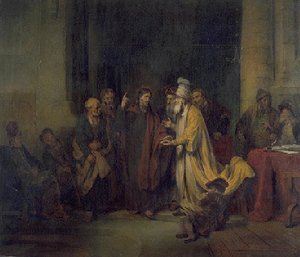
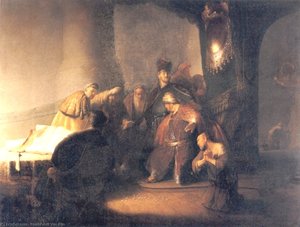
- Judas Repentent, Returning the Pieces of Silver
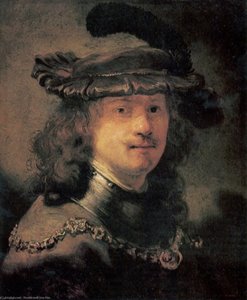
- Self portrait, oil on canvas
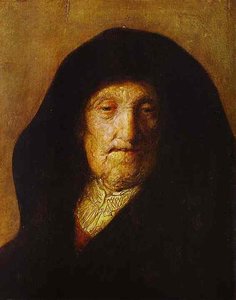
- Portrait of Rembrandt's Mother
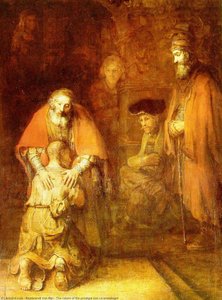
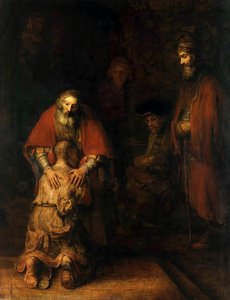
- レンブラントの『恵まれた子の帰還』は、1662年に制作されたバロック期の傑作です。後悔、赦し、そして家族の和解をテーマにしたこの作品は、単なる聖書の物語の描写にとどまらず、光と影の劇的な対比を通して人間の感情を探求する、レンブラントの卓越した技術を示すものです。この絵画は、ライデンにあるレンブラント美術館で展示されており、その制作過程や芸術的意義を深く理解することができます。レンブラントの作品群の中でも特に重要な作品であり、彼の芸術的遺産を代表するものです。
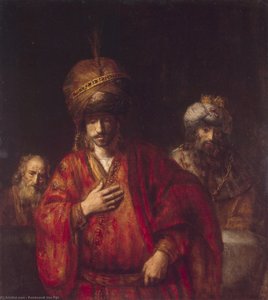
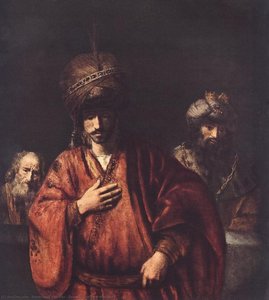
- Haman Recognizes His Fate, circa
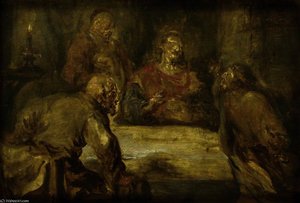
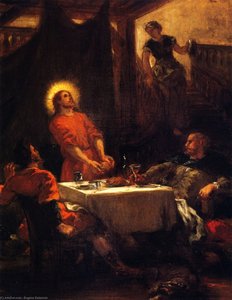
- The Supper at Emmaus (also known as The Pilgrims of Emmaus)
- Self portrait, oil on canvas


雰囲気
- The Prodigal Son in the Tavern (Rembrandt and Saskia)
- Rembrandt and Saskia in the Scene of the Prodigal Son in the Tavern
- Judas Repentent, Returning the Pieces of Silver
- David and uriah eremitaget
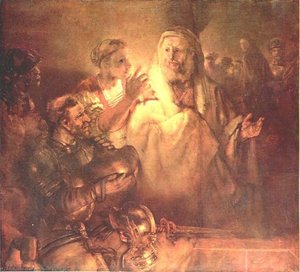
- Peter Denouncing Christ
- Self portrait, oil on canvas
- Portrait of Rembrandt's Mother
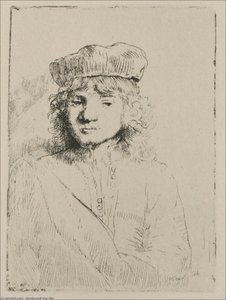
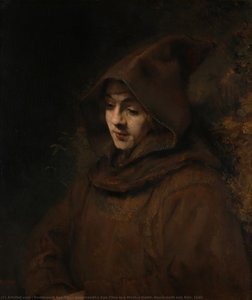
- Rembrandt’s Son Titus in a Monk’s Habit, Rembrandt van Rijn, 1660
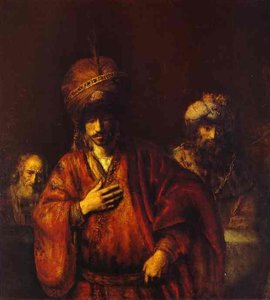
- The Condemnation of Haman (or David and Uriah)
- Self Portrait (24)
- レンブラントの『恵まれた子の帰還』は、1662年に制作されたバロック期の傑作です。後悔、赦し、そして家族の和解をテーマにしたこの作品は、単なる聖書の物語の描写にとどまらず、光と影の劇的な対比を通して人間の感情を探求する、レンブラントの卓越した技術を示すものです。この絵画は、ライデンにあるレンブラント美術館で展示されており、その制作過程や芸術的意義を深く理解することができます。レンブラントの作品群の中でも特に重要な作品であり、彼の芸術的遺産を代表するものです。
- Haman Recognizes His Fate, circa
- Self portrait, oil on canvas
- 放蕩息子の帰還
キーワード
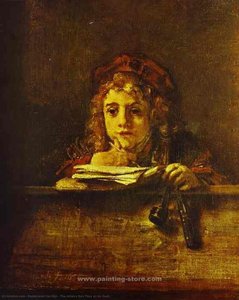
- The Artist's Son Titus at His Desk
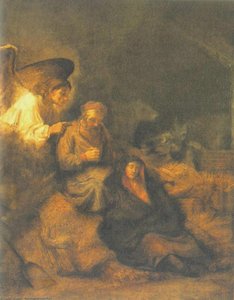
- The Dream of St Joseph
- Self portrait, oil on canvas
- Portrait of Titus, Rembrandt's Son
- The Prodigal Son in the Tavern (Rembrandt and Saskia)
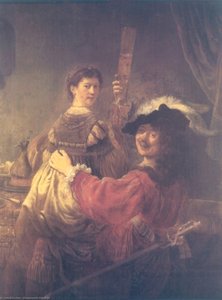
- Self-Portrait with Saskia in the Parable of the Prodigal Son
- David and uriah eremitaget
- Judas Repentent, Returning the Pieces of Silver
- Rembrandt’s Son Titus in a Monk’s Habit, Rembrandt van Rijn, 1660
色調
- Rembrandt and Saskia in the Scene of the Prodigal Son in the Tavern
- Judas Repentent, Returning the Pieces of Silver
- Self portrait, oil on canvas
- Portrait of Rembrandt's Mother
- Self-Portrait with Saskia in the Parable of the Prodigal Son
- Rembrandt’s Son Titus in a Monk’s Habit, Rembrandt van Rijn, 1660
- Self Portrait (24)
- レンブラントの『恵まれた子の帰還』は、1662年に制作されたバロック期の傑作です。後悔、赦し、そして家族の和解をテーマにしたこの作品は、単なる聖書の物語の描写にとどまらず、光と影の劇的な対比を通して人間の感情を探求する、レンブラントの卓越した技術を示すものです。この絵画は、ライデンにあるレンブラント美術館で展示されており、その制作過程や芸術的意義を深く理解することができます。レンブラントの作品群の中でも特に重要な作品であり、彼の芸術的遺産を代表するものです。
- Haman Recognizes His Fate, circa
- The Supper at Emmaus (also known as The Pilgrims of Emmaus)
- Self portrait, oil on canvas
- 放蕩息子の帰還
メインカラー
- Self Portrait (24)
- Haman Recognizes His Fate, circa
- The Prodigal Son in the Tavern (Rembrandt and Saskia)
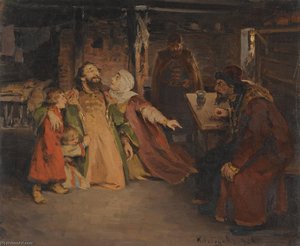
- Ivan the Terrible
- David and uriah eremitaget
- The Supper at Emmaus (also known as The Pilgrims of Emmaus)
- The Condemnation of Haman (or David and Uriah)
- Rembrandt’s Son Titus in a Monk’s Habit, Rembrandt van Rijn, 1660
- Self portrait, oil on canvas
- Portrait of Rembrandt's Mother
- LE DENIER DE CESAR
- Self portrait, oil on canvas
- レンブラントの『恵まれた子の帰還』は、1662年に制作されたバロック期の傑作です。後悔、赦し、そして家族の和解をテーマにしたこの作品は、単なる聖書の物語の描写にとどまらず、光と影の劇的な対比を通して人間の感情を探求する、レンブラントの卓越した技術を示すものです。この絵画は、ライデンにあるレンブラント美術館で展示されており、その制作過程や芸術的意義を深く理解することができます。レンブラントの作品群の中でも特に重要な作品であり、彼の芸術的遺産を代表するものです。
- The Supper at Emmaus
- Self-Portrait with Saskia in the Parable of the Prodigal Son
- The Dream of St Joseph
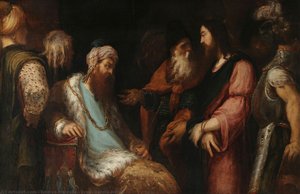
- Jesus before Herod
- The Artist's Son Titus at His Desk
- 放蕩息子の帰還
- Judas Repentent, Returning the Pieces of Silver
- Rembrandt and Saskia in the Scene of the Prodigal Son in the Tavern
- Peter Denouncing Christ