時代
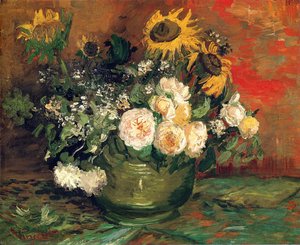
- Still Life with Roses and Sunflowers
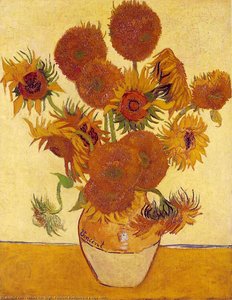
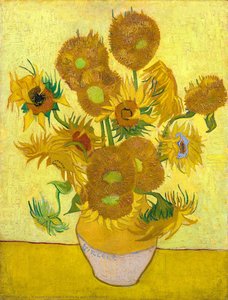
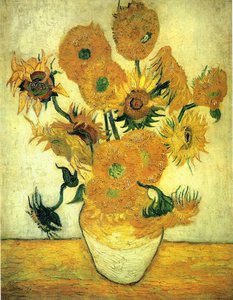
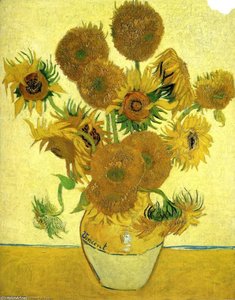
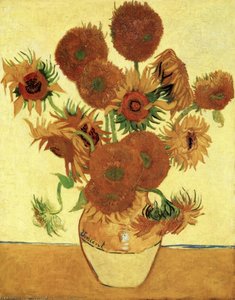
- Fourteen Sunflowers in a Vase [1888]
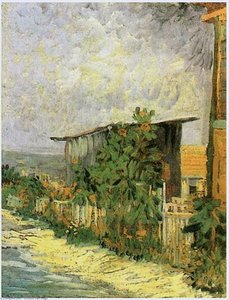
- Montmartre Path with Sunflowers
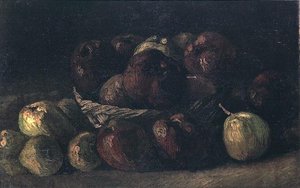
- Still life with a basket of apples
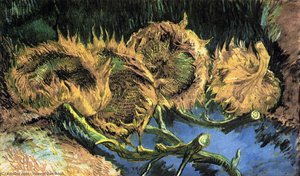
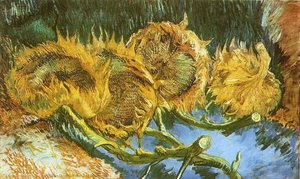
- 四つの切り抜かれたひまわり
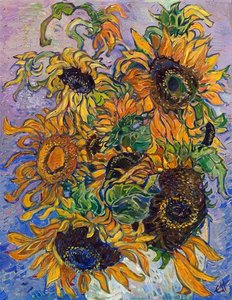
- ひまわりの静物画
- vincent willem van gogh A Life Painted in Passion: Vincent van Gogh Vincent Willem van Gogh, a name synonymous with vibrant color and raw emotion, remains one of the most recognizable and beloved figures in art history. Born on March 30, 1853, in Zunder
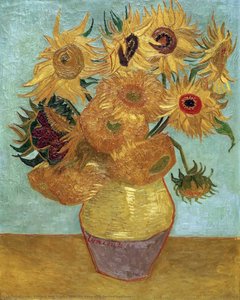
- Still Life Vase with Twelve Sunflowers 3
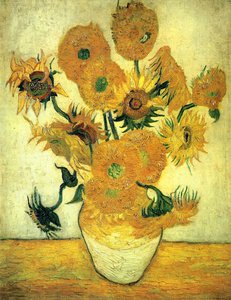
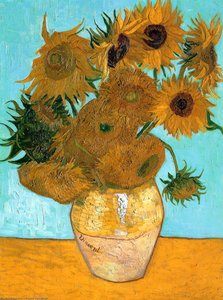
- Still Life - Vase with Fourteen Sunflowers
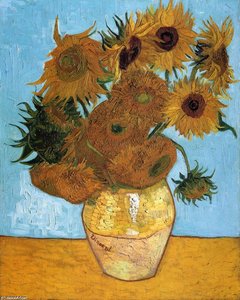
- Vase avec douze tournesols
- ユリの花瓶」ヴィンセント・ワゴーフ
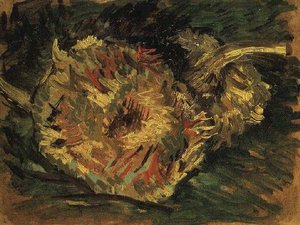
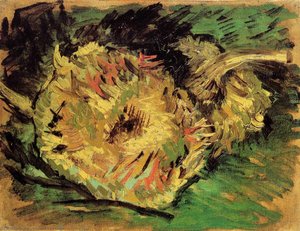
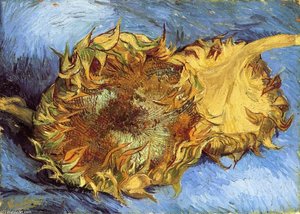
- Two Cut Sunflowers
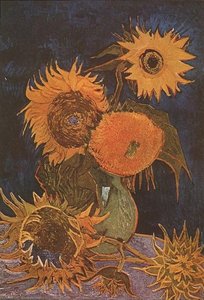
- ゴッホの『切り取られたひまわり』は、1887年にパリで制作された彼の作品です。この絵画は、成長、繁栄、そして最終的な土への帰還という生命のサイクルを祝うものであり、美しさ、衰退、存在の儚さを瞑想するものです。大胆な筆致と鮮やかな色彩が特徴で、感情的な反応を表現しています。日本の水墨画の影響を受け、印象派の色彩理論を取り入れた彼の作品です。ひまわりは感謝、愛情、そして希望の象徴であり、彼の苦悩を照らす金色の輝きを持つと考えました。この絵画は、美しさの中に衰退を見出し、人間の感情を表現する力の証です。
動き
- Still Life with Roses and Sunflowers
- Fourteen Sunflowers in a Vase [1888]
- Montmartre Path with Sunflowers
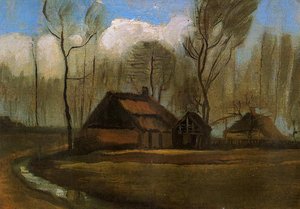
- 農家の風景画
- 静物 - 12本のひまわりが生けられた花瓶
- 四つの切り抜かれたひまわり
- ひまわりの静物画
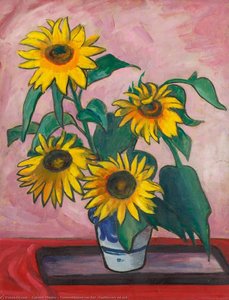
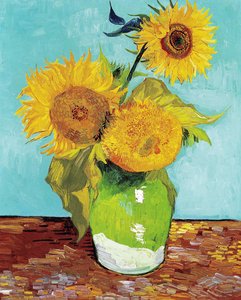
- ひまわり2枚の静物画
- vincent willem van gogh A Life Painted in Passion: Vincent van Gogh Vincent Willem van Gogh, a name synonymous with vibrant color and raw emotion, remains one of the most recognizable and beloved figures in art history. Born on March 30, 1853, in Zunder
- 四つの切り抜きひまわり
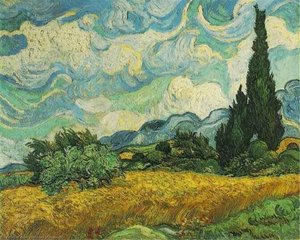
- Wheat Field with Cypresses at the Haute Galline Near Eygalieres
- 花瓶に向日葵五重
- Still Life Vase with Twelve Sunflowers 3
- Still Life - Vase with Fourteen Sunflowers
- Vase avec douze tournesols
- 静物 − 十五の花}(Seibutsu – Jūgo no Hanabira)
- ユリの花瓶」ヴィンセント・ワゴーフ
- Two Cut Sunflowers
- ひまわり
- ゴッホの『切り取られたひまわり』は、1887年にパリで制作された彼の作品です。この絵画は、成長、繁栄、そして最終的な土への帰還という生命のサイクルを祝うものであり、美しさ、衰退、存在の儚さを瞑想するものです。大胆な筆致と鮮やかな色彩が特徴で、感情的な反応を表現しています。日本の水墨画の影響を受け、印象派の色彩理論を取り入れた彼の作品です。ひまわりは感謝、愛情、そして希望の象徴であり、彼の苦悩を照らす金色の輝きを持つと考えました。この絵画は、美しさの中に衰退を見出し、人間の感情を表現する力の証です。
- ひまわり
雰囲気
- ひまわりの静物画
- vincent willem van gogh A Life Painted in Passion: Vincent van Gogh Vincent Willem van Gogh, a name synonymous with vibrant color and raw emotion, remains one of the most recognizable and beloved figures in art history. Born on March 30, 1853, in Zunder
- Vase avec douze tournesols
- ユリの花瓶」ヴィンセント・ワゴーフ
- ゴッホの『切り取られたひまわり』は、1887年にパリで制作された彼の作品です。この絵画は、成長、繁栄、そして最終的な土への帰還という生命のサイクルを祝うものであり、美しさ、衰退、存在の儚さを瞑想するものです。大胆な筆致と鮮やかな色彩が特徴で、感情的な反応を表現しています。日本の水墨画の影響を受け、印象派の色彩理論を取り入れた彼の作品です。ひまわりは感謝、愛情、そして希望の象徴であり、彼の苦悩を照らす金色の輝きを持つと考えました。この絵画は、美しさの中に衰退を見出し、人間の感情を表現する力の証です。
トピック
- vincent willem van gogh A Life Painted in Passion: Vincent van Gogh Vincent Willem van Gogh, a name synonymous with vibrant color and raw emotion, remains one of the most recognizable and beloved figures in art history. Born on March 30, 1853, in Zunder
- ひまわりの静物画
- ゴッホの『切り取られたひまわり』は、1887年にパリで制作された彼の作品です。この絵画は、成長、繁栄、そして最終的な土への帰還という生命のサイクルを祝うものであり、美しさ、衰退、存在の儚さを瞑想するものです。大胆な筆致と鮮やかな色彩が特徴で、感情的な反応を表現しています。日本の水墨画の影響を受け、印象派の色彩理論を取り入れた彼の作品です。ひまわりは感謝、愛情、そして希望の象徴であり、彼の苦悩を照らす金色の輝きを持つと考えました。この絵画は、美しさの中に衰退を見出し、人間の感情を表現する力の証です。
- 四つの切り抜きひまわり
- ユリの花瓶」ヴィンセント・ワゴーフ
- ひまわり
- Fourteen Sunflowers in a Vase [1888]
- 静物 - 12本のひまわりが生けられた花瓶
- Vase avec douze tournesols
- Two Cut Sunflowers
- Still life with a basket of apples
- Still Life Vase with Twelve Sunflowers 3
- ひまわり
- Montmartre Path with Sunflowers
- 静物 − 十五の花}(Seibutsu – Jūgo no Hanabira)
- ひまわり2枚の静物画
- 花瓶に向日葵五重
キーワード
- ひまわりの静物画
- Montmartre Path with Sunflowers
- vincent willem van gogh A Life Painted in Passion: Vincent van Gogh Vincent Willem van Gogh, a name synonymous with vibrant color and raw emotion, remains one of the most recognizable and beloved figures in art history. Born on March 30, 1853, in Zunder
- ユリの花瓶」ヴィンセント・ワゴーフ
- ゴッホの『切り取られたひまわり』は、1887年にパリで制作された彼の作品です。この絵画は、成長、繁栄、そして最終的な土への帰還という生命のサイクルを祝うものであり、美しさ、衰退、存在の儚さを瞑想するものです。大胆な筆致と鮮やかな色彩が特徴で、感情的な反応を表現しています。日本の水墨画の影響を受け、印象派の色彩理論を取り入れた彼の作品です。ひまわりは感謝、愛情、そして希望の象徴であり、彼の苦悩を照らす金色の輝きを持つと考えました。この絵画は、美しさの中に衰退を見出し、人間の感情を表現する力の証です。
- Still Life - Vase with Fourteen Sunflowers
- ひまわり
メインカラー
- Wheat Field with Cypresses at the Haute Galline Near Eygalieres
- Montmartre Path with Sunflowers
- Vase avec douze tournesols
- Still Life Vase with Twelve Sunflowers 3
- ひまわりの静物画
- vincent willem van gogh A Life Painted in Passion: Vincent van Gogh Vincent Willem van Gogh, a name synonymous with vibrant color and raw emotion, remains one of the most recognizable and beloved figures in art history. Born on March 30, 1853, in Zunder
- ひまわり2枚の静物画
- ひまわり
- ユリの花瓶」ヴィンセント・ワゴーフ
- Still Life - Vase with Fourteen Sunflowers
- ゴッホの『切り取られたひまわり』は、1887年にパリで制作された彼の作品です。この絵画は、成長、繁栄、そして最終的な土への帰還という生命のサイクルを祝うものであり、美しさ、衰退、存在の儚さを瞑想するものです。大胆な筆致と鮮やかな色彩が特徴で、感情的な反応を表現しています。日本の水墨画の影響を受け、印象派の色彩理論を取り入れた彼の作品です。ひまわりは感謝、愛情、そして希望の象徴であり、彼の苦悩を照らす金色の輝きを持つと考えました。この絵画は、美しさの中に衰退を見出し、人間の感情を表現する力の証です。
- Fourteen Sunflowers in a Vase [1888]
- 花瓶に向日葵五重