

 プレビュー
プレビュー
 プリントを購入
 シェアする
シェアする シェアする
シェアする
 詳細を見る
詳細を見る

 ダウンロード
 似ている作品
 X線調査
X線調査 スライドショー
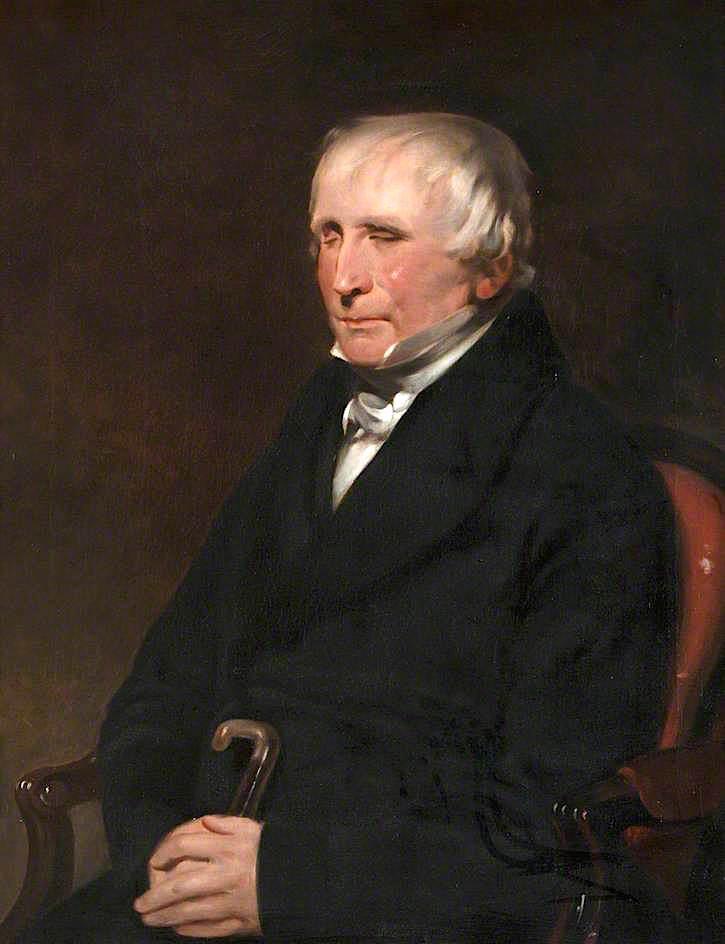
John Mackay of Rockfield


 詳細を見る
詳細を見る




































作品のオリジナル比率に合わせた、当店の規定サイズからお選びください。

特定のフレームやスペースに合わせて、ご希望のサイズをご入力いただけます。選択されたサイズが元の画像の比率と異なる場合、アートワークをトリミングするか、手描きで要素を追加して絵画を拡張いたします。デジタルモックアップ を制作し、制作開始前にご確認(承認)をいただきます。
画面上のプレビューは、実際のトリミングや拡張を正確に反映しているものではありません。最終的な構図は、モックアップによってのみ正確にご確認いただけます。
カスタムサイズもご利用いただけますが、元の比率を維持するためには、あらかじめ用意されたリストからサイズを選択することをお勧めいたします。
ご注文後、ArtsDot.com チームより詳細な指示をお送りするとともに、仕上がりイメージ(モックアップ)をご提供いたします。


 ガラスオプションは、110cm未満のサイズでのみご利用いただけます。

John Mackay of Rockfield
複製技法
複製画のサイズ
-


合計金額
$ 263
作品解説
A Study in Dignity: The Soul of John Mackay of Rockfield
In the quiet, commanding presence of Sir John Watson Gordon’s portrait, John Mackay of Rock field, one encounters more than just a likeness; one meets a legacy. This masterful oil on canvas serves as a profound window into the early 19th century, capturing a moment of stillness that resonates with an enduring sense of authority and grace. The subject, positioned with a deliberate, seated poise, occupies the frame with a weight that is both physical and metaphorical. As he rests against the deep, crimson upholstery of his chair, the viewer is drawn into a private audience with a man whose very posture speaks of established status and a life of significant responsibility.
The composition is a masterclass in Neoclassical restraint, where every element is orchestrated to direct the eye toward the psychological depth of the sitter. Gordon utilizes a muted, atmospheric background of indistinct browns and shadows, a technique that strips away the distractions of the external world to focus entirely on the human spirit. This somber palette—dominated by blacks, grays, and deep earth tones—creates a mood of contemplative seriousness. The lighting, dramatic and directional, sweeps across the face from an unseen source, casting soft yet defining shadows that accentuate the fine lines of experience etched upon Mackay’s brow. It is through this interplay of light and shadow that the artist breathes life into the canvas, transforming a formal portrait into a living, breathing character study.
Technique and the Mastery of Light
For the discerning collector or interior designer, the technical brilliance of this piece lies in Gordon’s ability to manipulate texture and tone. The artist employs meticulous brushwork to render the tactile reality of the subject's world—from the heavy, structured folds of a dark coat to the subtle, weathered texture of skin. There is a remarkable fluidity in how the light catches the highlights of the nose and eyes, providing a focal point of vitality amidst the surrounding darkness. This careful modeling of form creates a powerful illusion of three-dimensionality, making the figure appear to emerge from the depths of the canvas into the viewer's space.
The use of oil paint on canvas allows for a rich layering of glazes, which contributes to the painting's profound sense of volume and weight. The subtle variations in the dark tones suggest a complex interplay of fabrics and shadows, lending an air of luxury and permanence to the work. This level of detail ensures that the portrait remains captivating from any distance, offering new nuances of light and shadow upon every viewing. It is this very quality that makes such a reproduction an exquisite centerpiece for a sophisticated study, a library, or a formal gallery setting, where it can command attention through its quiet, understated elegance.
An Enduring Legacy for the Modern Collector
Beyond the technical execution, John Mackay of Rockfield carries an emotional resonance that transcends its era. There is a hint of melancholy within the subject's steady gaze, a reflection of the gravity of his station and perhaps the fleeting nature of time itself. This subtle emotional layer invites deep engagement, making the artwork not merely a decorative object but a conversational piece that evokes thought and introspection. For those seeking to infuse their interiors with a sense of history, stability, and classical beauty, this portrait offers an unparalleled opportunity.
Integrating a high-quality reproduction of Gordon’s work into a contemporary space allows for a bridge between the storied past and the modern aesthetic. Whether placed in a room characterized by minimalist grandeur or traditional warmth, the painting acts as an anchor of sophistication. It brings with it the prestige of the Scottish portraiture tradition and the timeless allure of the Neoclassical style, ensuring that the dignity of John Mackay continues to inspire and captivate generations to come.
関連作品
アーティストの略歴
サー・ジョン・ワトソン・ゴードン:光と肖像画を極めたスコットランドの巨匠
サー・ジョン・ワトソン・ゴードン(1788–1864)は、新古典主義的な肖像画から、19世紀英国美術の大きな特徴となる情緒豊かなトナリズム(色彩主義)への転換期において、極めて重要な役割を果たした画家です。芸術的伝統が息づく家庭に生まれた彼は、父ジェームズ・ワトソン大尉が熟練した素描家であり、叔父のジョージ・ワントソンが尊敬を集める肖像画家であったことから、芸術への道が最初から約束されていたわけではありませんでした。むしろ、拡大しつつあった絵画の世界へと自ら踏み出すという、意志ある選択によってその才能を育んだのです。当初は軍人としての道を歩むべく訓練を受けていましたが、最終的に彼は自らの真の天職を見出しました。それは、芸術を通じて人間の精神の本質と、スコットランドの風景が持つ繊細な美しさを描き出すことでした。
ゴードンの初期の芸術的成長は、エディンバラのトラスティーズ・アカデミーにおいてジョン・グレアムに師事したことで、決定的な影響を受けました。この修行時代は、彼に技法の基礎を叩き込んだだけでなく、当時としては比較的新しい現象であった「美術展」に対する大衆の関心の高まりに触れる貴重な機会となりました。1808年、サー・ウォルター・スコットの叙事詩『最後の吟遊詩人の歌』の一場面を描いた作品で初めて大きな成功を収めたことは、彼がエディマルバーの美術界に登場した瞬間であり、視覚的な手段を通じて物語と感情を捉える類まれな才能を証明するものとなりました。この成功を経て、彼は歴史画や宗教画の主題へと実験的な試みを続け、筆致における驚くべき繊細さと自由さを特徴とする、独自のスタイルを磨き上げていったのです。
様式の進化:新古典主義からトナリズムへ
ゴードンの芸術的旅路を定義づける最も大きな特徴は、新古典主義的な肖像画が持つ形式的な制約から、より表現豊かで情緒的なトナリズムの質感へと、緩やかに移行していった点にあります。初期の作品において、彼の肖像画は確立された規範に従っていました。すなわち、明快な輪郭線、細部まで丁寧に描き込まれた描写、そして緻密な正確さをもって容貌を捉えることに重点を置いていたのです。しかし、画家として成熟するにつれ、彼は写実性への厳格な固執よりも、情緒や空気感を優先させるようになりました。この変容は後年の作品に顕著に表れており、肌のトーンは柔らかさを増し、背景は次第に抑制された色調へと沈み込み、全体として静かな瞑想と感情的な共鳴を感じさせる効果を生み出しています。
この様式の進化は、単なる技法の変化にとどまりませんでした。それは、変わりゆく芸術的風景に対する、より深い関わりを反映していたのです。ジョン・コンスタブルやJ.M.W.ターナーといった巨匠たちの影響を受けながら、ゴードンは被写体の外見的な姿だけでなく、その内面の世界――すなわち、その人物の性格や気質、そして周囲の世界との関わりまでも捉えようと試みました。例えば、サー・ウォルター・スコットの肖像画には、詩人の知的な深みとロマン主義的な精神が吹き込まれており、ジョン・ウィルソン教授やチャルマーズ博士といった人物の描写にも、同様に深い心理的洞察が込められています。
象徴的なモデルたちと不朽の遺産
ゴードンのアトリエは、スコットランドを代表する重要人物たちが集う場所となりました。これは、熟練した肖像画家としての彼の名声と、温かなもてなしの精神の証でもありました。その中でも特に著名なモデルには、ゴードンの独自のスタイルの基礎を築いたサー・ウォルター・スコットをはじめ、J.G.ロックハート、ウィルソン教授、アーチボルド・アリソン卿、チャルマーズ博士、デ・クインシー、そしてデイヴィッド・ブリュースター卿らが名を連ねています。これらの人物たちの本質――その知性、品格、そしてスコットランド社会における立ち位置――を捉える彼の能力は、彼を当時最も求められた肖像画家の一人として不動のものにしました。
1835年から1864年にかけて描かれた肖像画は、ゴードンの芸術的発展の集大成といえます。これらの作品は、驚くほど繊細な色彩、光と影の見事な操り、そして被写体の心理的な機微に対する比類なき感受性を特徴としています。特に、簡潔さと厳格さを備えた後期のスタイルは注目に値します。肌のトーンは真珠のような輝きを帯び、背景は灰色へと溶け込み、焦点は完全に顔へと移ります。それによって、被写体の内面世界が驚くほどの明晰さで描き出されるのです。サー・ジョン・G・ショー=レフェーヴやピーターヘッドのプロヴォスト、ロデリック・グレイの肖像画は、この後期様式の傑作であり、1855年のパリ・サロンにおいて彼に一等メダルをもたらしました。
ロイヤル・アカデミーにおけるスコットランドの声
ゴードンの芸術的功績はロイヤル・アカデミーによって高く評価され、1841年には準会員として、1851年には正会員として選出されました。さらに1850年には、スコットランドの国王公認画家(H.M. Limner)に任命されたことで、美術界における彼の地位は一層高まり、国家を代表する肖像画家としての役割を確固たるものにしました。彼の遺産は個々の肖像画の枠を超えています。彼はスコットランドにおける芸術的発展を促進し、ロイヤル・スコティッシュ・アカデミーの設立に貢献するという重要な役割を果たしたのです。1864年、エディンバラで世を去ったサー・ジョン・ワトソン・ゴードンが遺した素晴らしい作品群は、その美しさと感受性、そして人間精神に対する深い理解をもって、今なお見る者の心を捉え続けています。
サー・ジョン・ワトソン・ゴードン
1788 - 1864 , スコットランド
基本情報
- Artistic Movement Or Style: トナリズム・インプレッショニズム
- Artists Or Movements Influenced By This Artist:
- コックス
- イギリス美術
- Artists Who Influenced This Artist:
- レーバーン
- ワトソン(叔父)
- Date Of Birth: 1788年
- Date Of Death: 1864年
- Full Name: サー・ジョン・ワトソン・ゴードン
- Nationality: スコットランド人
- Notable Artworks:
- スコットの肖像画
- チャルマーズの肖像画
- ダルハウジーの肖像画
- Place Of Birth: スコットランド、エディンバラ
関連記事
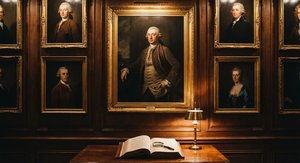
Sir Joshua Reynolds' Masterpieces: 25 Portraits of Power & Refinement | ArtsDot
Explore 25 captivating portraits by Sir Joshua Reynolds, a master of British art. Discover stories behind his iconic paintings, elegant style & historical influence. Find museum-quality reproductions and elevate your home decor on ArtsDot.com.
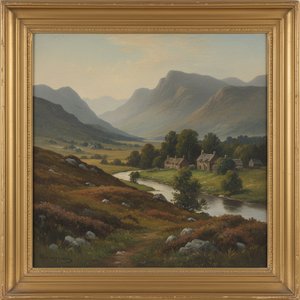
Sir John Watson Gordon: A Study in Scottish Landscape Painting & Tonal Impressionism
Explore the captivating portraits of Sir John Watson Gordon, a leading Scottish master. Discover his evolution from neoclassical style to atmospheric Tonalism and influence on 19th-century British art. Learn about his iconic sitters & legacy.
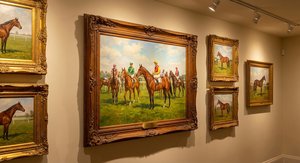
Sir Alfred Munnings' Masterpieces: 25 Paintings That Define Equine Art | ArtsDot
Explore 25 iconic Sir Alfred Munnings paintings! Discover the beauty of British Impressionism, equine art & rural England. Find museum-quality reproductions and elevate your home decor with ArtsDot. Explore the full collection online.

ジョン・シンガー・サージェント:至高の25選 - 美と光の肖像画の世界 | ArtsDot
ジョン・シンガー・サージェントの至高の25選。肖像画、写実主義、光と影の表現が美しい作品群を紐解きます。マダムXや少女の肖像など、時代を超えて愛される名作をArtsDotで鑑賞。高品質なアート複製で、お部屋に美術館のような空間を。今すぐコレクションをご覧ください。

ジョン・コンスタブルの傑作25選:英国風景画の巨匠が描く自然と光の詩 | ArtsDot
ジョン・コンスタブルの傑作25選。英国風景画の巨匠が描く自然と光の詩の世界へ。ロマン主義を代表する絵画、デダム・ヴェールやヘイ・ウェインなど、ArtsDotで高品質なアートプリントをお楽しみください。インテリアに深みと感動を。コレクションはこちら。

