The Soul of Texture: Defining Mixed Media for the Modern Collector
 Mixed media
In visual art, mixed media describes artwork in which more than one medium or material has been employed. Assemblages, collages, and sculpture are three common examples of art using different media. Materials used to create mixed media art include, b...
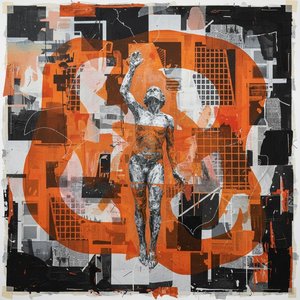
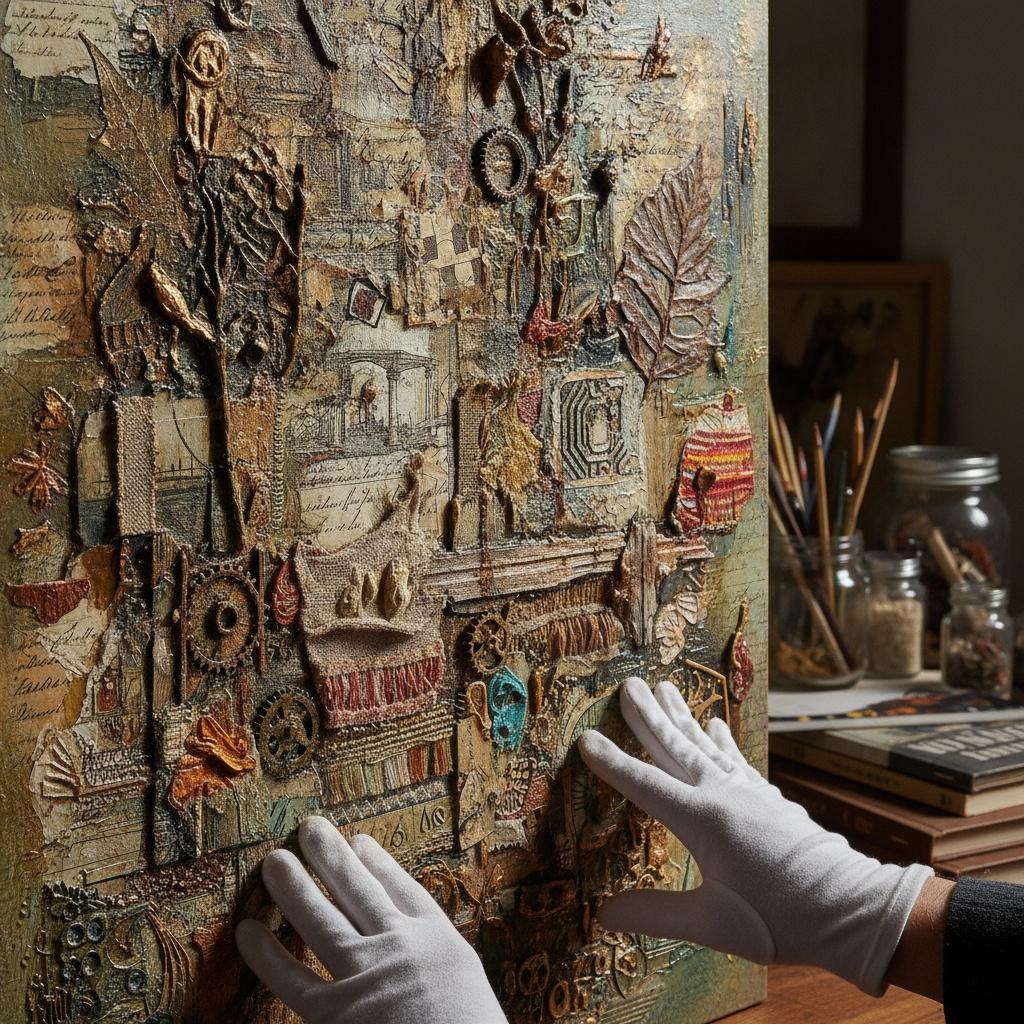
Imagine, if you will, walking through a quiet gallery at twilight, where the light catches not just the pigment of a canvas, but the unexpected texture of sand, the delicate fraying of fabric, or the sharp edge of a found object. To step into the world of mixed media is to witness the very moment art breaks free from its traditional cage. For centuries, the rules of fine art were beautifully rigid: oil on canvas, watercolor on paper, or marble for sculpture. Yet, as our world grew more complex and fragmented, so too did the artist's toolkit. Mixed media describes that breathtaking moment when an artist decides that paint alone cannot capture the complexity of human emotion, choosing instead to invite the real, tactile world directly into the frame.
For the discerning collector, understanding mixed media means embracing the concept of hybridity. It is a departure from the safety of a single medium, moving toward a beautiful, often unpredictable dialogue between disparate materials. Unlike multimedia art, which might blend visual elements with sound or motion, true mixed media focuses on the physical layering of substances—paint, cloth, paper, wood, and even industrial debris. When you hold a piece of mixed media art in your mind's eye, you are not just looking at a surface; you are engaging with a physical topography that demands an intimate, sensory dialogue.
Breaking the Frame: A Historical Journey from Cubism to Assemblage
 Assemblage (art)
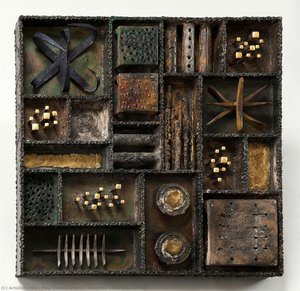
Assemblage is an artistic form or medium usually created on a defined substrate that consists of three-dimensional elements projecting out of or from the substrate. It is similar to collage, a two-dimensional medium. It is part of the visual arts and...
The evolution of this medium has always been a journey of liberation, fueled by rebels and visionaries who refused to accept the status quo. The historical leap into mixed media marked one of the most exciting eras in human creativity, rooted in the revolutionary experiments of the early 20th century. We can trace the very DNA of modern collage back to the cubist constructions of Pablo Picasso around 1912, where he utilized paper, cloth, and rope to create a pseudo-three-dimensional effect that shattered traditional perspective. This era of experimentation, championed by movements like Cubism and Dada, paved the way for artists to treat the canvas not as a window, but as a stage.
As we moved through the decades, the term
assemblage emerged to describe even bolder iterations of this spirit—works where three-dimensional elements project outward from a substrate, blurring the line between painting and sculpture. From the mid-century mastery of artists like Jean Dubuffet, who created intricate assemblages of butterfly wings, to the later works of Louise Nevelson, who built monumental structures from found wood, the history of mixed media is a testament to the courage of those who looked at a blank surface and saw a playground for texture. This lineage of innovation continues today, reminding us that the most profound art often emerges when we dare to break the rules of tradition.
Tactile Narratives: Exploring Materials from Found Objects to Industrial Elements
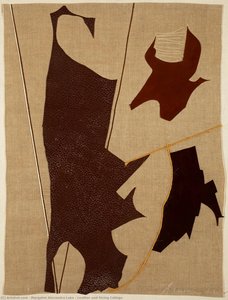 Leather and String Collage
A Tactile Symphony of Texture and Form In the realm of mid-century abstraction, few works invite the viewer into such an intimate, sensory dialogue as Margaret Alexandra Luke’s Leather and String Collage . Created in 1967, the final year of the artis...
There is a profound magic in the way an artist transforms humble, everyday objects into high art. In mixed media, materials carry their own histories and emotional weights. Consider the work of Margaret Alexandra Luke, whose 196 and 67 masterpiece,
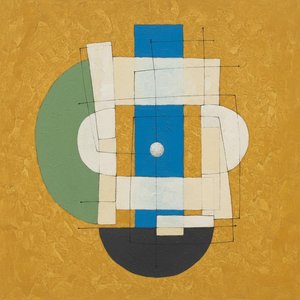
Leather and String Collage, serves as a tactile symphony. By integrating leather, string, and fabric, she moved beyond the two-dimensional plane to create a relief-like experience that suggests both movement and stillness. The smooth, supple surface of the leather contrasted against the linear tension of the string creates a visual rhythm that draws the eye through an intricate labyrinth of layers.
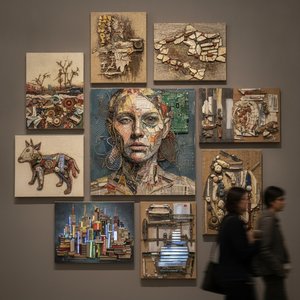
This practice of using "found objects"—a concept popularized by Marcel Duchamp—allows artists to bridge the gap between the museum pedestal and the everyday street. Modern practitioners like Santanu Dey take this even further, repurposing discarded e-waste, paper, wood, and aluminum to explore themes of environmental degradation and urban decay. By utilizing materials that embody fragility and resilience, these artists create a visceral language that mirrors our own multifaceted existence. Whether it is the shimmer of gold leaf or the grit of embedded sand, each material choice is a deliberate stroke of storytelling, inviting the collector to feel the weight of history and the pulse of the present.
Curating Depth: How Mixed Media Compositions Transform Interior Spaces
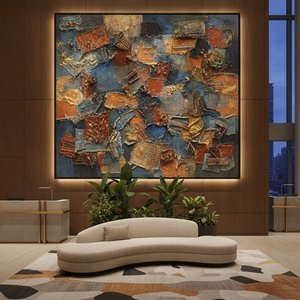 Mixed Media Art for Hospitality: A Professional Guide to Texture, Layering, and High-Impact Interior Design
Defining Mixed Media: The Strategic Use of Hybridity in Modern Hospitality Interiors Beyond the Brush: An Expert Guide to Mastering Mixed Media Art Techniques and Materiality The Essence of Hybridity: Defining Mixed Media in Contemporary Practice To ...
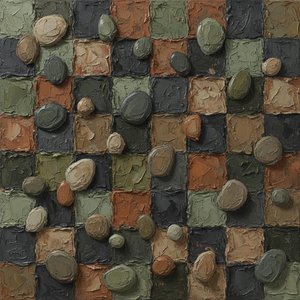
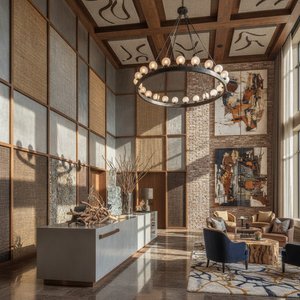
For the modern decorator and art enthusiast, selecting mixed media for a home is about more than mere aesthetics; it is about creating an atmosphere of depth and character. In the realm of luxury interior design, the era of flat, uninspired imagery has passed. The challenge for the contemporary collector lies in creating spaces that feel layered and lived-in. Mixed media works are uniquely suited for this purpose because they possess a physical presence that traditional prints lack. A well-placed assemblage or a textured collage can act as an architectural element, adding a sense of "relief" to a flat wall and providing a focal point that changes as the light shifts throughout the day.
When integrating these pieces into a room, consider how the textures interact with your existing environment. A piece featuring heavy impasto or rugged materials can provide a stunning counterpoint to the sleek lines of modern furniture, while softer, fabric-based collages can add warmth and intimacy to a study or bedroom. Because mixed media art often incorporates elements of nature—wood, stone, or organic fibers—it possesses an innate ability to ground a space, bringing a piece of the tangible world indoors. It is about building a room that doesn't just look beautiful but feels rich with stories and sensory layers.
Investing in Innovation: Identifying Value in Contemporary Mixed Media Works
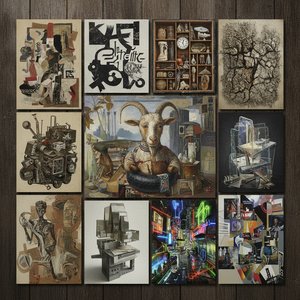 10 Iconic Mixed Media Masterpieces That Redefined Modern Art
Introduction Imagine, if you will, walking through a quiet gallery at twilight, where the light catches not just the pigment of a canvas, but the unexpected texture of sand, the delicate fraying of fabric, or the sharp edge of a found object. There i...
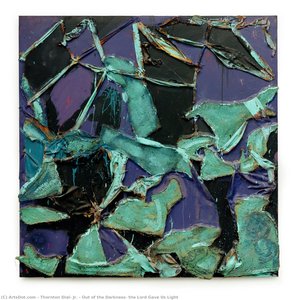
As you begin to expand your collection, identifying value in mixed media requires an eye for both technical mastery and conceptual depth. The true value of these works often lies in the "unexpected harmony" achieved by the artist—the ability to blend disparate, often clashing elements into a cohesive, breathtaking whole. When evaluating a piece, look for the intentionality behind the materials. How does the artist use texture to guide the eye? Is there a sophisticated balance between the organic and the industrial?
Furthermore, the longevity of the work is a crucial consideration for any serious collector. Because mixed media involves various chemical compositions—from oils and gesso to metals and fabrics—the preservation of the artwork is paramount. High-quality pieces, much like the hand-painted reproductions we celebrate at ArtsDot.com, are created with an eye toward permanence, using stable materials and protective finishes like Damar varnish to ensure the pigments and textures remain vibrant for generations. Ultimately, investing in mixed media is an investment in the spirit of innovation; it is a way to own a piece of the ongoing revolution that continues to redefine what a masterpiece can be.
Discover more ways to bring texture and history into your home at ArtsDot.com.