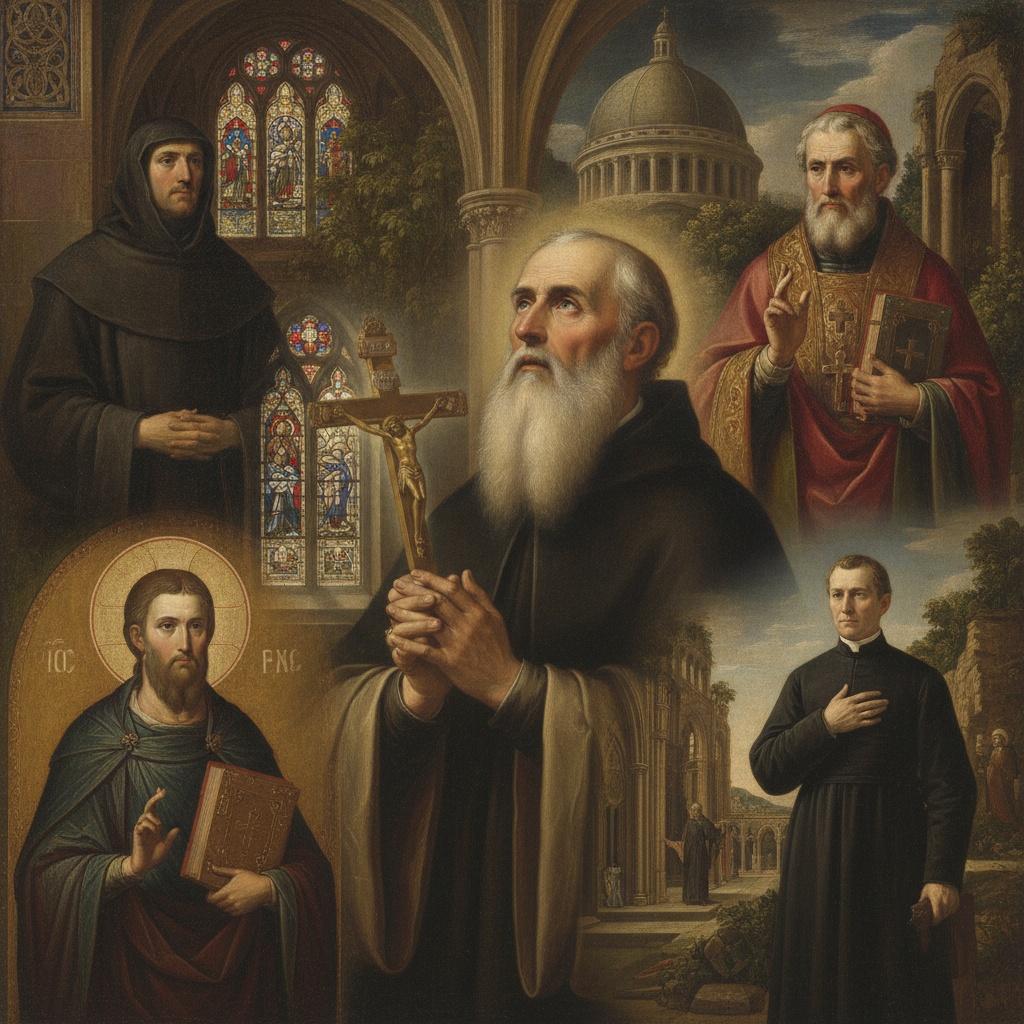
The Sacred Gaze: An Introduction to the Spiritual Power of Clerical Portraiture
 Divine Visions: Exploring the Power of Spiritual Themes and Sacred Symbolism in Fine Art History
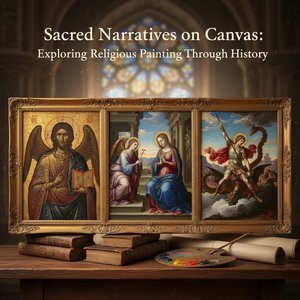
The Sacred Canvas: An Introduction to Spiritual Narratives in Art History Throughout the long corridors of human history, art has served as more than a mere mirror to reality; it has functioned as a window into the transcendent. For centuries, the ca...
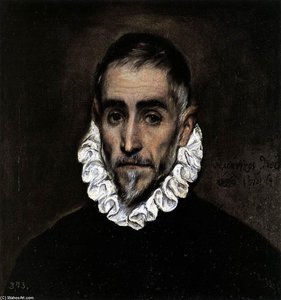
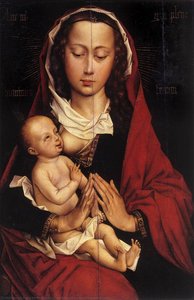
From the very dawn of human consciousness, the impulse to represent the divine has manifested itself through the medium of art. Long before written languages could codify our deepest beliefs, images served as potent vehicles for communicating with the unseen world. In the history of religious portraiture, few subjects carry as much weight as the clergy—the priests and monks who have, for centuries, acted as the living bridges between the earthly and the transcendent. To look upon a well-executed portrait of a priest is not merely to observe a man in vestments; it is to encounter a window into the soul's deepest yearnings.
These portraits function as more than mere historical records. They are sacred narratives embodied, capturing a sense of devotion that transcends time. Whether through the solemnity of an early Christian fresco or the luminous detail of a Renaissance masterpiece, the clerical portrait invites the viewer into a space of quiet contemplation and reverence. At ArtsDot.com, we believe that this spiritual connection is what makes classical art so enduringly relevant for the modern home. When we recreate these works as handmade oil reproductions, our goal is to preserve that very "sacred gaze," ensuring that the profound stillness and spiritual authority of the original subject are felt by everyone who enters the room.
Decoding the Divine: Symbolism and Iconography in Religious Figures
A halo (from Ancient Greek ἅλως, hálōs, 'threshing floor, disk'), also called a nimbus, aureole, glory or gloriole (Latin: gloriola, lit. 'little glory'), is a crown of light rays, circle or disk of light that surrounds a person in works of art. The ...
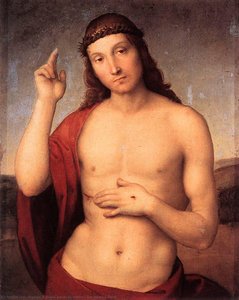
To truly appreciate religious portraiture, one must learn to read its visual language. The history of sacred art is a history of iconography—a complex system of symbols, gestures, and colors designed to convey theological truths to the faithful. One of the most recognizable elements is the halo, or nimbus, a crown of light that surrounds a holy figure to signify their sanctity. This radiant disk of light, often rendered with shimmering gold leaf, elevates the subject from the mundane realm into the celestial.
Beyond the halo, every detail in a clerical portrait carries weight. The specific way a priest holds a book might symbolize divine wisdom, while certain colors in his robes can represent martyrdom, purity, or authority. We see this in the meticulous attention to detail found in works like those of Fra Angelico, where light and color are used to create a sense of divine grace. Even the most subtle gestures—a hand placed over the heart or a downward gaze of humility—are intentional artistic choices meant to evoke introspection. Understanding these symbols allows us to move beyond simple observation and into a deeper, more meaningful dialogue with the artwork.
Beyond the Altar: Capturing Human Emotion and Devotion through Brushstrokes
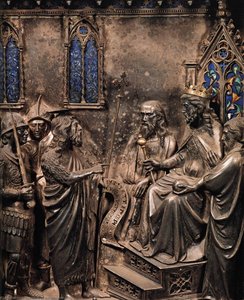 leonardo di ser giovanni
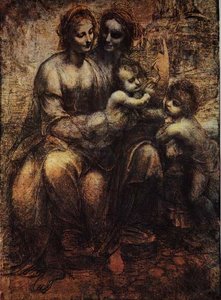
Leonardo da Vinci: The Florentine Genius Behind Religious Iconography Leonardo di ser Piero da Vinci (April 15, 1452 – May 2, 1519), born in Anchiano near Florence, Italy, stands as one of the most monumental figures in Renaissance art and scholarshi...
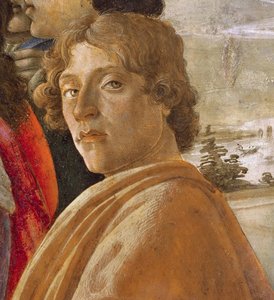
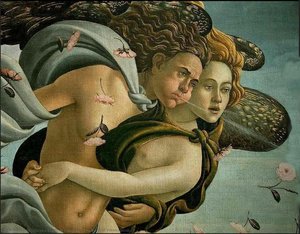
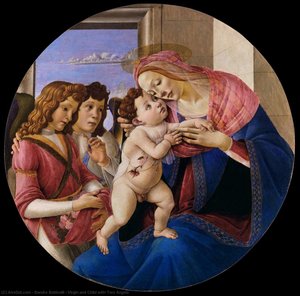
While the primary purpose of religious art was often devotional, the evolution of artistic technique brought a profound human element to these sacred subjects. During the Renaissance, masters like Leonardo da Vinci and Sandro Botticelli began to infuse their works with an unprecedented level of emotional depth and naturalism. They moved beyond rigid, stylized icons to capture the humanity within the holy. In these portraits, we see the flicker of doubt, the warmth of compassion, and the weight of responsibility in a priest's expression.
This emotional resonance is achieved through the mastery of technique—the way light falls across a face or how a brushstroke defines the texture of heavy fabric. This is precisely why we emphasize handmade oil reproductions over simple prints. A true oil painting possesses a tactile depth that a digital print cannot replicate. The visible, textured brushstrokes and the rich, layered tonal range of oil on 100% cotton canvas allow the light to interact with the paint itself, much like the original masterpieces. It is this physical presence—the "soul" of the paint—that captures the true essence of devotion and brings the human emotion of the subject into your living space.
Timeless Grace: Integrating Sacred Aesthetics into Modern Interior Design
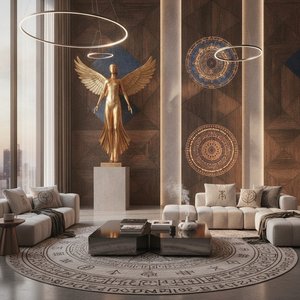 Divine Energy: The Bold Rise of Sacred Iconography in High-Impact Modern Interiors
The New Sacred Aesthetic: Why Divine Icons are Dominating Modern Street Style Aggressive Pop Art: The High-Impact Movement Redefining Street Style and Urban Design The Death of Minimalism: Why Aggressive Pop is Reclaiming Modern Interiors Modern Remi...