The Art of Observation: Defining Botanical Realism
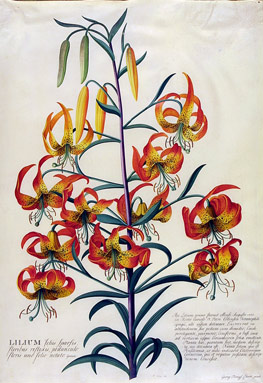 Botanical illustration
Botanical illustration is the art of depicting the form, color, and details of plant species. They are generally meant to be scientifically descriptive about subjects depicted and are often found printed alongside a botanical description in books, ma...
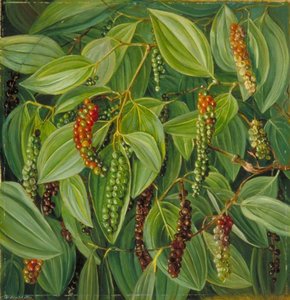
To wander through the annals of art history is to witness a profound, ancient dialogue between humanity and the verdant world. Long before the advent of sophisticated scientific tools or the clarity of the camera lens, our understanding of the plant kingdom was inextricably linked to the skill and patience of the artist. Botanical realism is not merely a style; it is a disciplined pursuit where the artist’s eye becomes a primary instrument of discovery. This genre demands an extraordinary level of precision, seeking to depict the form, color, and intricate details of plant species with such fidelity that they serve as both aesthetic triumphs and scientific records.
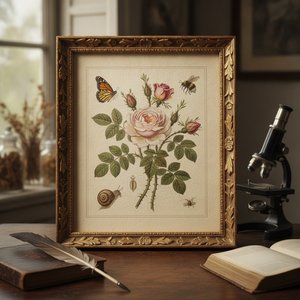
At its heart, botanical realism exists at the intersection of absolute precision and raw passion. Unlike a general landscape, which may prioritize atmosphere or mood, a botanical study focuses on the minute architecture of life—the delicate veins of a leaf, the velvety texture of a petal, or the complex structure of a seed pod. It requires an understanding of plant morphology, where every brushstroke must contribute to a truthful representation of the specimen. When we look closely at these works, we see more than just pigment on canvas; we see a dedication to capturing the very essence of life’s intricate patterns, rendered with a clarity that invites us to pause and truly see the natural world for the first time.
From Science to Soul: The Historical Evolution of Botanical Illustration
 Botanical Realism: The Art of Capturing Nature's Precise Detail through Scientific Mastery
The Evolution of Observation: From Ancient Herbals to Scientific Realism The Art of Precision: A Definitive Guide to Scientific Illustration and Botanical Mastery The Roots of Observation: From Ancient Herbals to Scientific Realism The Flourishing Ca...
The journey of botanical art began not in the gallery, but in the practical necessity of survival and medicine. In the medieval period, monasteries served as vital centers for preserving knowledge, where monks cultivated medicinal gardens and created herbals—illustrated compendia detailing the uses of plants for healing. While these early works often relied on artistic conventions that prioritized symbolic meaning over strict realism, they laid the essential groundwork for a more disciplined approach to observation. As the centuries progressed, this impulse evolved from pure symbolism toward a burgeoning need for utility, setting the stage for a revolution in naturalism.
As the era of exploration dawned, the role of the illustrator expanded into that of a vital scientific chronicler. During the Renaissance and beyond, the desire to accurately document the expanding known world reached its zenith. This period saw the transition from art as myth to art as a tool for human advancement. The creation of these works often required a collaborative spirit, with illustrators working in close consultation with scientific authors to ensure that every detail was taxonomically correct. From the early medicinal herbals to the monumental scientific volumes of later centuries, the evolution of botanical illustration reflects our growing intimacy with the earth, transforming the act of drawing into an act of profound intellectual and spiritual inquiry.
Masters of the Petal: Iconic Artists and Their Natural Legacies
 Nature Unbound: The Top 25 Masterpieces by Victorian Explorer Marianne North
Introduction To step into the world of Marianne North is to embark on a journey that transcends the boundaries of a traditional art gallery, moving instead through the lush, untamed corridors of the globe’s most vibrant ecosystems. Her work does not ...
The history of botanical art is illuminated by luminaries who balanced the rigors of science with the grace of fine art. Consider the monumental contribution of Johann Simon von Kerner, a pioneer whose life was inextricably linked to the burgeoning world of botany. His twelve-volume masterpiece,
Hortus Sempervirens, stands as a testament to meticulous observation and artistic skill, capturing the essence of European plant life with an unparalleled dedication to accuracy. Similarly, the works of Claude Aubriet remind us of the silent chroniclers who found their vocation in the obsessive attention to detail, documenting the complexity of the natural world long before modern photography could capture its fleeting beauty.
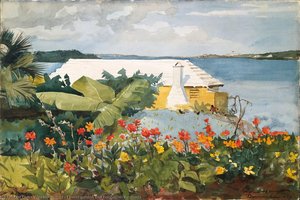
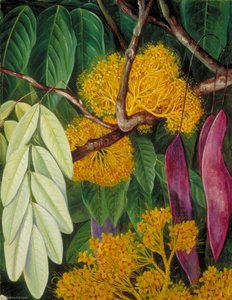
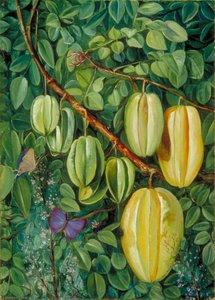
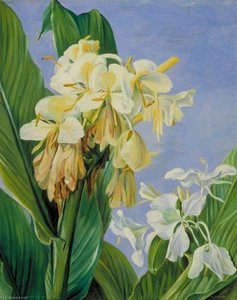
In contrast to the formal, isolated specimens of scientific study, the Victorian era introduced a more untamed perspective through the work of Marianne North. A true pioneer, North refused to be confined by the traditional boundaries of the Victorian drawing room. Her paintings do not merely depict plants; they capture the very breath of the wild, preserving the energy of ecosystems from Borneo to Japan within layers of pigment and light. Her work represents a beautiful blurring of boundaries, where the heat of the jungle and the sunlight of a clearing are brought directly to the viewer. Alongside the exquisite, scientifically precise studies of Robert Havell Jr., such as his elegant
Lilium candidum, these masters have left us a legacy that is both a scientific archive and a profound emotional testament to the splendor of nature.
The Aesthetic of Precision: Bringing Botanical Elegance into Modern Interiors
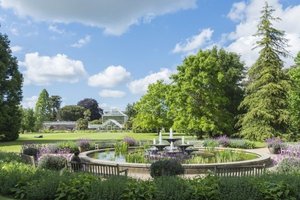 Cambridge University Botanic Garden
A Living Chronicle of Botanical Artistry Nestled within the historic heart of Cambridge, the Cambridge University Botanic Garden serves as much more than a mere horticultural display; it is a living, breathing masterpiece where scientific inquiry mee...
In the contemporary home, botanical realism offers a unique opportunity to introduce a sense of timeless sophistication and tranquility. For the modern decorator, these artworks serve as a bridge between the structured elegance of classical design and the organic warmth of the natural world. The beauty of botanical art lies in its versatility; a detailed watercolor study can act as a delicate accent in a bright, airy room, while a large-scale oil reproduction can serve as a commanding focal point in a grand hallway or library.
Integrating these pieces into an interior design scheme allows for a curated exploration of color and mood. One might choose to browse by color palette, selecting vibrant, lush greens to evoke a sense of vitality, or soft, muted pastels to create a serene sanctuary. The tactile depth of a hand-painted oil reproduction—with its visible brushstrokes and rich tonal range—adds a layer of luxury that mass-produced prints simply cannot replicate. By treating botanical art as a foundational element of decor, we can transform our living spaces into much more than mere rooms; they become curated environments that celebrate the enduring majesty of the natural world.
Preserving the Wild: The Enduring Value of Botanical Art in a Changing World
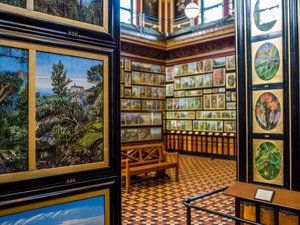 Marianne North Gallery
A Victorian World Captured in Bloom: The Marianne North Gallery Stepping into the Marianne North Gallery at Kew Gardens is akin to entering a forgotten world—a vibrant, immersive cabinet of curiosities brought to life through the meticulous brushstro...
As we navigate an era of rapid environmental change, the value of botanical art has taken on a new, poignant dimension. These artworks have become vital historical records—vivid, colorful testimonies to the health and splendor of ecosystems as they existed in centuries past. To look upon a painting by Marianne North or a study from the 19th century is to witness a window into a vanished era of discovery. In this sense, botanical realism serves as a form of visual preservation, capturing the biodiversity of our planet with an intimacy that remains scientifically significant even today.
Ultimately, the enduring appeal of botanical art lies in its ability to speak to our contemporary desire to reconnect with the earth. It offers a moment of stillness in a fast-paced world, inviting us to contemplate the intricate beauty of a single bloom or the complex architecture of a leaf. Whether through the scientific precision of a historical plate or the lush, immersive energy of a landscape painting, botanical art continues to inspire awe and reverence. It remains a profound celebration of life, reminding us that even in the smallest detail, there is a universe of wonder waiting to be discovered.
This article was originally prepared for ArtsDot.com.