Introduction
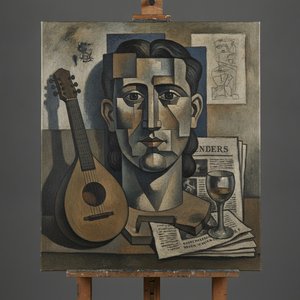
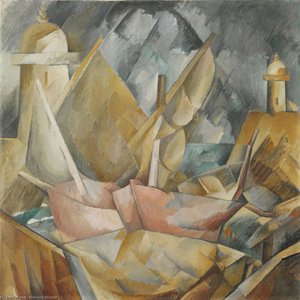
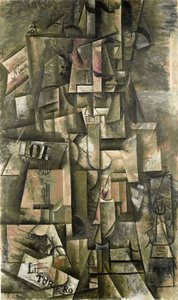
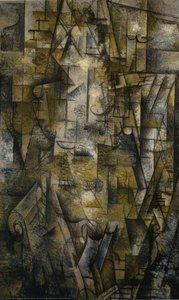
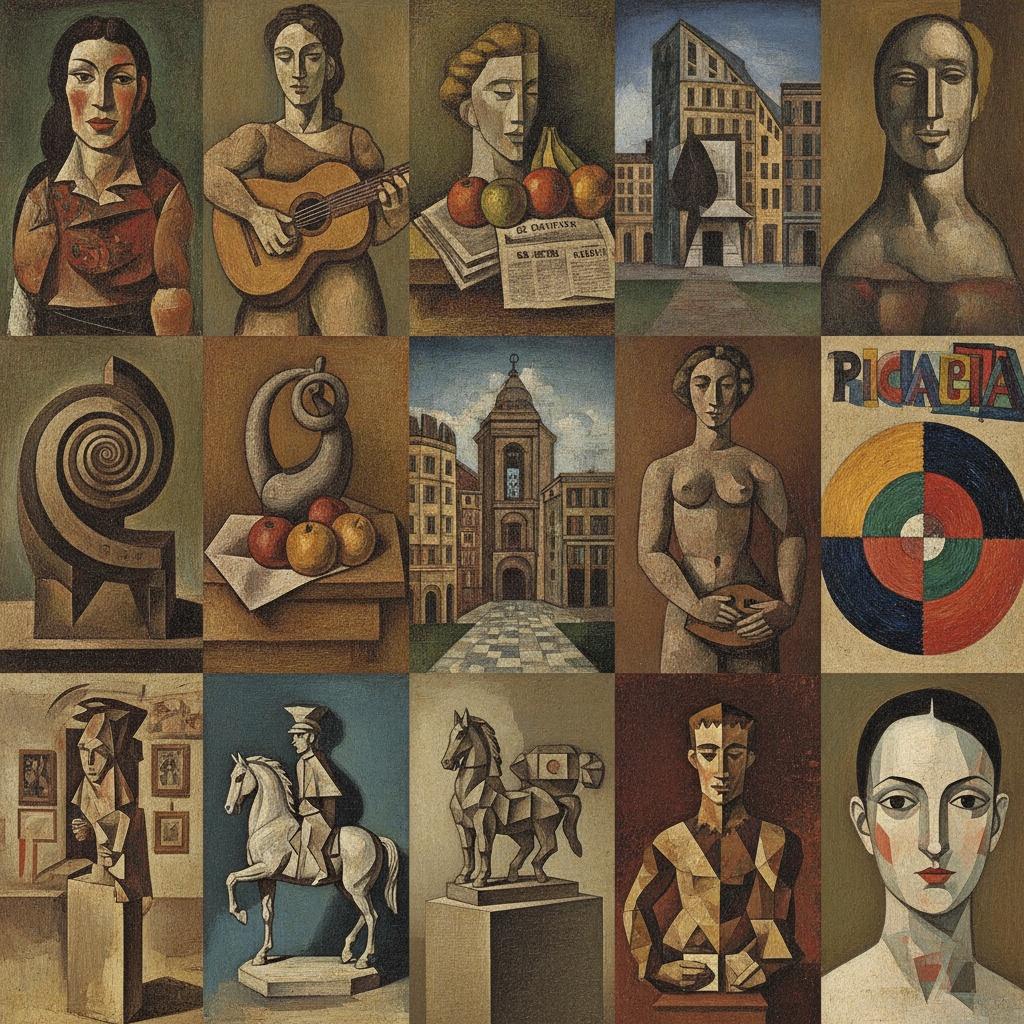
Imagine walking into a room where the familiar boundaries of reality begin to soften and shift. The objects you once knew—a guitar, a wine glass, a human face—suddenly fragment, revealing themselves from multiple perspectives all at once. This is the breathtaking magic of Cubism, an art movement that didn't just change how we paint, but fundamentally altered how we perceive the very fabric of our world.
Emerging in the early 20th century amidst a whirlwind of industrial progress and scientific discovery, Cubism arrived as a radical rebellion against the traditional, single-point perspective that had dominated art since the Renaissance. Led by visionaries like Pablo Picasso and Georges Braque, this movement deconstructed the subject into geometric shapes and interlocking planes, inviting us to look through the canvas rather than just at it. It was a cultural earthquake, mirroring a world that was becoming increasingly fast-paced, complex, and interconnected.
Today, these works remain profoundly meaningful because they capture the essence of modern life: the beauty found in fragmentation and the excitement of seeing the familiar through a new lens. Whether you are drawn to the earthy, structured tones of Analytic Cubism or the vibrant, collage-like energy of Synthetic Cubism, these masterpieces continue to challenge our eyes and stir our imaginations. As we journey through this curated selection, we will explore ten transformative works that serve as the heartbeat of the movement—each one a window into a revolutionary way of seeing.
Guernica - Pablo Picasso
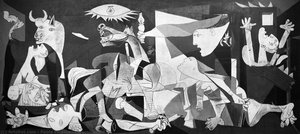 Guernica - Pablo Picasso
Owning a piece inspired by Guernica by Pablo Picasso is more than an aesthetic choice; it is an investment in a profound historical legacy and a testament to discerning taste. As one of the most significant pillars of the Top 10 Masterpieces That Defined the Cubism Art Movement , this monumental work transcends mere canvas. Its monochromatic palette of stark blacks, whites, and greys strips away distraction, forcing a raw encounter with the fragmented, angular forms that define the Cubist revolution. Picasso’s use of distorted perspectives and symbolic imagery—from the grieving mother to the wounded horse—creates a visceral, rhythmic chaos that remains unparalleled in market value and cultural influence.
For the modern collector, bringing this level of emotional depth into a home allows for a powerful design statement. A high-quality, hand-painted reproduction of Guernica carries an immense aesthetic authority, acting as a sophisticated anchor for luxury interiors. It introduces a sense of intellectual gravity and timeless status, transforming a contemporary living space into a curated gallery of human history.
Three Musicians - Pablo Picasso
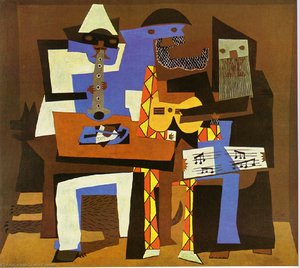 Three Musicians - Pablo Picasso
In Three Musicians by Pablo Picasso, the chaotic fragmentation of early Cubism evolves into a breathtakingly harmonious arrangement of shapes and color. As one of the most essential works in our exploration of the Top 10 Masterpieces That Defined the Cubism Art Movement , this 1921 masterpiece showcases the peak of Synthetic Cubism. Picasso masterfully deconstructs figures—inspired by the Commedia dell'arte —into a rhythmic dance of flat planes, angular lines, and overlapping geometric forms. The composition achieves a profound structural balance, where blues, ochres, and earthy browns interlock to create a sense of timeless perfection.
There is a captivating stillness in this musical ensemble that feels remarkably modern. Much like the principles of modern minimalist design , Picasso’s use of simplified forms and a controlled palette allows the artwork to ground a contemporary space with sophisticated elegance. The way the shapes flow into one another creates a visual melody, making it an enduring icon that continues to inspire anyone looking to bring a sense of intellectual depth and curated beauty into their home.
The Young Ladies of Avignon - Pablo Picasso
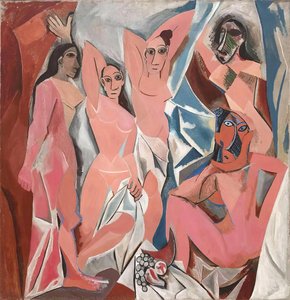 The Young Ladies of Avignon - Pablo Picasso
If you are looking for the exact moment art history fractured into something new, look no further than The Young Ladies of Avignon by Pablo Picasso. This isn't just a painting; it is a seismic event on canvas. Painted in 1907, this monumental work acts as the detonation point for the Cubism movement, shattering centuries of tradition to reveal a world of jagged planes and radical perspectives.
As you stand before these five figures, you aren't met with soft, idealized beauty, but with a confrontational, geometric energy. Picasso deconstructs the human form using sharp angles and muted tones of pink, grey, and ochre, heavily influenced by the striking power of African tribal masks. The space feels flattened and dynamic, rejecting depth to embrace a raw, primal truth. To bring a piece like this into your home is to invite a conversation with genius; it transforms a simple wall into a gallery of the soul, proving that true art doesn't just decorate a room—it redefines it.
Portrait of Ambroise Vollard - Pablo Picasso
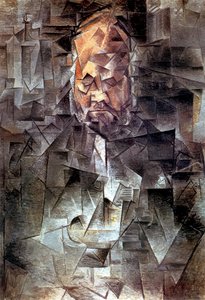 Portrait of Ambroise Vollard - Pablo Picasso
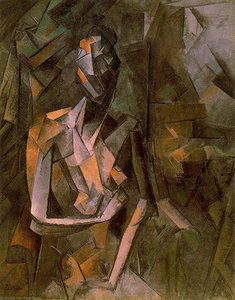
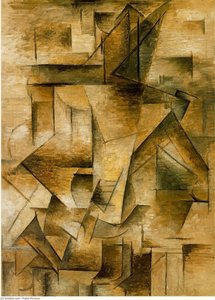
Did you know that the subject of this masterpiece, the legendary art dealer Ambroise Vollard, was famously known to drift into naps during intense conversations? In Portrait of Ambroise Vollard , Pablo Picasso captures this very essence, using the drooping head and closed eyes to lend a soulful, human vulnerability to an otherwise radical experiment. This 1910 work is a cornerstone of Analytical Cubism , where Picasso brilliantly deconstructs his subject into a complex network of interlocking geometric planes.
Moving away from vibrant colors, the palette is a sophisticated study in muted ochres, deep browns, and somber grays, focusing the viewer's attention entirely on the interplay of light and structure. By presenting multiple perspectives simultaneously, Picasso challenges us to reconstruct the man through fragments of shadow and form. This intellectual depth and disciplined composition make it an extraordinary choice for a modern study or home office; hanging such a profound exploration of perception can foster a space of deep focus, creativity, and sophisticated contemplation.
Mandola - Georges Braque
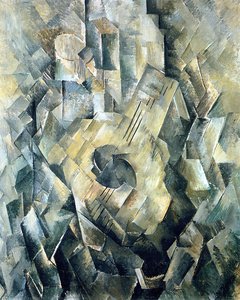
In the rhythmic fragmentation of Mandola by Georges Braque, we witness the very moment art learned to see through multiple dimensions at once. As a cornerstone of the Top 10 Masterpieces That Defined the Cubism Art Movement , this 1910 work transcends mere musical depiction; it is a profound intellectual dance of geometry and perception. Braque deconstructs the lute-like instrument into a delicate mosaic of muted ochres, earthy browns, and soft grays, inviting us to find beauty not in perfect lines, but in the complex interplay of overlapping planes.
This masterpiece captures the essence of Analytical Cubism , reflecting a period where artists shattered tradition to explore the structural soul of objects. To gaze upon Mandola is to contemplate how our own perceptions are layered and multifaceted. For the modern collector, bringing this piece into a curated space offers more than just decor; it introduces a quiet prestige and a sophisticated, textured dialogue between historical innovation and contemporary interior design. It serves as a timeless reminder that even when things appear fractured, there is a deeper, harmonious structure waiting to be discovered.
I and the Village - Marc Chagall
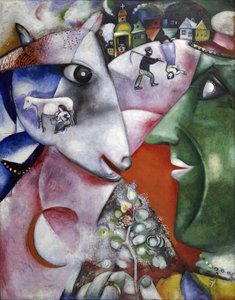 I and the Village - Marc Chagall
Before it became a cornerstone of modern art, I and the Village was a deeply personal attempt by Marc Chagall to reconstruct his childhood in Vitebsk through a fractured lens. While many view Cubism as a purely intellectual exercise in geometry, Chagall used its fragmented language to map the fluid, often surreal landscape of memory. In this 1911 masterpiece, he brilliantly synthesizes Cubist structural principles with the vibrant, emotional pulse of Fauvism.
As you gaze upon the composition, you are drawn into a dreamscape where a green-faced figure and a soulful horse merge seamlessly with village vignettes. The technical genius lies in his ability to use overlapping shapes and non-naturalistic colors—deep blues and earthy greens—to create a sense of movement that defies traditional perspective. This piece stands as a vital entry in our exploration of the Top 10 Masterpieces That Defined the Cubism Art Movement because it proves that abstraction can be profoundly human. Bringing such a layered, intellectually stimulating work into your study or home office creates an atmosphere of profound reflection and creative ambition, perfect for those who find inspiration in the intersection of logic and dreams.
The Birthday - Marc Chagall
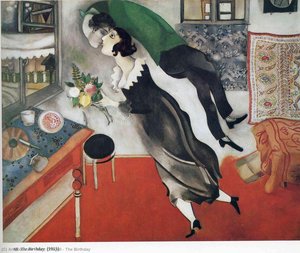 The Birthday - Marc Chagall
In The Birthday by Marc Chagall, a deep, passionate red anchors the composition, instantly setting a mood of profound intimacy and romantic fervor. This vibrant hue does more than just capture a moment of celebration; it serves as the emotional heartbeat of this masterpiece, which stands as a pivotal entry in our exploration of the Top 10 Masterpieces That Defined the Cubism Art Movement . Chagall masterfully weaves together the fragmented perspectives of Cubism with the expressive, non-naturalistic palette of Fauvism, creating a dreamlike world where gravity ceases to exist.
The innovative use of contrasting blues and warm oranges creates a sense of weightless joy, making the piece a cornerstone of modern art history. For those looking to curate a meaningful home, this artwork is a transformative design element. Imagine placing a high-quality reproduction in a dining room; the painting’s energetic color scheme can serve as the primary inspiration for your accent pillows or table settings, injecting a sense of theatricality and warmth into your space. It is a perfect choice for creating a focal point that feels both historically significant and vibrantly modern.
Man with a Guitar - Georges Braque
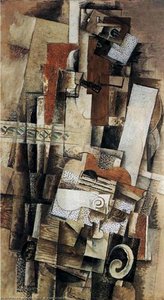 Man with a Guitar - Georges Braque
Before the world recognized him as a titan of modernism, Georges Braque was quietly deconstructing the very fabric of reality, working alongside Picasso to dismantle the traditional portrait. In Man with a Guitar (1914), we witness the pinnacle of Analytical Cubism, where the musician is not merely painted, but meticulously reassembled through a complex dance of geometric planes. Braque eschews the distraction of vibrant color, choosing instead a soulful, restrained palette of ochre, umber, and sienna that directs your focus to the intellectual puzzle of form and space.
The texture of the oil paint, with its subtle, visible brushstrokes, creates a tactile depth that invites you to linger on each fractured edge. There is a profound, rhythmic harmony in how the guitar's curves intersect with angular shadows, capturing multiple perspectives in a single, breathless moment. This masterpiece does more than decorate; it commands thought. Hanging such a piece in a modern home office or study provides an atmosphere of intense focus and sophisticated intellectual energy, perfect for those who find inspiration in the beautiful complexity of a well-ordered mind.
Cubist Self-portrait - Salvador Dalí
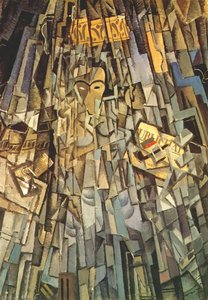 Cubist Self-portrait - Salvador Dalí
Imagine stepping into a quiet, sun-drenched study where the boundaries between reality and reflection begin to dissolve. In his 1926 Cubist Self-portrait , a young Salvador Dalí invites us into this very moment of intellectual discovery. Before he became the icon of Surrealism, Dalí used the language of Analytical Cubism to deconstruct his own identity, breaking his likeness into a captivating mosaic of geometric planes and overlapping shadows.
The palette is a sophisticated dance of muted ochres, cool grays, and deep blues, applied in deliberate, textured patches that catch the light. There is a profound sense of introspection here; as you trace the fractured lines of his face, you feel the tension between the structured world and the fragmented nature of human perception. This piece does more than just decorate a wall—it serves as a focal point for deep thought and creative energy. Whether placed in a modern minimalist office or a cozy reading nook, Dalí’s early mastery brings an air of academic elegance and a stimulating, sculptural depth to any contemporary interior.
Two women running on the beach (The race) - Pablo Picasso
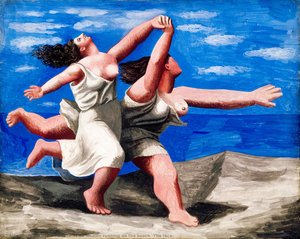 Two women running on the beach (The race) - Pablo Picasso
Did you know that Picasso’s 1922 masterpiece, Two Women Running on the Beach (The Race) , was so culturally resonant that it later served as the inspiration for a major Ballets Russes production curtain? While many associate Picasso solely with the fractured geometry of early Cubism, this work captures a breathtaking transition into a more fluid, expressive era. The painting pulses with an unbridled, rhythmic energy; two figures dash across the sand, their bodies defined by bold, gestural lines and a palette of sun-drenched whites and deep, oceanic blues.
The technical genius lies in how Picasso uses simplified, almost surreal forms to convey intense motion. The thick, visible brushstrokes and flattened perspective prioritize emotional urgency over realistic depth, creating a tactile experience that feels alive. This sense of dynamic movement and liberation makes the piece an extraordinary choice for a modern study or home office. Much like the focused ambition required to master such complex styles, hanging this artwork invites a spirit of productivity, vitality, and sophisticated creative flow into your professional sanctuary.
Conclusion
As the museum lights dim and the evening shadows stretch across the gallery floor, we are left with more than just images of fractured planes and geometric rhythms. To walk through the world of Cubism is to realize that these masterpieces are not merely relics of a bygone era, frozen in the amber of art history; they are living, breathing forces that continue to pulse through our modern consciousness. They teach us to look closer, to find beauty in the fragmented, and to appreciate the many perspectives that make up a single truth.
These works do not belong solely to the archives of the past. They live on every time we find inspiration in a bold pattern, every time we rearrange our surroundings to create a new sense of depth, and every time we allow ourselves to see the world through a more complex, layered lens. Whether it is the intellectual rigor of a Picasso or the rhythmic energy of Braque, this movement remains a vital part of our visual language, whispering stories of transformation and discovery into the very fabric of our daily lives.
If you feel moved by these fractured wonders and wish to bring a piece of this revolutionary spirit into your own sanctuary, we invite you to explore our full collection . Let these timeless shapes and textures serve as a window to a different way of seeing, turning your home into a space where history and modern emotion meet in perfect, beautiful harmony.