Introduction
Imagine standing in a quiet, sun-drenched gallery, where the air feels heavy with the whispers of centuries past. There is a unique, breathless intimacy found in works created with nothing more than ink and paper—a medium where every deliberate stroke carries the weight of a heartbeat and every empty space tells a story of its own. Unlike the grand, textured layers of an oil painting, ink on paper invites you to lean in closer, to witness the delicate dance between darkness and light, and to feel the raw, unedited pulse of the artist’s hand.
Throughout history, from the meditative brushwork of East Asian calligraphic traditions to the bold, expressive lines of European masters, ink has served as the most honest language of human emotion. These works were never merely about documentation; they were about capturing the ephemeral—the way a mist clings to a mountain, the fleeting shadow of a willow, or the sudden intensity of a storm. Across different cultures and eras, artists have used this humble medium to push the boundaries of what is possible, turning simple pigment into profound spiritual and visual revolutions.
Today, these masterpieces remain deeply meaningful because they remind us of the beauty in simplicity. In our fast-paced, digital world, there is a restorative power in seeing how a single, fluid movement can convey an entire universe of feeling. They teach us to find depth in the details and strength in the subtle. As we journey through this curated selection, we will explore ten legendary works that did more than just decorate parchment; they redefined the very essence of creativity and changed the course of art history forever.
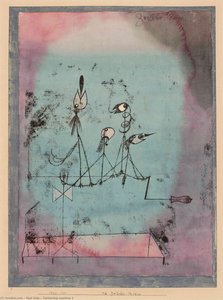
Twittering machine 1 - Paul Klee
 Twittering machine 1 - Paul Klee
Stepping into the presence of Paul Klee’s Twittering Machine 1 is like entering a delicate, waking dream. Created around 1922, this masterpiece is far more than an ink and watercolor sketch; it is a whimsical mechanical bestiary that captures the very pulse of early modernism. With a masterful command of fine, fragmented lines, Klee assembles a curious world of hybrid creatures—part organic, part industrial—perched upon a stage-like platform.
The palette is ethereal, washed in soft blues, pale pinks, and muted grays that evoke a sense of quiet, introspective wonder. As you observe the birdcage-like structures and insectoid forms, you feel the tension between nature and the rising tide of technology. Owning a piece of this legacy is an inheritance of taste, bringing a lineage of Bauhaus sophistication directly to your home. Whether placed in a sunlit study or a serene bedroom, this work offers a soulful connection to art history, inviting every viewer to rediscover the magic within the machine.
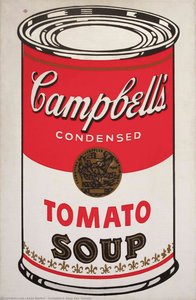
Campbell'S Soup Can (tomato) - Andy Warhol
 Campbell'S Soup Can (tomato) - Andy Warhol
In Campbell'S Soup Can (tomato) by Andy Warhol , the boundaries between grocery aisles and gallery walls dissolve through a masterful use of geometric precision. The composition is anchored by the striking verticality of the can, where bold, clean lines and a rhythmic arrangement of typography create a structural harmony that feels both intentional and inevitable. Warhol utilizes a vibrant, high-contrast palette of tomato red and crisp white, balanced perfectly by the graphic weight of black lettering. This deliberate simplicity achieves a sense of timeless perfection, making it a cornerstone of our list of legendary masterpieces.
There is a profound connection between this work's internal balance and the principles of modern minimalist design; its flat, two-dimensional aesthetic provides a grounding force for contemporary interiors seeking a clean, sophisticated look. By elevating a mundane, mass-produced object into a symbol of cultural permanence, Warhol invites us to find beauty in the everyday. It is a captivating study in how repetition and shape can transform consumerism into high art, leaving an indelible mark on the history of ink on paper.
Wham - Roy Lichtenstein
 Wham - Roy Lichtenstein
In the explosive landscape of 20th-century art, few works capture the visceral thrill of a single, frozen moment quite like Wham! by Roy Lichtenstein . This masterpiece transcends its comic-strip origins to explore the profound tension between mass media imagery and the raw chaos of conflict. Through his signature use of Ben-Day dots , bold black outlines, and a vibrant palette of primary reds and yellows, Lichtenstein transforms a scene of aerial combat into a sophisticated study of graphic impact and modern storytelling.
As one of our top 10 legendary 'ink on paper' masterpieces , Wham! continues to resonate in contemporary interior design. Its high-contrast energy and cinematic composition make it a captivating centerpiece for modern, curated spaces, bridging the gap between low-brow pop culture and high-art prestige. The artwork’s ability to turn a loud, typographic sound effect into a profound meditation on technology and destruction ensures its place as a timeless cultural talking point, inviting viewers to find beauty within the stylized wreckage of history.
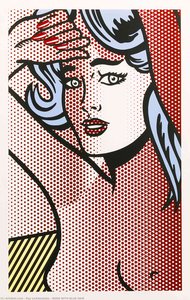
NUDE WITH BLUE HAIR - Roy Lichtenstein
 NUDE WITH BLUE HAIR - Roy Lichtenstein
Imagine stepping into a world where the boundary between high culture and comic book grit completely dissolves. There is a sudden, electric pulse of color that demands your attention, pulling you away from the traditional and into the vibrant heart of the 20th century. This is the magic found in Nude with Blue Hair by Roy Lichtenstein .
As one of our most captivating ink-on-paper treasures, this piece redefined the visual language of an era. Lichtenstein masterfully utilizes the iconic Ben-Day dot technique, creating a rhythmic texture that mimics commercial printing through tiny, precise circles of color. The palette is strikingly bold—dominated by deep blues, sharp blacks, and crisp whites—that brings a graphic, modern energy to the page. The subject’s direct, confident gaze and stylized features evoke a sense of playful allure and mid-century nostalgia. By elevating mass-media aesthetics to the level of fine art, Lichtenstein changed how we perceive beauty and consumerism forever. Today, this masterpiece continues to transform contemporary interiors, offering a sophisticated yet punchy focal point that sparks conversation and breathes life into any modern space.
Odol - Stuart Davis
 Odol - Stuart Davis
In Odol by Stuart Davis, the lines aren’t merely drawn; they are choreographed . This isn't just a still life of household objects; it is a dance frozen in time , where a simple bottle of mouthwash and everyday containers move in a rhythmic, geometric ballet. Davis, a pioneer of American Modernism, uses bold, graphic outlines and flat, vibrant color fields to transform the mundane into something monumental. The composition follows a precise triangular arrangement, guiding your eye through a world of simplified shapes—cylinders and rectangles that pulse with the energy of jazz.
There is a profound magic in how this ink-on-paper masterpiece makes the chaos of consumer culture feel like pure harmony. By elevating commercial branding to the level of fine art, Davis invites us to find beauty in the ritual of daily life. Odol stands as a legendary pillar in our collection because it challenges us to look closer at the familiar. What if your own walls could breathe rhythm ? This piece proves that even the most ordinary objects can hold an extraordinary, soulful balance.
A study of a horse - Leonardo da Vinci
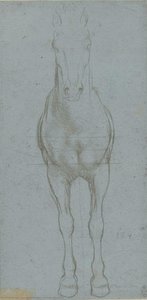 A study of a horse - Leonardo da Vinci
To gaze upon A Study of a Horse by Leonardo da Vinci is to witness the very moment science and soul converge on paper. Created around 1490, this intimate ink sketch is far more than an anatomical exercise; it is a profound meditation on the rhythm of life itself. Through masterful hatching and delicate, fine lines, Leonardo captures the powerful musculature and intelligent gaze of his subject, using a monochromatic palette of earthy browns and subtle greys to build a breathtaking illusion of volume.
There is a quiet, rhythmic energy in the way the ink dances across the paper, suggesting movement even in stillness. This piece represents the relentless pursuit of truth—a window into the mind of a polymath who saw the mathematical elegance hidden within nature's organic forms. Bringing such a masterpiece into your home isn't merely about decorating a wall; it is about inviting that same spirit of curiosity and timeless wonder into your daily life, transforming a simple room into a personal gallery of the soul.
Illustration to "A Week of Kindness" - Max Ernst
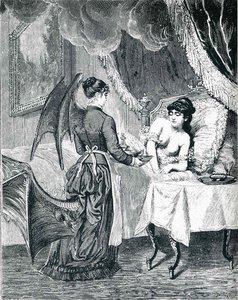 Illustration to "A Week of Kindness" - Max Ernst
In the shadowed corners of 1934, Max Ernst breathed life into a psychological landscape that continues to unsettle and captivate the modern imagination. His illustration for "A Week of Kindness" is far more than a mere graphic accompaniment; it is a profound invitation into a realm where domestic stability and surrealist nightmares dissolve. The lines in this masterpiece aren’t merely drawn; they are choreographed , guiding us through a bedroom interior that feels simultaneously intimate and profoundly alien.
The composition centers on a disturbing tableau: a woman reclines upon heavy, undulating fabrics while another figure stands beside her, marked by the startling emergence of bat-like wings. Through meticulous hatching and cross-hatching, Ernst builds a world that is palpably tactile, using monochrome tones to create deep pockets of darkness. This work is not just a composition; it is a dance frozen in time , where the collision of the recognizable with the monstrous creates an unforgettable tension. What if your own walls could hold this same balance? What if your home could capture such a rhythmic, dreamlike breath?
Fruit, vegetables and other studies - Leonardo da Vinci
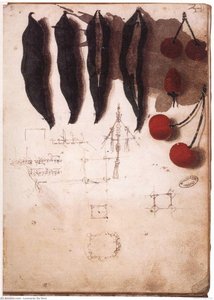 Fruit, vegetables and other studies - Leonardo da Vinci
In Leonardo da Vinci’s Fruit, Vegetables and Other Studies (c. 1487), the lines aren’t merely drawn; they are choreographed . This isn't just a collection of botanical sketches; it is a dance frozen in time , where the delicate weight of a cherry stem meets the rigid precision of geometric inquiry. As you gaze upon these brown ink strokes, you witness the moment art and science became inseparable.
Leonardo uses meticulous hatching to breathe life into organic forms—apples, oranges, and carrots—transforming simple paper into a living, breathing study of texture and volume. The composition balances the abundance of nature with the calculated intellect of the Renaissance, making chaos feel like pure harmony. There is a profound rhythm in how he captures light and shadow, inviting us to find beauty in the anatomical details of the natural world. Imagine your own space infused with this same sense of discovery; what if your walls could breathe rhythm and reflect such timeless, scientific curiosity?
Sleeping man and sitting woman - Pablo Picasso
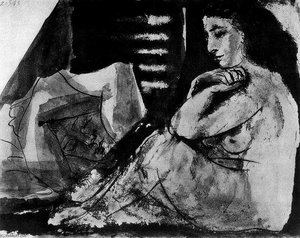 Sleeping man and sitting woman - Pablo Picasso
Imagine a quiet, moonlit room where the only sound is the soft rhythm of breathing. In Pablo Picasso’s “Sleeping Man and Sitting Woman,” we are invited into this very moment of profound stillness. This ink masterpiece isn't just a drawing; it is a rhythmic dance of black and white lines that captures the raw, pulse-like energy of human intimacy. Through bold, gestural strokes, Picasso strips away the unnecessary, leaving us with the essential contours of vulnerability and repose.
The texture of the ink feels almost tactile, as if you can sense the weight of the artist's hand moving across the paper. There is a beautiful tension between the heavy, dark shadows and the light, sweeping arcs that define the figures. This piece stands out among legendary ink works because it prioritizes emotional truth over photographic detail, using Expressionist techniques to evoke a sense of shared solitude. Bringing a work of this caliber into your home—perhaps as a striking mid-range canvas print—adds a layer of sophisticated introspection to a modern living space, offering a focal point that inspires calm, creative reflection and a deep connection to the history of fine art.
Brattata - Roy Lichtenstein
 Brattata - Roy Lichtenstein
Before it became a cornerstone of Pop Art, Roy Lichtenstein found unexpected inspiration not in a museum, but within the gritty, mass-produced pages of DC Comics . In creating Brattata (1962), he performed a brilliant act of artistic alchemy, transforming a single panel from All-American Men of War into a high-stakes masterpiece of ink on paper. This piece captures the electric tension of the Cold War era through the eyes of a masked pilot, utilizing his legendary Ben-Day dots to mimic the mechanical texture of industrial printing.
The visual impact is undeniable: stark black outlines clash against a minimalist white void, punctuated by sudden, dramatic bursts of red. This geometric precision and use of high-contrast hatching create a sense of urgent, cinematic movement that feels both chaotic and controlled. For the modern professional, bringing the bold, graphic energy of Brattata into a home office or study provides more than just decor; it introduces a focused, decisive atmosphere, where the sharp lines and striking compositions inspire clarity and creative momentum.
Conclusion
As the light fades and we step away from these delicate lines and profound shadows, we realize that these ink masterpieces are far more than mere relics of a bygone era. They are not frozen in time, locked behind museum glass; rather, they are living, breathing whispers of the human spirit that continue to pulse through our modern world. Each stroke of the brush, each intentional smudge of ink, carries an echo of emotion—a quiet strength or a sudden burst of joy—that remains as potent today as it was centuries ago.
To bring these works into your own home is to invite that timeless conversation into your daily life. Whether it is the serene simplicity of a landscape or the dramatic tension of a portrait, these pieces possess a unique ability to transform a room from a mere space into a sanctuary of reflection and soul. They remind us that beauty, in its most distilled form, is an enduring constant amidst the noise of the present.
We invite you to continue your own journey of discovery and find the piece that speaks directly to your heart within our full collection . Let these shadows and light guide you, and may you find a fragment of history that makes your space feel truly, beautifully complete.