The Postwar Canvas: Economic Prosperity and the Rise of Consumerism
 The Mass Media Muse: How Pop Art Redefined the Modern Masterpiece
The Postwar Canvas: Economic Prosperity and the Rise of Consumerism To understand the seismic shift brought about by Pop Art, one must first look to the landscape of the post-World War II era, a period defined by an unprecedented surge in economic vi...
To understand the sudden, vibrant eruption of Pop Art, one must first look back at the quiet, transformative years following the Second World War. It was an era defined by a profound shift in the very fabric of human existence. As the shadows of global conflict receded, they were replaced by the vibrant, neon glow of a burgeoning consumer culture. In America and parts of Europe, a new landscape emerged—one of unprecedented economic expansion and the steady rise of the middle class. This was a time when the suburban dream began to take shape, characterized by mass-produced homes and a newfound sense of stability that provided the fertile soil for a cultural revolution.
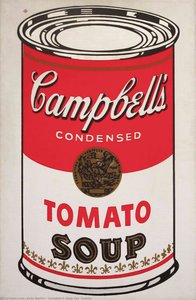
This period of prosperity was not merely about material wealth; it was about the democratization of experience. The rapid development of suburban landscapes and the accessibility of inexpensive, mass-produced goods created a new social fabric—one woven with the threads of convenience, abundance, and a shared visual language. As the hum of the television replaced the crackle of the radio as the heartbeat of the household, the airwaves were filled with the burgeoning sounds of rock and roll, providing a rhythmic soundtrack for a generation navigating newfound freedoms. The availability of commodities meant that the objects of daily life—from the humble soup can to the glossy magazine cover—became universal touchstones, creating a landscape where the boundaries between high culture and everyday life began to blur.
Breaking the Fourth Wall: From Abstract Expressionism to Mass Media Imagery
 Challenging Conventions: Pop Art's Origins, Evolution & Enduring Legacy
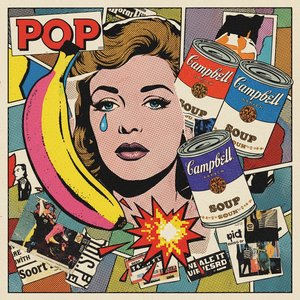
The Genesis of Pop: From Post-War Rebellion to Artistic Innovation Just what is it that makes today’s homes so different, so appealing. Explore Richard Hamilton’s iconic 'Just What Is It?' collage! A groundbreaking Pop Art masterpiece blending surrea...
The mid-20th century witnessed a seismic shift in the art world, a deliberate turning away from the introspective depths of Abstract Expressionism towards the vibrant, often brash realities of popular culture. Where previous movements sought refuge in the subconscious and the deeply personal, Pop artists chose to break the fourth wall, inviting the external world—the loud, the bright, and the commercial—directly into the gallery space. This was not merely a change in subject matter; it was a fundamental challenge to the traditional sanctity of fine art. Artists began to realize that the true pulse of modern life resided not in the ethereal or the abstract, and certainly not in grand historical narratives, but in the tangible, the repetitive, and the profoundly ordinary.
This movement presented a radical departure from the hermetic nature of the preceding era. By incorporating imagery from advertising, comic books, and mundane mass-produced objects, Pop Art bridged the gap between the elite collector and the common observer. It was an era where the tension between the traditional sanctity of fine art and the encroaching tide of commercialism set the stage for a revolution. As artists turned their gaze toward the media-saturated landscape, they began to recognize that the true subject of modern life was found sitting on kitchen tables and flickering across television screens, transforming the mundane into something monumental.
Icons of the Everyday: Decoding Warhol, Lichtenstein, and the New Visual Language
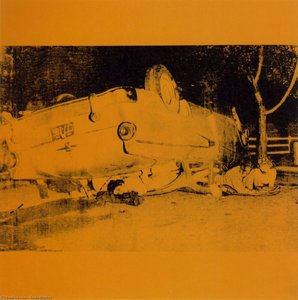
 Five deaths
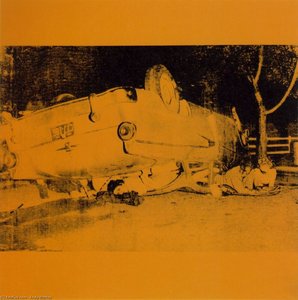
A Haunting Reflection on Modernity: Decoding Andy Warhol’s ‘Five Deaths’ Andy Warhol's *‘Five Deaths’* (1963) is a stark and unsettling work that embodies the core tenets of Pop Art while simultaneously offering a profound meditation on mortality, me...
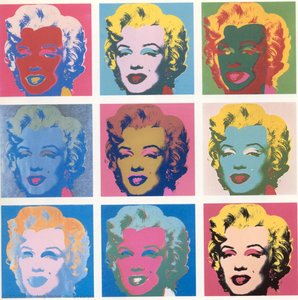
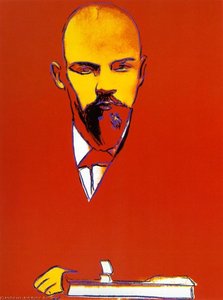
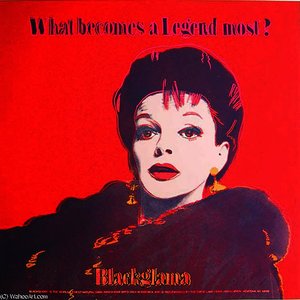
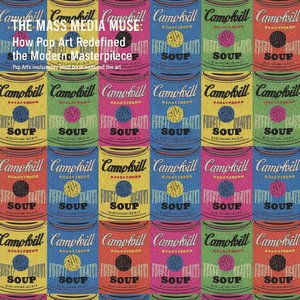
When we speak of this revolution, certain names inevitably rise to the surface, much like the iconic figures the artists sought to immortalize. Andy Warhol, perhaps the most luminous star of the movement, possessed an uncanny ability to find the divine in the mundane. Through his repetitive, almost hypnotic explorations of subjects like Campbell’s Soup Cans or the ethereal, tragic beauty of film stars, Warhol transformed mass-produced icons into cultural artifacts. His work reflected a turning point in how tragedy and celebrity were perceived—as items to be consumed with the same ease as a grocery item.
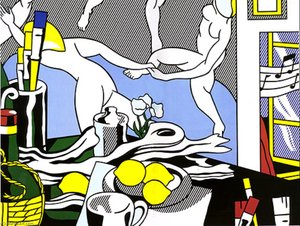
Parallel to Warhol, Roy Lichtenstein brought the graphic energy of the comic strip into the realm of high art. In works such as Studio the Dance, he captured moments of stylized interaction that suggest themes of performance and connection, elevating fleeting, almost voyeuristic scenes into profound artistic statements. These artists did not just depict their subjects; they interrogated the very nature of modern identity in a world saturated by imagery. By utilizing recognizable tropes from advertising, they created a new visual language that was both accessible and deeply critical, forcing the viewer to confront the manufactured nature of their own desires and perceptions.
The Mechanics of Modernity: Commercial Printing and the Ben-Day Dot Technique
 Studio the dance
The Electric Energy of Pop Iconography To stand before a piece channeling the spirit of Roy Lichtenstein’s "Studio the dance" is to be enveloped in a vibrant, almost comic-book explosion of color and narrative energy. This work is not merely a depict...
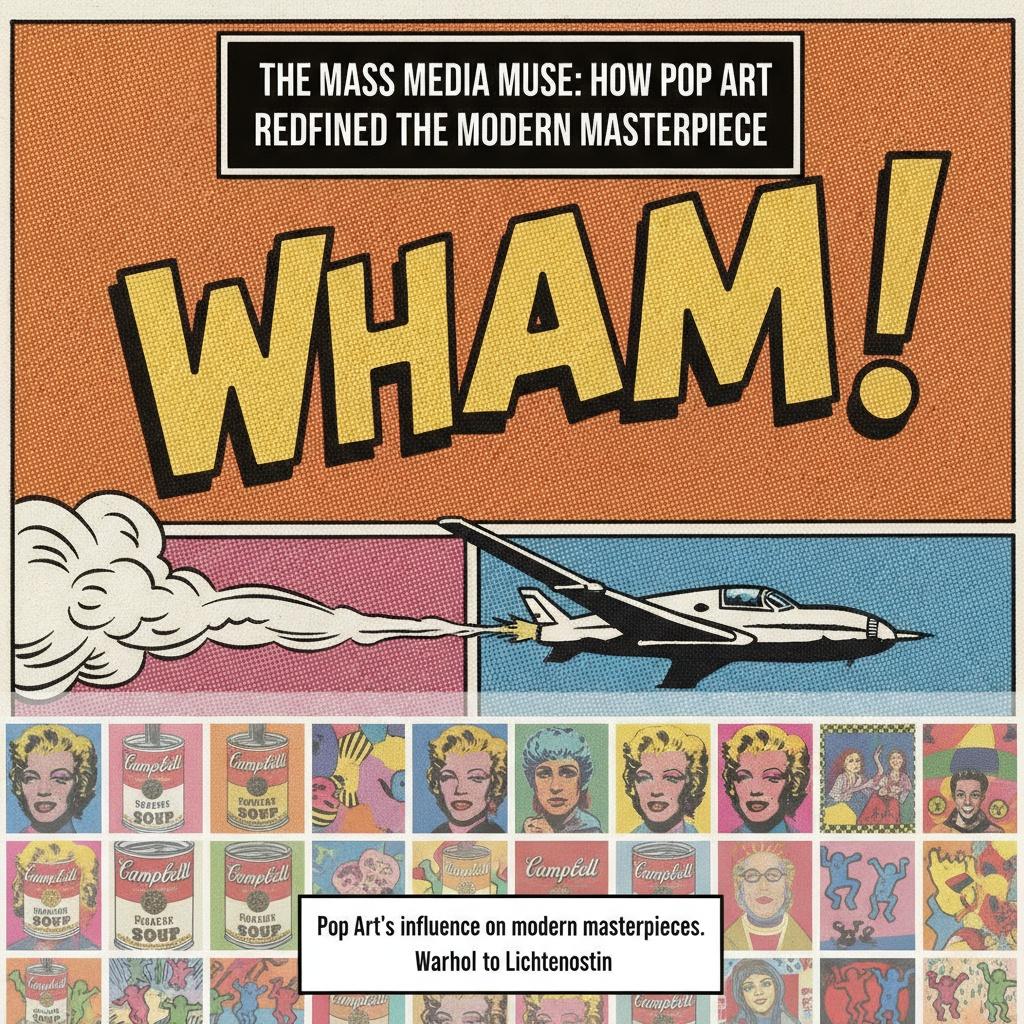
The brilliance of Pop Art lies not only in its subject matter but in its masterful appropriation of commercial techniques. Roy Lichtenstein, in particular, became a master of the Ben-Day dot, a technique used in industrial printing to create halftone effects. By meticulously simulating these mechanical processes on canvas, Lichtenstein forced the viewer to acknowledge the mechanical origins of the image while simultaneously appreciating its artistic transcendence. This use of visible dots and bold, saturated color fields gave his paintings an immediate, visceral impact, mimicking the very texture of the mass media he sought to critique.
This technical approach served as a commentary on the loss of the "hand-made" in an age of mass production. The meticulous application of these dots—a labor-intensive process that mimics a machine-driven one—creates a fascinating tension between the artist's touch and the industrial aesthetic. This fascination with the mechanical allowed Pop Art to mirror the textures of the modern world, where the boundary between the original and the copy was increasingly difficult to discern. It was an era where the wham of the printing press became as much a part of the artistic experience as the brushstroke itself.
The Enduring Legacy: Pop Art’s Influence on Contemporary Culture and Design
Popular culture (also called pop culture or mass culture) is generally recognized by members of a society as a set of practices, beliefs, artistic output (also known as popular art [cf. pop art] or mass art, sometimes contrasted with fine art) and ob...
The legacy of Pop Art continues to reverberante through the halls of contemporary design, fashion, and advertising. The movement's ability to find beauty in the ubiquitous has paved the way for modern aesthetics that celebrate bold colors, graphic clarity, and the intersection of high and low culture. Today, we see its influence in everything from minimalist branding to the vibrant, maximalist trends seen in interior design. The movement taught us that art does not need to be removed from life to be profound; rather, it can find its greatest strength by embracing the very world it inhabits.
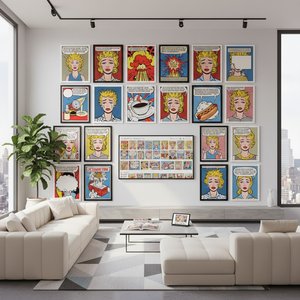
For the modern collector and professional decorator, Pop Art remains a vital tool for creating spaces that feel connected to the pulse of contemporary society. Whether through large-scale multi-panel installations that span wide architectural features or custom reproductions that bring a sense of nostalgic energy to corporate environments, the spirit of Pop Art offers an inexhaustible reservoir of inspiration. It remains a testament to the power of art to redefine the masterpiece, proving that even the most fleeting moment of mass media can be captured and transformed into a lasting legacy of human creativity.
About ArtsDot.com
ArtsDot.com is a premier provider of high-quality art reproductions, catering to professionals, decorators, and collectors worldwide. We specialize in 100% hand-painted oil reproductions on cotton canvas, offering everything from museum-grade classics to custom "remixed" masterpieces. Whether you are furnishing a hotel, restaurant, or corporate office, our catalog provides the depth and reliability required for large-scale procurement. From professional digital mockups to global logistics via DHL and FedEx, we ensure that every piece meets the highest standards of excellence. Visit us at ArtsDot.com to explore our extensive collection and start your next art project.