
Strategic Art Procurement: Aligning Brand Identity with Large-Scale Operational Efficiency
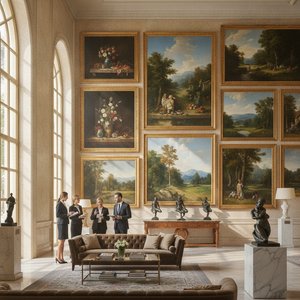
In the high-stakes arena of hospitality design, the selection of artwork is far more than a decorative afterthought; it is a fundamental pillar of brand storytelling and spatial atmosphere. For the procurement professional overseeing large-scale hotel renovations or sprawling restaurant franchises, art serves as the silent ambassador of the guest experience. A successful acquisition strategy must move beyond mere aesthetics to consider how art functions as a strategic asset that reinforces a brand's identity across multiple floors or international locations. When a designer selects pieces that evoke a sense of permanence and prestige, they are not merely filling a void on a wall but are anchoring a brand identity in historical continuity and sophisticated elegance.
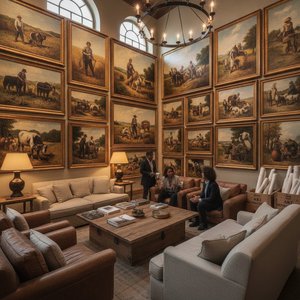
The challenge for the modern procurement manager lies in navigating the complex intersection of uncompromising prestige and rigorous operational efficiency. To achieve a unified aesthetic vision that ensures every corridor, suite, and lounge contributes to a singular, luxurious narrative, one must shift from viewing art as an individual purchase to managing it as a scalable decor solution. This requires a deep understanding of how classical motifs interact with modern architectural elements, ensuring that the chosen works—whether they be the commanding presence of Baroque realism or the delicate intimacy of the Northern Renaissance—provide an emotional anchor that transforms a transient commercial space into a destination of substance.
Scalable Decor Solutions: Managing High-Volume Acquisitions for Hotels and Corporate Projects
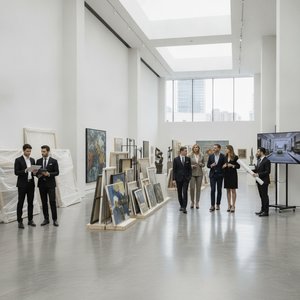
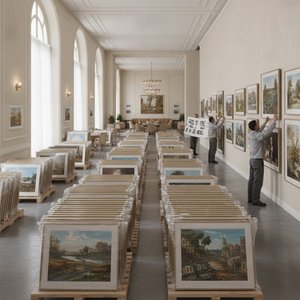
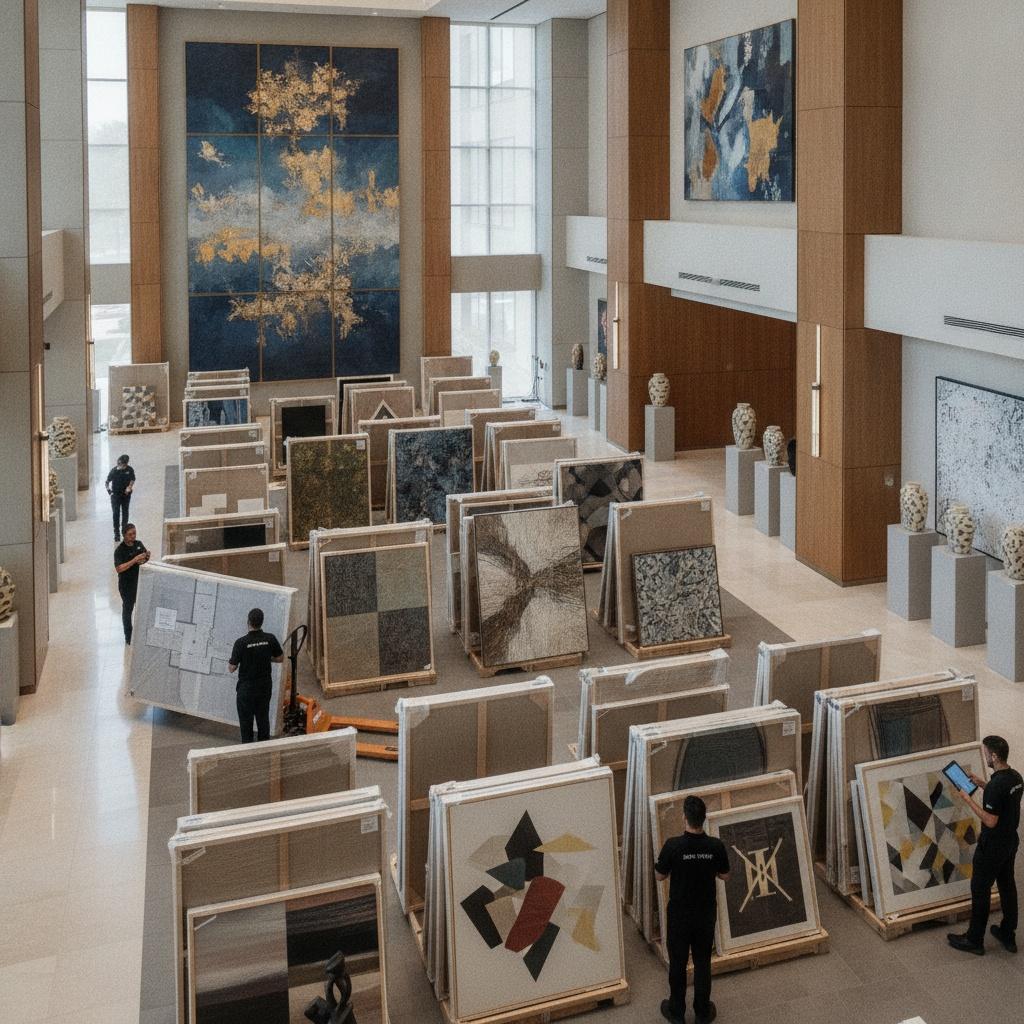
Managing high-volume acquisitions for large-scale projects demands a move away from sporadic, singular acquisitions toward a unified decorative program. For the designer tasked with furnishing an entire hotel wing or a corporate headquarters, predictability in quality, sizing, and delivery becomes the cornerstone of professional excellence. The ability to source scalable solutions allows for the seamless integration of art across vast architectural landscapes, ensuring that even the most expansive corridors maintain a cohesive visual language. This scalability is particularly vital when implementing trends such as multi-panel layouts, where a single masterpiece is split across three, four, and five panels to command wide walls or grand staircases.
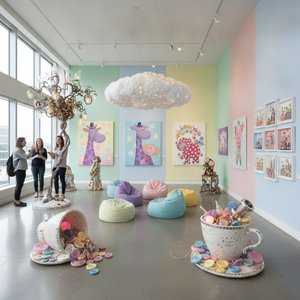
Efficiency in procurement also necessitates a focus on repeatable standards. The modern designer requires a catalog depth that allows for rapid decision-making without sacrificing the "soul" of the space. By utilizing professional art solutions that offer consistent sizing and reliable replenishment, designers can mitigate the risks associated with large-scale rollouts. Whether it is introducing whimsical elements to create moments of intrigue in high-traffic zones or employing impressionist landscapes to enhance light and texture, the goal remains the same: to provide a dependable stream of high-quality art that supports the logistical demands of global hospitality chains while maintaining an atmosphere of enduring quality.
Mastering the Medium: Selecting Between Hand-Painted Oil Reproductions and Premium Giclée Prints
The distinction between different mediums is critical when determining the tactile impact of a commercial interior. The choice often depends on the desired depth of the space. A Handmade Oil Reproduction offers a level of prestige that digital methods cannot replicate. These works are 100% hand-painted on cotton canvas, featuring visible brushstrokes and a deeper tonal range that invites tactile exploration. The use of traditional techniques, such as the application of impasto or the subtle gradations of light and shadow found in Neo-Classical realism, creates a luminous depth that transforms a wall into a window. For luxury hospitality settings where the goal is to evoke a sense of history and craftsmanship, the physical texture of oil on canvas provides an incomparable sense of authenticity.
Conversely, for projects requiring rapid deployment or specific budgetary constraints, Premium Giclée Prints offer a highly accurate and durable alternative. These are high-quality, computer-printed reproductions using archival 12-color inks with a long-term rating of up to 100 years. While they lack the physical relief of oil paint, they provide an incredibly precise match to the original's color palette. For designers, the decision between these two mediums is a strategic one: choosing the textured, heavy-bodied oil painting for focal points like grand lobbies and executive suites, while utilizing high-quality prints for secondary corridors or guest rooms where visual accuracy and cost-efficiency are paramount.
Customization and Logistics: Navigating Multi-Panel Layouts, Bespoke Sizing, and Global Shipping
Large-scale design often requires art that defies standard dimensions. The ability to customize orders through bespoke sizing and engineered canvas wraps is essential for modern architectural integration. For instance, the MirrorWrap or ExtendedWrap techniques allow the artist to continue the painting around the edges of the canvas, creating a seamless, frameless look that is ideal for contemporary, minimalist interiors. Furthermore, the trend of multi-panel art allows designers to break down massive compositions into manageable segments that flow across complex architectural surfaces, ensuring that even the largest walls are treated with artistic intention.
Logistical reliability is the backbone of successful international procurement. In a globalized industry, the ability to receive reinforced, double-walled packaging via trusted carriers like DHL Express or FedEx is non-negotiable. For professionals managing projects in diverse regions, understanding the nuances of international customs and VAT support is vital. Reliable suppliers provide the necessary documentation—such as Reproduction Declarations for Italy or tax ID support for Mexico—to ensure that large shipments pass through borders without costly delays. This level of logistical precision ensures that the art arrives on time, intact, and ready for installation, regardless of the project's geographic location.
Streamlining the Procurement Workflow: Order Management, Digital Mockups, and VAT Compliance
To remove uncertainty from the high-volume ordering process, professional procurement requires a streamlined, transparent workflow. The integration of advanced order management systems allows designers to track progress via SMS or email, providing real-time updates on the status of their commissions. One of the most significant advantages in modern art procurement is the Professional Digital Mockup Service. This service allows designers to see a digital representation of the artwork placed within a photo of their specific wall before the painting begins. This stage is essential for verifying color matching, adjusting compositions, or even requesting "period shifts"—such as transforming a contemporary image into a 17th-century masterpiece in the style of Rembrandt.
Finally, the administrative side of procurement must be as seamless as the aesthetic one. For corporate and hospitality clients, the ability to receive clear, tax-compliant documentation and VAT invoices is a fundamental requirement for accounting and auditing purposes. A professional supplier acts as a reliable trade partner, offering volume discounts, white-label shipping options, and the ability to add bespoke property labels for hotels. By providing a structured environment where artists, project coordinators, and procurement managers can collaborate through a single point of contact, the complexity of large-scale art acquisition is transformed into a predictable, manageable, and highly rewarding professional process.