Defining Neoclassicism: Establishing Architectural Permanence and Grandeur
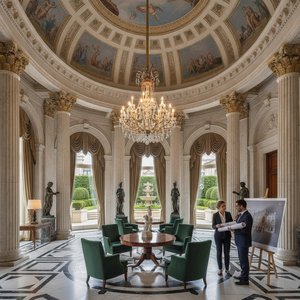 Neoclassical Art Guide: A Procurement Professional's Manual for Timeless Elegance in Luxury Hotel Interiors
Defining Neoclassicism: Architectural Principles for High-End Hospitality Design In the realm of luxury hospitality, where first impressions dictate brand prestige, Neoclassicism offers an unparalleled foundation of stability and grandeur. This movem...
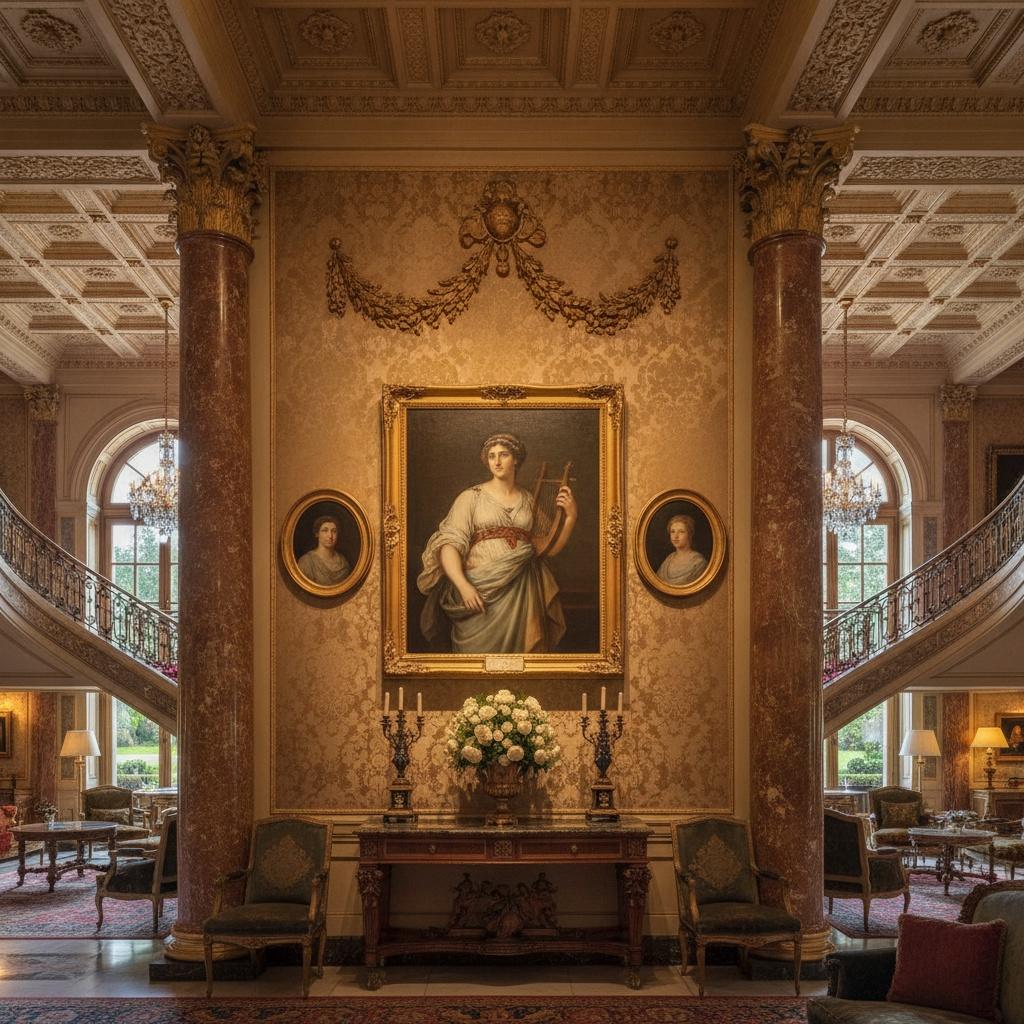
In the high-stakes arena of luxury hospitality design, where first impressions dictate brand prestige, the selection of art serves as a foundational pillar of identity. Neoclassicism offers an unparalleled aesthetic vocabulary for designers seeking to evoke a sense of permanence and stability. Born from a profound reverence for the order and symmetry of ancient Greek and Roman antiquity, this movement provides a sophisticated alternative to the transient nature of modern trends. Unlike the perceived frivolity of the Rococo period, Neoclassicism introduces a disciplined elegance that resonates with the architectural principles of high-end hospitality. By drawing upon the mathematical harmony found in classical monuments, designers can create spaces that feel both monumental and serene, offering guests a sense of sanctuary within a well-ordered environment.
The essence of this style lies in its remarkable restraint. It avoids excessive ornamentation in favor of clean lines, noble simplicity, and a focus on the heroic. For the procurement professional, integrating Neoclassical principles is not merely an act of decoration; it is a strategic utilization of a historical language of balance and structural integrity. When applied to grand foyers or executive suites, this approach elevates the architectural identity of a hotel, grounding contemporary projects in a tradition that suggests authority and established luxury.
The Visual Vocabulary of Order: Key Characteristics for High-End Hospitality Design
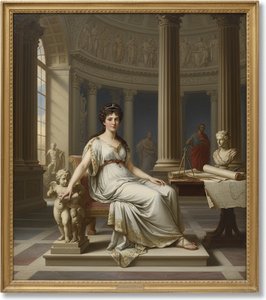 Neoclassical Portraiture: The Timeless Elegance of Order, Grace, and Academic Mastery
The Neoclassical Ethos: Reclaiming the Grandeur of Antiquity To understand the profound impact of Neoclassical portraiture, one must first look back to the dust and glory of the ancient world. Emerging as a powerful reaction against the perceived fri...
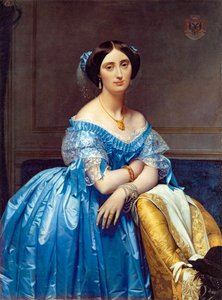
To master the integration of Neoclassical portraiture, one must understand its specific visual language—a language defined by the supremacy of line over color. Unlike the soft, blurred edges of Impressionism or the swirling, emotive brushwork of the Baroque, Neoclassical masters utilized sharp, precise contours to convey clarity and intellectual depth. This precision allows for a meticulous representation of form that commands attention without overwhelming the viewer. The movement sought to restore moral gravity to the canvas, replacing superficiality with a structured approach to composition that emphasizes light, shadow, and anatomical accuracy.
In a professional interior, this translates to an atmosphere of refined sophistication. The use of a muted color palette—often featuring whites, grays, and beiges accented by subtle touches of pink or gold—creates a serene and cohesive environment. This tonal range is particularly effective in large-scale hospitality settings, as it complements diverse architectural finishes while maintaining a sense of calm. Furthermore, the emphasis on psychological depth within portraits allows each piece to act as a window into character, providing a narrative layer that engages guests on an emotional level without disrupting the room's rhythmic cadence.
Strategic Curation: Selecting Masterpieces for Lobbies, Lounges, and Executive Suites
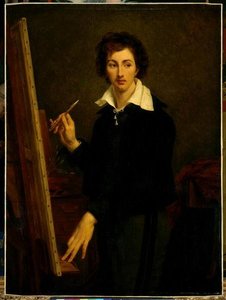
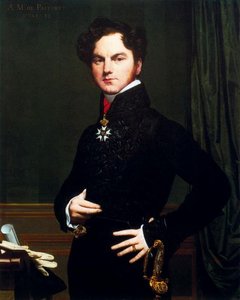
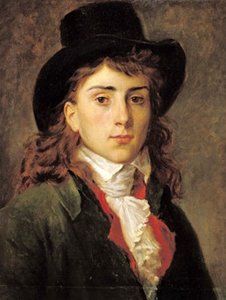
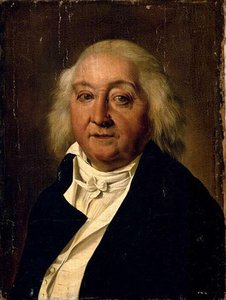 MONSIEUR HUBERT
Monsieur Hubert: A Portrait of Parisian Elegance Louis Léopold Boilly’s “Monsieur Hubert” stands as a quintessential example of Neoclassical portraiture, capturing the spirit of French society during the reign of Louis XVI and embodying an enduring f...
Curating art for a hospitality setting requires a strategic approach to storytelling where the artwork acts as an extension of the architecture rather than a distraction from it. When selecting pieces for high-traffic areas such as lobbies or grand lounges, the focus should remain on works that embody the era's emphasis on clarity and light. Masterpieces featuring mythological themes or dignified portraits can transform a transitional space into a destination of cultural significance. For instance, a portrait capturing the spirit of Parisian elegance can lend an air of historical prestige to a boutique hotel lounge, much like the meticulously crafted tableaux of the 19th century.
For more intimate spaces, such as executive suites or private dining rooms, the curation should shift toward works that offer greater intimacy and detail. Here, the ability to select pieces with profound psychological depth can enhance the sense of exclusivity. The goal is to create a cohesive journey through the property, where the art guides the guest from the grand, public statements of the lobby to the quiet, sophisticated nuances of the private quarters. By selecting works that adhere to the principles of Academic Realism and Neoclassical precision, designers ensure that every corner of the hotel reflects a unified standard of excellence.
Technical Integration: Scaling Artworks with Multi-Panel Layouts and Custom Dimensions
 Academic art
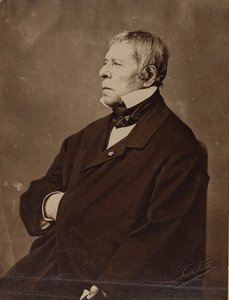
Academic art, academicism, or academism, is a style of painting and sculpture produced under the influence of European academies of art. This method extended its influence throughout the Western world over several centuries, from its origins in Italy...
A significant challenge in professional interior design is the integration of art into diverse architectural scales. Large-scale walls, expansive staircases, and wide corridors require more than just standard-sized frames; they demand a thoughtful approach to composition. One of the most effective methods for achieving this is through the use of multi-panel layouts. By splitting a single Neoclassical masterpiece across three, four, or even five panels, designers can create a modern, rhythmic effect that follows the movement of the architecture. This technique allows for a seamless flow of color and brushwork across wide surfaces, providing a monumental impact that is essential for grand hotel installations.
Beyond multi-panel configurations, the ability to customize dimensions is critical for bespoke design projects. Whether a designer is working with a narrow alcove or a massive ceiling fresco, the flexibility to request custom sizing ensures that the artwork fits the intended space perfectly. For larger architectural interventions, such as murals or ceiling frescoes, art can be applied to massive canvas rolls, allowing designers to recreate historical grandeur on a scale previously reserved for palaces. This technical versatility ensures that Neocological elegance can be scaled to meet any structural requirement, from the smallest suite to the most expansive ballroom.
Procurement Logistics: Managing Bulk Orders, Custom Commissions, and Global Delivery
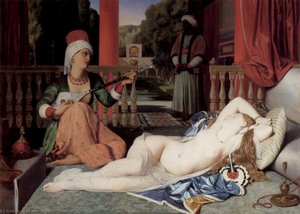
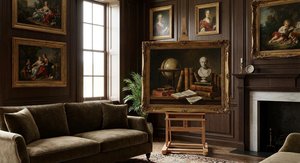 Academic Realism's Finest: 10 Masterpieces for Art Lovers & Home Decor
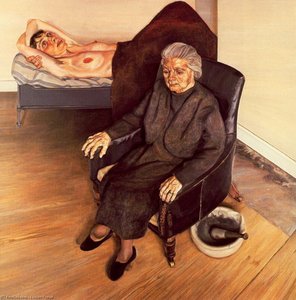
Introduction To gaze upon these ten masterpieces is to step back into a world where skill reigned supreme, and art served as a mirror reflecting not just appearances, but the very soul of human experience. The Academic Realism movement, born from the...
For procurement managers and hospitality chains, the success of an art installation depends on operational reliability, predictable timelines, and efficient order management. When furnishing large-scale projects, the ability to place bulk orders and manage re-orders with ease is paramount. A professional supply chain must offer clear pricing, transparent documentation such as VAT invoices, and a robust system for tracking progress. This includes receiving immediate confirmation of orders and having access to digital mockups that allow for color matching and composition approval before the painting process even begins.
Reliability in global logistics is the final, essential component of the procurement process. High-end hospitality projects often span multiple countries, requiring a partner who can navigate international customs and provide secure, tracked shipping via industry leaders like DHL or FedEx. Whether it is a bespoke commission—where an artist transforms a personal photo into a 17th-century masterpiece—or a large-scale order of ready-to-ship reproductions, the process must be seamless. From the initial digital mockup to the final delivery in reinforced, professional packaging, the focus remains on providing a functional, high-volume service that meets the rigorous demands of the global design industry.
At ArtsDot.com, we specialize in supporting the needs of procurement professionals and interior designers through our extensive catalog of hand-painted oil reproductions. We provide the scale, customization, and logistical precision required for large-scale hospitality projects worldwide.