![イリス [1889] — フィンセント・ファン・ゴッホ](/media/artworks/images-thumb/ca/85/ca85582a4fd1dc392efef83ec4dc3124.jpg)
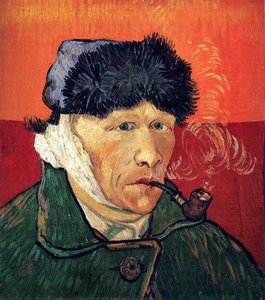

Defining Post-Impressionism: The Impact of Color and Texture on Hospitality Aesthetics
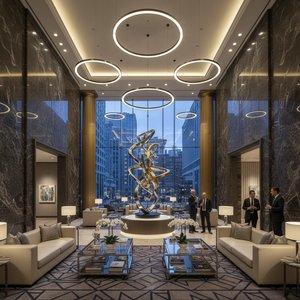
In the high-stakes world of hospitality design, the atmosphere of a lobby or a private suite is defined by more than just furniture and lighting; it is shaped by the emotional resonance of the visual environment. Post-Impressionism offers an unparalleled toolkit for the discerning designer seeking to move beyond mere decoration toward true atmospheric storytelling. Unlike the fleeting, light-obsient focus of its predecessor, Impressionism, the Post-Impressionist movement introduced a profound structural depth and a deliberate use of color that speaks directly to the human psyche. For a hotel professional, integrating these works means introducing a sense of permanence and character into transient spaces.
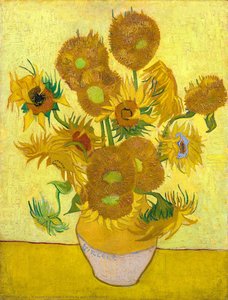
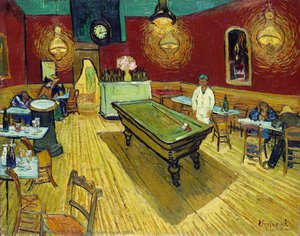
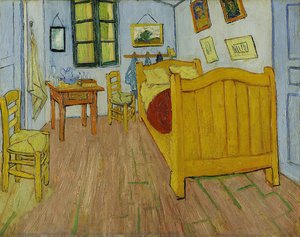
The movement, led by visionaries such as Vincent van Gogh, sought to imbue the canvas with subjective emotion rather than just optical reality. When a guest enters a space adorned with Post-Impressionist elements, they are met with a deliberate intensity. The use of thick, visible brushstrokes—often referred to as impasto—creates a physical topography on the wall that catches ambient light in ways a flat print never could. This tactile quality adds a layer of luxury and "soul" to modern interiors, bridging the gap between contemporary minimalism and classical richness. By selecting works that emphasize form and expressive color, designers can transform a standard corridor into a curated gallery experience.
Strategic Color Palettes: Utilizing Van Gogh’s Vibrant Hues for Mood Regulation in Guest Spaces
Color is perhaps the most potent instrument in a designer's arsenal for regulating the mood of a hospitality environment. Post-Impressionism provides a masterclass in color theory, particularly through the works of Vincent van Gogh, whose use of complementary colors can be strategically deployed to achieve specific psychological outcomes. In high-energy zones such as hotel bars or breakfast lounges, the vibrant yellows and deep blues found in masterpieces like Green Wheat Fields can stimulate appetite and social interaction, creating a luminous, energetic atmosphere that feels both fresh and timeless.
Conversely, for more contemplative spaces like executive suites or library lounges, one might look toward the muted, earthy tones of Van Gogh’s earlier works. Pieces such as Farmhouses Among Trees offer a serene, grounded palette of ochre, olive, and deep browns, which can help lower heart rates and provide a sense of sanctuary from the urban bustle outside. The ability to manipulate these color temperatures through art allows procurement managers to maintain a cohesive brand identity across a global portfolio while tailoring the sensory experience of each individual room. It is not merely about choosing a beautiful image; it is about the strategic deployment of pigment to guide the guest's emotional journey.
Scale and Composition: Implementing Multi-Panel Masterpieces for Large-Scale Hotel Features
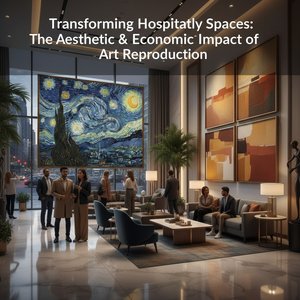
One of the greatest challenges in large-scale architectural design is the management of "dead" wall space—vast, unadorned expanses that can make even the most expensive lobby feel cold or cavernous. Post-Impressionist compositions are uniquely suited to solving this through the use of multi-panel layouts. The trend of splitting a single iconic image across three, four, or five panels allows a designer to command attention on a monumental scale. This technique effectively turns a structural element into a focal point, guiding the eye along staircases or across wide reception desks.
When implementing these multi-panel sets, the continuity of the brushwork is paramount. A well-executed split ensures that the swirling energy of a landscape flows seamlessly from one canvas to the next, creating a sense of movement that mimics the flow of foot traffic within the hotel. This approach provides a modern, architectural edge to classical subject matter, making the art feel integrated into the building's very bones rather than merely hung upon it. For large-scale projects, this method offers a way to achieve high-impact visual storytelling without the logistical impossibility of sourcing single, massive-format canvases.
Curating Texture: The Role of Impasto Brushstrokes in Enhancing Tactile Luxury
In an era dominated by digital screens and smooth, synthetic surfaces, true luxury is increasingly defined by texture. Post-Impressionism excels in providing this tactile depth through the impasto technique—the thick, sculptural application of oil paint. For a hotel designer, sourcing hand-painted reproductions rather than flat Giclée prints is a critical distinction. A real oil painting possesses a three-dimensional quality; the ridges of the brushstrokes create micro-shadows that change as the guest moves through the room, offering a dynamic visual experience that rewards close inspection.
This physical depth contributes to a sense of authenticity and craftsmanship that is essential for premium branding. The visible energy in a work like The Olive Orchard, with its swirling, rhythmic strokes, provides a sensory richness that complements high-end materials like velvet, polished marble, or reclaimed wood. By focusing on the "soul" of the piece—the physical presence of the paint itself—designers can create environments that feel curated and bespoke, elevating the perceived value of the entire property.
Sourcing Solutions: Efficient Procurement of Museum-Quality Reproductions for Global Hospitality Chains
For procurement managers and hotel decorators, the primary obstacles to implementing high-end art are often scale, budget, and logistical reliability. Managing a large-scale rollout across multiple properties requires a supplier that understands the rigors of B2B requirements: consistent quality, predictable timelines, and clear documentation. The challenge is to find a partner capable of delivering museum-quality reproductions—hand-painted on 100% cotton canvas—that can be ordered in volume and customized to fit specific architectural dimensions.
Effective procurement involves more than just selecting an image; it requires the ability to "remix" history. Whether it is requesting a custom size for a specific wall or utilizing a professional digital mockup service to visualize a piece before production, the workflow must be seamless. For global hospitality chains, the ability to receive VAT-compliant invoices, reliable tracking via DHL or FedEx, and the assurance of a 100% satisfaction warranty is non-negotiable. When sourcing through ArtsDot.com, professionals gain access to an expansive catalog of Post-Impressionist masters, backed by a streamlined order management system designed for the high-volume needs of the modern decorator.