Introduction
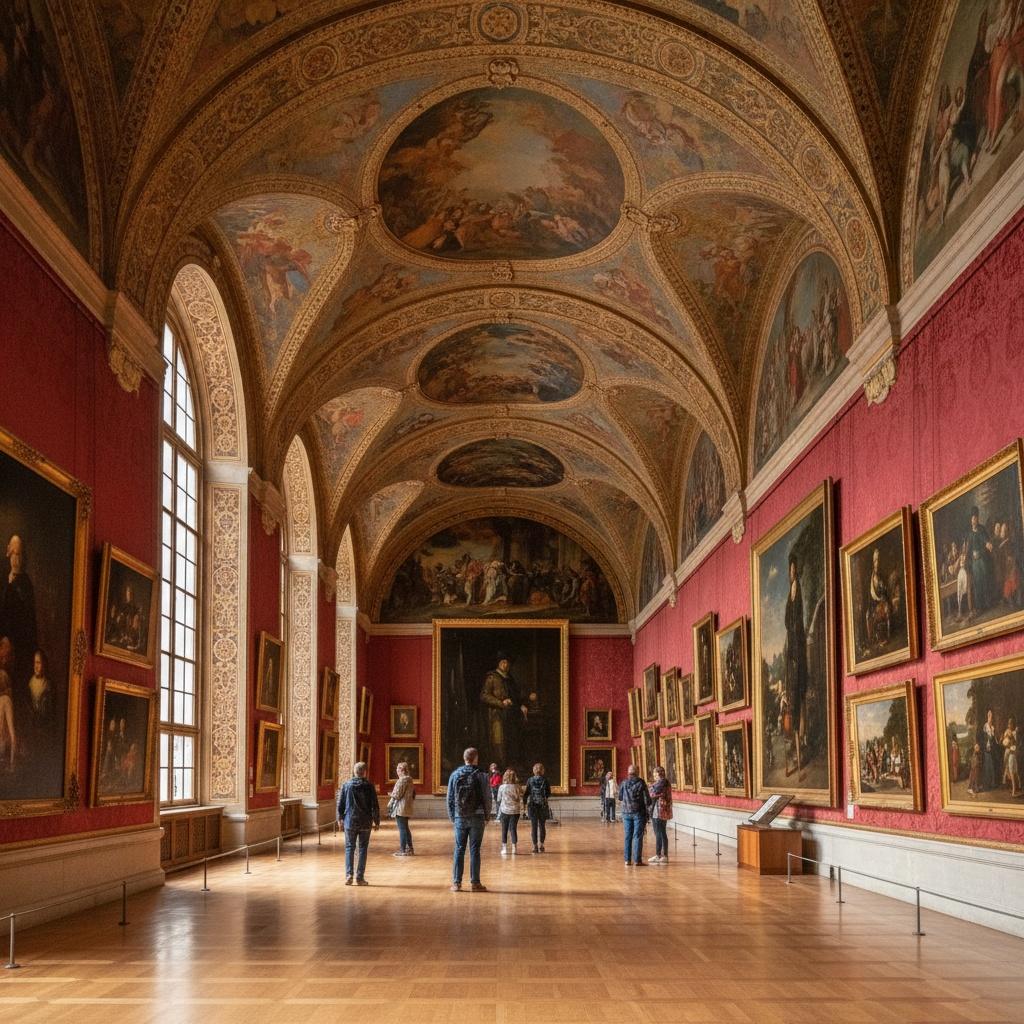
To step into the Rijksmuseum in Amsterdam is to embark on a profound journey through time, entering a space where the Dutch soul is meticulously preserved. Within the majestic Neo-Renaissance architecture of Pierre Cuypers, the museum serves as a vibrant testament to eight centuries of artistic achievement and national identity. From the delicate craftsmanship of early Netherlandish paintings to the monumental scale of the Golden Age, every gallery tells a story of cultural evolution and unparalleled mastery.
These twenty-five selected artworks remain deeply meaningful in our modern era; they are not merely relics of the past, but living explorations of light, shadow, and the human condition. The works of masters like Rembrandt van Rijn and Johannes Vermeer continue to resonate, offering a window into a period of extraordinary maritime power and artistic innovation that forever changed the course of history. As we navigate through this collection, each piece serves as a landmark of human creativity and technical brilliance.
In the following guide, we invite you to explore the top twenty-five artworks that define the Rijksmuseum experience. This curated list is designed to lead you through the most essential, breathtaking, and culturally significant masterpieces housed within this iconic institution.
Night Watch - Rembrandt van Rijn
 Night Watch - Rembrandt van Rijn
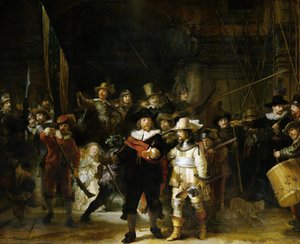
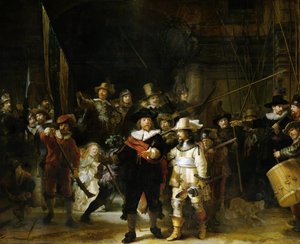
In the heart of the Rijksmuseum, Rembrandt van Rijn’s The Night Watch commands the room with an almost overwhelming presence. Look closer: the lines in "Night Watch by Rembrandt van Rijn" aren’t drawn; they are choreographed . This is not a mere composition; it is a dance frozen in time, where the boundaries between shadow and light dissolve into pure narrative energy.
Through his legendary mastery of chiaroscuro , Rembrandt directs our gaze through a landscape of deep, velvety shadows and sudden, brilliant highlights. He captures a moment of organized chaos—the assembly of the Kloveniers militia—transforming civic duty into a theatrical spectacle. The rich palette of earthy ochres, deep blacks, and striking reds creates a rhythmic pulse that guides the eye across the monumental canvas. Within this masterpiece, Rembrandt achieves the impossible: making profound, bustling chaos feel like absolute harmony. To witness this work is to experience the very heartbeat of the Dutch Golden Age.
The Milkmaid - Johannes Vermeer
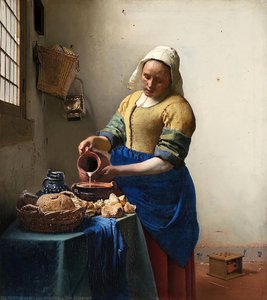 The Milkmaid - Johannes Vermeer
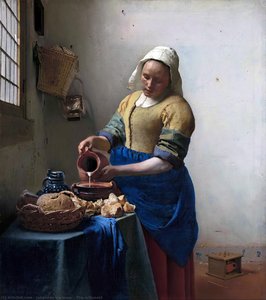
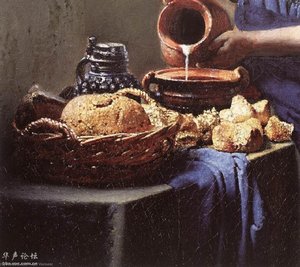
The lines in The Milkmaid by Johannes Vermeer aren’t merely drawn; they are choreographed. This is not just a composition; it is a dance frozen in time, where the simple act of pouring milk becomes a monumental study in grace. Within this masterpiece from the Rijksmuseum, Amsterdam , the light does not just illuminate; it breathes.
Soft, diffused sunlight streams from a side window, catching the rough texture of the bread and the cool sheen of the stoneware jug with breathtaking precision. Vermeer’s mastery of color—the vibrant yellow of her bodice against the deep, tranquil blue of her skirt—creates a rhythmic balance that commands attention. Every brushstroke captures the quiet dignity of 17th-century Dutch life, turning an ordinary moment into something eternal. What if your living room could hold that same profound balance? What if your walls could breathe this very rhythm?
Isaac and Rebecca, known as - Rembrandt van Rijn
 Isaac and Rebecca, known as - Rembrandt van Rijn
What story does the rugged stone wall and the flickering shadows in Isaac and Rebecca by Rembrandt van Rijn tell? It whispers of a profound, private intimacy captured during the twilight of the Dutch Golden Age. As one of the essential pieces within the Rijksmuseum, Amsterdam , this 1669 masterpiece stands out among the top 25 artworks for its unparalleled psychological depth. Rembrandt utilizes his signature chiaroscuro to pull the figures from a heavy, dark background into a warm, luminous glow, focusing our gaze on the tender connection and the soft light illuminating their faces.
Beyond its historical significance, this painting serves as a perfect element for those seeking a curated escape in modern interior design. The dramatic interplay of light and shadow offers a sense of architectural weight and history, making it an ideal focal point for sophisticated spaces—from boutique hotels to private collections—where the goal is to evoke emotion and a timeless sense of place.
Jeremiah Lamenting the Destruction of Jerusalem - Rembrandt van Rijn
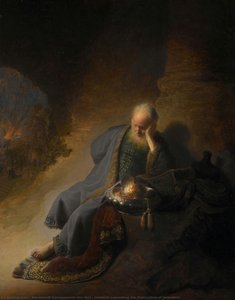 Jeremiah Lamenting the Destruction of Jerusalem - Rembrandt van Rijn
In the hallowed halls of the Rijksmuseum, Rembrandt’s Jeremiah Lamenting the Destruction of Jerusalem stands as a profound encounter with human sorrow. To witness this work is to understand that owning such a masterpiece isn't merely a purchase; it is an inheritance . It represents a lineage of taste that transcends centuries.
Through Rembrandt’s signature, dramatic chiaroscuro , light pierces the heavy shadows to illuminate the prophet’s weathered face and silvered beard, capturing the palpable weight of divine grief. The rugged, rocky landscape and the somber textures of his robes mirror the historical anxieties of a Leiden under siege, grounding biblical tragedy in the visceral reality of the Dutch Golden Age. This painting is more than art; it is a legacy of emotion. Now, with ArtsDot, that lineage isn’t just for museums—it is for your walls , where every glance becomes a silent nod to the masters.
Self Portrait - Rembrandt van Rijn
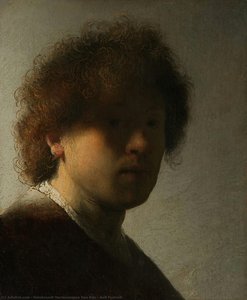 Self Portrait - Rembrandt van Rijn
To encounter the 1629 Self Portrait by Rembrandt van Rijn is to witness the very moment a legend began to breathe. This work stands within the Rijksmuseum’s top 25 not merely as a likeness, but as a masterclass in chiaroscuro , where light carves identity out of the surrounding darkness. At just twenty-three, Rembrandt used this canvas to experiment with the dramatic interplay of shadow and texture, creating an intimacy that feels startlingly modern.
Its inclusion is essential; it redefined the boundaries of psychological portraiture, moving beyond surface detail to capture the weight of human existence. What if I told you that this masterpiece was born from a moment of profound self-discovery—a visual manifesto of light? Now, imagine this intense, soulful gaze commanding attention in your professional office or private study. At ArtsDot.com, we believe such profound emotional depth should not be confined to museum walls. By bringing a high-quality reproduction into your space, you transform a room into a sanctuary of reflection and a bold statement of timeless sophistication.
The Love Letter - Johannes Vermeer
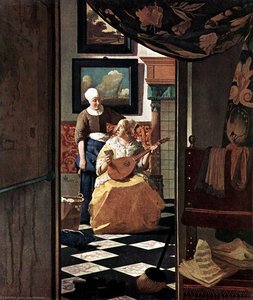 The Love Letter - Johannes Vermeer
A soft, luminous yellow dominates Johannes Vermeer’s The Love Letter , casting a mood of quiet warmth and profound intimacy across the canvas. This sun-drenched hue, set against the deep, velvety shadows of the Dutch interior, is precisely why this work stands as a cornerstone among the top 25 artworks in Rijksmuseum, Amsterdam. Vermeer’s innovative mastery of light—utilizing a palette that balances brilliant highlights with muted, earthy tones—creates an atmosphere of breathtaking realism and stillness. This delicate balance of light and shadow offers incredible inspiration for modern interior curation; by incorporating these warm ochres and dramatic, low-light accents, one can transform a contemporary dining room or lounge into a space of sophisticated tranquility. The painting’s ability to capture the essence of a fleeting moment through color alone makes it an enduring masterpiece for any serious collector.
Christ on the Cross - El Greco
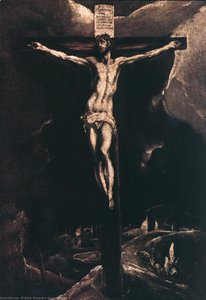 Christ on the Cross - El Greco
Imagine the raw, spiritual intensity of El Greco’s Christ on the Cross . It is a moment frozen in time, where light and shadow collide to reveal the profound weight of sacrifice through elongated forms and a somber, haunting palette. What if I told you that this work was born from a moment of rebellion—a stroke of defiance against the ordinary? This is not merely art; it is a manifesto . Its place among the top 25 artworks in Rijksmuseum, Amsterdam, is not just earned; it is demanded by its revolutionary departure from classical balance toward pure, expressive power.
Now, imagine this dramatic masterpiece hanging within your office or private sanctuary, turning every glance into a reminder: your space is not just a room. It’s a statement. We bring this museum-grade emotional depth to your collection through our high-quality reproductions, making the profound legacy of the masters accessible as living decor for refined homes and professional corporate environments.
The Little Street (detail) - Johannes Vermeer
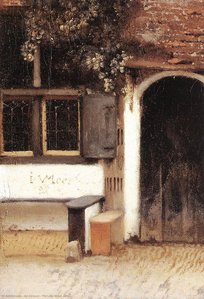 The Little Street (detail) - Johannes Vermeer
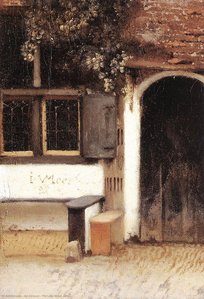
Long before he became the legendary master of light, Johannes Vermeer’s perspective was shaped by the tactile world of his father’s silk trade, instilling a lifelong obsession with texture and luminosity. In this exquisite detail from The Little Street , we witness the technical brilliance that secures its place among the top 25 artworks in Rijksmuseum, Amsterdam . Vermeer does not merely paint a wall; he orchestrates a silent symphony of light dancing across weathered brick and sun-drenched whitewash. The subtle interplay of shadow and brightness creates an atmospheric depth that feels almost tangible, pulling the viewer into the quiet, rhythmic pulse of 17th-century Delft. There is a profound, meditative stillness captured here—a quality of focused tranquility that serves as a perfect inspiration for the modern professional. Integrating such a masterful study of light and composition into a contemporary home office or executive study fosters an atmosphere of sophisticated calm, ideal for cultivating deep concentration and creative clarity.
Woman in Blue Reading a Letter - Johannes Vermeer
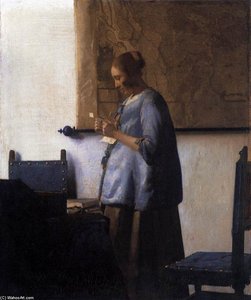 Woman in Blue Reading a Letter - Johannes Vermeer
A profound moment of stillness is captured forever in Woman in Blue Reading a Letter by Johannes Vermeer, where light and silence converge to create an eternal aura of contemplation. As one of the most captivating pieces among the top 25 artworks in the Rijksmuseum, Amsterdam , this masterpiece transcends its simple subject matter to offer a universal meditation on solitude and human connection.
Vermeer’s mastery is felt through the sensory richness of his technique; the luminous blue of the woman's gown vibrates against the soft, diffused light that seems to breathe life into the very air of the room. The subtle interplay of pale grey shadows and the delicate texture of the parchment invites the viewer into a private, quiet world. In contemporary living, such a painting serves as a sanctuary of calm, its harmonious composition and tranquil energy providing a sophisticated focal point for modern interiors seeking elegance and historical depth.
Daniele Barbaro - Paolo Veronese
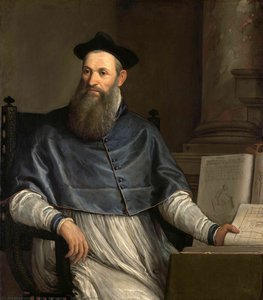 Daniele Barbaro - Paolo Veronese
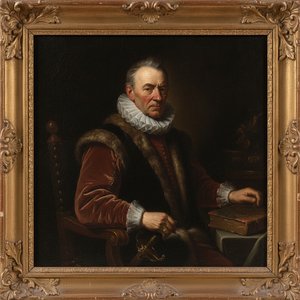
In the heart of the Rijksmuseum, Paolo Veronese’s Daniele Barbaro stands as more than a mere portrait; it is an invitation into the sixteenth-century intellect. This masterpiece captures the quiet majesty of scholarly pursuit through a breathtaking command of Venetian color. The deep, regal ultramarine blue of Barbaro's robes anchors the composition, while Veronese’s mastery of chiaroscuro sculpts the subject's features from the shadows with remarkable precision.
As you gaze upon the scholar at his desk, the subtle presence of a clock serves as a poignant memento mori , reminding us of the fleeting nature of time. The architectural backdrop of columns adds a sense of classical permanence to this moment of contemplation. To surround yourself with such a work is to move beyond decoration; it is to transform your space into a gallery of the soul, where every brushstroke echoes the profound balance between worldly duty and spiritual reflection.
Still Life with Silver Jug - Willem Kalf
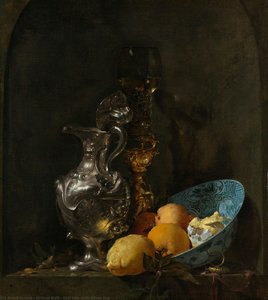 Still Life with Silver Jug - Willem Kalf
To encounter Willem Kalf’s Still Life with Silver Jug is to witness the absolute pinnacle of Dutch Golden Age opulence. This painting stands as a breathtaking testament to the pronkstilleven genre, where material wealth meets unparalleled technical virtuosity. Securing its rightful place among the top 25 artworks in Rijksmuseum, Amsterdam, Kalf’s work captivates through its sensory precision; observe the cool gleam of the silver jug juxtaposed against the luminous, waxy textures of ripe oranges and lemons.
Beyond its visual splendor, the piece carries a profound vanitas undertone, using the fleeting beauty of fruit to contemplate the passage of time. For modern connoisseurs of luxury and fine interiors, this masterpiece offers more than historical value—it provides an enduring aesthetic of prestige and refined taste. Its ability to transform perishable objects into eternal symbols of prosperity makes it a cornerstone of the museum's collection and an essential reference for anyone appreciating the intersection of commerce, light, and artistry.
Musical Allegory - Rembrandt Peale
 Musical Allegory - Rembrandt Peale
In Musical Allegory by Rembrandt Peale, the viewer is immediately captivated by the serene, quiet absorption of the central figure, whose gaze is lost in the profound depths of her book. This piece serves as a beautiful window into the soul, capturing a moment where music and literature converge to create a state of intellectual harmony. As a significant highlight among the top 25 artworks in Rijksmuseum, Amsterdam , the painting uses masterful chiaroscuro to evoke a sense of mystery and scholarly devotion. The interplay of warm golds and deep, resonant shadows reflects the universal human desire to find beauty through learning and artistic expression. Beyond its historical significance, the emotional resonance of this work is palpable; displaying such a powerful composition can transform a personal sanctuary or a quiet corner of a corporate space into an environment of profound reflection and stillness. It invites a slower pace of life, mirroring the contemplative spirit found within the halls of the great Dutch masters.
Faust - Rembrandt Peale
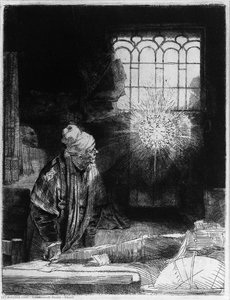 Faust - Rembrandt Peale
In “Faust” by Rembrandt Peale, the dominance of deep, impenetrable blacks sets a mood of profound mystery and existential tension. This stark monochrome palette, characterized by its masterful use of chiaroscuro, is precisely why this etching earns its place among the top 25 artworks in Rijksmuseum, Amsterdam . The way light streams through the lattice window to illuminate Faust’s scholarly pursuit against the encroaching shadows creates a visual drama that is both haunting and hypnotic.
For those looking to curate a modern living space or a formal dining room, this artwork offers a blueprint for sophisticated atmosphere; its high-contrast scheme can be used to anchor a room with dramatic, directional lighting and a sense of historical gravity. By integrating such intense tonal variations, one can evoke the same intellectual depth and quiet intensity found within this legendary Dutch collection.
Paternal Admonition (Gallant Conversation) - Gerard ter Borch
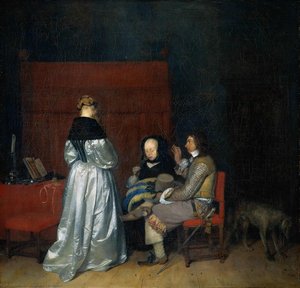 Paternal Admonition (Gallant Conversation) - Gerard ter Borch
In Paternal Admonition (Gallant Conversation) by Gerard ter Borch, the eye is immediately drawn to the breathtakingly precise rendering of satin fabrics, where the artist’s brushwork captures a luminous, liquid sheen that feels almost tactile. This mastery of texture and his sophisticated use of chiaroscuro —the dramatic interplay of light and shadow across the figures—is precisely why this work earns its place among the top 25 artworks in the Rijksmuseum.
Ter Borch does not merely depict a scene; he captures the weight of fabric and the warmth of a domestic moment with unparalleled realism. At ArtsDot.com, we believe such technical brilliance deserves to be preserved beyond museum walls. Our hand-painted oil reproductions are meticulously crafted to honor this three-dimensional quality , ensuring that the visible brushstrokes, the subtle luster of the textiles, and the profound emotional depth of the original are tangibly present in your space, bringing the Golden Age's finest textures into the modern home.
Adam and Eve - Albrecht Dürer
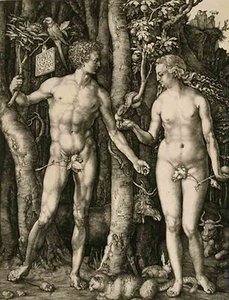 Adam and Eve - Albrecht Dürer
What story does the lush, vibrant garden of Eden in Albrecht Dürer’s "Adam and Eve" tell? Beyond the central figures, the meticulously detailed flora and watchful birds create a sanctuary of both peace and impending peril. Emerging from the intellectual ferment of the German Renaissance, this 1504 masterpiece broke new ground through its revolutionary anatomical precision and profound humanistic symbolism. As one of the top 25 artworks in Rijksmuseum, Amsterdam , it captures a pivotal moment where classical ideals met meticulous observation. For the modern collector, integrating such a piece into a curated space offers more than mere decoration; it provides a sophisticated escape. The painting’s deep tonal range and dramatic interplay of light and shadow evoke a sense of historical grandeur, allowing you to transform a contemporary room into a window onto the profound mysteries of human history and the timeless allure of Paradise.
Landscape with Waterfall - jacob isaackszoon van ruisdael
 Landscape with Waterfall - jacob isaackszoon van ruisdael
While many view the Dutch Golden Age through portraits, Jacob Isaackszoon van Ruisdael achieved immortality by capturing the very breath of the earth. In Landscape with Waterfall , he moved beyond mere scenery to pioneer a sense of the "sublime" that remains unparalleled among the top artworks in the Rijksmuseum, Amsterdam . The painting is a masterclass in atmospheric perspective; Ruisdael uses swirling, textured brushstrokes to render the white foam of the falls, pulling the eye through layers of dense, mossy greens and rugged, shadowed rocks. This meticulous layering creates a profound sense of depth, where distant, hazy hills seem to breathe within the canvas. The interplay of light filtering through an overcast sky evokes a mood of quiet drama and eternal renewal. Much like the focused energy required for great professional endeavors, the commanding presence of this landscape can transform a modern home office or study into a sanctuary of sophisticated tranquility and deep, uninterrupted concentration.
Equestrian Statue of King William III - John Michael Rysbrack
 Equestrian Statue of King William III - John Michael Rysbrack
Imagine standing before a figure of immense weight and command, where the cold bronze seems to pulse with the rhythmic, heavy stride of a powerful steed. The air around the sculpture feels thick with the gravity of history, capturing a moment of profound transition and regal authority.
This masterpiece by John Michael Rysbrack embodies the precise intersection of Baroque dynamism and Neoclassical restraint. Commemorating King William III, the work serves as a silent sentinel of stability and national unity following the Glorious Revolution. Through meticulous wax modeling and masterful bronze casting, Rysbrack achieves an astonishing level of anatomical precision, where light dances across polished armor and the horse’s mane to create a lifelike, breathing presence.
As one of the top 25 artworks in the Rijksmuseum, Amsterdam , this statue is essential for its ability to evoke strength and controlled power. Such timeless artistry reminds us that even in our fast-paced modern world, we can find profound meaning by surrounding ourselves with pieces that reflect permanence, dignity, and the enduring elegance of classical tradition.
Married Couple in a Garden (detail) - frans hals i
 Married Couple in a Garden (detail) - frans hals i
In this exquisite detail of Married Couple in a Garden by Frans Hals I , the brilliance lies in the dappled sunlight filtering through the verdant canopy. This soft, natural illumination dances across the subject's ruffled collar and pink bow, creating a delicate interplay of light and shadow that breathes life into the canvas. Such masterful command of light is precisely why this work holds its prestigious position among the top 25 artworks in the Rijksmuseum, Amsterdam ; it captures a fleeting, human moment with unparalleled vitality.
For the discerning decorator or collector, a faithful reproduction of these luminous textures offers more than mere decoration. The way the light seems to emerge from within the expressive brushstrokes adds an extraordinary layer of depth and architectural luxury to any contemporary wall, transforming a modern space into a sophisticated window onto the Dutch Golden Age.
Portrait of Elisabeth Jacobsdr. Bas - Ferdinand Bol
 Portrait of Elisabeth Jacobsdr. Bas - Ferdinand Bol
To stand before Portrait of Elisabeth Jacobsdr. Bas by Ferdinand Bol is to witness the quiet, commanding power of the Dutch Golden Age. This masterpiece earns its place among the top 25 artworks in Rijksmuseum, Amsterdam, through its breathtaking command of chiaroscuro. As a premier pupil of Rembrandt, Bol uses dramatic light to sculpt the sitter from deep, velvety shadows, highlighting the intricate textures of her lace ruff and the dignified, steady composure of her expression.
This painting is far more than a historical relic; it is a masterclass in atmosphere and presence. Its inclusion in this collection celebrates how Bol redefined portraiture through emotional depth and light. For the discerning professional or decorator, such a piece offers an unparalleled opportunity to bring museum-grade prestige into corporate suites or residential interiors. At ArtsDot.com, we believe these legendary moments should not be confined to museum walls; they are living decor, made accessible to transform your space into a curated gallery of history and refined taste.
Fruit Still-Life - Jan van Huysum
 Fruit Still-Life - Jan van Huysum
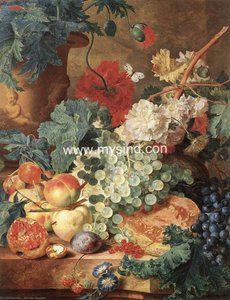
There’s a gaze in "Fruit Still-Life by Jan van Huysum" that follows you—not with judgment, but with understanding . This isn’t a portrait; it’s a mirror reflecting the lush, ephemeral abundance of the natural world. As one of the top 25 artworks in Rijksmuseum, Amsterdam, this masterpiece transcends mere botanical study to become an immersive sensory experience.
The painting vibrates with life: the deep ruby reds of ripe cherries, the sun-drenched yellows of peaches, and the cool, translucent greens of grapes. Through his masterful use of oil on copper, van Huysum achieves a luminous brilliance, where light dances across delicate moisture droplets and velvety petals with startling realism. The dramatic interplay of light and shadow—the chiaroscuro —sculpts each piece of fruit into a tangible, three-dimensional form against a warm, earthy backdrop. Now, imagine that vitality in your space. It does not merely decorate; it serves as a silent, beautiful reminder of the intricate textures and vibrant colors that compose our world.
The Corpses of the De Witt Brothers - Jan de Baen
 The Corpses of the De Witt Brothers - Jan de Baen
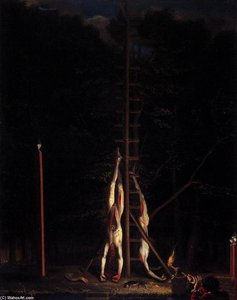
A haunting shadow of political tragedy, Jan de Baen’s The Corpses of the De Witt Brothers captures a moment where history bled into the streets of Amsterdam. In our mission to democratize beauty by making masterpieces accessible, we identify this work as an essential pillar of the Rijksmuseum's top 25 collection. Its inclusion is earned through its unflinching portrayal of the 1672 political upheaval, using masterful chiaroscuro to transform a gruesome scene into a profound meditation on the fragility of power and the darkness of human nature.
The painting’s dramatic intensity and stark tonal range offer an unparalleled emotional depth that continues to influence visual storytelling. Through high-fidelity oil reproductions, collectors can bring this transformative presence into any modern office, hotel, or personal gallery, allowing the profound gravity of the Dutch Golden Age to anchor contemporary architectural spaces.
Margarita Trip as Minerva, Instructing Her Sister Anna Maria Trip - Ferdinand Bol
 Margarita Trip as Minerva, Instructing Her Sister Anna Maria Trip - Ferdinand Bol
What story do the grand, classical steps and the luminous atmosphere of Margarita Trip as Minerva, Instructing Her Sister Anna Maria Trip by Ferdinand Bol tell? This 1663 masterpiece is far more than a family portrait; it is a profound visual allegory of enlightenment emerging from the height of the Dutch Golden Age. By casting Margarita Trip as Minerva, the goddess of wisdom, Bol captures the era's intense focus on education and virtue. As one of the top 25 artworks in the Rijksmuseum, Amsterdam , it showcases a brilliant evolution of the Rembrandt style, replacing heavy shadows with a luminous, serene palette that highlights delicate textures and symbolic figures. In today’s interior design, such a painting serves as a sophisticated window into history, offering a curated escape that brings the grace and intellectual weight of the 17th century directly into the modern home.
The Feast of St. Nicholas - jan havickszoon steen
 The Feast of St. Nicholas - jan havickszoon steen
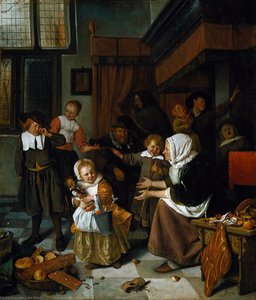
In The Feast of St. Nicholas by Jan Steen, a soft, flickering light source seems to emanate from within the celebration itself, casting gentle chiaroscuro across the bustling crowd. This delicate play of illumination captures the glint of festive treats and the expressive faces of the Dutch family, a technique that has historically anchored this work as one of the top 25 artworks in 'Rijksmuseum, Amsterdam' . The way Steen uses light to sculpt the textures of gingerbread and fruit creates an immersive, tactile experience. For the modern collector, possessing a faithful reproduction of such a luminous scene provides more than just visual interest; it introduces a sophisticated layer of warmth and historical depth. This masterful interplay of shadow and brilliance can serve as a luxurious focal point, adding a sense of storied elegance and architectural character to any contemporary interior wall.
Bijbelse Voorstelling - Ferdinand Bol
 Bijbelse Voorstelling - Ferdinand Bol
Imagine a quiet moment within a sun-dappled forest where the veil between heaven and earth begins to thin. This profound spiritual intimacy is captured in Bijbelse Voorstelling by Ferdinand Bol , a masterpiece that holds its rightful place among the top 25 artworks in Rijksmuseum, Amsterdam . Created in 1669, this work exemplifies the height of Dutch Baroque drama. As you observe the two men caught in a moment of deep reverence, you can almost feel the weight of their devotion. Bol utilizes masterful chiaroscuro to pull figures from the shadows, using light to highlight the delicate textures of drapery and the graceful flight of birds overhead. His expert use of translucent glazes lends a luminous, breathing quality to the skin and forest surroundings. This painting does more than depict a biblical scene; it invites a sense of tranquility and awe that continues to transform how we perceive light and emotion in our own modern environments.
Bust of Admiral Michiel Adriaensz. de Ruyter - Rombout Verhulst
 Bust of Admiral Michiel Adriaensz. de Ruyter - Rombout Verhulst
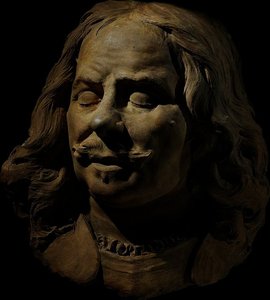
Imagine standing before a face that has weathered the storms of the seventeenth century, a visage carved not just from earth, but from the very spirit of Dutch defiance. The Bust of Admiral Michiel Adriaensz. de Ruyter by Rombout Verhulst is a profound encounter with history, capturing the essence of a national hero during the turbulent Anglo-Dutch Wars. Created in 1677, this terracotta masterpiece utilizes the tactile warmth of fired clay and subtle glazes to bring life to the Admiral’s stern gaze and textured beard. Through the masterful use of Baroque chiaroscuro, Verhulst creates a dramatic interplay of light and shadow that emphasizes anatomical precision and the heavy weight of command. This work earns its place among the top 25 artworks in the Rijksmuseum, Amsterdam, by transforming a static medium into a breathing monument of maritime power. It serves as a timeless reminder that powerful art does more than decorate; it commands the atmosphere of any space, bridging centuries with a single, resolute look.
Conclusion
As the evening light fades over the canals of Amsterdam and the grand corridors of the Rijksmuseum fall into a contemplative silence, we depart not with empty hands, but with hearts stirred by the enduring power of these masterpieces. These twenty-five works are far more than historical artifacts preserved in stone and glass; they are vibrant, living presences that continue to breathe life into the modern world. Each brushstroke carries an echo of a human heartbeat, offering us windows into the profound depths of light, shadow, and the very essence of the Dutch soul.
We believe that such beauty should not be confined to the quiet halls of a museum, but should instead be invited to dwell within our own lives. To bring these textures and emotions into your personal spaces is to surround yourself with a daily testament to human grace and resilience. Whether through the dramatic intensity of a group portrait or the soft, ethereal glow of a domestic scene, let these works shape your atmosphere and inspire your spirit. We invite you to wander further through our full collection and find the piece that speaks to your soul, allowing the timeless magic of the Rijksmuseum to become a permanent part of your world.