

The Glitch in Reality: Escaping the Mundane Through Symbolism
Forget everything you know about art being a mere mirror to the world. While the Impressionists were busy chasing sunlight and capturing the fleeting shimmer of a pond, a much darker, more rebellious force was brewing in the shadows. The Symbolist movement arrived like a glitch in the matrix of the late 19th century, refusing to document the visible world and instead choosing to hack into the human psyche. It wasn't about what you could see with your eyes, but what you felt in the depths of your subconscious. For those who find the hyper-realistic, polished reality of modern life a bit too sterile, Symbolism offers an escape into a realm where logic fails and intuition reigns supreme.
This wasn't just a change in subject matter; it was a total system reboot of artistic intent. The movement rejected the literal, the scientific, and the mundane, opting instead for a visual language that prioritized metaphor, myth, and the enigmatic. It was the original underground movement, creating a space where the boundaries between the waking world and the dream state became dangerously thin. By prioritizing the internal over the external, Symbolism paved the way for a new kind of visual impact—one that hits you in the gut rather than just the retina.
Dreamscapes & Nightmares: The Visual Language of the Unconscious
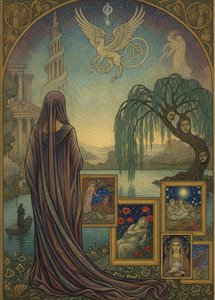
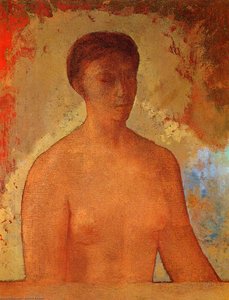
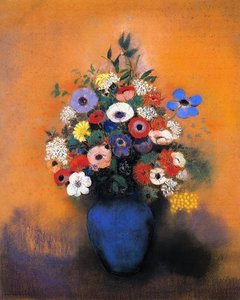
To step into a Symbolist canvas is to wander through a fever dream. There is no steady ground here, only the fluid, often unsettling imagery of the mind's deepest corridors. Imagine walking through a landscape where the colors don't quite match the objects they inhabit, or where figures emerge from a haze of pastel shadows like half-remembered ghosts. The works of masters like Odilon Redon exemplify this hypnotic pull; his Portrait of Jeanne Chaine captures a sense of contemplative, ethereal beauty that feels less like a person and more like a memory floating in a sea of soft, dreamlike hues.
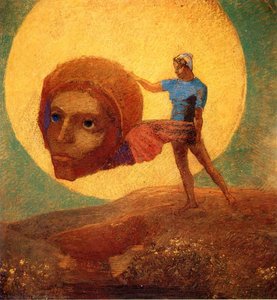
The visual vocabulary of this era is built on tension. It utilizes heavy shadows, strange juxtapositions, and an almost supernatural atmosphere to evoke emotions that words often fail to capture. It is the art of the "unseen." You might encounter eyes that watch from the darkness, floating heads, or landscapes that feel biologically alive. This isn't just decoration; it is a psychological experience designed to trigger a visceral response. Whether it evokes a sense of serene peace or a creeping sense of dread, the Symbolist aesthetic thrives on the ambiguity of the human experience, making every viewing a personal encounter with one's own shadows.
From Shadows to Surrealism: How Symbolism Rewrote the Emptiness
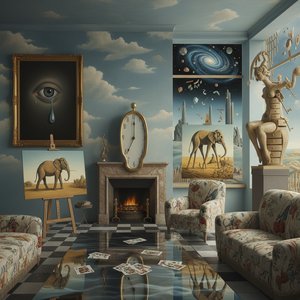
If Symbolism was the blueprint, then Surrealism was the high-definition execution. You cannot have the mind-bending distortions of Salvador Dalí or the playful, graphic disruptions of Joan Miró without the foundational groundwork laid by the Symbolists. The lineage is clear: the obsession with the dream, the rejection of the rational, and the celebration of the bizarre all flowed directly from this earlier, darker movement. While Surrealism brought a more structured, often more aggressive approach to the subconscious, its DNA is purely Symbolist.
We see this evolution in the way artists began to manipulate reality with increasing boldness. The haunting, classical influence found in Paul Delvaux’s The Sabbath carries the weight of Symbolist mystery into a mid-century context, using a dark palette and dreamlike imagery to create a sense of timelessness. Even the more modern, graphic energy seen in works like Max Ernst’s The Equivocal Woman owes its existence to that initial Symbolist impulse to destabilize the viewer's perception. The movement effectively broke the "rules" of representation, giving future generations of artists the permission to treat the canvas as a playground for the impossible.
Dark Aesthetics for Modern Spaces: Curating a Moody, Dreamy Vibe
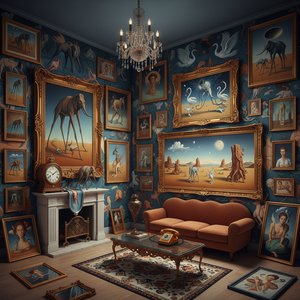
In an era dominated by bright, flat, and often disposable digital imagery, bringing a piece of Symbolist-inspired art into your space is a power move. It’s about injecting soul, depth, and a certain "dark academia" sophistication into your environment. Curating a room with this aesthetic isn't about making it gloomy; it's about creating layers of mystery. Think of it as setting the mood for a high-concept film. A single, impactful piece—perhaps a reproduction with visible, textured brushstrokes that catch the light—can serve as the anchor for an entire interior design concept.
To pull this off, focus on contrast and texture. Pair the ethereal, soft tones of a dreamlike portrait with more structured, modern furniture to create a tension that feels intentional and curated. You can lean into the "moody" vibe by using deeper color palettes in your textiles—velvets in midnight blue or heavy linens in charcoal—allowing the artwork to emerge from the shadows. This isn't just about decorating; it is about constructing an atmosphere that invites contemplation and rewards a closer look, much like the art itself.
Mastering the Mood: Bringing Symbolist Energy into Your Collection
Building a collection that resonates with this level of intensity requires more than just picking pretty pictures; it requires a commitment to visual impact. Whether you are drawn to the heavy, impasto textures of a modern reimagining or the delicate, haunting precision of a classic reproduction, the goal is to find pieces that possess a "soul." The beauty of contemporary art technology allows us to bridge the gap between the museum and the home, making these profound psychological landscapes accessible in ways previously unimaginable.
For those looking to elevate their space with something truly bespoke, consider the power of customization. Imagine transforming a personal photograph into a work that carries the weight of history—applying the dreamlike, hazy light of a Symbolist master to a modern portrait. This level of personalization allows you to create a direct link between your own reality and the profound mystery of the movement. By selecting works that prioritize texture, tonal range, and emotional depth, you aren't just hanging art on a wall; you are curating a gateway to another dimension.
At ArtsDot.com, we specialize in making these profound artistic visions a reality for your home. From hand-painted oil reproductions that capture every intentional brushstroke to custom commissions that reimagine your own memories through the lens of history, our mission is to bring the extraordinary to your doorstep. Whether you are looking for a museum-quality masterpiece or a personalized "remix" of your favorite era, we provide the tools and the artistry to ensure your collection is as bold and unforgettable as the movements that inspired it.