The Essence of Ink: Understanding the Fluidity of Monochrome Expression
To behold a work of ink on paper is to witness a silent dialogue between the artist’s breath and the receptive surface of the medium. Unlike the heavy, sculptural presence of oil on canvas, ink art thrives in the delicate tension of monochrome expression. It is an art form defined not by what is added, but by how much is withheld. The mastery of black ink lies in its ability to simulate an infinite spectrum of tones—from the deepest, most impenetrable obsidian to the faintest, ghostly grey that seems to vanish into the very fibers of the paper.
This fluidity allows for a unique form of visual poetry. In the absence of color, the eye is forced to seek meaning in the tonal gradations and the rhythm of the strokes. There is no hiding behind vibrant pigments; every hesitation, every burst of energy, and every deliberate pause is laid bare. This transparency creates an intimate connection between the viewer and the creator, inviting us into a world where the simplest mark can convey the weight of a mountain or the ephemeral passing of a summer breeze.
The Scholar's Brush: Historical Significance of Calligraphy and Ink Wash Painting
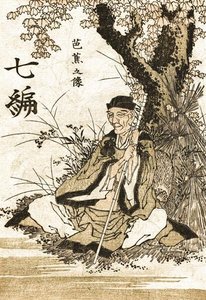
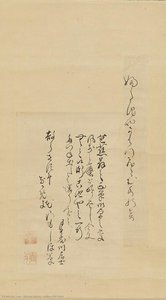
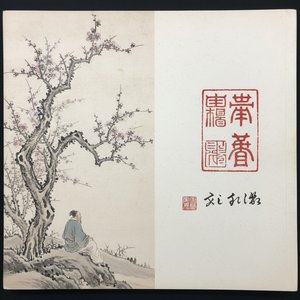
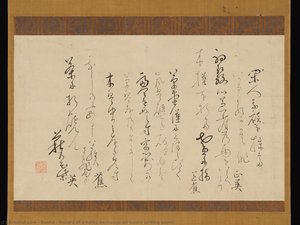
Throughout the annals of East Asian history, the brush was far more than a tool; it was an extension of the scholar’s soul. The tradition of ink wash painting and calligraphy emerged from a profound philosophical landscape, where the act of painting was inseparable from the cultivation of character. For the ancient literati, a well-executed stroke was a testament to one's moral discipline and intellectual depth. This era gave rise to legendary figures whose names remain etched in the annals of art history, such as the master Matsuo Basho, whose haiku exchanges on aged kaishi paper serve as profound relics of literary and visual harmony.
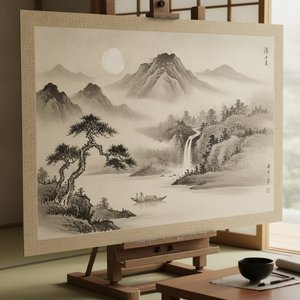
The significance of this medium extended beyond mere aesthetics into the realms of Zen Buddhism and Taoism. The ink wash technique allowed artists to capture the qi, or vital life force, of their subjects. Whether depicting a rugged landscape or a solitary bamboo stalk, the goal was never photographic realism, but rather an essence-driven representation. By studying the works of masters like Dong Qichang, one perceives a formal, symmetrical beauty that utilizes dense black ink to create a sense of structural permanence, proving that the scholar's brush could command both the delicate and the monumental.
Rhythm and Script: Exploring Running Script and Semicursive Elegance
Within the vast repertoire of calligraphic styles, there exists a particular magic in the running script. Often referred to as semicursive, this style occupies the enchanting middle ground between the rigid, architectural precision of regular script and the wild, almost illegible abstractions of cursive. It is a style characterized by dynamic brushwork, where characters flow into one another with a rhythmic grace that mimics the natural movement of water or wind.
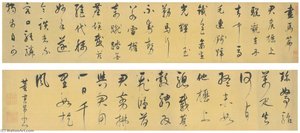
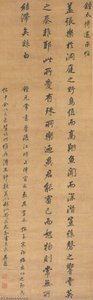
Consider the breathtaking works of the Ming Dynasty, such as those by Ni Yuanlu. In his calligraphy couplets, one can observe how the ink seems to dance across the page, creating a sense of continuous motion. The elegance of the running script lies in its ability to balance control with spontaneity. A master calligrapher must possess the technical strength to maintain the structural integrity of each character while allowing enough freedom for the brush to leap and swirl. This creates a visual cadence that guides the viewer's eye in a seamless, hypnotic loop, turning text into pure, emotive abstraction.
Materiality and Tradition: The Role of Kaishi Paper and Ancient Pigments
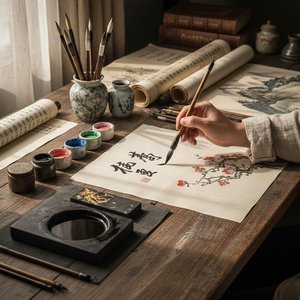
The profound impact of ink art is inextricably linked to the physical materials used by the masters. The choice of substrate is never incidental; it is a fundamental component of the artistic alchemy. Kaishi paper, with its unique absorbent qualities, provides a stage where the ink can bloom and spread, creating soft, feathered edges that are impossible to replicate on more resistant surfaces. This interaction between the liquid medium and the porous paper allows for the creation of "boneless" textures, where form is defined by washes rather than outlines.
Furthermore, the chemistry of the ink itself—traditionally derived from soot and animal glue—offers a depth of luster that modern synthetics struggle to emulate. The way these ancient pigments age, developing a subtle patina over centuries, adds a layer of temporal beauty to the work. When we look at historical exchanges on aged paper, we are not just looking at art; we are looking at a preserved moment of material history, where the very particles of carbon and the fibers of the paper have conspired to hold a memory in place for generations.
The Zen of the Stroke: Meditative Practices in Eastern Ink Artistry
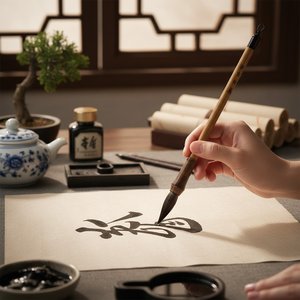
To practice ink art is to engage in a form of moving meditation. The discipline required to master the brush demands a state of mindful presence. There is no room for the ego or for distraction; if the mind wanders, the stroke falates. The artist must achieve a state of "no-mind," where the distinction between the hand, the brush, and the subject dissolves. This meditative approach ensures that every movement is intentional, contributing to the spiritual resonance found in the most celebrated works.
This Zen-like focus translates into a visual experience for the viewer that is equally tranquil. Observing a masterwork of ink on paper can induce a similar sense of calm. The simplicity of the monochrome palette and the organic flow of the compositions encourage a slowing of the pulse and a deepening of the breath. In an increasingly chaotic world, the timeless art of the ink stroke offers a sanctuary of stillness, reminding us that true beauty often resides in the most understated and deliberate of gestures.
Preserving the Flow: Modern Appreciation and Collection of Calligraphic Masterpieces
Today, the legacy of ink and paper continues to inspire collectors and enthusiasts worldwide. While the context of art appreciation has shifted toward a globalized stage, the fundamental allure of calligraphic mastery remains unchanged. For the modern connoisseur, acquiring pieces that evoke this historical grandeur is a way to connect with a lineage of profound human expression. Whether it is through the study of rare haiku exchanges or the admiration of Ming Dynasty ink washes, the passion for monochrome elegance persists.
At ArtsDot.com, we are dedicated to making this profound history accessible to a modern audience. We believe that the soul of the Old Masters should not be confined to museum archives but should live within the homes and collections of those who value true craftsmanship. Through our commitment to high-quality, hand-painted reproductions and expert art consultation, we help collectors bridge the gap between antiquity and the contemporary era, ensuring that the timeless flow of ink on paper continues to move the hearts of generations to come.