The Power of Chiaroscuro: Mastering Light and Shadow
 Chiaroscuro
In art, chiaroscuro (English: kee-AR-ə-SKOOR-oh, -SKURE-, Italian: [ˌkjaroˈskuːro]; lit. 'light-dark') is the use of strong contrasts between light and dark, usually bold contrasts affecting a whole composition. It is also a technical term used by a...
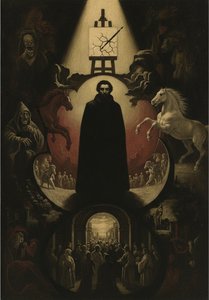
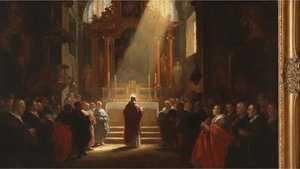
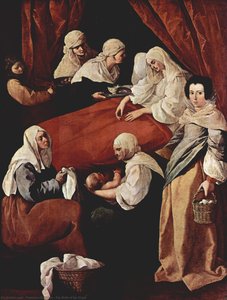
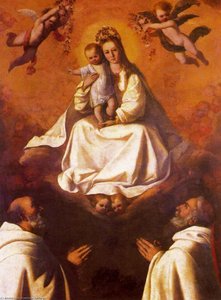
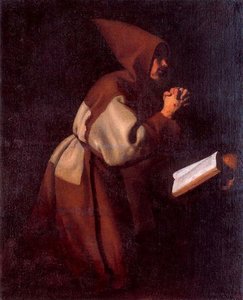
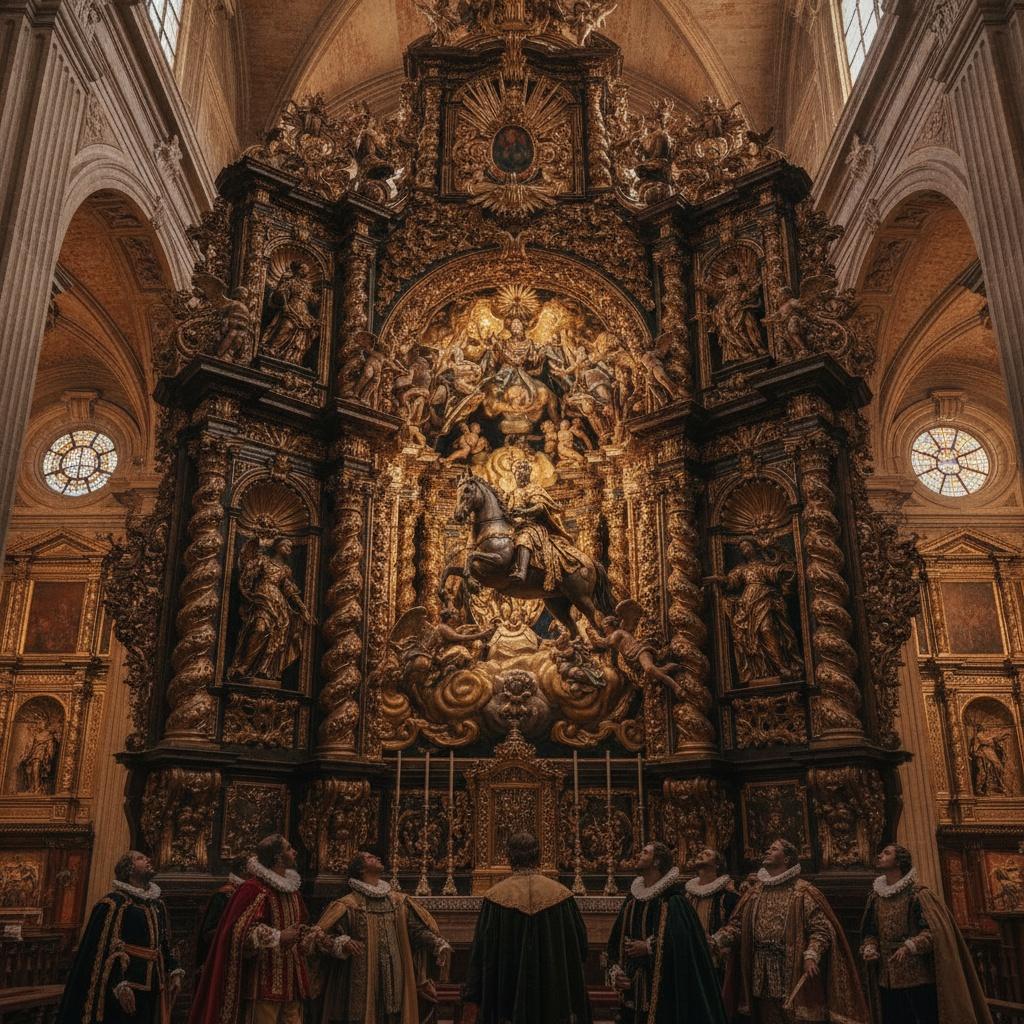
To step into the world of the Spanish Baroque is to enter a space where light does not merely illuminate, but reveals the very soul of the subject. This era, often celebrated as the Spanish Golden Age, was defined by a visual language of intense tension and transcendence. At the heart of this movement lies chiaroscuro—the dramatic interplay of extreme light and deep, swallowing shadows. Unlike the more decorative or opulent flourishes found in the Baroque traditions of France or Italy, the Spanish iteration possessed a unique, somber gravity. It was an aesthetic rooted in the profound need for spiritual connection during the Counter-Reformation, using stark contrasts to focus the viewer's eye on the essential.
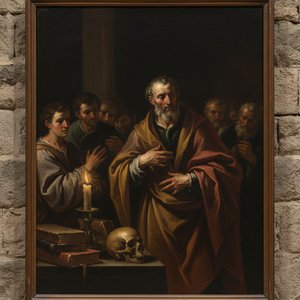
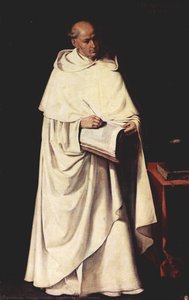
This technique, often pushed to its extreme through tenebrism, creates a sense of volume and three-dimensional presence that feels almost tactile. When light strikes a surface—be it the heavy wool of a monk’s habit or the weathered skin of a saint—it emerges from an impenetrable darkness, creating a cinematic impact that resonates even in our modern, hyper-saturated world. This mastery of shadow was not just a stylistic choice; it was a tool for emotional manipulation, designed to evoke piety, awe, and a visceral sense of presence that transcends the canvas.
Velázquez and the Soul of Portraiture: Beyond Mere Likeness
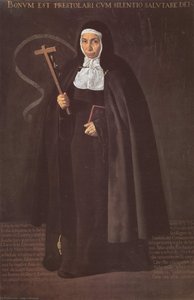 Madre Maria Jeronima de la Fuente
A Portrait of Faith and Determination: Diego Velázquez’s *Madre Maria Jeronima de la Fuente* Diego Velázquez, a towering figure of the Spanish Golden Age, gifted the world with portraits that transcend mere likenesses – they are windows into the soul...
If the Spanish Baroque had a titan, it was undoubtedly Diego Velázquez. A master whose influence continues to ripple through modern artistic movements, Velázquez gifted the world with portraits that transcend mere physical resemblance; they are windows into the human psyche. His work, particularly during his time serving the Spanish Habsburgs, demonstrates an unparalleled ability to capture both regal authority and quiet, psychological depth. In masterpieces like Madre Maria Jeronima de la Fuente, we see a profound meditation on faith and resilience. Through subtle modeling of features and a sophisticated use of light, he captures a gaze that is not merely looking, but contemplating.
Velázquez’s early journey through the bodegones—meticulously rendered still lifes—honed his ability to capture the weight of objects and the texture of reality. As his style evolved, his brushwork began to hint at a looser, more expressive freedom that would later inspire the Impressionists. For the contemporary collector, a Velázquez-inspired piece offers more than decoration; it provides an intimate glimpse into character. His portraits do not just sit on a wall; they engage the viewer in a silent dialogue, making them perfect for those seeking art with profound psychological impact and historical weight.
Zurbarán’s Silent Devotion: The Aesthetic of Monastic Gravity
 25 Masterpieces by Francisco de Zurbarán: The King of Spanish Baroque
Introduction To step into the world of Francisco de Zurbarán is to enter a space of profound silence, where light does not merely illuminate, but reveals the very soul of the subject. His work possesses a rare, monastic gravity—a stillness so potent ...
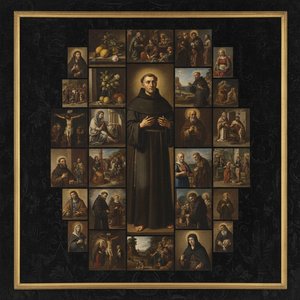
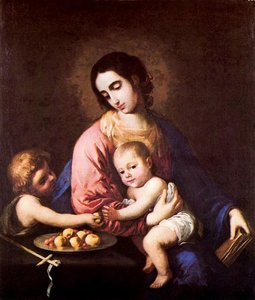
In stark contrast to the theatrical excess of some Baroque contemporaries, Francisco de Zurbarán mastered the art of profound silence. His work possesses a rare, monastic gravity—a stillness so potent that one can almost hear the hushed prayers of the Spanish ascetic. Working primarily in Seville, Zurbarán became the definitive voice of Spanish spiritual intensity. He avoided flamboyant ornamentation, choosing instead a path of stark realism and monumental simplicity. In his hands, a simple white monastic habit or a piece of fruit becomes a vessel for the divine.
His mastery of texture is breathtaking; he captured the grit of stone and the heavy, tactile weight of fabric with an academic precision that remains unparalleled. This commitment to spiritual depth created a ripple effect, influencing a whole group of artists who sought to emulate his ability to find grandeur in the humble. To possess a work in the style of Zurbarán is to invite a moment of much-needed contemplation into a modern space, bringing a sense of peace and enduring grace through the power of shadow and light.
The Golden Age Texture: From Religious Zeal to Hyper-Realism
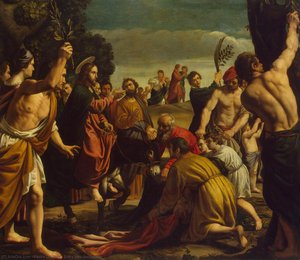 Pedro Orrente
The Spanish Bassano: The Life and Legacy of Pedro Orrente In the vibrant tapestry of the Spanish Golden Age, few threads are as intricately woven yet subtly colored as those left by Pedro Orrente . Born in Murcia in 1580, Orrente emerged during a tra...
The Spanish Baroque was a crucible where religious fervor met an burgeoning interest in naturalism. This era saw artists like Pedro Orrente bridging the gap between the lingering echoes of Mannerism and a new, visceral human experience. Often referred to as the "Spanish Bassano," Orrente brought a unique ability to transform biblical narratives into dynamic scenes set against lush, detailed landscapes. This movement toward realism meant that the divine was no longer depicted in an idealized, distant realm, but within the tangible, textured world of the viewer.
This era’s obsession with texture—the way light catches a polished surface or disappears into the folds of heavy cloth—created a hyper-realistic impact that feels incredibly modern. It is this very "tactile experience" that makes the Spanish Golden Age so enduringly relevant to today's design-conscious collectors. The movement was about more than just painting; it was about an immersive, physical encounter with art that celebrates the beauty of the real and the profound weight of the material world.
Remixing the Baroque: Transforming Modern Memories into 17th-Century Masterpieces
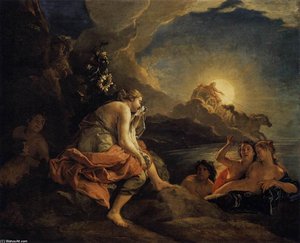 Clytie Transformed into a Sunflower
Charles de La Fosse’s ‘Clytie Transformed into a Sunflower’ (1688) captures Baroque grace with a Rococo-influenced depiction of Apollo’s rejected lover. This stunning oil painting offers a poignant exploration of loss and devotion, perfect for art lo
While we revere the masters of the past, at ArtsDot.com, we believe in the power to "remix" history. The dramatic techniques of the Spanish Baroque—the chiaroscuro, the intense textures, and the soulful portraiture—are not confined to museums. We offer a unique way to bridge the centuries by transforming your personal milestones into hand-painted oil masterpieces.
Imagine your wedding portrait reimagined with the light-drenched, dramatic shadows of Velázquez, or a cherished pet portrait executed with the monastic gravity and textured realism of Zurbarán. Our professional artists, holding degrees from prestigious Fine Arts academies, specialize in these "Period Shifts." Through our Professional Digital Mockup Service, you can see your vision come to life before a single drop of oil touches the canvas. Whether it is a custom family portrait or a tribute to a loved one, we provide the tools to turn your modern memories into timeless, high-impact treasures that command any room.