The Victorian Vibe: Why Retro Botanicals are the New Streetwear for Your Walls
 Victorian Botanical Painting: Science, Art & Aesthetic Sensibility
The Rise of Botanical Fascination: Victorian Society & the Natural World Wikipedia: Botany Botany, also called phytology or plant science, is the branch of natural science and biology that studies plants, especially their anatomy, taxonomy, and ecolo...
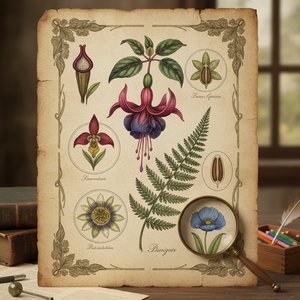
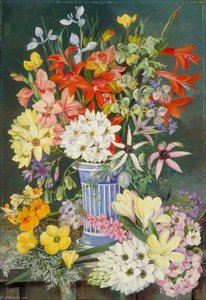
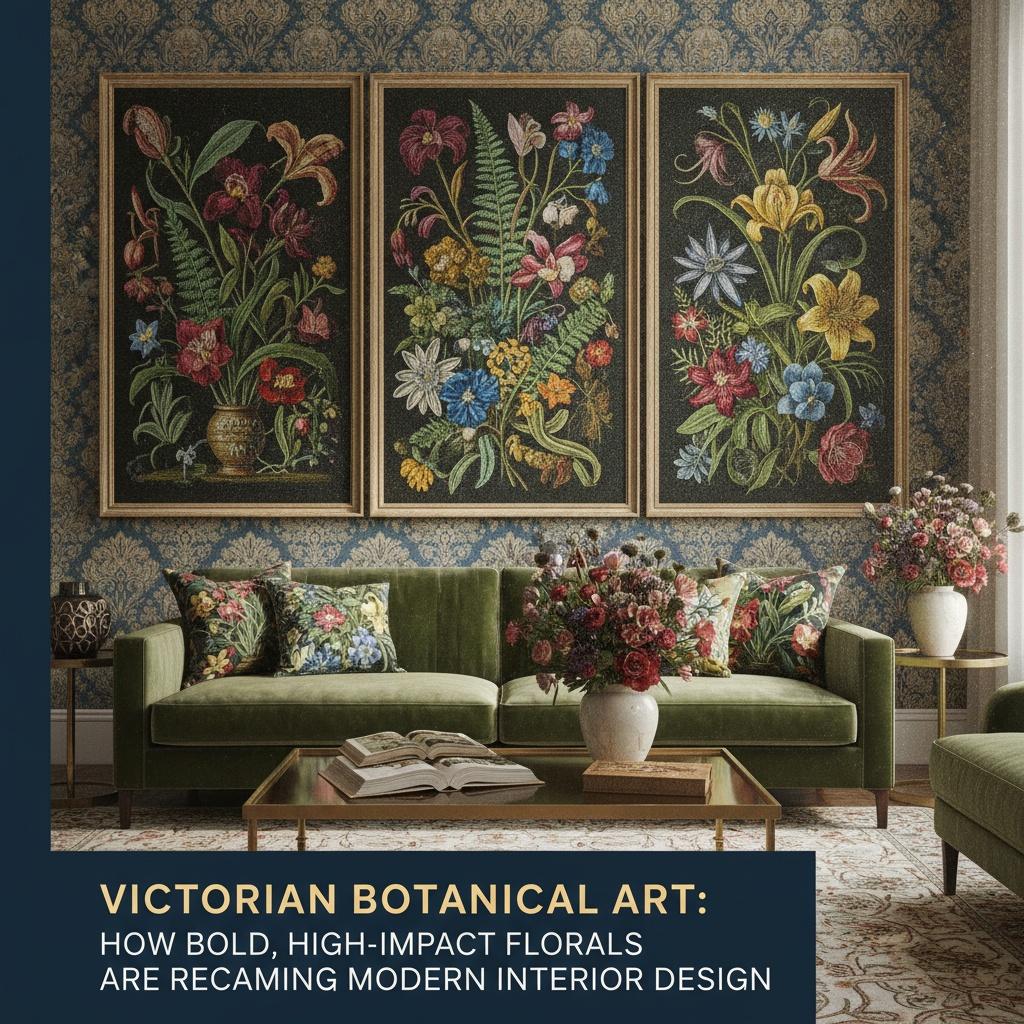
Forget the minimalist beige takeover; there is a new movement creeping into the urban loft, and it is dripping in saturated pigments and organic chaos. We are witnessing a massive resurgence of Victorian botanical art, but not the dusty, forgotten sketches you might find in an attic. This is about reclaiming the high-octros energy of the 19th century and injecting it into the hyper-modern, design-conscious home. Much like how vintage streetwear has been reimagined with bold logos and contemporary silhouettes, these botanical motifs are being stripped of their stuffy academic context and repurposed as high-impact visual statements.
The allure lies in the contrast. In an era dominated by digital screens and sleek, sterile surfaces, there is a profound psychological craving for something tactile, lush, and unapologetically alive. These florals act as a rebellion against the monochrome. They bring a sense of "maximalist soul" to a space, providing that essential layer of character that makes a room feel curated rather than just decorated. It is about bringing the wild, untamed essence of the natural world into the structured geometry of modern architecture, creating a tension that feels both nostalgic and incredibly fresh.
Beyond the Specimen: The High-Drama Aesthetic of Marianne North and Tropical Maximalism
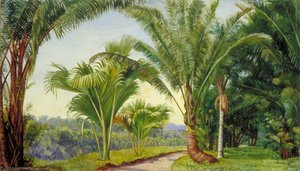 Palms in the Botanic Garden, Buitenzorg, Java
A Victorian Explorer's Ode to Tropical Beauty: Marianne North’s ‘Palms in the Botanic Garden’ Marianne North (1830–1890) wasn’t merely an artist; she was a pioneer, a woman who defied societal expectations and charted her own course toward scientific...
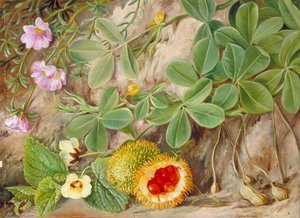
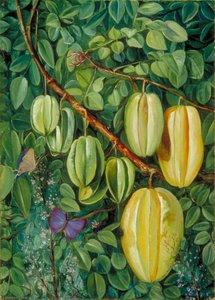
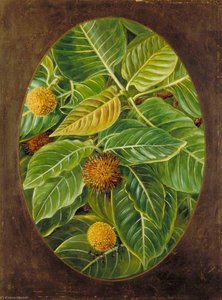
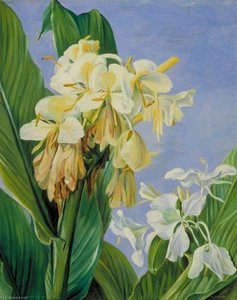
To understand the true power of this trend, one must look beyond the mere scientific study of plants and toward the cinematic drama of artists like Marianne North. While many of her contemporaries were focused on isolating single specimens for clinical scrutiny, North was a pioneer of what we might today call "immersive environments." Her work did not just document a flower; it captured an entire ecosystem in motion. Her paintings, often executed during daring solo expeditions across Southeast Asia and beyond, explode with the energy of untamed habitats—think dappled sunlight filtering through dense jungle canopies and the vibrant, heavy textures of tropical palms.
This approach is the blueprint for modern tropical maximalism. It is not about a single pretty petal; it is about the lush, overwhelming density of life. When you bring these large-scale, vibrant compositions into a contemporary space, you aren't just hanging a picture; you are installing a window into a lost, verdant world. North’s ability to blend scientific curiosity with an almost psychedelic sense of color and light provides the perfect inspiration for those looking to create a "statement wall" that demands attention and sparks conversation.
From Science to Style: Reimagably Scientific Precision as Bold Interior Statements
 The Flourishing Canvas: A Historical & Artistic Exploration of Botanical Illustration
The Roots of Observation: Early Botanical Depictions & Medicinal Herbals Wikipedia: Botanical illustration Botanical illustration is the art of depicting the form, color, and details of plant species. They are generally meant to be scientifically des...
There is a fascinating paradox at the heart of Victorian botanical art. At its inception, much of this work was driven by an intense, almost obsessive need for scientific accuracy—a way to catalog the expanding world through the lens of botany and taxonomy. Artists were visual translators, documenting the anatomy of plants with a precision that bordered on the surgical. Yet, in the process of trying to be purely objective, they inadvertently created some of the most aesthetically powerful works in art history.
Today, we strip away the heavy scientific nomenclature and focus entirely on the graphic impact. The intricate details—the delicate veins of a leaf, the velvety texture of a petal, the structural complexity of a stem—become design elements in their own right. These precise lines and rich color palettes function much like modern graphic design or street art, offering sharp, recognizable motifs that can anchor a room. By repurposing this scientific precision, we transform "educational" illustrations into bold, architectural accents that bridge the gap between historical depth and contemporary edge.
The Modern Remix: How to Pair Vintage Florals with Contemporary Urban Design
 The Refined Aesthetic of Victorian Illustration: A Study in Narrative & Technique
The Rise of Victorian Illustration: Social Context & Artistic Demand Wikipedia: Victorian era In the history of the United Kingdom and the British Empire, the Victorian era was the reign of Queen Victoria, from 20 June 1837 until her death on 22 Janu...
Integrating these lush, historical pieces into a modern, urban environment requires a certain design intelligence. The goal is not to create a period room that feels like a museum, but to execute a "remix." Imagine a sleek, mid-century modern sofa in deep charcoal, set against a massive, multi-panel botanical canvas that features exploding hues of emerald and crimson. Or consider a minimalist loft with concrete walls, where a single, large-scale floral reproduction provides the necessary warmth and organic softness to break up the industrial hardness.
The key is balance and intentionality. You can lean into the trend by using "Multi-Panel" layouts—splitting a singular botanical scene across three or five panels to create a wide, cinematic effect that works perfectly over a sideboard or a bed. This technique adds a rhythmic, modern architectural feel to the artwork. When paired with contemporary materials like matte black metals, glass, and raw wood, these vintage florals don't look out of place; they look like the centerpiece of a sophisticated, culturally literate home.
Texture & Impact: Elevating Botanical Prints into Hand-Painted Masterpieces
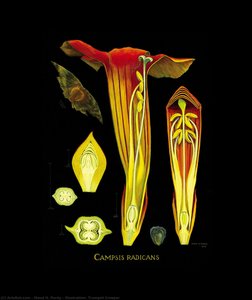 Illustration: Trumpet Creeper
Exquisite 1932 botanical illustration by Maud H. Purdy: 'Trumpet Creeper'. Detailed watercolor study of a *Campis radicans* plant, showcasing scientific precision & natural beauty.
For those who truly want to elevate their space, the distinction between a flat print and a hand-painted reproduction is everything. While digital prints offer convenience, they often lack the "soul" and tactile depth that defines true luxury decor. A high-quality, hand-painted oil reproduction on 100% cotton canvas brings something a computer cannot: visible brushstrokes, an incredible tonal range, and a physical texture that catches the light. This is where the art becomes an experience.
When you opt for a piece that features the impasto technique—where the paint is applied thickly enough to create actual relief on the canvas—the botanical subject takes on a three-dimensional life. The shadows cast by the ridges of the paint mimic the very textures of the plants being depicted. This level of craftsmanship turns a decorative object into a lasting investment. Whether you are looking to transform a personal photo into a botanical masterpiece or seeking a museum-quality reproduction of a classic, the focus should always be on the impact of the medium. In the world of high-end design, it is the texture, the light, and the unmistakable presence of the artist's hand that truly completes the vision.
Discover your next statement piece at ArtsDot.com. From custom photo transformations to museum-quality oil reproductions, we bring the boldest eras of art history into the modern home.