



The Strategic Value of Art: Beyond Aesthetics in Corporate Leadership Spaces
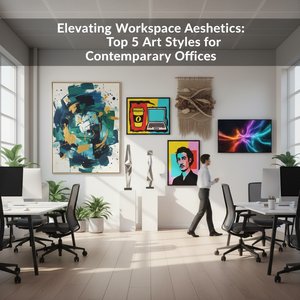 Elevating Workspace Aesthetics: Top 5 Art Styles for Contemporary Offices
Elevate your office aesthetic with 's expert guide to the top 5 art styles for contemporary workspaces. Boost productivity & inspire creativity – discover the perfect look today!
For centuries, the spaces where decisions are made – palaces, boardrooms, executive offices – have been adorned with art not merely as decoration, but as a deliberate expression of power, taste, and enduring values. This tradition isn’t simply about opulence; it's rooted in a deep understanding that visual culture profoundly shapes perception. Today’s discerning corporations are rediscovering this principle, moving beyond generic prints to embrace strategic art acquisition as an integral component of brand identity and internal culture. The artwork chosen for these pivotal areas speaks volumes – communicating ambition, innovation, stability, or creativity long before any words are exchanged. It's a silent ambassador, subtly influencing clients, partners, and employees alike.
Historically, the patronage of art was often linked to legitimizing authority. Renaissance rulers commissioned portraits and grand historical scenes to solidify their lineage and demonstrate cultural sophistication. While the context has evolved, the underlying principle remains: art conveys meaning. A carefully selected abstract sculpture in a modern tech firm signals forward-thinking dynamism, while classic landscapes in a financial institution evoke trust and enduring strength. The key lies not just in *what* is chosen, but *why*. What narrative does it tell? What emotions does it elicit? And crucially, how does it align with the company’s core values and long-term vision?
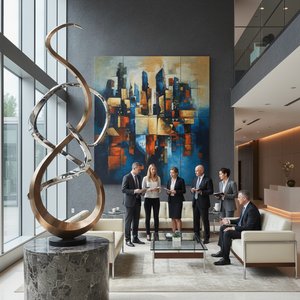
The most successful corporate art programs aren't assembled haphazardly; they are curated experiences. They reflect a deep understanding of color psychology, spatial dynamics, and the subtle interplay between artwork and architecture. A vast, minimalist space might benefit from a single, impactful piece – a bold canvas or striking installation that commands attention. Conversely, a more intimate setting could be enhanced by a thoughtfully arranged collection of smaller works, fostering conversation and engagement.
Biophilic Design & Cultivating Wellbeing and Productivity Through Natural Imagery
Biophilic design is a concept used within the building industry to increase occupant connectivity to the natural environment through the use of direct nature, indirect nature, and space and place conditions. There are various elements that serve as t...
The modern workplace often isolates us from the natural world – a disconnect increasingly recognized as detrimental to wellbeing and productivity. Biophilic design seeks to remedy this, integrating elements of nature into built environments to foster a sense of calm, connection, and revitalization. While sunlight, ventilation, and living plants are foundational components, art plays a uniquely powerful role in amplifying these effects. Consider the evocative power of a sweeping landscape painting – transporting viewers to tranquil forests or sun-drenched coastlines. These aren’t merely aesthetic choices; they tap into our innate human affinity for nature, reducing stress levels and enhancing cognitive function.
The principles of biophilic design extend beyond representational imagery. Abstract art that mimics natural patterns – the swirling currents of water, the fractal geometry of leaves – can also evoke a sense of calm and connection. Color palettes inspired by earth tones – greens, blues, browns – further reinforce this effect, creating a harmonious environment where occupants feel grounded and revitalized. The use of natural materials in framing and display can also contribute to the overall biophilic aesthetic. A painting framed in reclaimed wood, for example, adds texture and warmth, subtly connecting the artwork to its origins.
Research consistently demonstrates that exposure to nature – even through visual representations – has a positive impact on mental health and productivity. Incorporating biophilic art into the workplace isn’t simply about creating a more beautiful space; it's an investment in employee wellbeing and overall organizational success.
Art Styles that Speak Volumes: Aligning Visual Language with Your Brand Identity
Selecting the right art style is paramount to conveying your corporate message effectively. Each style carries its own unique connotations, evoking specific emotions and associations. Contemporary Abstract Art, for example, often signals innovation, forward-thinking, and a willingness to embrace new ideas – making it an ideal choice for tech companies and design firms. The bold colors, dynamic compositions, and non-representational forms convey a sense of energy and creativity.
Impressionism, with its emphasis on light, color, and atmosphere, evokes a sense of sophistication, beauty, and tranquility. This style is particularly well-suited for client-facing areas where a calming and welcoming environment is desired. Renaissance Portraits, conversely, convey stability, tradition, and authority – appropriate for law firms, financial institutions, and established corporations seeking to project an image of enduring strength. Modern Art (Mid-Century) represents progress, optimism, and design sensibility, working well in collaborative spaces and offices with a strong aesthetic focus.
Pop Art adds vibrancy, energy, and a touch of playfulness – suitable for creative agencies and companies targeting younger demographics. However, it’s crucial to avoid clichés. A generic landscape or overly-familiar still life can detract from your brand image. Seek pieces that are original, thought-provoking, and aligned with your company’s unique personality.
Navigating the Acquisition Process: The Benefits of Professional Art Consulting
The process of acquiring artwork – particularly for large-scale projects – can be complex and time-consuming. Sourcing suitable pieces, negotiating prices, managing logistics, and ensuring proper installation requires specialized expertise. This is where a professional art consultant proves invaluable. Consultants possess an extensive network of artists and galleries, providing access to a diverse range of styles and price points often unavailable through traditional channels.
Beyond sourcing, consultants offer expert guidance on placement, framing, and lighting – ensuring that the artwork is displayed to its full potential. They can also manage custom commissions, working directly with artists to create pieces tailored to your specific needs. A skilled consultant will take the time to understand your company’s values, aesthetic preferences, and budget constraints, curating a selection of artwork that aligns perfectly with your vision. Furthermore, they handle art appraisals and inventory management, ensuring the long-term value of your collection.
Commissioned Creations: Tailoring Artwork to Reflect Your Unique Corporate Narrative
While acquiring existing artwork can be effective, commissioning an original piece offers a unique opportunity to express your corporate identity and create something truly one-of-a-kind. This allows you to specify the subject matter, style, size, and color palette, ensuring a perfect fit for your space and brand aesthetic. Custom artwork also provides opportunities to support emerging artists and foster community engagement.
The commissioning process typically involves several stages: initial consultation, concept development, sketch approval, painting execution, and final delivery. It’s crucial to choose an artist whose style aligns with your vision and who has experience creating large-scale works. Clear communication is essential throughout the process – providing detailed feedback on sketches and ensuring that the artwork reflects your company’s values and aspirations.
Investing in Art as an Asset: Financial Considerations for Long-Term Value
Investing in corporate art isn’t simply an aesthetic choice; it's a strategic business decision with tangible financial benefits. A well-curated collection can appreciate in value over time, providing a potential return on investment. Furthermore, certain art acquisitions may qualify for tax deductions (consult with a financial advisor). Artwork can also serve as collateral for loans or be used to diversify your investment portfolio.
However, it’s important to conduct thorough research and work with reputable dealers to ensure authenticity and value. Consider the long-term potential of each piece before making a purchase – focusing on artists with established reputations and strong market demand. A professional art consultant can provide valuable guidance on investment strategies, helping you build a collection that not only enhances your corporate image but also appreciates in value over time. At ArtsDot.com, we offer a curated selection of both hand-painted reproductions and original artwork, providing expert advice and personalized service to help you create the perfect art program for your leadership spaces.