

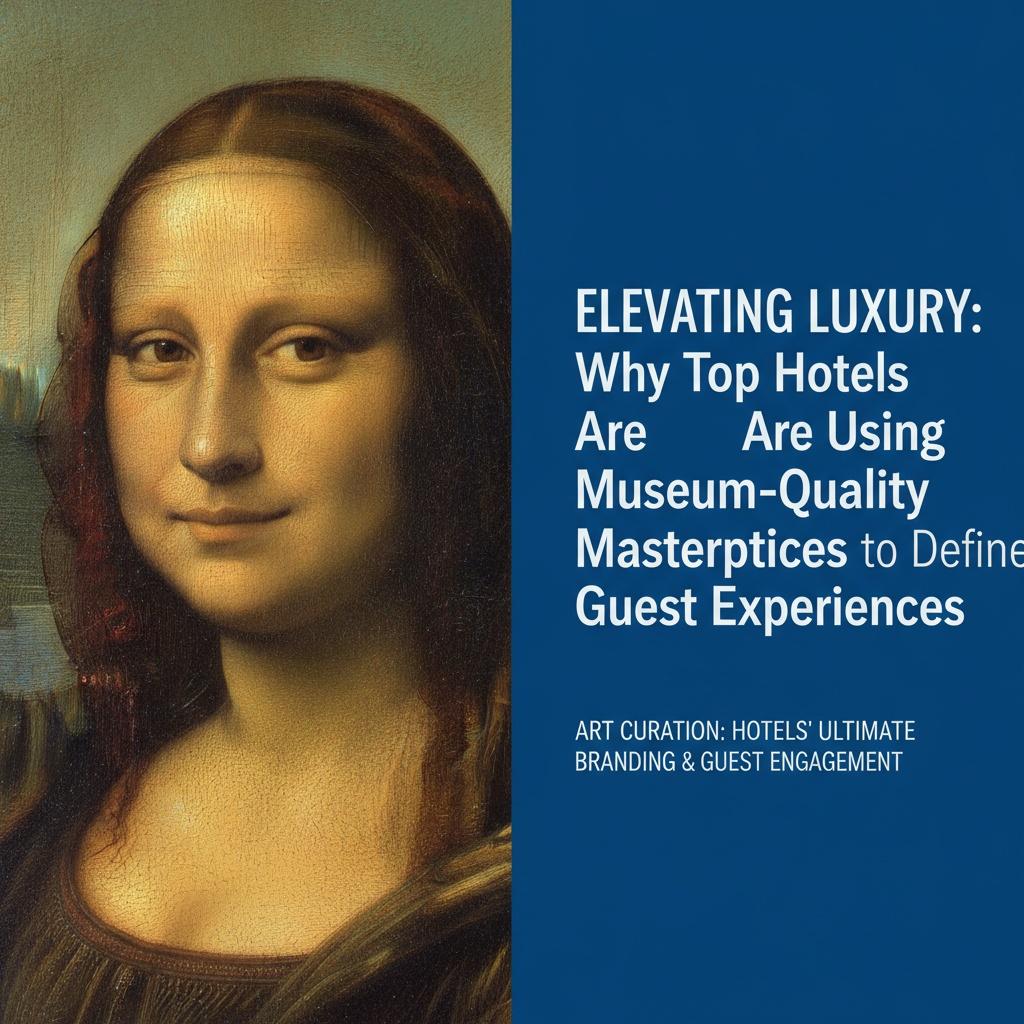
The Architectural Anchor: Art as the Soul of Luxury Hospitality
 Elevating Luxury: Why Top Hotels are Using Museum-Quality Art to Define Guest Experiences
The Curated Atmosphere: Art as an Architectural Anchor In the realm of ultra-luxury hospitality, design is never merely about the arrangement of furniture or the selection of textiles; it is about the orchestration of an atmosphere. For the discernin...
In the rarefied air of ultra-luxury hospitality, design is never merely a matter of arranging fine textiles or selecting premium furniture; it is the meticulous orchestration of an atmosphere. For the discerning hotel designer, a room serves as a stage, and the walls act as the canvas upon which a brand’s narrative is written. When we observe the world's most iconic landmarks—from the Art Nouveau splendor of the Grand Hotel Campo dei Fiori to the refined elegance of historic Victorian parlors—we see that art serves as the essential architectural anchor. It provides a sense of permanence and weight, grounding the transient nature of travel within a space that feels established and profound.
A hotel is no longer just a place for rest; it has evolved into an immersive experience designed to resonate with guests on a subconscious level. The strategic integration of fine art—whether through original works or meticulously crafted museum-quality reproductions—transcends mere decoration. It becomes a powerful tool for brand differentiation and guest engagement. By utilizing art as a structural element, designers can transform a simple corridor into a curated gallery experience, ensuring that the very bones of the building reflect an uncompromising commitment to beauty and cultural depth.
Curating Narrative: From Renaissance Humanism to Modern Brand Identity
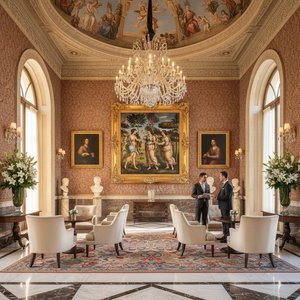 Renaissance Art Guide: Curating Timeless Masterpieces for Luxury Hotel Interiors and Professional Hospitality Design
The Strategic Role of Renaissance Art in Luxury Hospitality Branding Elevating Hospitality Aesthetics: Museum-Quality Art for Luxury Hotels The Transformative Power of Art in Luxury Hospitality Wikipedia: Peace Hotel The Peace Hotel (Chinese: 和平饭店, p...
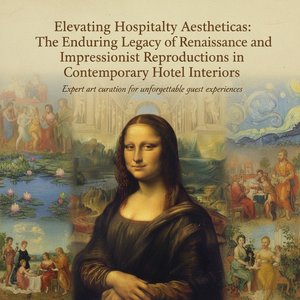
The selection of artwork is a profound act of storytelling. For the modern luxury brand, art provides the vocabulary necessary to communicate values of sophistication and intellectual depth. Consider the strategic role of Renaissance art in hospitality branding; when a lobby incorporates the serene beauty of Michelangelo or the balanced proportions of Raphael, it signals a commitment to the ideals of humanism and classical perfection. This is not accidental decoration but a deliberate attempt to evoke a sense of timelessness that transcends fleeting seasonal trends.
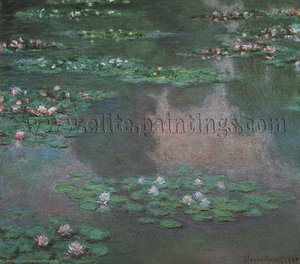
Historically, grand hotels mirrored the private collections of the global elite, using art to showcase status and refined taste. We see this legacy in the Peace Hotel in Shanghai, where the inclusion of diverse styles reflected a cosmopolitan spirit. Today, while the landscape has shifted toward more personalized experiences, the fundamental principle remains: art provides the soul of the space. Whether a designer chooses the light-drenched Impressionism of Monet to evoke tranquility or the dramatic chiaroscuro of the Baroque era to command attention, the chosen movement dictates the hotel's emotional identity.
Beyond Decoration: The Psychological Impact of Museum-Quality Masterpieces on Guest Engagement
 Elevating Hospitality Aesthetics: Museum-Quality Art for Luxury Hotels
The Transformative Power of Art in Luxury Hospitality Wikipedia: Peace Hotel The Peace Hotel (Chinese: 和平饭店, pinyin: Hépíng Fàndiàn, Shanghainese: Wubin Vaedi) is a hotel on The Bund in Shanghai, China, known as the Fairmont Peace Hotel run by Fairmo...
The modern luxury traveler seeks more than superficial opulence; they crave authenticity and cultural resonance. Art provides precisely this, acting as a bridge between the physical space and the guest's inner world. A thoughtfully curated ensemble of masterpieces creates an emotional dialogue, fostering a sense of connection that lingers long after the stay has ended. When guests encounter works that possess a palpable history—the visible brushstrokes of an oil reproduction or the deep tonal range of a hand-painted canvas—it triggers a sense of awe and discovery.
This psychological engagement is vital for profitability and brand loyalty. A space adorned with high-quality art becomes a destination in itself, encouraging guests to linger, explore, and share their experiences. The tactile quality of handmade oil reproductions, which capture the very essence and spirit of the masters through meticulous layering and texture, offers a sensory richness that digital prints simply cannot replicate. This depth of experience transforms a transient passageway into a memorable landmark, turning a hotel stay into a profound cultural journey.
Strategic Implementation: Integrating Large-Scale Murals, Multi-Panel Sets, and Custom Commissions
 From Canvas to Legacy: A Detailed Examination of Handmade Oil Reproduction Techniques for Galleries and Hospitality Environments
The Enduring Appeal of Oil Reproduction: Bridging Access, Affordability & Artistic Appreciation The Enduring Appeal of Oil Reproduction: Bridging Access, Affordability & Artistic Appreciation Discover the beauty of art with 's exquisite oil painting ...
For the professional designer, the challenge lies in the execution of these grand visions. The scale of luxury architecture often demands art that can hold its own against expansive lobbies and soaring ceilings. This has led to a rise in the use of large-format murals and architectural frescoes. These works, painted on massive canvas rolls, allow designers to recreate historical wonders—such as the breathtaking ceilings of the Sistine Chapel—within a contemporary hotel setting, effectively blurring the lines between modern construction and classical grandeur.
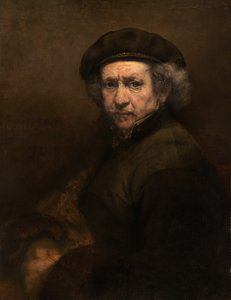
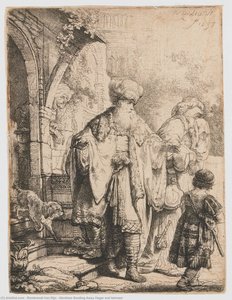
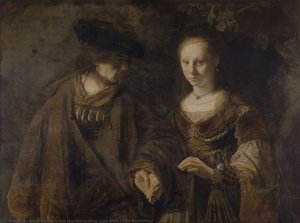
Furthermore, the "multi-panel" trend has emerged as a sophisticated solution for wide walls and grand staircases. By splitting a single masterpiece across three, four, or five panels, designers can create a cohesive, modern architectural look that directs the eye through the space. For more bespoke requirements, custom commissions offer unparalleled flexibility. Through advanced services, it is now possible to "remix" art history—requesting a personal photograph be transformed into the impasto style of Van Gogh, or even performing a "period shift," where a contemporary image is reimagined as a 17th-century masterpiece in the style of Rembrandt. This level of customization ensures that the art is perfectly tailored to the specific color palette and architectural rhythm of the project.
The New Era of Authenticity: Bridging Historical Legacy with Bespoke Artistic Innovation
 Oil painting
Oil painting is a painting method involving the procedure of painting with pigments combined with a drying oil as the binder. It has been the most common technique for artistic painting on canvas, wood panel, or copper for several centuries. The adva...
We are entering an era where technology and tradition converge to democratize access to cultural treasures. While for much of history, the dream of possessing a Van Gogh or a Rembrandt was confined to royalty, the art of handmade oil reproduction now allows designers to bring that same brilliance into the hospitality environment with precision and affordability. This is not about imitation; it is about continuing a legacy through craftsmanship. Every hand-painted piece on 100% cotton canvas, finished with protective Damar varnish, represents a labor of passion by artists trained in the highest academic traditions.
As we look to the future of luxury design, the integration of these masterpieces will only deepen. The ability to utilize professional digital mockups to visualize compositions before they are ever painted ensures that the designer's vision is realized without uncertainty. Whether through the preservation of classical styles or the bold exploration of new, custom-tailored aesthetics, the use of museum-quality art remains the ultimate hallmark of excellence in luxury hospitality. At ArtsDot.com, we remain dedicated to providing the tools and expertise that allow designers to turn any space into a living, breathing masterpiece.