The Philosophy of Impermanence: Understanding the 'Floating World'
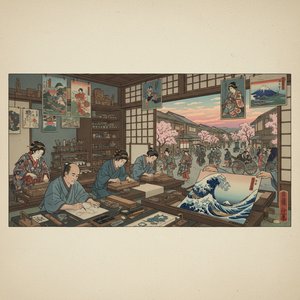 Floating Worlds: The Captivating Magic and Timeless Legacy of Japanese Ukiyo-e Art
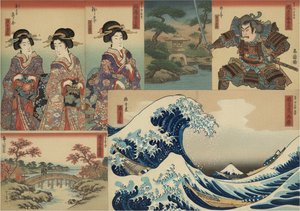
The Philosophy of the Floating World: Understanding Ukiyo-e To understand Ukiyo-e is to grasp the very essence of a transient existence. The term itself, translating to "pictures of the floating world," carries a profound, bittersweet weight. Origina...
To truly comprehend the essence of Ukiyo-e, one must first look beyond the vibrant pigments and intricate linework to grasp a profound, bittersweet philosophical shift that occurred during Japan’s Edo period. The term
ukiyo, which translates to "floating world," carries a heavy historical duality. Originally rooted in Buddhist doctrine, it referred to a sorrowful, transient existence—a world of suffering defined by the ephemeral nature of human life. However, as the city of Edo flourished under the Tokugawa shencunate, this concept underwent a radical, hedonistic transformation. The focus shifted from the impermanence of suffering to the celebration of fleeting pleasures.
This new "floating world" was an art of the moment, a deliberate embrace of the theater, the tea houses, and the seasonal beauty that exists only for a heartbeat. It was a cultural movement born from the
chōnin class—the merchants and craftsmen who, despite being at the bottom of the social hierarchy, possessed the growing wealth to patronize the arts. For these urban dwellers, art was not about capturing the eternal or the divine; it was an attempt to freeze a passing glance, a sudden movement, or the delicate fall of a cherry blossom. This philosophy taught that beauty is most potent precisely because it cannot last, making every woodblock print a poignant tribute to the transient pulse of contemporary life.
Masters of the Woodblock: From Hokusai’s Landscapes to Kuniyoshi’s Drama
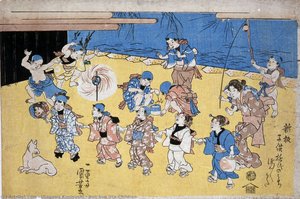
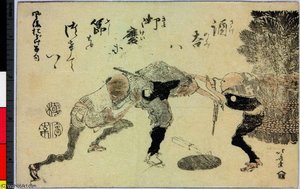 Furyu odoke hyakku
Witness the dynamic energy of Katsushika Hokusai’s ‘Furyu Odoke Hyakku,’ a vibrant Edo-period Ukiyo-e woodblock print depicting a chaotic street fight. Explore Japanese art history!
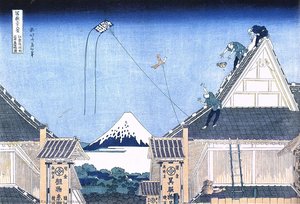
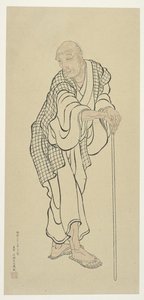
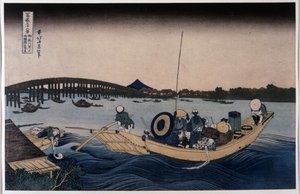
The history of Ukiyo-e is written through the hands of visionary masters who possessed an uncanny ability to translate human emotion into graphic precision. Perhaps no name resonates more powerfully than Katsushika Hokusai, a titan whose work redefined the genre's boundaries. While early Ukiyo-e focused heavily on portraits of beauties and actors, Hokusai steered the medium toward a broader exploration of the natural world. His ability to imbue landscapes with a sense of divine energy—most notably in his depictions of Mount Fuji—transformed the woodblock print into a window onto the majesty of the Japanese terrain.
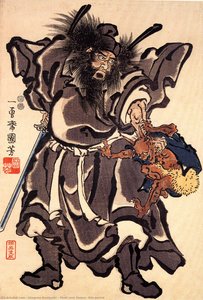
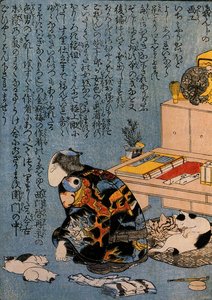
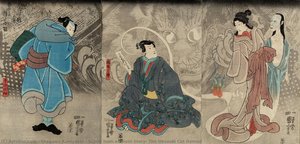
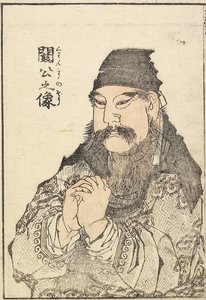
In stark contrast to the serene landscapes of Hokus and the graceful, muted tones of Torii Kiyonaga, the legendary Utagawa Kuniyoshi brought an unparalleled dynamism to the medium. His works often pulsated with muscular action, dramatic tension, and complex symbolism, frequently depicting warriors and folk tales with a cinematic intensity. The lineage of these masters was often passed through direct apprenticeship; for instance, Katsushika Taito II carried the artistic philosophy of Hokusai into his own explorations of flora and fauna. This era also saw the rise of figures like Utagawa Sadatora, whose work captured the subtle shifts in nature, and Fujiwara no Chikanobu, who bridged the gap between classical Kano School training and the modern urban landscape. Through these diverse hands, the woodblock became a vessel for both the quietude of a mountain mist and the chaotic energy of a street fight.
Technique and Tradition: The Collaborative Art of Carving and Printing
Ukiyo-e - Wikipedia--- title: Ukiyo-e - Wikipedia author: Authority control databases url: https://en.wikipedia.org/wiki/Ukiyo-e hostname: wikipedia.org sitename: Wikimedia Foundation, Inc. date: 2002-03-08 --- # Ukiyo-e **Ukiyo-e** [a] ( [Japanese](https://en.wikipedi...
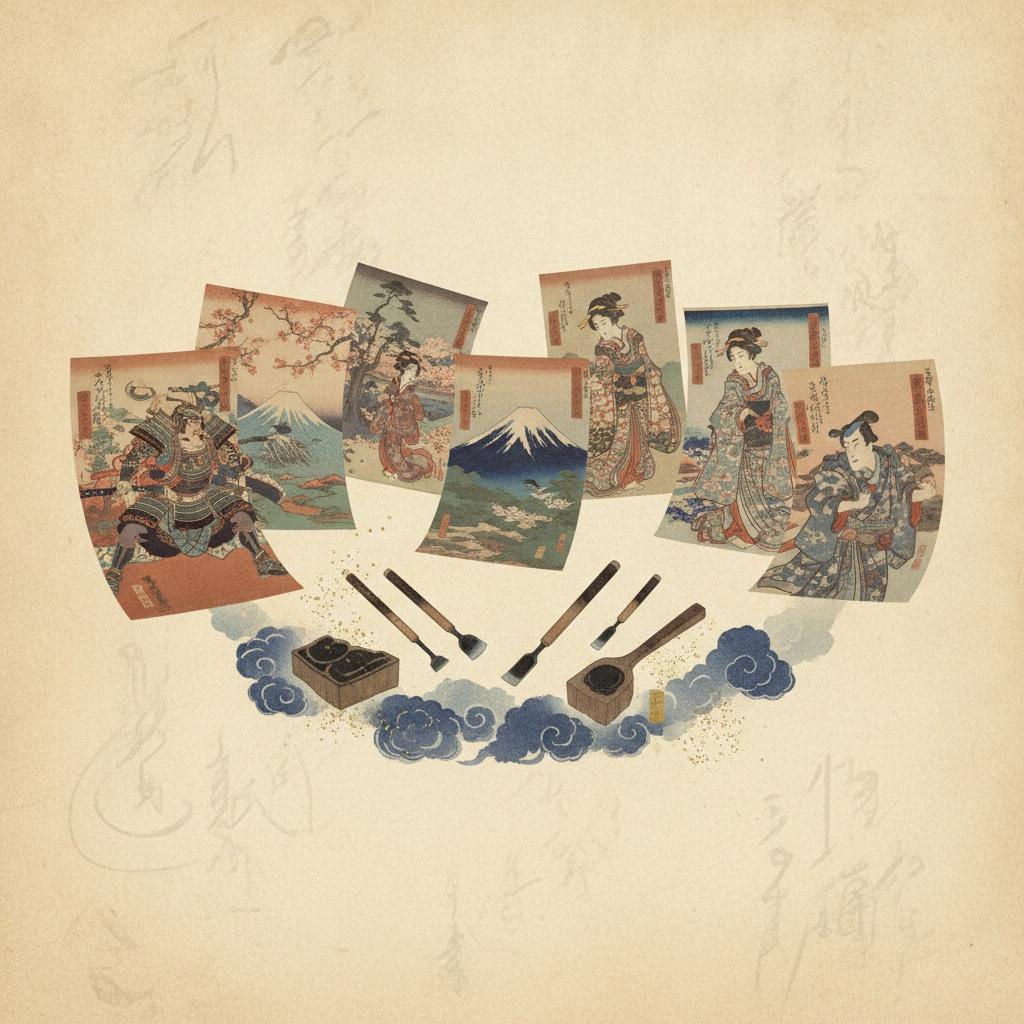
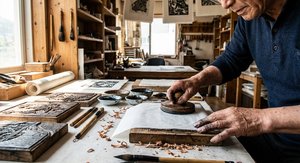
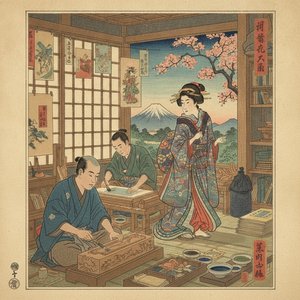
A common misconception is that the Ukiyo-e artist worked in isolation, much like a solitary painter at an easel. In reality, the creation of a masterpiece was a sophisticated, collaborative endeavor involving a specialized division of labor. This system, known as the production quartet, relied on the seamless synergy between the artist, the carver, the printer, and the publisher. The process began with the artist, who designed the initial composition, often referred to as the
mokusha. However, the physical realization of that vision fell to the skilled hands of the carvers, who had to translate delicate brushstrokes into relief on cherry woodblocks with surgical precision.
The printer then took these carved blocks and applied the pigments, using handmade paper to achieve effects that were impossible with mechanical printing. This stage allowed for breathtaking technical feats, such as the
bokashi technique—a method of hand-applying gradation to create soft color transitions, essential for rendering the subtle glow of a sunset or the depth of water. The publisher acted as the final, crucial link, financing the production and navigating the commercial landscape to ensure the prints reached the hands of the
chōnin class. This collaborative ecosystem ensured that even though the subject matter was "floating" and transient, the technical execution remained grounded in a rigorous, disciplined tradition of craftsmanship.
Urban Pulse and Seasonal Grace: Subject Matter of the Edo Period
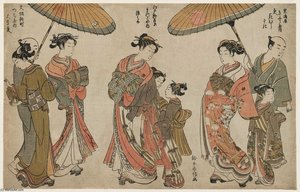 Courtesans Of The Three Cities
Discover Suzuki Harunobu’s "Courtesans Of The Three Cities" – a stunning Edo-period Ukiyo-e woodblock print. Admire intricate linework & muted colors depicting Japanese social life.
The subject matter of Ukiyo-e served as a vibrant mirror to the social and cultural life of Edo-period Japan. At its heart, the genre was deeply invested in the "now." One of the most prominent themes was the depiction of beautiful women, or
bijin-ga, which captured the elegance of courtesans and the fashion of the era with meticulous detail. Artists like Suzuki Harunobu revolutionized this through "brocade prints," using multiple blocks to create full-color compositions that celebrated the intricate patterns of silk kimonos and the refined grace of social life in the pleasure districts.
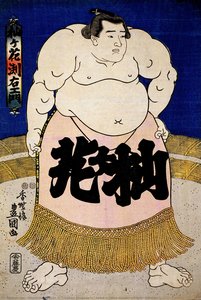
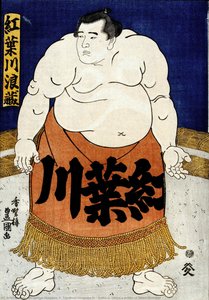
Beyond the human figure, the genre expanded into the realms of Kabuki theater and Sumo wrestling, immortalizing the celebrity culture of the time. Prints of famous actors allowed fans to possess a piece of the performance, capturing the dramatic tension of a stage moment. Furthermore, the genre embraced the natural world through travel scenes and seasonal motifs. The works of Ando Hiroshige, such as his depictions of travelers at inns, offered a sense of serene movement and nostalgia for the landscapes of Japan. Whether it was the depiction of legendary warriors, the delicate anatomy of a swimming carp by Taito II, or the bustling energy of urban street scenes, Ukiyo-e provided a comprehensive visual encyclopedia of an era defined by its love for the ephemeral.
The Enduring Legacy: Ukiyo-e’s Influence on Global Modernism
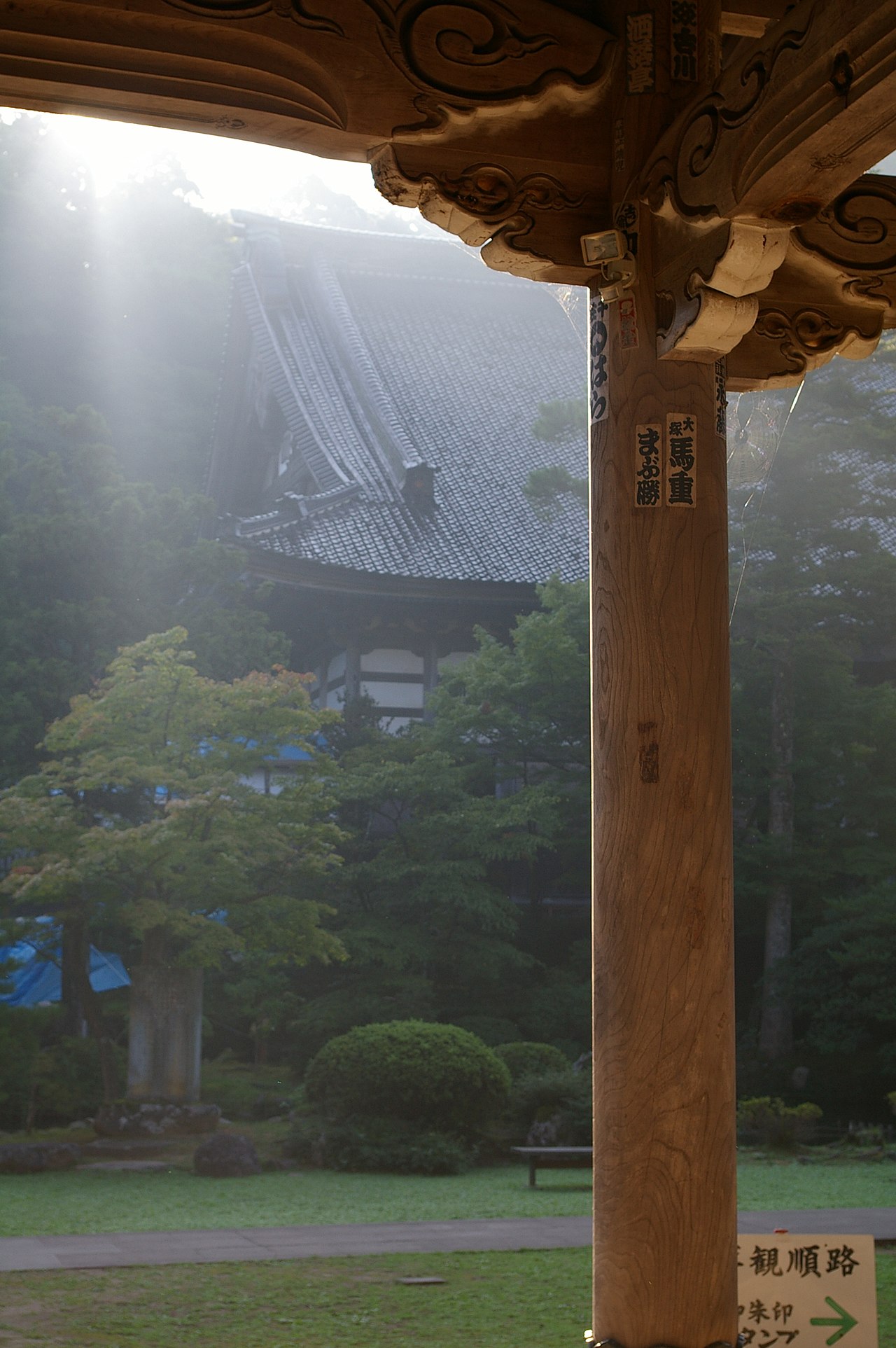 Japanese aesthetics
Japanese aesthetics comprise a set of ancient ideals that include wabi (transient and stark beauty), sabi (the beauty of natural patina and aging), and yūgen (profound grace and subtlety). These ideals, and others, underpin much of Japanese cultural ...
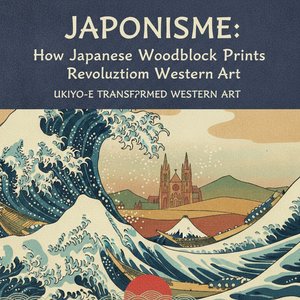
The impact of Ukiyo-e extends far beyond the borders of Japan and the confines of the 19th century. When these prints eventually reached the West, they ignited a phenomenon known as Japonisme, profoundly altering the trajectory of European modern art. The bold compositions, flattened perspectives, and unexpected use of negative space found in Japanese woodblocks challenged the traditional academic realism of the West. Impressionist and Post-Impressionist masters, including Degas, Monet, and Van Gogh, drew immense inspiration from the Uki_yo-e aesthetic, adopting its emphasis on light, movement, and the beauty of everyday life.
Today, the legacy of the floating world lives on in our modern visual language, influencing everything from graphic design to contemporary illustration. The ability of Ukiyo-e to find profound meaning in the transient remains a powerful lesson for the modern viewer. At ArtsDot.com, we strive to preserve this connection to art history by offering museum-quality reproductions that allow collectors to bring this sense of historical wonder into their own homes. Whether through a hand-painted oil reproduction on canvas that captures the tactile depth of a master's brushstroke, or a high-fidelity Giclée print, we invite you to experience the timeless magic of the floating world and keep the spirit of the Edo masters alive in the modern age.