The Soul of the Canvas: Understanding the Tactile Depth of Hand-Painted Oil Reproductions
 Oil painting
Oil painting is a painting method involving the procedure of painting with pigments combined with a drying oil as the binder. It has been the most common technique for artistic painting on canvas, wood panel, or copper for several centuries. The adva...
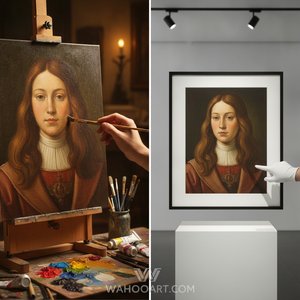
To encounter a true oil painting is to engage in a silent, profound dialogue with history. There is an undeniable magic found in the physical presence of a canvas that has been worked by human hands, where the artist’s very breath seems captured within the layers of pigment and binder. When we speak of hand-painted reproductions, we are not discussing mere copies, but rather a meticulous resurrection of the original's essence. These works are born from a labor of passion, typically requiring several weeks of careful application on 100% cotton canvas. The artist utilizes the traditional method of combining pigments with drying oils—such as linseed or safflower—to create a medium that possesses unparalleled flexibility and a rich, dense color profile.
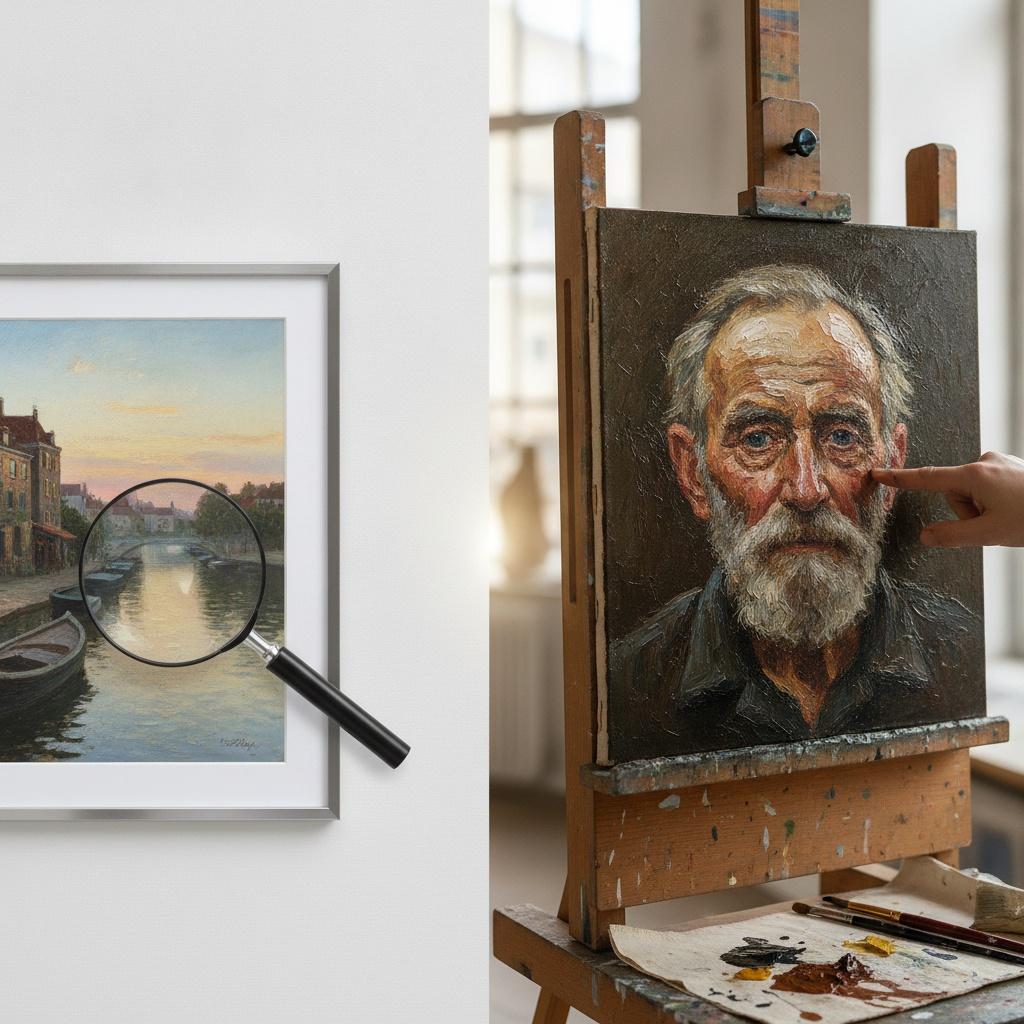
The true distinction lies in the topography of the paint itself. In a hand-painted reproduction, one can observe the
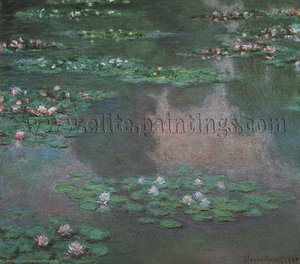
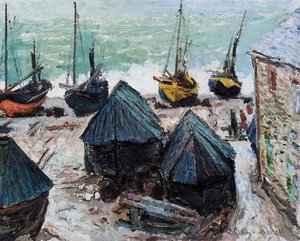
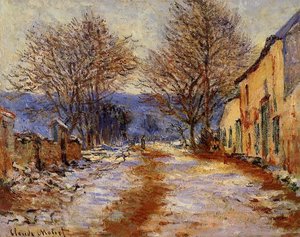
impasto technique, where thicker applications of paint create raised ridges and valleys that catch the light dynamically as you move around the room. This tactile depth allows for a wider range from the deepest shadows to the most luminous highlights, far exceeding what any flat surface can achieve. For the discerning collector, these subtle variations are not imperfections but are instead the hallmarks of authenticity and craftsmanship. Each stroke is a testament to the artist's academic training, ensuring that the movement, texture, and emotional weight of masters like Rembrandt or Monet are preserved through the physical manipulation of the medium.
The Science of Precision: Decoding Giclée Printing and Archival Excellence
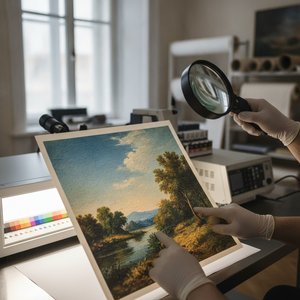 The Science of Giclée: A Masterclass in Museum-Quality Art Reproduction and Archival Excellence
Defining Giclée: Beyond Digital Printing to High-Fidelity Artistry Giclée Prints Explained: The Ultimate Guide to Museum-Quality Art Reproductions Defining Giclée: The Science and Artistry Behind High-Fidelity Reproductions The term Giclée —pronounce...
In our modern era, the pursuit of aesthetic perfection has found a powerful ally in technological innovation: the Giclée print. Derived from the French word
gicler, meaning to spray or squirt, this term describes a sophisticated method of high-fidelity reproduction that utilizes advanced inkjet technology. Unlike standard commercial printing, a true museum-quality Giclée is a masterclass in precision. It involves the deployment of millions of microscopic droplets of archival, pigment-based ink onto specialized substrates. This process allows for an unprecedented level of control over color accuracy and subtle gradations, making it possible to capture the most delicate transitions of light and shadow found in the world's greatest masterpieces.
The allure of the Giclée lies in its ability to act as a high-fidelity bridge between the inaccessible original and the private sanctuary of the home. For the connoisseur, the importance of
archival quality cannot be overstated. By utilizing pigment-based inks rather than traditional dyes, these prints offer superior resistance to fading and environmental degradation, often carrying a longevity rating of 75 to 100 years. While the surface remains smooth and lacks the physical relief of oil, the scientific accuracy of the color reproduction ensures that the vibrancy of an Impressionist garden or the somber tones of a Renaissance portrait are rendered with breathtaking fidelity. It is a triumph of science serving art, providing a window into history through the lens of digital perfection.
Aesthetic Nuances: Comparing Brushstroke Texture, Light, and Tonal Range
 Giclée Prints: Archival Quality & Aesthetic Nuances for the Discerning Collector
Introduction: The Rise of Giclée Printing in Fine Art Wikipedia: Giclée Giclée ( zhee-KLAY) describes digital prints intended as fine art and produced by inkjet printers. The term is a neologism, ultimately derived from the French word gicleur, coine...
When deciding between these two mediums, one must look beyond the initial image and consider how the work interacts with the environment. The choice is often a matter of sensory preference. A hand-painted oil reproduction offers a
multidimensional experience; it is an object of texture. The visible brushstrokes and the way light dances across the dried oil create a sense of movement and life. This medium is particularly suited for those who desire a centerpiece that commands attention through its physical presence and the "aura" of hand-made artistry. It provides a deeper tonal range, where the layering of glazes can create a translucent, glowing effect that feels as though it emanates from within the canvas itself.
Conversely, the Giclée print offers an aesthetic of
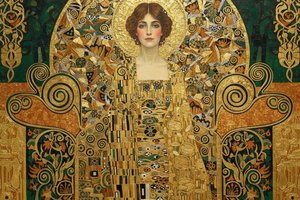
unmatched clarity. Because the ink is deposited with surgical accuracy, the fine details—the tiny cracks in a glaze or the sharp edge of a silhouette—are rendered with a crispness that can sometimes surpass even the original. The Giclée excels in reproducing the flat, graphic precision of certain works, providing a consistent and predictable visual experience. While it lacks the sculptural quality of oil, its ability to replicate the exact color palette of the master is unparalleled. The collector must ask whether they seek the rhythmic, textured energy of the brush or the serene, polished perfection of the high-resolution print.
Investment and Longevity: Evaluating Materials, Pigments, and Preservation Needs
Glaze (painting technique)A glaze is a thin transparent or semi-transparent layer on a painting which modifies the appearance of the underlying paint layer. Glazes can change the chroma, value, hue and texture of a surface. Glazes consist of a great amount of binding medium i...
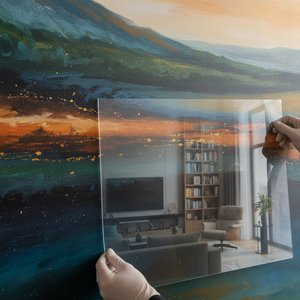
For the serious art enthusiast, an acquisition is both a cultural and a material investment. Understanding the chemistry of your collection is essential for long-term preservation. In hand-painted oils, longevity is managed through the use of high-quality materials, such as flexible gesso to prevent cracking and specific oils like safflower to ensure that whites do not yellow over time. A final coat of
Damar varnish serves as a protective shield against dust, moisture, and atmospheric pollutants, ensuring the painting remains vibrant for generations. These works are living entities that require stable environments, away from direct sunlight and extreme humidity.
Giclée prints, while different in composition, demand their own specialized care. The primary concern here is the protection of the pigment layer and the substrate. To prevent moisture damage and ensure pigments remain vivid, it is recommended to use acid-free matting to create an air gap between the print and the glass of a frame. Because these prints are often shipped in protective rolls, the structural integrity of the paper or canvas must be maintained through proper storage. Whether one chooses the organic complexity of oil or the archival stability of pigment ink, the goal remains the same: to curate a collection that stands the test of time, preserving the beauty of the past for the future.
Choosing Your Medium: Tailoring Art Acquisitions to Your Collection and Space
 The Connoisseur's Guide to High-End Giclée and Fine Art Reproductions: Achieving Museum-Quality Excellence
The Essence of Giclée: Defining High-Fidelity Artistry for the Discerning Collector Giclée Prints Explained: The Ultimate Guide to Museum-Quality Art Reproductions Defining Giclée: The Science and Artistry Behind High-Fidelity Reproductions The term ...
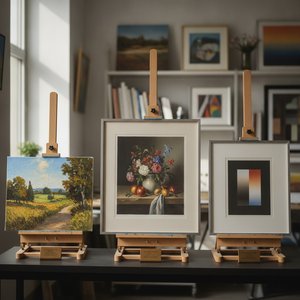
Ultimately, the decision between a hand-painted reproduction and a Giclée print should be guided by the specific needs of your space and your personal aesthetic vision. If you are looking to transform a large, empty wall or a grand staircase with a sense of architectural drama, a multi-panel oil painting can create a breathtaking, textured focal point that feels like an heirloom. For those seeking to curate a gallery-like atmosphere with a variety of different historical eras and styles, the versatility and accessibility of high-quality Giclée prints allow for a more expansive and diverse collection.
Consider also the functional aspect of your acquisition. Are you looking for a bespoke piece that can be "remixed"—perhaps a portrait reimagined in the impasto style of Van Gogh—or do you require a precise, faithful reproduction of a specific museum masterpiece? At
ArtsDot.com, we cater to both paths. Whether you desire the soul-stirring depth of a hand-painted oil or the exquisite precision of an archival print, our mission is to provide the highest standard of museum-grade art. We invite you to explore our curated selection of the world's most iconic works and, if you wish, consult with our experts to find the perfect medium to complete your private gallery.