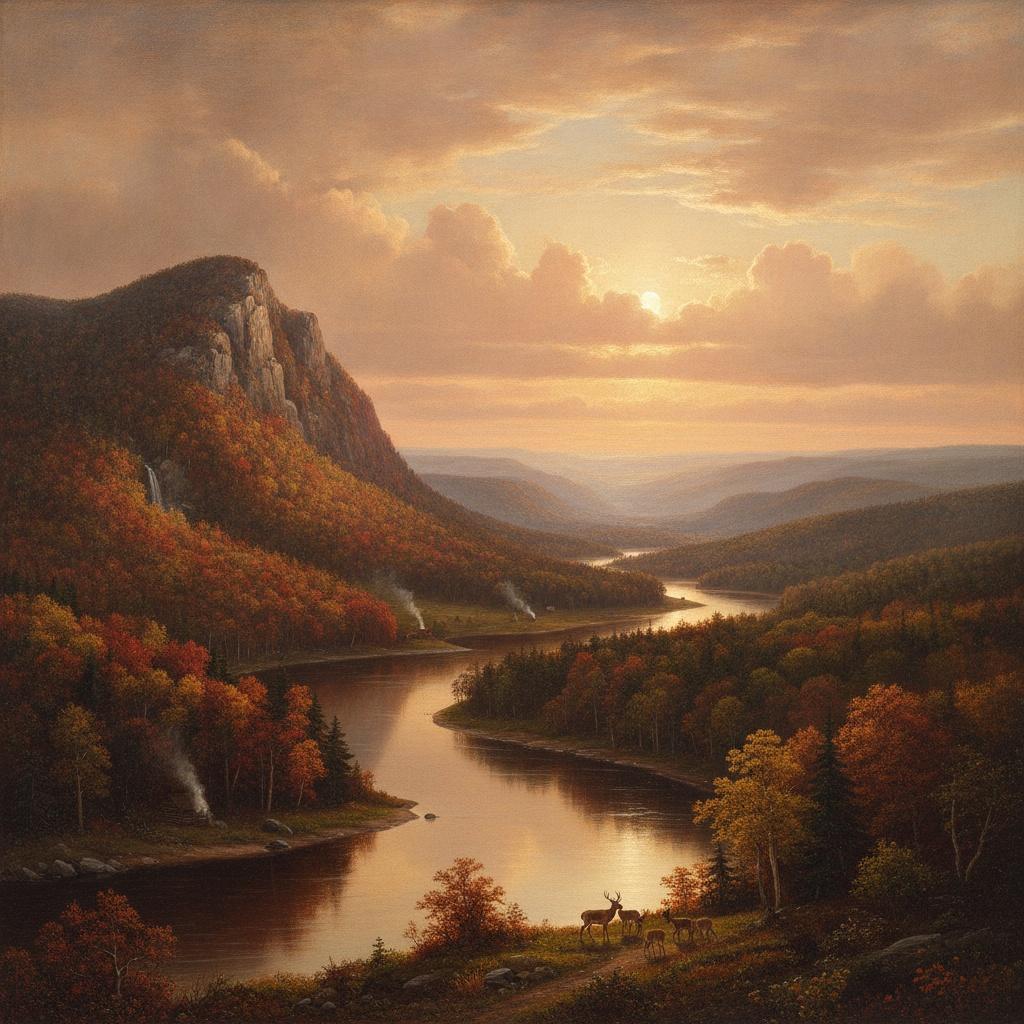
The Genesis of an American Vision: Romanticism and the New World
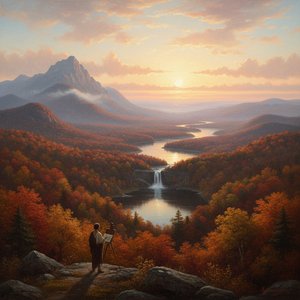 The Sublime Landscape: Exploring the Hudson River School Movement
The Genesis of a Vision: Romanticism and the American Landscape Wikipedia: Romanticism Romanticism (also known as the Romantic movement or Romantic era) was an artistic and intellectual movement that originated in Europe towards the end of the 18th c...
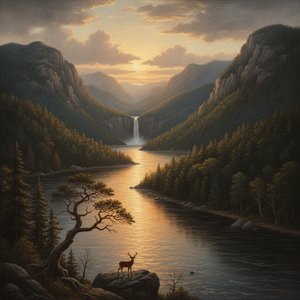
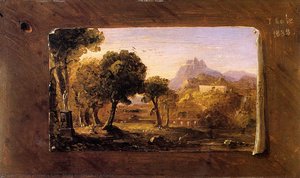
To understand the soul of a nation, one must look toward the horizons that first shaped its consciousness. In the mid-19th century, as the American identity began to coalesce from a collection of colonies into a burgeoning continental power, a profound dialogue emerged between the land and its people. This was not merely a period of territorial expansion; it was an era of spiritual discovery, where the untamed wilderness served as a canvas for the collective imagination. Before the sweeping vistas of the Hudson River School graced canvases, a profound intellectual shift was underway: the arrival of Romanticism. Originating in Europe toward the close of the 18th century, Romanticism represented a rebellion against the rigid rationalism of the Enlightenment, advocating instead for the importance of subjectivity, emotion, and the awe-inspiring power of nature.
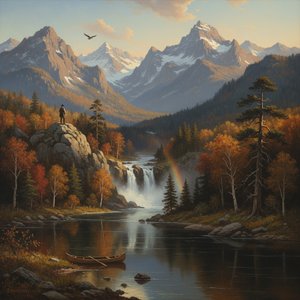
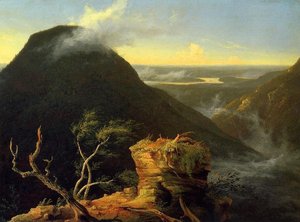
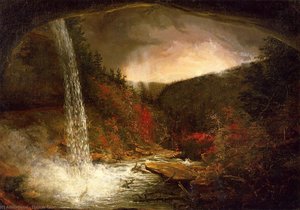
As the United States pushed westward, artists felt compelled to document—and celebrate—the breathtaking beauty of a landscape that seemed both infinite and divine. These paintings were far more than simple topographical records; they were declarations of national identity and spiritual experiences rendered in oil and canvas. The movement sought to capture the sublime, a concept where beauty is inextricably linked with a sense of overwhelming greatness or even terror. In the vast, unmapped territories of the New World, artists found a manifestation of the divine, viewing the rugged cliffs and pristine rivers as an unspoiled Eden that stood in stark contrast to the rapid industrialization transforming the rest of the world.
Founding Fathers of the Canvas: The Legacy of Thomas Cole
 Robert Spencer: Luminism, Narrative & the American Landscape Tradition
The Genesis of a Vision: Thomas Cole and the Hudson River School Wikipedia: Hudson River School The Hudson River School was a mid-19th-century American art movement embodied by a group of landscape painters whose aesthetic vision was influenced by Ro...
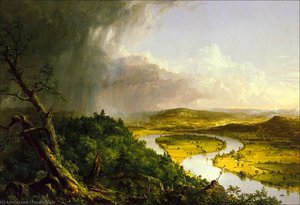
At the very heart of this movement lay the vision of Thomas Cole, a figure often hailed as the founder of the Hudson River School. Cole’s arrival in America from England in 1825 proved pivotal; he was not merely documenting scenery but responding to it with a deeply personal and spiritual intensity. His early travels along the Hudson River, punctuated by sketches capturing dramatic cliffs and verdant valleys, laid the foundation for a new kind of landscape painting—one imbued with Romantic ideals and a nascent sense of national identity. Cole’s work was rarely about precise topographical accuracy; rather, it was about evoking an emotional response, exploring themes of discovery, exploration, and the relationship between humanity and the natural world.
Cole’s canvases often served as allegorical narratives, reflecting on the rise and fall of civilizations and the ephemeral nature of existence. Through his eyes, the Hudson River Valley became a microcosm for broader meditations on American destiny. He sought to capture not just what he saw, and the physical reality of the landscape, but how he felt in the presence of nature’s grandeur. This pursuit of the emotional truth within the landscape set a standard for all who followed, establishing a tradition where the artist acts as a witness to the majesty of the wild, ensuring that the spiritual weight of the American wilderness would be preserved for generations of viewers.
Luminism and the Sublime: Mastering Light and Atmosphere
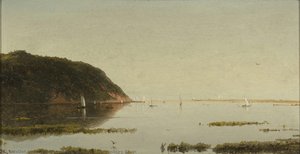 Shrewsbury River
A Luminous Window into the Hudson River School In the quietude of John Frederick Kensett’s Shrewsbury River , one finds more than just a depiction of a New Jersey coastline; one encounters a profound meditation on light and tranquility. Painted in 18...
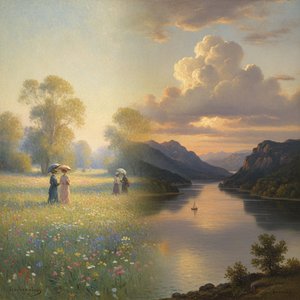
As the movement matured, a specialized branch known as Luminism emerged, characterized by a profound preoccupation with the effects of light on the atmosphere. While the first generation often focused on the dramatic and the rugged, second-generation artists like John Frederick Kensett moved toward a more meditative and tranquil aesthetic. In works such as Shrewsbury River, one finds more than just a depiction of a coastline; one encounters a profound meditation on stillness. These artists utilized the technique of layering thin, translucent washes of oil paint to achieve a glowing, pearlescent quality that seems to emanate from within the canvas itself.
This approach prioritized atmospheric effects and subtle tonal variations over dramatic detail. In Kensett’s Hudson River Scene, the boundaries between water, sky, and land are harmoniously blurred through soft edges and blended tones. This mastery of light creates a sense of depth through atmospheric perspective, where distant elements recede into a pale, dreamlike mist. Whether it is the serene vision of a river in summer or the ethereal seascape at a river's mouth, the goal was to create a luminous window into the landscape, inviting the viewer to step into a world of absolute tranquility and light-drenched beauty.
Expansion and Evolution: From the Hudson Valley to the Western Frontier
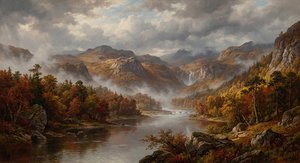 Hudson River School: 10 Masterpieces That Capture America's Wild Beauty | ArtsDot
Introduction Imagine standing before a vast canvas, sunlight dappling through ancient trees, mist rising from a pristine river… This is the world of the Hudson River School, an artistic movement that didn’t just depict America’s landscape, but sought...
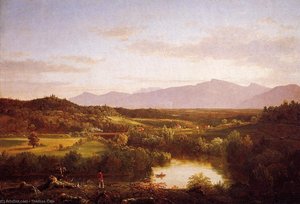
While the movement’s name suggests a localized focus, the aesthetic vision of the Hudson River School was far from geographically limited. As the nation expanded, so too did the scope of its painters. While early works focused on the Hudson River Valley, the Catskill, Adirondack, and White Mountains, later generations expanded their gaze to include New England, the Maritimes, and eventually the vast territories of the Western United States and even South America. Artists like Albert Bierstadt and Frederic Church took the principles of the school to new heights, capturing the monumental scale of the Rocky Mountains and the exotic splendors of distant lands.
This expansion allowed the movement to continue its role as a chronicler of American identity. The paintings reflected three central themes of 19th-century America: discovery, exploration, and settlement. They often juxtaposed peaceful agriculture and settled landscapes with the remaining wilderness that was fast disappearing from the Hudson Valley. This tension between the pastoral and the wild became a hallmark of the era, documenting a period where the American landscape was being simultaneously embraced as a source of national pride and transformed by human progress.
The Enduring Spirit: Preserving the Majesty of the American Wilderness
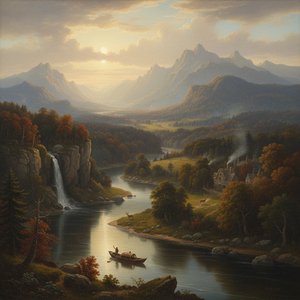 Capturing the American Spirit: A Journey Through Iconic Landscapes and the Legacy of the Hudson River School
The Sublime Wilderness: Defining the American Identity Through Landscape To understand the soul of a nation, one must look toward the horizons that first shaped its consciousness. In the nineteenth century, as the American identity began to coalesce ...
Today, the masterpieces of the Hudson River School continue to resonate with a profound contemporary relevance. In our increasingly urbanized and digital lives, these canvases offer a powerful reminder of the natural world’s enduring beauty and its inherent fragility. They invite us to contemplate our place within the grand design and reflect on the vital importance of preserving these landscapes for those who will follow us. The movement's legacy is not merely found in museums, but in the very way we perceive the wild—as a source of wonder, contemplation, and spiritual renewal.
For the modern collector or history enthusiast, owning a piece of this tradition allows one to bring that sense of sublime grandeur into the home. At ArtsDot.com, we specialize in preserving this human creativity through our museum-quality, hand-painted oil reproductions. Our master artists, holding degrees from prestigious academies, meticulously recreate the visible brushstrokes and deep tonal ranges characteristic of these historical masters. Whether you seek a large-scale landscape to anchor a room or a customized "remix" of a classic work, our commitment to academic excellence ensures that the majesty of the American wilderness remains a living, breathing part of your personal collection.