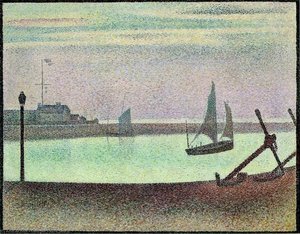
The Impressionist Foundation: When Light Was No Longer Enough
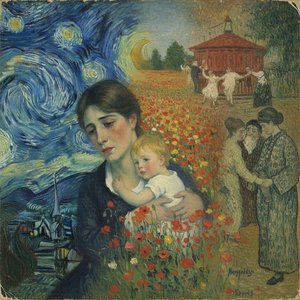 Capturing the Soul: The Most Emotionally Moving Impressionist and Post-Impressionist Masterpieces
The Luminous Revolution: How Impressionism Redefined the Art of Seeing Impressionistic Landscapes: 10 Masterpieces That Changed Art & Decor Introduction To gaze upon these ten canvases is to step directly into a world transformed by light, color, and...
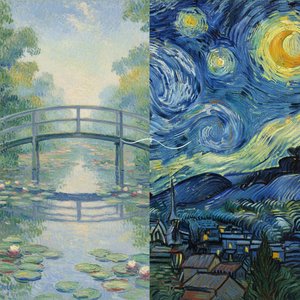
However, as beautiful and luminous as these works were, the movement eventually encountered a creative ceiling. While the Impressionists succeeded in recording the momentary sensation of a single sunbeam, their canvases often lacked a sense of structural permanence and emotional weight. There was a perceived incompleteness to the movement—a feeling that by chasing only the fleeting moment, the deeper, more lasting essence of reality was being left behind. This tension between the transient nature of light and the human desire for enduring form became the catalyst for a much more intense and visceral era of artistic expression.
Beyond the Visible: The Quest for Emotional Depth and Subjectative Truth
 Beyond Impressionism: The Emotional Depth and Vibrant Evolution of Post-Impressionist Landscapes
The Impressionist Foundation: Capturing Light Before the Revolution Landscape painting Landscape painting, also known as landscape art, is the depiction in painting of natural scenery such as mountains, valleys, rivers, trees, and forests, especially...
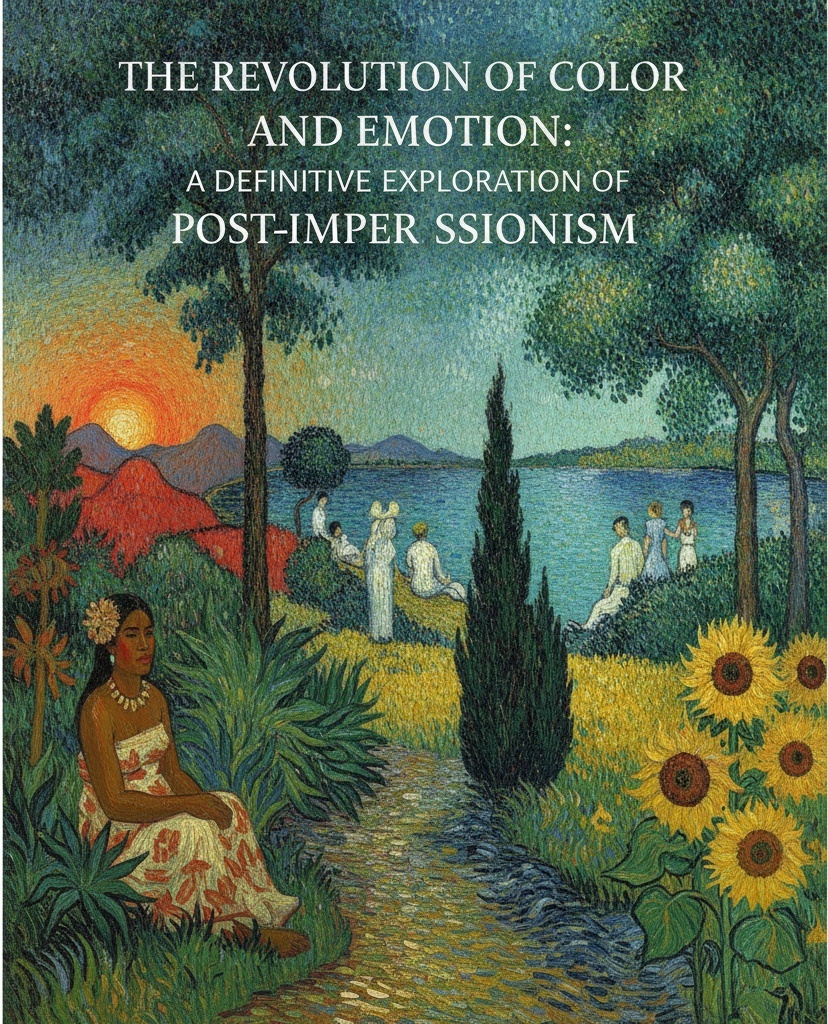
This era was not defined by a single unified style, but rather by a shared dedication to pursuing unique means of expression. Artists began to use color and form not just to describe nature, but to convey psychological states and symbolic meanings. It was a movement that looked past the surface of the visible spectrum to find the soul beneath, transforming the canvas into a medium for profound emotional resonance and structural exploration.
Architects of Color: Exploring Seurat, Van Gogh, and Cézanne
--- title: Post-Impressionism - The Metropolitan Museum of Art author: James Voorhies url: https://www.metmuseum.org/essays/post-impressionism hostname: metmuseum.org description: Through their radically independent styles and dedication to pursuing ...
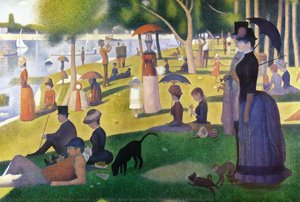
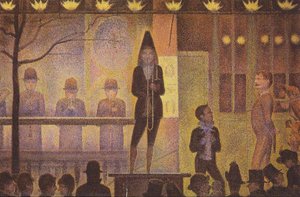
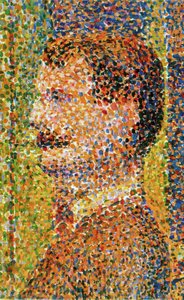
- Georges Seurat: A pioneer of Neo-Impressionism, Seurat introduced a science-based interpretation of color. Through his technique of Pointillism, he applied tiny dabs of primary colors close to one another, allowing the viewer's eye to perform optical mixing. His masterpiece, A Sunday Afternoon on the Island of La Grande Jatte, exemplifies this meticulous, almost mathematical approach to light and form.
- Vincent van Gogh: Representing the more visceral side of the movement, Van Gogh used bold, swirling brushstrokes and an intense, often non-naturalistic palette to communicate his internal emotional landscape. His work is a testament to the power of color as a direct conduit for human feeling.
- Paul Cézanne: Often regarded as the bridge between Impressionism and Cubism, Cézanne focused on the geometric structure of nature. His still lifes, such as his depictions of peaches and pears, demonstrate a masterful command of composition and a focus on the enduring, structural elements of the subject.
Technique as Expression: From Pointillism to Bold Impasto
 Neo-Impressionism
Neo-Impressionism is a term coined by French art critic Félix Fénéon in 1886 to describe an art movement founded by Georges Seurat. Seurat's most renowned masterpiece, A Sunday Afternoon on the Island of La Grande Jatte, marked the beginning of this ...
This tactile depth is precisely what we strive to preserve at ArtsDot.com. Unlike mass-produced prints that offer only a flat, digital appearance, our Handmade Oil Reproductions utilize the true, expressive application of paint. Our artists, trained in prestigious academies, ensure that every stroke on the 100% cotton canvas captures the authentic energy and texture of the original masters, providing a deeper tonal range and a physical presence that a mere print cannot replicate.
The Enduring Legacy: How Post-Impressionism Shaped Modern Art
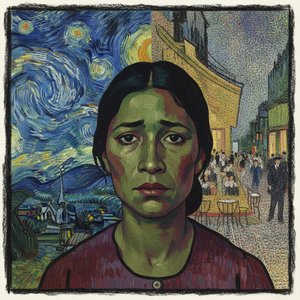 Beyond the Brush: How Post-Impressionism Recharged Modern Art with Bold Color and Raw Emotion
The Impressionist Breakup: Why Light Wasn't Enough Anymore Beyond Light & Color: Impressionism vs. Post-Impressionism for the Discerning Collector The Dawn of Impressionism: Capturing Fleeting Moments Impressionism, a revolutionary art movement born ...
By breaking free from the constraints of naturalism, the Post-Impressionists gave future generations the permission to use art as a tool for personal and symbolic exploration. The movement's emphasis on the artist's subjective experience remains the cornerstone of contemporary fine art, ensuring that the revolution of color and emotion continues to resonate in galleries and homes around the world today.
Curating the Revolution: Bringing Post-Impressionist Masterpieces into the Home
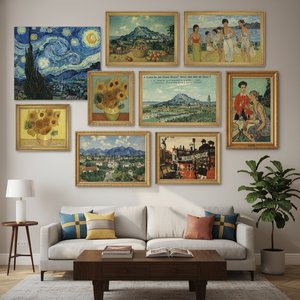 Post-Impressionism's 10 Defining Masterpieces: Art for Your Home |
Introduction Imagine stepping back in time to a world brimming with artistic revolution—a moment where painters dared to break free from the constraints of realism and embrace subjective vision. This is the essence of Post-Impressionism, a movement t...
At ArtsDot.com, we offer more than just reproductions; we offer the ability to remix art history. Through our professional services, you can request a personal photograph to be painted in the light-drenched style of Monet or even undergo a Period Shift, transforming a modern portrait into a masterpiece of the late 19th century. From large-format multi-panel arrangements for grand walls to bespoke custom commissions, our goal is to bring the museum experience into your private sanctuary. For those seeking further historical context and inspiration, ArtsDot.com remains an invaluable resource for the discerning art enthusiast.