Early Life & Artistic Foundations: A Catalan Childhood
María de los Remedios Alicia Rodriga Varo y Uranga (known as Remei or Remedios Varo, 16 December 1908 – 8 October 1963) was a Catalan surrealist painter, that lived in several European cities before being exiled in Mexico. == Early life and educa...
María de los Remedios Alicia Rodriga Varo y Uranga, known simply as Remedios Varo, emerged from a world steeped in both intellectual rigor and artistic sensibility. Born in 1908 in the small Catalan town of Anglès, Spain, her early life was far removed from the fantastical realms she would later conjure on canvas. Her father, Rodrigo Varo y Zajalvo, a hydraulic engineer, instilled in her a fascination with mechanics, drafting, and precise observation – skills that would become unexpectedly central to her artistic practice. This wasn’t a typical upbringing for an aspiring artist; while her mother encouraged religious devotion, it was her father who nurtured a love of meticulous detail and the underlying structures of the world around her. She absorbed knowledge like few others, devouring literature from Alexandre Dumas to Jules Verne, alongside esoteric texts exploring mysticism and Eastern philosophies. This early exposure created a unique tension within her—a blend of scientific curiosity and a yearning for something beyond the tangible.
Her formal artistic training began at the Real Academia de Bellas Artes de San Fernando in Madrid in 1926. Though she excelled technically, mastering traditional oil painting methods under Manuel Benedito, Varo found herself increasingly drawn to the burgeoning Surrealist movement taking hold of the Spanish art scene. The works of Hieronymus Bosch, Francisco Goya, and El Greco at the Museo del Prado resonated deeply, offering a lineage of artists who dared to explore the darker recesses of the human psyche and the boundaries of reality.
Exile and Transformation: Paris, Mexico, and the Birth of a Unique Style
The political turmoil of Spain in the 1930s irrevocably altered Varo’s trajectory. Following her marriage to fellow artist Gerardo Lizárraga, she moved to Paris in 1932, seeking refuge from the escalating violence. Paris proved to be a crucible—a vibrant hub of artistic experimentation where she encountered key figures of the Surrealist movement. However, integration wasn't seamless. While welcomed into the circle, Varo often found herself relegated to the role of muse rather than being fully recognized as an artist in her own right. Her participation in *cadavre exquis* exercises offered a subtle outlet for her creativity, but it was far from complete artistic freedom.
The outbreak of World War II forced another relocation, this time across the Atlantic to Mexico City in 1941. This exile proved pivotal. Mexico provided not only physical safety but also an environment where Varo could truly flourish. Surrounded by a community of artists—including Leonora Carrington and Kati Horna—she developed her distinctive style, blending Surrealist automatism with imagery drawn from Mexican folklore, alchemy, pre-Columbian art, and her own deeply personal mythology. It was in Mexico that she shed the constraints of Parisian expectations and began to create the intricate, enigmatic worlds for which she is now celebrated.
The Alchemy of Imagery: Science, Mysticism, and Surrealist Techniques
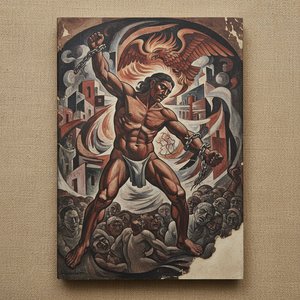
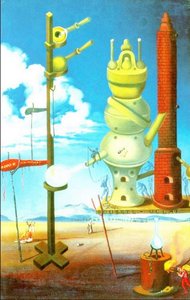 The Alchemist
“The Alchemist” by Salvador Dalí – A surrealist masterpiece blending reality and fantasy with intricate symbolism exploring time, transformation, and the pursuit of knowledge. Explore Dali’s visionary style!
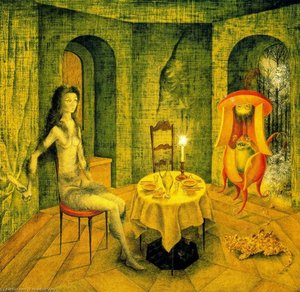
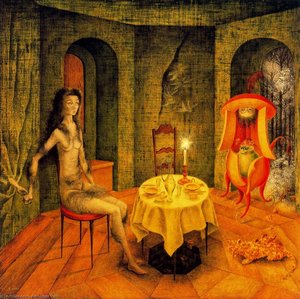
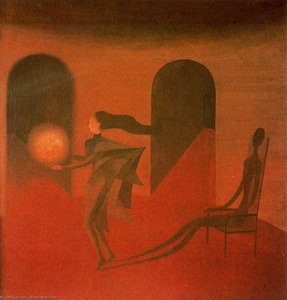
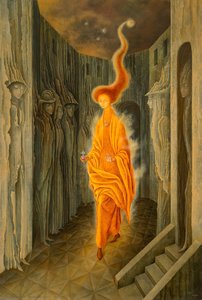
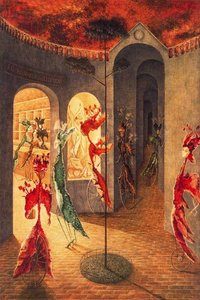
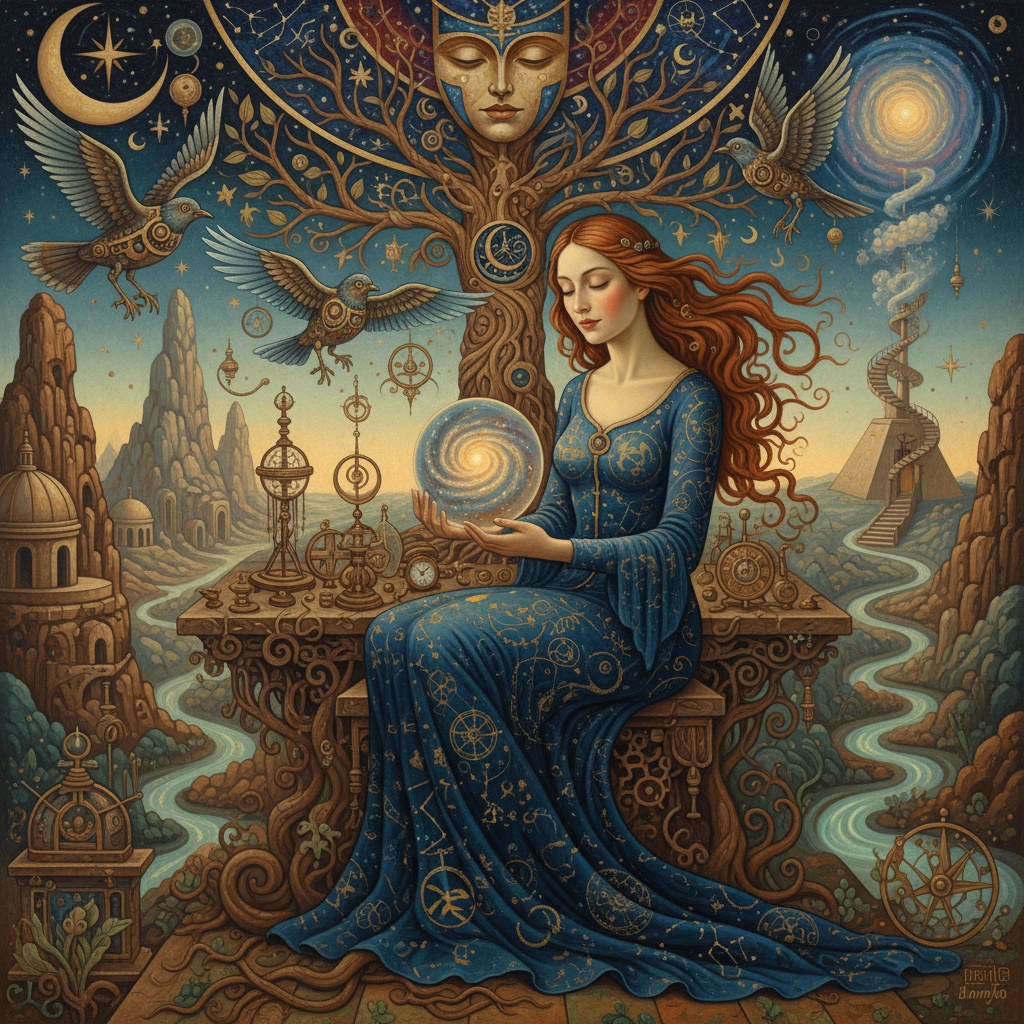
Remedios Varo’s paintings are not easily categorized. They resist simple interpretation, existing in a liminal space between dream and reality, science and magic. Her canvases teem with meticulously rendered details—gears turning sacred wheels, figures decoding cosmic secrets, alchemical apparatuses bubbling with unknown substances. This isn't mere decoration; it’s a visual language born from her unique synthesis of disciplines. She approached painting as a form of research, setting up hypotheses and exploring them through intricate compositions.
Unlike many Surrealists who focused on Freudian psychoanalysis, Varo delved into the realms of astrology, tarot, and esoteric traditions. Her work often features female figures engaged in complex processes—creating birds from synthesized materials, manipulating time itself, or navigating labyrinthine structures. The owl, a recurring motif, symbolizes wisdom and intuition, while her depictions of mechanical devices suggest a desire to understand the hidden workings of the universe. She wasn’t simply *depicting* science; she was reimagining it through a distinctly feminine lens, imbuing it with a sense of wonder and spiritual significance.
Women in Varo’s World: Exploring Identity and Feminist Themes
Magical realism, magic realism, or marvelous realism is a style or genre of fiction and art that presents a realistic view of the world while incorporating magical elements, often blurring the lines between speculation and reality. Magical realism is...
Varo's paintings are populated by strong female characters—alchemists, inventors, explorers—who defy traditional gender roles. These figures aren’t passive objects of desire; they are active agents shaping their own destinies. In *Creation of the Birds* (1957), for example, a woman artist meticulously crafts avian life, suggesting a power over creation itself. This wasn't merely an aesthetic choice; it was a subtle but powerful act of feminist resistance.
Her work often critiques patriarchal structures and explores themes of female autonomy and self-discovery. The intricate details of her paintings can be seen as metaphors for the complexities of women’s lives—the layers of expectation, the hidden knowledge, the constant negotiation between inner desires and societal constraints. While she didn't explicitly identify as a feminist artist, her work undeniably challenges conventional notions of femininity and celebrates female intellect and agency.
Legacy & Influence: Remedios Varo's Enduring Impact on Art History
For decades, Remedios Varo remained largely overlooked by mainstream art history. Often overshadowed by her male contemporaries, she was considered a “best-kept secret” within Surrealist circles. However, in recent years, there has been a growing recognition of her unique contribution to the movement and beyond.
Exhibitions like “Science Fictions” at the Art Institute of Chicago are bringing her work to a wider audience, revealing the depth and complexity of her vision. Her influence can be seen in contemporary artists who explore themes of science fiction, mysticism, and feminist identity. Varo’s legacy lies not only in her stunning paintings but also in her refusal to conform—her unwavering commitment to exploring her own unique path, blending intellectual curiosity with artistic passion. Her work continues to resonate today, challenging us to question our perceptions of reality and embrace the power of imagination.
Discover the captivating world of Remedios Varo at ArtsDot.com, where you can explore high-quality reproductions of her iconic paintings and bring a touch of Surrealist magic into your home. We offer a range of options, from handmade oil paintings to museum-quality prints, allowing you to experience the beauty and mystery of Varo’s art firsthand.