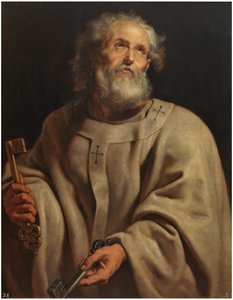

The Genesis of Power: Portraiture in Antiquity & the Roman Republic
Iconographic studies of many individual examples of these portraits have given us a clearer idea of the particular choices being made in selecting body models ...
The impulse to capture likeness, to immortalize a figure beyond the fleeting nature of life, is as old as civilization itself. Yet, early portraiture wasn’t merely about representation; it was fundamentally entwined with power. In ancient Egypt, idealized depictions of pharaohs served not just as records but as affirmations of divine rule, meticulously crafted images designed to project an aura of eternal authority. This tradition evolved in the Roman Republic, where portrait sculpture took on a uniquely pragmatic character. Unlike earlier stylized forms, Roman portraits aimed for verisimilitude – a startling realism that emphasized individual features, even imperfections. This wasn’t vanity; it was a deliberate strategy. Portraits weren't intended as flattering likenesses but as statements of lineage and civic virtue. The weathered faces, the strong jawlines, the very wrinkles etched into marble spoke to a lifetime of service and experience – qualities essential for navigating the complex world of Roman politics. Iconographic studies reveal how specific hairstyles, clothing, and even posture conveyed social status and political allegiance. A portrait wasn’t simply *of* someone; it was a carefully constructed narrative about their role within the Republic, a visual testament to their gravitas and worthiness of leadership. The busts lining Roman villas weren't merely decorative; they were ancestral galleries, reminding visitors – and potential rivals – of a family’s enduring power and influence. The choices made in selecting body models, as detailed in scholarly work on the period, demonstrate a conscious effort to associate individuals with idealized notions of Roman strength and character.
Renaissance Courts & Dynastic Imagery: Constructing Authority Through Art
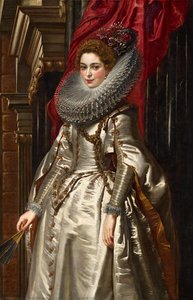
Fast forward to the Renaissance, and we witness a dramatic shift in the representation of power. While the classical world provided inspiration – a renewed interest in realism and proportion – the context was profoundly different. The rise of powerful city-states like Florence and Venice saw art become inextricably linked with dynastic ambition. Portraits were no longer solely about lineage; they were instruments of self-fashioning, meticulously crafted to project an image of wealth, refinement, and intellectual prowess. Consider the portraits commissioned by the Medici family – not just depictions of individuals but elaborate displays of their patronage and cultural dominance. Artists like Diego Velázquez, though working slightly later in the Baroque period, continued this tradition with his masterful portrayals of the Spanish court. His “The Adoration of the Magi” isn’t simply a biblical scene; it's a subtle assertion of Habsburg power, featuring portraits of Philip IV and other members of the royal family subtly integrated into the narrative. The luminosity of the chiaroscuro, the meticulous detail in the fabrics and jewels – all served to elevate the status of those depicted. Similarly, Peter Paul Rubens’ “Infanta Isabella, the ruler of the Netherlands” presents a carefully constructed image of regal authority, emphasizing her intelligence, strength, and diplomatic skill. These weren't accidental choices; they were deliberate strategies designed to reinforce her position as a powerful sovereign. The great cities – Florence, Bruges, London, Toledo – became stages for these displays of power, each portrait contributing to the construction of a carefully curated dynastic image.
Iconography as a Language of Rule: Symbols, Allegories, and Visual Codes
Iconography, as a branch of art history, studies the identification, description and interpretation of the content of images: the subjects depicted, the particular compositions and details used to do so, and other elements that are distinct from arti...
Underlying both Roman verisimilitude and Renaissance self-fashioning lies a sophisticated system of iconography – a visual language used to convey meaning beyond the literal depiction of subjects. From ancient Egypt’s use of specific headdresses and scepters to denote pharaonic power, symbols have always been integral to asserting authority. In Renaissance art, this became increasingly complex. Artists employed allegorical figures, mythological references, and carefully chosen objects to imbue portraits with layers of meaning. A laurel wreath signified victory and honor; a dog represented fidelity; an orange blossom symbolized fertility and prosperity. The study of iconography, as defined by art historians, isn’t simply about identifying these symbols; it's about understanding the cultural context in which they operated. What did a particular symbol mean to a 15th-century Florentine audience? How was it interpreted within the specific political climate of the time? Hans Holbein the Younger’s “The Ambassadors” provides a fascinating example, laden with symbols that speak to religious and political tensions of the Reformation era. The seemingly innocuous objects – musical instruments, books, globes – are all imbued with deeper significance, requiring a nuanced understanding of Renaissance intellectual life to fully decipher. This deliberate use of visual codes transformed portraits into complex statements about power, belief, and identity.
Self-Portraiture & the Assertion of Artistic Agency: Challenging Conventions
Self-portraiture, or Autoportraiture is the field of art theory and history that studies the history, means of production, circulation, reception, forms, and meanings of self-portraits. Emerging in Antiquity and becoming popular from the Renaissance ...
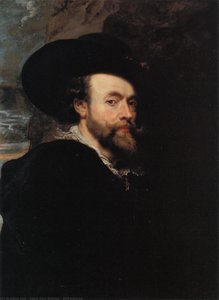
While commissioned portraiture served the interests of patrons, self-portraiture emerged as a distinct genre during the Renaissance – a space where artists could assert their own agency and explore questions of identity. Initially, self-portraits often appeared as subtle inclusions within larger works, a demonstration of skill rather than a focus on individual personality. However, over time, they evolved into independent statements, allowing artists to control their own image and challenge conventional notions of representation. Albrecht Dürer’s self-portraits are particularly significant in this regard – not just technical masterpieces but also explorations of the artist's intellectual and spiritual life. He presents himself as a scholar, a humanist, a man of refinement, challenging the traditional hierarchical structure that placed artists lower on the social scale. This trend continued with Rembrandt van Rijn, who produced an astonishing number of self-portraits throughout his career, documenting not just his physical appearance but also his emotional state and evolving artistic style. The proliferation of selfies in contemporary culture – a phenomenon often dismissed as superficial – can be seen as a continuation of this long tradition of self-representation, albeit with vastly different social implications. The very act of creating a self-portrait is an assertion of individuality, a claim to visibility and agency in a world that often seeks to define us through external forces.
Baroque Spectacle & Theatrics: Displaying Power in Velázquez & Rubens
The Baroque period witnessed an escalation in the display of power, reflected in art characterized by grandeur, drama, and theatricality. Artists like Velázquez and Rubens were masters of this aesthetic, creating portraits that weren’t simply representations but elaborate performances designed to overwhelm and impress. Rubens' “The Birth of Marie de’ Medici” exemplifies this approach – a monumental cycle depicting the life of the queen, filled with allegorical figures, vibrant colors, and dynamic compositions. It wasn’t merely a historical record; it was a carefully constructed mythologization of her reign, designed to legitimize her power and elevate her status. Velázquez, similarly, employed subtle but powerful techniques to convey authority in his portraits of the Spanish court. His use of light and shadow, his meticulous attention to detail, and his ability to capture the psychological complexity of his subjects all contributed to a sense of regal dignity and intellectual gravitas. The scale of these works, their opulent settings, and their dramatic compositions were all intended to reinforce the power of those depicted. These paintings weren’t simply viewed; they were *experienced* – immersive spectacles designed to inspire awe and reverence. The courts of Europe became stages for these displays of artistic prowess, with portraits serving as key instruments in projecting an image of absolute authority.