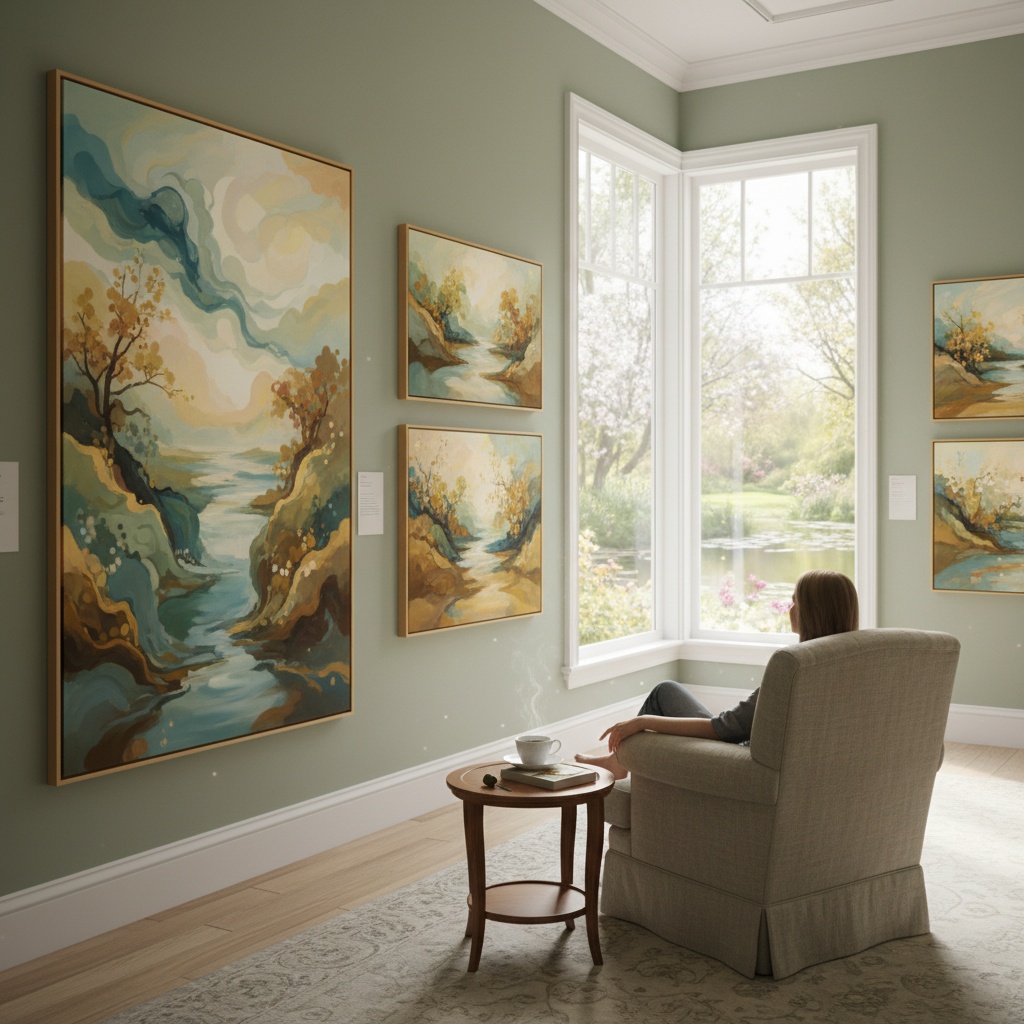
Introduction: The Innate Connection Between Art & Tranquility
From the earliest cave paintings to the grand masterpieces of the Renaissance, art has always been more than mere decoration; it’s a fundamental expression of the human spirit and, perhaps surprisingly, a deeply rooted source of solace. In our increasingly frenetic world, rediscovering this innate connection between art and tranquility is not simply a luxury, but a necessity for maintaining well-being. The act of creating – or even simply *contemplating* art – offers a unique pathway to emotional regulation, stress reduction, and a renewed sense of inner peace. It’s a journey inward, guided by color, form, and the evocative power of imagination.
The Neuroscience of Calm: How Viewing Art Affects Your Brain
What happens within our brains when we gaze upon a beautiful painting or sculpture? The answer, increasingly revealed through neuroscientific research, is quite remarkable. Engaging with art activates regions associated with reward and pleasure – the same areas stimulated by experiences like listening to music or enjoying delicious food. This release of dopamine isn’t merely fleeting enjoyment; it fosters a sense of calm and reduces cortisol levels, effectively counteracting the physiological effects of stress. Furthermore, visual processing itself can be profoundly meditative. The brain becomes absorbed in detail, color interplay, and composition, quieting the incessant chatter of everyday worries. It's a form of ‘soft fascination,’ allowing our minds to wander constructively without being overwhelmed by intrusive thoughts.
Impressionism & Emotional Resonance: A Pathway to Serenity
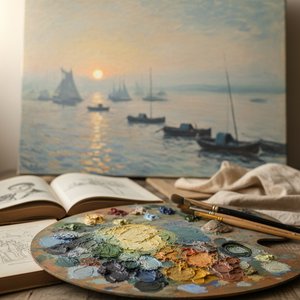 Impressionism: A Revolution of Light & Color That Changed Art History
Explore the revolutionary world of Impressionism! Discover its history, key artists like Monet & Renoir, defining techniques, and lasting impact on modern art. A comprehensive guide for art lovers.
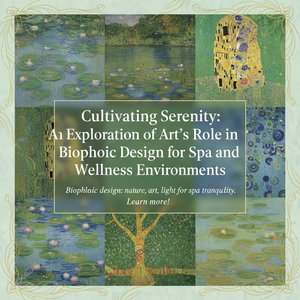
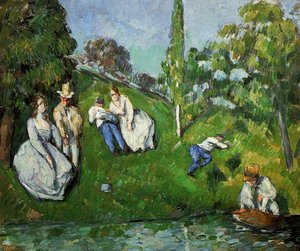
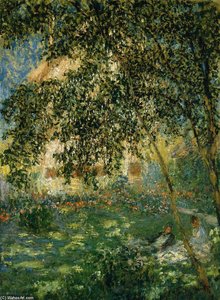
Consider the works of Claude Monet, perhaps the most iconic figure of the Impressionist movement. His paintings – water lilies shimmering in dappled sunlight, fields ablaze with poppies, Rouen Cathedral bathed in the soft glow of dawn – aren’t simply depictions of scenes; they are *impressions* of light and atmosphere, capturing fleeting moments of beauty and tranquility. The visible brushstrokes, the emphasis on color rather than precise form, invite us to participate in the experience, to complete the image with our own imagination. This open composition allows for a personal connection, fostering a sense of calm reflection. The Impressionists deliberately moved away from rigid academic styles, embracing subjectivity and emotional resonance. Their focus wasn’t on perfect representation but on conveying *feeling*, and it is this very quality that makes their work so powerfully soothing. The gentle hues and atmospheric effects create a visual sanctuary, offering respite from the harsh realities of the world.
Art as Therapy: Harnessing Creativity for Stress Reduction and Self-Expression
 Wikipedia: Art therapy
Art therapy is a distinct discipline that incorporates creative methods of expression through visual art media. Art therapy, as a creative arts therapy profession, originated in the fields of art and psychotherapy and may vary in definition. Art the...
The therapeutic potential of art has long been recognized, formalized in the discipline of Art Therapy. This isn’t about creating ‘good’ art; it's about using the creative process to explore emotions, resolve conflicts, and enhance self-awareness. Art therapy provides a safe, non-judgmental space for individuals to express feelings that may be difficult to articulate verbally. Painting, drawing, sculpting – these are all avenues for externalizing internal struggles, gaining new perspectives, and fostering emotional release. Techniques like free association painting, where one simply allows the colors and forms to emerge spontaneously, can unlock subconscious thoughts and emotions. Analytic art therapy, rooted in psychoanalytic theory, delves deeper into symbolism and meaning, exploring the client’s relationship with their artwork as a reflection of their inner world. The benefits are far-reaching, from reducing anxiety and depression to improving self-esteem and coping mechanisms.
Mindfulness Through Making: The Meditative Power of Artistic Practice
Mindfulness-based stress reduction (MBSR) is an educational program designed for learning mindfulness and discovering skillful ways to manage stress. MBSR was developed in the late 1970s by Jon Kabat-Zinn at the University of Massachusetts Medical Sc...
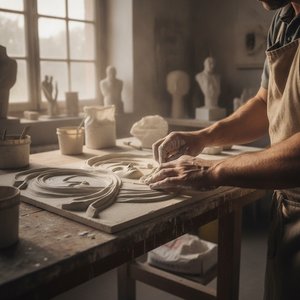
Unlike traditional meditation, which requires stillness and focused attention, artistic practice offers a ‘moving meditation.’ The repetitive actions – the brushstrokes on canvas, the kneading of clay, the careful layering of colors – bring the mind into the present moment. This focused engagement quiets internal chatter and reduces racing thoughts. It’s about being fully immersed in the process, allowing yourself to be guided by intuition and creativity. Mindfulness-based stress reduction (MBSR), a widely researched technique, incorporates similar principles of body awareness and present-moment focus. Art provides a tangible outlet for these practices, grounding us in sensory experience and fostering a sense of calm. Even simple exercises – sketching everyday objects, experimenting with different color palettes, or creating abstract patterns – can be profoundly meditative.
Cultivating a Personal Art Ritual for Lasting Well-being
You don’t need to be a skilled artist to reap the benefits of art. The key is to cultivate a regular practice that nurtures your creativity and promotes relaxation. Create a dedicated space – even a small corner of a room will do – free from distractions. Experiment with different mediums until you find one that resonates with you. Watercolor, known for its fluidity and forgiving nature, is an excellent starting point. Don’t focus on the outcome; embrace the process, allowing yourself to explore without judgment. Set aside just 30 minutes each day or a few times a week to engage in your art practice. Play soft music, light a candle, and allow yourself to be fully present in the moment. ArtsDot.com offers an extensive collection of museum-quality reproductions – from Impressionist masterpieces to contemporary works – that can inspire your own creative journey. Whether you choose to recreate a beloved painting or simply use it as a source of contemplation, art has the power to transform your life, fostering a sense of calm, well-being, and inner peace. Explore our range of custom reproduction services today and bring the serenity of the canvas into your home.