The Dawn of Light: Breaking from Academic Shadows
 Fleeting Moments & Radiant Light: Exploring the Enduring Legacy of Impressionism
The Dawn of a New Vision: Challenging Academic Traditions Impressionism: A Revolution of Light & Color That Changed Art History Explore the revolutionary world of Impressionism! Discover its history, key artists like Monet & Renoir, defining techniqu...
To understand the breathtaking revolution of the Impressionist era, one must first recall the heavy, somber atmosphere that preceded it. For centuries, the art world was governed by the rigid, almost suffocating dictates of the Académie des Beaux-Arts. This institution held a profound sway over the creative spirit, mandating that true art must adhere to historical narratives, religious allegories, and the polished perfection of classical technique. The canvases of this era were often characterized by dark, controlled shadows and a meticulous precision that sought to replicate reality with photographic stillness. There was little room for the spontaneous or the personal; instead, artists were expected to master the heavy, academic style that favored grandiosity over intimacy.
However, as the mid-1s9th century approached, a quiet unrest began to stir within the hearts of those who felt the pulse of a changing world. The invention of portable paint tubes offered a newfound freedom, allowing artists to step away from the dim confines of the studio and embrace the unpredictable beauty of en plein air painting. This technological shift was more than a mere convenience; it was the catalyst for a radical departure from tradition. Artists began to reject the polished, finished look of academic works in favor of something far more visceral—the immediate sensory experience of the world around them. They sought not to document a static truth, but to capture the very breath of life as it unfolded before their eyes.
Impressionism: Capturing the Fleeting Pulse of Nature
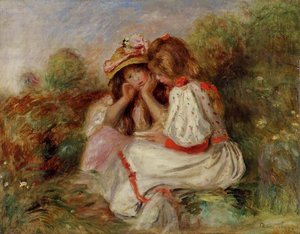 Two Little Girls
Two Little Girls Pierre-Auguste Renoir’s Two Little Girls is a captivating depiction of innocence and joy—a quintessential snapshot of Impressionism at its finest. Painted in 1890 during Renoir’s peak creative period, this artwork embodies the moveme...
The birth of Impressionism was nothing short of a rebellion of light and color. It was a movement that dared to prioritize the subjective perception of the artist over the objective reality of the subject. When we gaze upon the works of Claude Monet or Pierre-Auguste Renoir, we are not merely looking at landscapes or portraits; we are stepping into a fleeting moment, frozen in time through the vibrant pulse of emotion. These masters understood that light is never static; it dances, it shimmers, and it transforms the very essence of a scene from one minute to the next. Their brushstrokes, often loose and visible, were not flaws but rather rhythmic notations of movement and atmosphere.
Consider the way Renoir captured the simple joys of existence. In works such as Two Little Girls, we find ourselves transported to a sun-drenched meadow where warmth and companionship are palpable through soft, blended hues. Similarly, his Flowers in a Vase serves as a profound meditation on perception itself, elevating a commonplace scene into an extraordinary exploration of texture and light. This was the heart of Impressionism: the ability to find the extraordinary within the ordinary. Whether it was the way sunlight filtered through the foliage in Giverny or the bustling energy of a Parisian street, these artists sought to record the ephemeral—the delicate blush of a petal or the way water reflects the sky—ensuring that the transient beauty of the natural world would endure forever on canvas.
Post-Impressionism: The Search for Structure and Soul
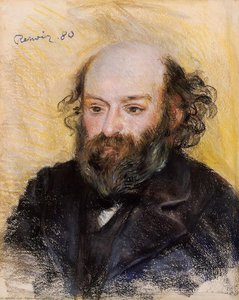 Paul Cezanne
Paul Cézanne: Bridging Impressionism and Post-Impressionism Pierre-Auguste Renoir’s portrait of Paul Cézanne stands as a pivotal moment in art history, capturing not merely the likeness of a celebrated artist but also embodying the dynamic interplay ...
As the initial fervor of Impressionism began to settle, a new generation of artists emerged, driven by a desire to find something deeper beneath the surface of light. While they retained the vibrant palettes of their predecessors, Post-Impressionists felt that the movement had perhaps become too focused on the transient and not enough on the permanent. They sought to infuse their work with greater structure, emotion, and symbolic meaning. This era was a fascinating period of transition, where the boundaries between the sensory experience of light and the intellectual pursuit of form began to blur.
Paul Cézanne stands as perhaps the most pivotal figure in this evolution, acting as a bridge between the fleeting impressions of Monet and the structured modernism that would follow. Unlike the Impressionists who chased the ephemeral, Cézzane possessed a relentless pursuit of the essence of form. He looked at the world through a lens of geometry, attempting to reduce nature to its fundamental components: the cube, the sphere, and the cylinder. In his captivating still lifes, such as Peaches, Pears and Grapes, we see this departure in action. Through bold brushstrokes and a unique approach to composition, he created a sense of depth and weight that moved beyond mere observation into the realm of reconstruction. His work was not just about what he saw, but about how objects resonated within the space between memory and sight.
The Evolution of Form: From Monet's Water Lilies to Cézanne's Geometry
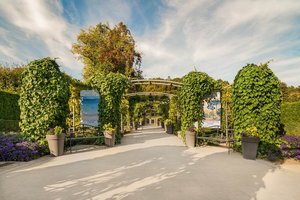 Musée des impressionnismes Giverny
A Sanctuary of Light: The Soul of Giverny Nestled within the verdant embrace of Normandy, where the air seems perpetually infused with the soft glow of a summer afternoon, lies the Musée des impressionnismes Giverny . This is not merely a repository ...
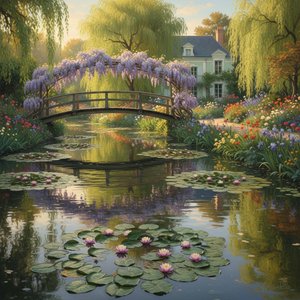
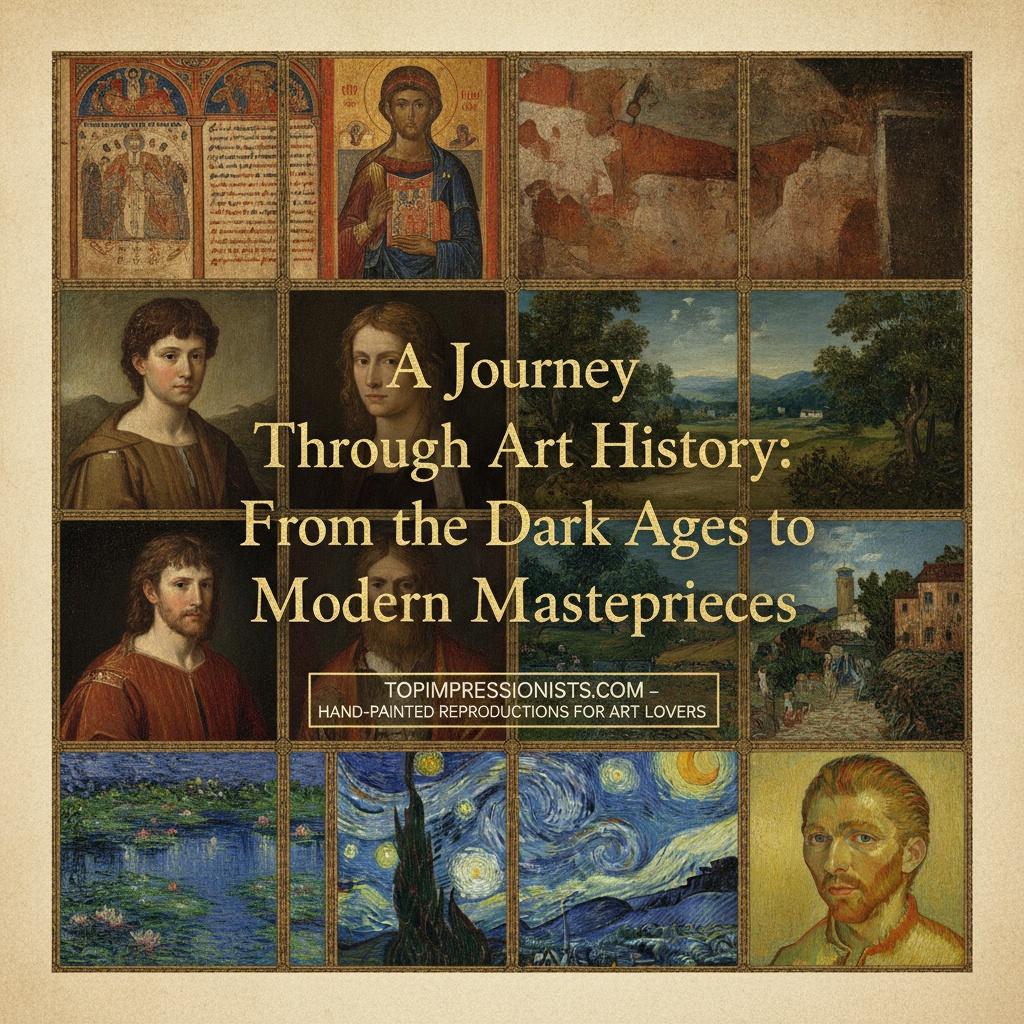
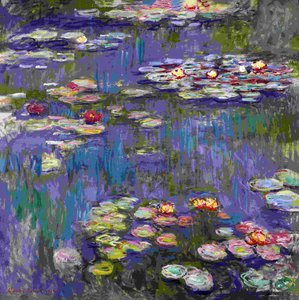
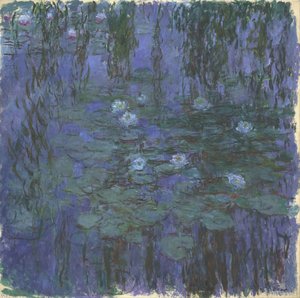
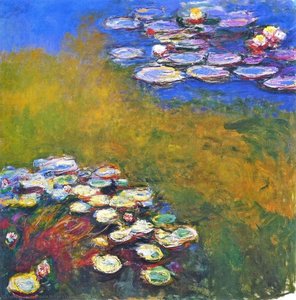
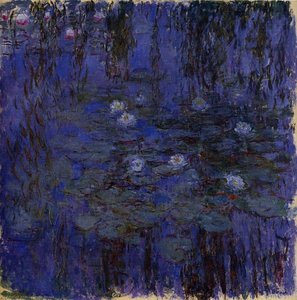
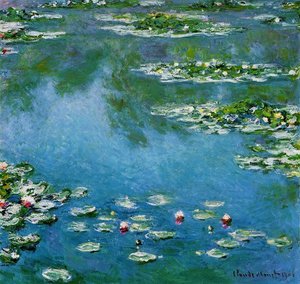
This dialogue between light and structure defines the very trajectory of modern art. We see a magnificent spectrum of creativity stretching from the ethereal, almost liquid landscapes of Claude Monet to the deliberate, architectural compositions of Cézanne. In the lush, verdant embrace of Giverny, Monet’s water lilies become more than just flowers; they become an immersive experience where the boundaries between art and nature dissolve entirely. His work invites a state of contemplative calm, much like the very landscapes that inspired him.
Contrasting this softness is the burgeoning structuralism found in the works of artists like Frederick Carl Frieseke, whose "decorative Impressionism" brought a refined elegance and a luminous, dappled light to his depictions of graceful figures. Even within the American landscape, artists like Theodore Wendel blended European influences with a keen observational eye, using controlled techniques to create an illusion of depth and luminosity that honored the Impressionist spirit while maintaining a sense of quiet dignity. This era was a continuous negotiation between the desire to capture the atmosphere and the need to anchor it in a tangible, lasting form.
Modern Legacies: How the Masters Redefined Our Visual World
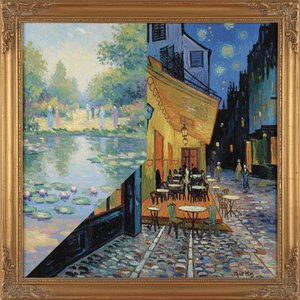 Beyond Light & Color: Impressionism vs. Post-Impressionism for the Discerning Collector
The Dawn of Impressionism: Capturing Fleeting Moments Impressionism, a revolutionary art movement born in 19th-century France, marked a radical departure from the academic traditions that had long dominated the art world. Artists like Claude Monet, P...
The legacy of these movements continues to resonate deeply within our contemporary aesthetic consciousness. The revolution sparked by the Impressionists and Post-Impressionists did more than just change how we paint; it changed how we see. They taught us to appreciate the beauty in the unfinished, the importance of the subjective, and the profound emotional weight of color and light. Today, when we look at a modern masterpiece, we see the echoes of their courage—the courage to break from tradition and the audacity to trust one's own vision.
For the true lover of art, these works are not merely historical artifacts; they are living, breathing portals to another time. They remind us to slow down, to truly observe the world around us, and to find magic in the most fleeting of moments. Whether it is through the structured beauty of a Cézanne or the radiant light of a Renoir, the journey through this era of art history remains an eternal invitation to experience the sublime.
At ArtsDot.com, we share this lifelong passion for the masters of light and form. We specialize exclusively in the exquisite world of Impressionism and Post-Impressionism, offering hand-painted oil reproductions that capture the true soul, texture, and luminous depth of these iconic works. Our mission is to bring the magic of the museum into your home through meticulous craftsmanship and a deep respect for artistic heritage.