The Soul of Hospitality: Art as a Narrative Tool for Luxury Hotels
 Elevating Hospitality Aesthetics: A Bespoke Art Curation Service for Luxury Hotels
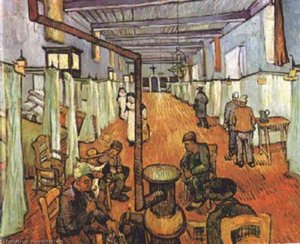
The Evolving Role of Art in Luxury Hospitality Pharmacy of Hôtel-Dieu Hospital The Pharmacy of Hôtel-Dieu Hospital in Carpentras offers an unparalleled glimpse into 18th-century medicine and artistry. Admire the meticulously preserved pharmacy showca...
In the rarefied air of luxury hospitality, true distinction is rarely found in the mere accumulation of expensive amenities. The discerning traveler, seeking refuge from the frenetic pace of modern existence, looks for something far more profound: an atmosphere that whispers of story, culture, and soul. For the visionary hotel designer, the challenge lies in transcendeing the functional to create a realm where guests do not simply reside, but truly experience. This is where art ceases to be a decorative afterthought and becomes the very heartbeat of the establishment. A thoughtfully curated collection acts as an unspoken dialogue between the host and the guest, weaving a narrative that transforms a transient lobby into a sanctuary of meaning.
Historically, grand hotels were conceived as extensions of private collections, showcasing the refined taste and heritage of their owners. Today, this tradition has evolved into a strategic tool for brand identity. When a space is imbued with art, it gains a sense of permanence and depth that no amount of modern furniture can replicate. By integrating fine art, designers can establish an emotional resonance that lingers in the memory long after the guest has checked out. The art becomes the silent narrator, guiding the guest through a journey of discovery, turning every corridor into a gallery and every suite into a personalized retreat.
Luminous Legacies: The Emotional Resonance of Impressionist Masterpieces
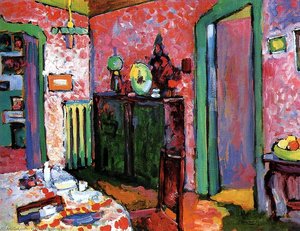
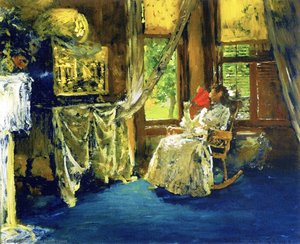
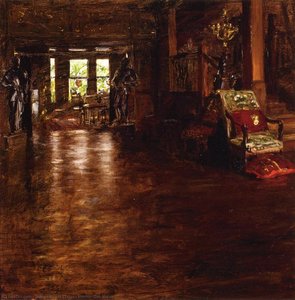 Interior, Oak Manor
William Merritt Chase’s ‘Interior, Oak Manor’: A Window into American Impressionism William Merritt Chase's Interior, Oak Manor (1899) is more than just a depiction of a domestic scene; it’s a carefully constructed evocation of comfort, light, and th...
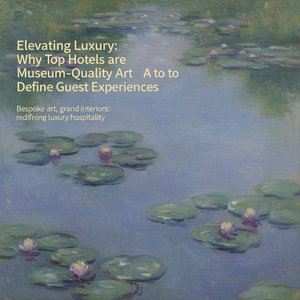
To select Impressionism for a luxury hotel is to choose the language of light, emotion, and fleeting beauty. There is an inherent softness in the works of Monet, Renoir, and Pissarro that mirrors the gentle embrace of high-end hospitality. Unlike the rigid structures of classical realism, Impressionism captures the ephemeral—the way sunlight dances upon a lily pond or how shadows lengthen across a Parisian boulevard at dusk. This movement, born from a desire to capture the sensory truth of a moment, offers an unparalleled emotional vocabulary for designers seeking to evoke tranquility and wonder.
The works of these masters possess a unique ability to activate the reward centers of the brain, releasing a sense of pleasure and calm through their soft, broken brushstrokes and vibrant palettes. When a guest encounters a hand-painted reproduction of a Renoir landscape, they are not merely looking at a painting; they are being invited into a moment of pure, unadulterated light. The textures of the impasto technique—the physical presence of the paint on the canvas—provide a tactile richness that grounds the ethereal subject matter. This connection to the sensory world fosters an intimate bond between the viewer and the environment, making the hotel feel less like a commercial space and more like a cherished destination.
Curating the Atmosphere: Selecting Light and Color for Bespoke Interiors
The art of curation is much like the art of alchemy, where the careful blending of color and light can transform the very chemistry of a room. For the hospitality designer, selecting artwork requires a deep understanding of how color palettes interact with architectural elements and lighting design. An Impressionist collection offers a versatile spectrum; warm ochres, deep umbers, and sun-drenched golds can create an inviting warmth in a lounge, while cooler blues, soft lavenders, and verdant greens can instill a sense of serene repose in a spa or guest suite.
Effective curation involves more than just matching colors; it is about managing the energy of the space. A series of vibrant, light-drenched works by Monet can energize a breakfast room, while the more contemplative, textured landscapes of Cézanne might better suit a quiet library or study. Designers must also consider the interplay between the artwork and the physical textures of the room—the sheen of silk drapery, the grain of polished wood, or the coolness of marble. When the brushstrokes of an oil painting harmonize with the architectural rhythms of the space, the result is a cohesive, immersive environment that feels both effortless and profoundly intentional.
Beyond Decoration: Integrating Gallery-Inspired Aesthetics into Guest Experiences
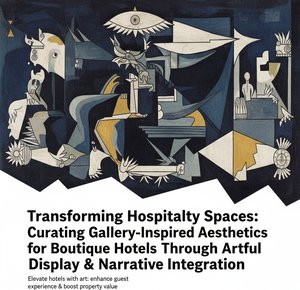 Transforming Hospitality Spaces: Curating Gallery-Inspired Aesthetics for Boutique Hotels Through Artful Display & Narrative Integration
The Evolving Role of Art in Hospitality: Beyond Decoration Paintings in Hospitals Paintings in Hospitals is a UK charity using art to enhance wellbeing in health & community care settings since 1959. Explore our national collection featuring Bridget ...
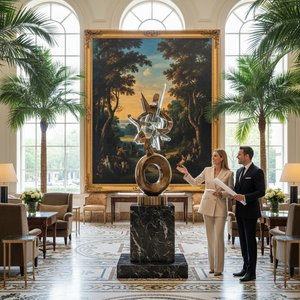
The most successful boutique hotels are those that function as living galleries, where art is integrated into the very fabric of the guest experience. This goes far beyond hanging frames on walls; it involves a holistic approach to narrative integration. Imagine a hotel where the artwork in the lobby sets the thematic tone for the entire property, with subsequent pieces in the corridors and suites acting as chapters in a continuous visual story. This level of curation transforms a transit point into an inspiring welcome, turning a simple hallway into a journey of discovery.
This gallery-inspired approach can even extend to bespoke elements, such as custom-painted murals or multi-panel compositions that span entire walls. By treating the hotel's interior as a curated collection, designers create opportunities for engagement and conversation. Guests are encouraged to linger, to observe, and to reflect. This deepens their connection to the brand and elevates the stay from a mere transaction to a cultural event. In this way, art becomes a fundamental pillar of hospitality design, providing the essential layer of depth that distinguishes a luxury hotel from its competitors.
Architectural Grandeur: Large-Scale Murals and Multi-Panel Impressionist Compositions
For grand architectural spaces—soaring lobbies, sweeping staircases, or expansive dining halls—standard-sized canvases may lack the necessary impact. This is where the power of large-format art becomes indispensable. Large-scale murals and ceiling frescoes, painted on massive canvas rolls, allow designers to recreate historical grandeur on a monumental scale. These works can transform a blank architectural surface into a breathtaking window onto another world, much like the magnificent ceilings of European palaces.
Furthermore, the modern trend of multi-panel or "triptych" compositions offers a sophisticated way to address wide, contemporary walls. By splitting a single Impressionist masterpiece across three, four, or even five panels, designers can create a rhythmic, architectural look that feels both classic and modern. This technique allows the artwork to breathe within the space, following the lines of the architecture while maintaining the seamless flow of color and brushwork across the gaps. Such installations command attention and provide a focal point that anchors the entire room, ensuring that the art is not just seen, but felt.
The Designer's Toolkit: Expert Art Consultation and Custom Commissions
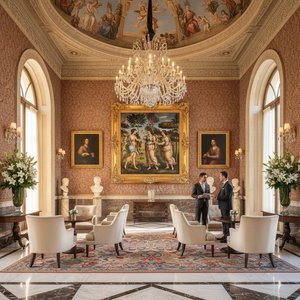 Renaissance Art Guide: Curating Timeless Masterpieces for Luxury Hotel Interiors and Professional Hospitality Design
The Strategic Role of Renaissance Art in Luxury Hospitality Branding Elevating Hospitality Aesthetics: Museum-Quality Art for Luxury Hotels The Transformative Power of Art in Luxury Hospitality Wikipedia: Peace Hotel The Peace Hotel (Chinese: 和平饭店, p...
Navigating the vast world of fine art to find pieces that perfectly align with a hotel’s brand identity can be an overwhelming task. This is why professional art consultation has become an essential service for the modern hospitality designer. An expert advisor does more than suggest paintings; they provide color analysis, digital mockups to visualize art within a specific space, and personalized proposals that respect both the aesthetic vision and the budgetary requirements of the project.
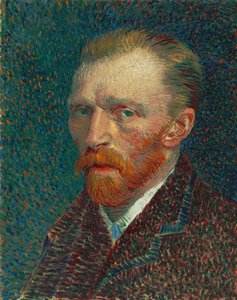
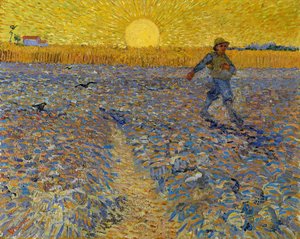
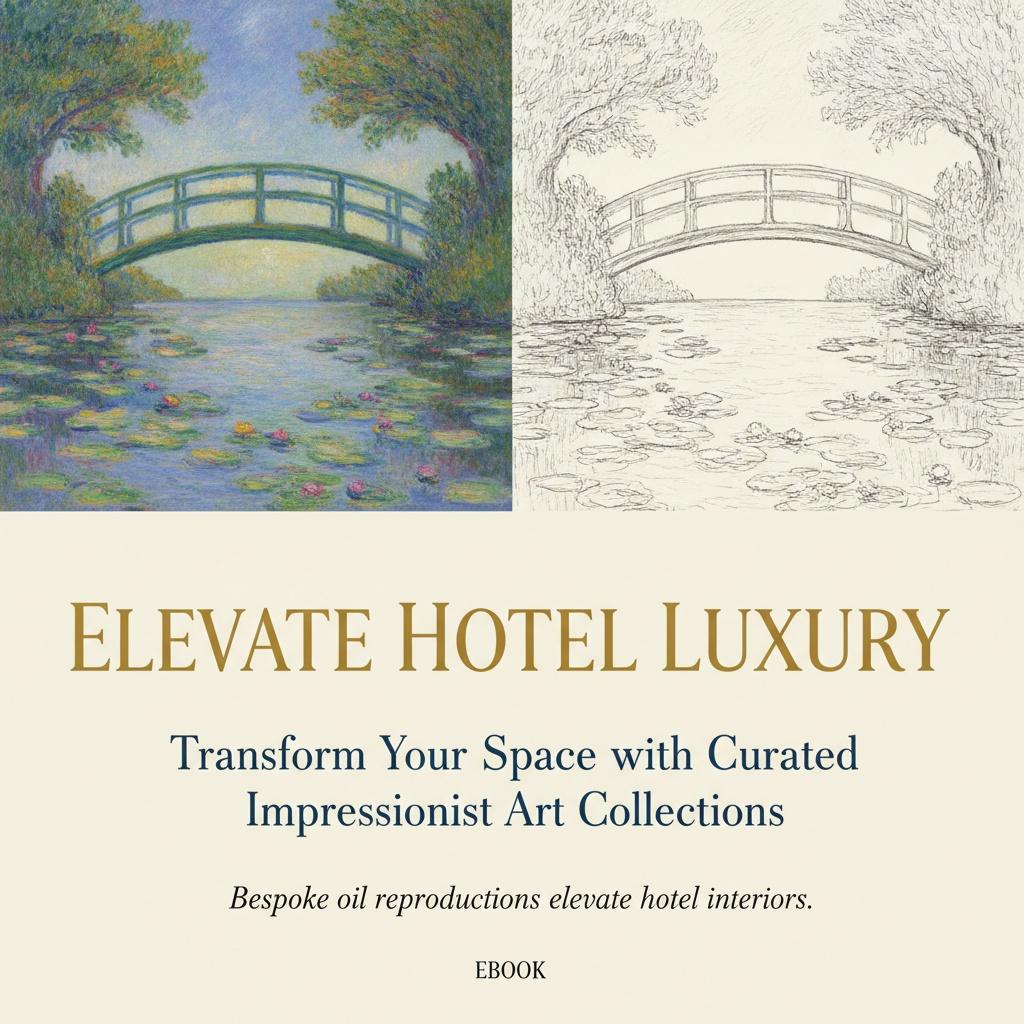
The true luxury, however, lies in the realm of custom commissions. The ability to "remix" art history—to request a contemporary photograph be reimagined in the impasto style of Van Gogh, or to have a specific landscape painted to match a hotel's unique color palette—offers unparalleled creative freedom. Whether it is through the creation of bespoke oil reproductions or the development of large-scale architectural murals, the goal remains the same: to create an environment that is as unique as the guests who inhabit it. Through meticulous craftsmanship and a passion for the masters, art becomes the ultimate tool for creating unforgettable luxury.
Discover the Art of Excellence with ArtsDot.com
At ArtsDot.com, we specialize exclusively in the luminous world of Impressionism and Post-Impressionism. We understand that for the luxury designer, only the finest quality will suffice. Our master artists, all holders of prestigious Fine Arts degrees, hand-paint every reproduction on 100% cotton canvas, ensuring the visible brushstrokes and deep tonal ranges that define the movement. From bespoke multi-panel installations to large-scale hotel murals, we provide a seamless, professional service tailored to the needs of the hospitality industry. We invite designers and collectors alike to explore our curated collections and transform their spaces into timeless masterpieces.