
The Iron Pulse: Finding Beauty in the Industrial Landscape
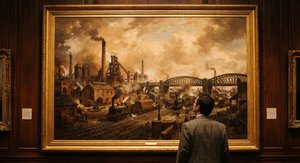
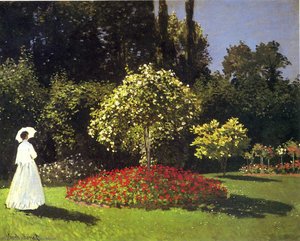
There is a certain nostalgia that settles in the heart when we contemplate the dawn of the modern era, a time when the rhythmic clatter of iron wheels and the deep, resonant bellows of steam engines first began to rewrite the symphony of the countryside. For those of us who have spent decades finding solace in the soft textures of Impressionism, the sudden intrusion of the Industrial Revolution might initially seem like a discordance—a harsh, metallic interruption to the pastoral peace of Renoir’s gardens or Sisley’s quiet riverbanks. Yet, as we look closer through the eyes of the masters, we discover that the smoke-filled horizons and the skeletal structures of rising bridges offered a new, profound vocabulary for beauty.
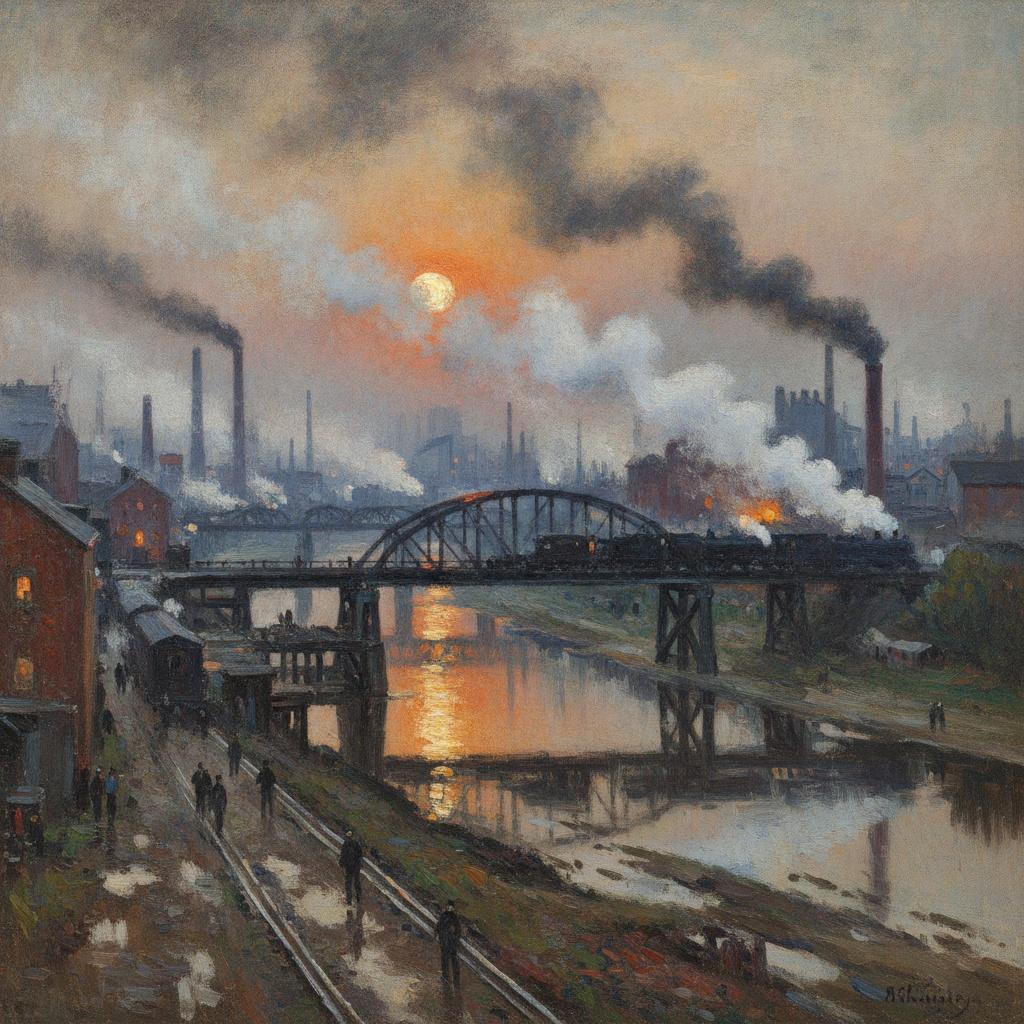
The Impressionists did not merely witness this transformation; they embraced its atmospheric complexity. They saw that the soot and steam did not obscure the world, but rather layered it with a new kind of ephemeral veil. The iron pulse of the locomotive became a heartbeat for a changing landscape, providing a sense of movement and momentum that mirrored the very essence of the Impressionist movement itself. It was a period where the permanence of stone met the fleeting nature of vapor, creating a tension that is as intellectually stimulating as it is visually arresting.
En Plein Air Amidst the Smoke: The Impressionist Technique
To paint the industrial age required more than just a steady hand; it required a radical reimagining of the en plein air technique. Traditionally, painting outdoors was an exercise in capturing the clarity of sunlight and the verdant hues of nature. However, as coal smoke began to drift across the French countryside, artists like Monet and Pissarro found themselves navigating a much more complex palette. The challenge lay in capturing the way particulate matter suspended in the air could catch, refract, and soften the light, turning a harsh industrial haze into a luminous, pearlescent glow.
This necessitated a mastery of broken brushstrokes and a sophisticated understanding of color theory. Instead of the sharp outlines of the Academy, these artists utilized short, thick applications of paint to mimic the flickering quality of light filtered through steam. They learned that shadows in an industrial setting were rarely black or grey; they were infused with deep violets, burnt umbers, and even unexpected blues, reflecting the chemical complexity of a sky transformed by industry. This technique allowed them to render the heavy, tactile presence of steel while simultaneously capturing its ethereal, almost ghostly, interaction with the atmosphere.
Steam, Steel, and Sunlight: Monet and the Transformation of Light
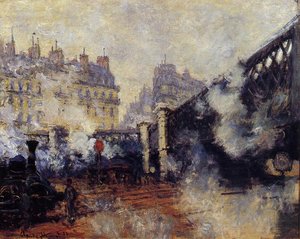
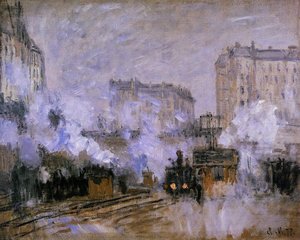
No artist captured this marriage of the mechanical and the celestial quite like Claude Monet. His legendary series centered around the Gare Saint-Lazare stands as a testament to his ability to find the sublime within the mundane. In these works, the iron rafters of the station act as a frame for a breathtaking drama of light and vapor. The steam from the locomotives does not merely represent pollution; it becomes a medium through which sunlight is sculpted, creating pockets of brilliant white and soft lavender that dance amidst the dark, structural ribs of the station.
In observing these masterpieces, one realizes that Monet was less interested in the trains themselves than in the way they altered the very air we breathe. The steel structures provided a rhythmic, geometric counterpoint to the fluid, organic shapes of the escaping steam. Through his eyes, the industrial station becomes a cathedral of light, where the heavy machinery of man is momentarily sanctified by the sun’s descent. It is a sensory experience that transcends the era, reminding us that even in the midst of rapid technological upheaval, the fundamental dance of light remains an eternal constant.
Beyond the Pastoral: How the Industrial Revolution Redefined Subject Matter
For centuries, the pinnacle of fine art was found in the idyllic—the shepherdess, the lily pond, the sun-drenched meadow. The Industrial Revolution forced a profound shift in what was deemed worthy of the canvas. This was not a rejection of the pastoral, but an expansion of it. The Impressionists began to integrate the new reality into their compositions, finding that a bridge or a factory chimney could possess the same compositional grace as a willow tree.
This evolution allowed for a more honest and inclusive depiction of human progress. By including the elements of the machine age, artists like Degas and Caillebotte brought a sense of contemporary urgency to their work. They captured the grit, the movement, and the sheer scale of a world in flux. This shift in subject matter paved the way for a modern aesthetic, where the tension between the natural world and human ingenuity could be explored with nuance. It taught us that art does not exist in a vacuum; it breathes the same air—however soot-stained—as the society it seeks to reflect.
A Legacy of Texture: Preserving the Spirit of the Machine Age
Today, when we look upon these hand-painted reproductions, we are doing more than merely admiring historical accuracy; we are reconnecting with a pivotal moment in human consciousness. The tactile depth of an oil painting—the visible impasto, the way the light catches the ridges of a brushstroke—is essential to feeling the weight of that era. A digital print can capture the colors, but only the physical presence of paint can convey the heavy, textured atmosphere of a steam-filled afternoon.
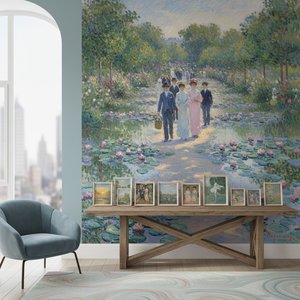
As collectors and lovers of this era, we hold a responsibility to preserve these visions. Whether it is through the careful curation of a private collection or the intentional placement of a large-scale multi-panel work in a modern home, these paintings serve as windows into a time of profound transformation. They remind us that even amidst the most radical changes, there is an enduring beauty to be found in the way light meets steel, and how the human spirit continues to find poetry in the heart of the machine.
At ArtsDot.com, we celebrate this enduring legacy by bringing the masters back to life through meticulous, hand-painted oil reproductions. Our artists, trained in the finest academic traditions, specialize in capturing the very textures and light-drenched atmospheres that define the Impressionist era. Whether you wish to transform a personal memory into a Van Gogh-inspired masterpiece or find a breathtaking reproduction of Monet’s industrial landscapes, we invite you to explore our collection and bring the soul of art history into your home.