The Heartbeat of Emotion: Defining the Romantic Spirit
To step into the world of Romanticism is to surrender oneself to the profound, often turbulent, currents of human feeling. Unlike the rigid structures of Neoclassicism that preceded it, Romanticism emerged as a passionate rebellion, a movement that sought not to dictate order, but to celebrate the unbridled intensity of the soul. It was an era where the artist’s internal landscape became just as significant as the external world, where every brushstroke served as a vessel for longing, awe, and even despair. For those of us who have spent decades finding solace in these evocative works, we understand that Romanticism is not merely a historical period, but a state of being—a way of perceiving the world through the lens of deep, visceral connection.
At its core, this movement prioritized the subjective experience. The artist was no longer a detached observer recording history, but a protagonist engaged in a dialogue with existence itself. This shift allowed for a new kind of intimacy in art, where the boundaries between the viewer and the canvas began to dissolve. When we gaze upon a work from this era, we are invited to feel the weight of the artist's convictions, to share in their reverence for the mysterious and the unseen. It is this emotional resonance that continues to captivate collectors, offering a sanctuary of feeling in an increasingly fragmented modern world.
The Sublime Encounter: Nature's Power and Human Vulnerability
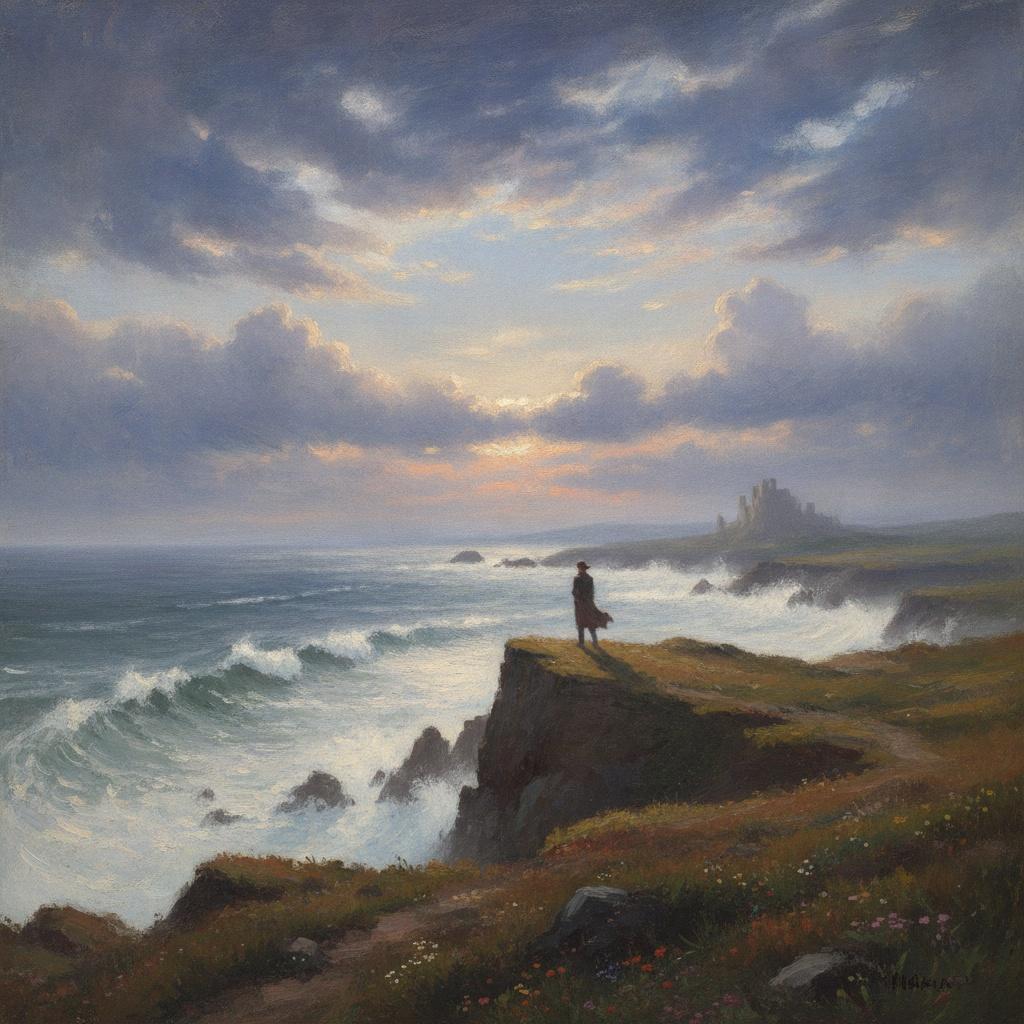
One cannot discuss the soul of Romanticism without addressing the concept of the Sublime. This is perhaps the most breathtaking element of the movement—the realization of nature’s overwhelming, often terrifying, majesty in contrast to the fragility of human life. The Sublime is found in the roar of a storm, the infinite expanse of a mountain range, or the haunting mist that obscures a distant horizon. It is an aesthetic experience that evokes both wonder and a sense of profound insignificance, reminding us that we are but small participants in a much grander, more powerful cosmic drama.
In these masterpieces, nature is never merely a backdrop; it is a living, breathing character, imbued with agency and spirit. The artists of this era mastered the ability to depict the scale of the infinite, using dramatic lighting and vast compositions to pull the viewer into the center of a tempest or a twilight glow. This encounter with the overwhelming forces of the earth fosters a unique kind of introspection. It forces us to confront our own vulnerability, yet in that very confrontation, we find a strange, beautiful strength. To possess such art is to keep a window open to the infinite, allowing the grandeur of the natural world to periodically remind us of the mysteries that lie beyond our immediate grasp.
Light, Shadow, and Soul: The Impressionist Evolution of Romantic Themes
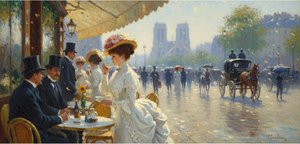
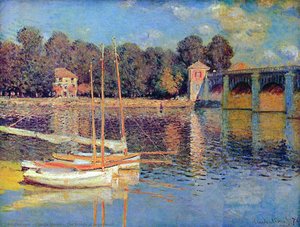
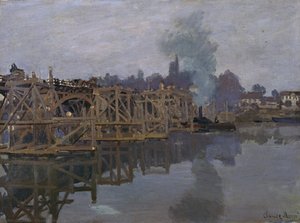
As we transition from the dramatic shadows of the Romantics toward the luminous dawn of Impressionism, we see a fascinating evolution of these emotional themes. While the Impressionists—those masters like Monet, Renoir, and Pissarro—moved away from the overt drama of storms and shipwrecks, they did not abandon the pursuit of the soul. Instead, they found the emotional essence within the ephemeral. They shifted the focus from the sublime terror of nature to the sublime beauty of a single, fleeting moment of light.
The Impressionist movement took the Romantic preoccupation with feeling and applied it to the sensory experience of sight. Where a Romantic might use heavy chiaroscuro to evoke mystery, an Impressionist uses the dancing interplay of sunlight and shadow to evoke atmosphere. The emotion is found in the warmth of a sun-drenched haystacks or the soft, rhythmic movement of water lilies. This was not a rejection of depth, but a refinement of it; they sought to capture the "impression" that a moment leaves upon the heart. By focusing on the transient nature of light, they captured the very essence of life's fleeting beauty, creating a legacy of works that feel as alive and breathing today as they did in the nineteenth century.
Capturing the Fleeting Moment: Texture and Technique in Emotional Artistry
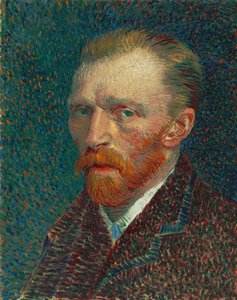
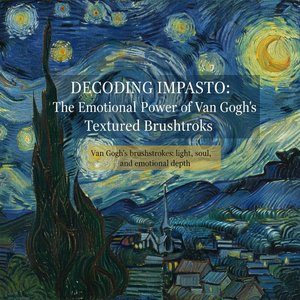
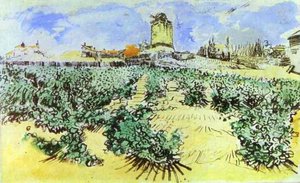
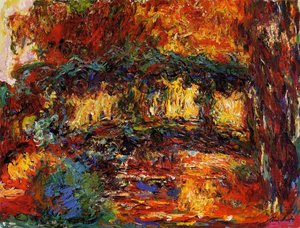
The true magic of these movements lies in the physical execution—the way paint is manipulated to convey meaning. In the realm of Impressionism and its Post-Impressionist successors, such as the incomparable Van Gogh, technique becomes a language of its impasto. We see the artist's hand in every thick, rhythmic stroke of oil on canvas. These are not flat surfaces; they are sculptural landscapes of pigment. The visible texture creates a sense of movement and energy, allowing the viewer to trace the very path of the artist’s emotion across the cloth.
When we observe the swirling skies of a Van Gogh or the dappled light of a Monet, we are witnessing a mastery of color and texture that transcends mere representation. The use of complementary colors to create vibration, the layering of glazes to achieve luminosity, and the deliberate application of heavy paint to catch the light—all these elements work in harmony to stimulate the senses. It is this tactile depth that distinguishes a true masterpiece from a mere print. A hand-painted reproduction preserves this vital energy, ensuring that the physical presence of the brushstroke continues to communicate the artist's original passion to your home.
Bringing the Masterpieces Home: Curating an Atmosphere of Reflection
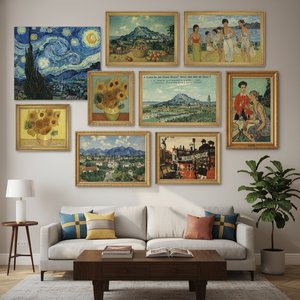
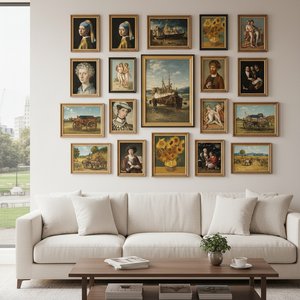
Integrating these profound works into a contemporary living space is an act of curation that goes far beyond simple decoration. It is about creating an environment of reflection and emotional depth. To hang a large-scale Impressionist landscape or a textured Post-Impressionist study is to invite a specific temperament into your home—one of grace, thoughtfulness, and a deep appreciation for the beauty found in the transient.
When selecting pieces for your collection, consider how the light and color of the artwork interact with your personal surroundings. A soft, light-drenched Monet can expand a room with its airy brilliance, while a more textured, emotive work can serve as a powerful focal point for contemplation in a study or library. At ArtsDot.com, we believe that art should be a lived experience. Whether you are looking to transform a personal memory into a custom oil painting or seeking to find a museum-quality reproduction of a beloved classic, our mission is to help you curate a space that resonates with the eternal beauty of the Impressionist and Post-Impressionist masters. We invite you to explore our curated collections and discover how these timeless works can elevate your home into a sanctuary of art and emotion.