

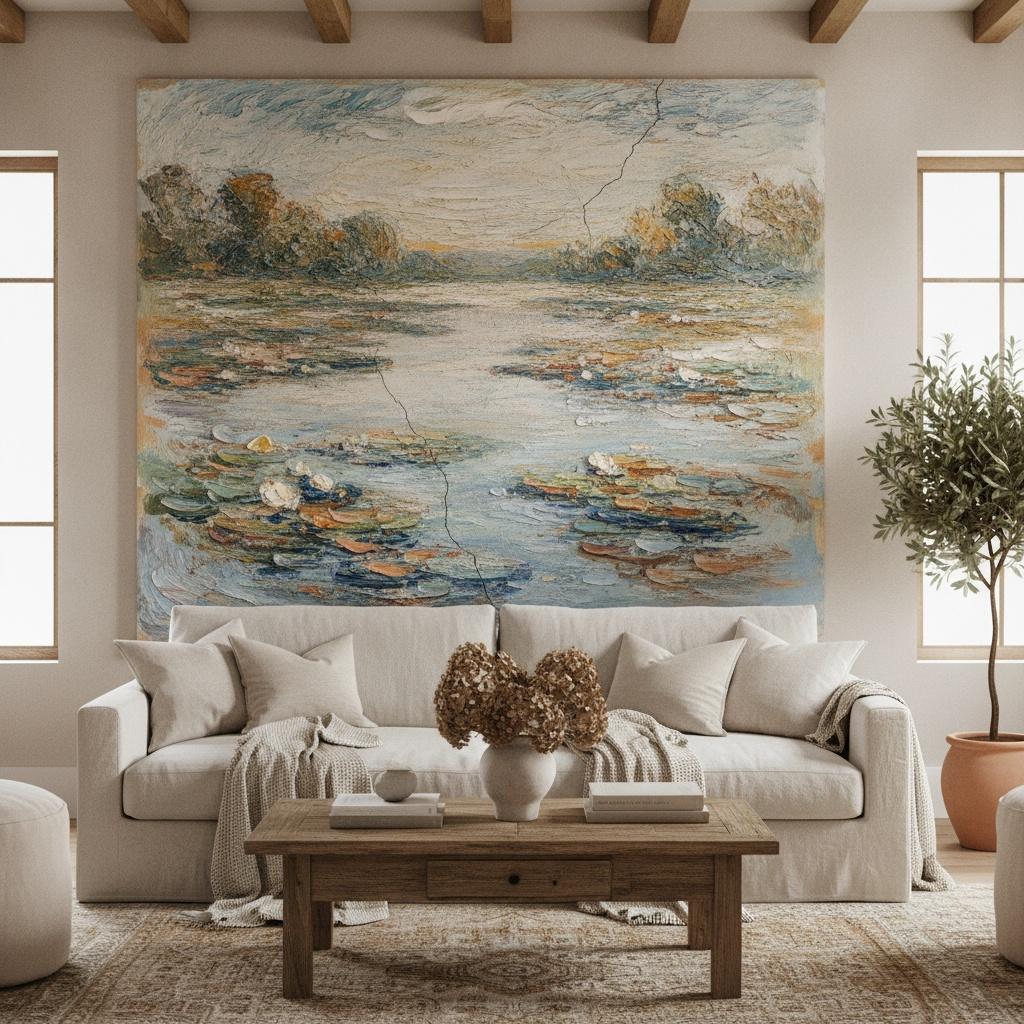
The Poetry of Paint: Understanding the Emotional Resonance of Impasto
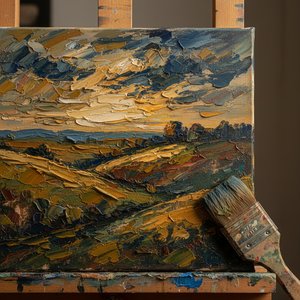
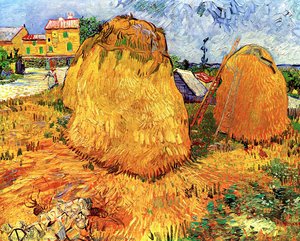
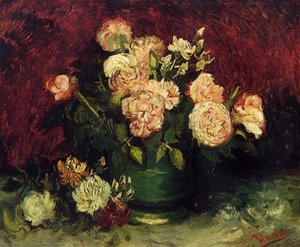
To truly encounter a masterpiece is to move beyond the mere observation of color and enter into a silent dialogue with the artist’s very touch. For those of us who have spent decades wandering through the hallowed halls of the Musée d'Orsay or finding solace in the quiet corners of a local gallery, there is a profound intimacy found in the impasto technique. It is more than just thick paint; it is the physical residue of a moment captured in time. When we look at the heavy, rhythmic strokes of a Post-Impressionist work, we are not just seeing a depiction of a subject, but witnessing the energy, the struggle, and the passion of the creator.
The beauty of impasto lies in its ability to transcend the two-dimensional plane. In these raised ridges of oil, the paint holds a memory of the brush’s movement. There is an emotional weight to a stroke that stands proud from the canvas, much like the way a cherished memory remains vivid and tactile in our minds long after the event has passed. This texture invites the viewer to feel the pulse of the artwork, creating a sensory connection that flat, printed reproductions can never replicate. It transforms the canvas from a window into a landscape into a living, breathing entity that possesses its own topography and soul.
Light and Layer: How Texture Mimics the Impressionist Play of Sunlight
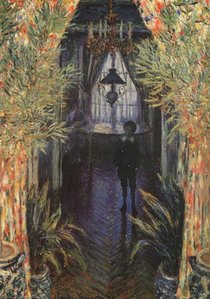
The true magic of the Impressionist movement was never found in static detail, but in the ephemeral dance of light. Artists like Claude Monet and Camille Pissarro understood that light is not a constant; it flickers, it fades, and it dances across surfaces with a restless spirit. By utilizing thick layers of paint, these masters created a surface that could actually catch and manipulate real-world light within a room. As the sun moves across your living space throughout the day, a textured impasto painting responds in kind, casting tiny, microscopic shadows within its own ridges.
This interplay between the physical paint and the ambient light creates a sense of movement that is almost hypnotic. A single blue stroke might appear deep and oceanic in the morning gloom, yet glow with a luminous, sky-like brilliance under the direct warmth of the afternoon sun. This depth mimics the way light interacts with water or foliage in nature, bringing an organic vitality to your walls. When we choose art characterized by such tactile depth, we are not merely decorating; we and we are inviting the very essence of the natural world—its light, its shadows, and its fleeting brilliance—to reside within our homes.
From Canvas to Sculpture: The Interplay of Plaster, Ceramic, and Oil
As our appreciation for texture evolves, we find that the boundaries between painting and sculpture often begin to blur. The modern collector frequently finds inspiration in the way heavy oil pigments can mimic the sculptural qualities of plaster and ceramic. There is a wonderful dialogue that occurs when the fluid, blended tones of an Impressionist landscape meet the structured, architectural presence of textured wall sculptures. This intersection of mediums allows for a more sophisticated approach to interior curation, where the "weight" of the art complements the physical architecture of the room.
Imagine a space where the soft, light-drenched atmosphere of a Renoir painting is anchored by the grounded, tactile presence of an abstract plaster relief. The contrast between the delicate, feathered brushstrokes of oil and the solid, matte surfaces of ceramic or plaster creates a rich, multi-sensory experience. This layering of textures—the smooth, the rugged, the raised, and the recessed—builds a narrative of complexity. It encourages the eye to wander, discovering new details in every corner, much like how one might find hidden treasures when revisiting a favorite book or a well-loved garden.
Curating Depth: Integrating Textured Masterpieces into the Modern Home
Bringing the depth of Impressionism into a contemporary setting requires a delicate touch, a balance between historical reverence and modern elegance. For the seasoned art lover, the goal is often to create a sanctuary that feels both curated and comfortable. When integrating highly textured pieces, such as large-scale impasto abstracts or multi-panel Impressionist sets, one should consider the surrounding "silence" of the room. A textured painting thrives when it has space to breathe, allowing its physical presence to command attention without competing with cluttered surroundings.
One might consider using multi-panel layouts to span a wide hallway or a grand staircase, creating a continuous flow of texture that guides the viewer through the home. Neutral palettes in the surrounding decor can act as a canvas themselves, allowing the vibrant, raised colors of an Impressionist reproduction to sing. Whether it is a subtle, monochromatic plaster work or a bold, colorful Van Gogh-inspired piece, the key is to treat the art as the protagonist of the room. By focusing on scale and placement, you can transform a simple wall into a profound gallery experience that reflects your lifelong passion for the masters.
Preserving the Stroke: The Art of Maintaining Tactile Oil Reproductions
Owning a piece of art characterized by such physical depth is a privilege that comes with the responsibility of stewardship. Because impasto and textured works rely on the physical integrity of the paint ridges, preservation is paramount. To ensure that the "soul" of the painting remains vibrant for generations, it is essential to protect the surface from the elements. Direct sunlight, while beautiful for viewing, can gradually degrade pigments and cause the oils to become brittle over decades.
Proper care involves maintaining a stable environment, free from extreme fluctuations in humidity that could cause the canvas to expand or contract. For those who cherish hand-painted oil reproductions, we recommend ensuring the work is finished with a high-quality Damar varnish, which acts as a protective shield against dust and atmospheric pollutants. When treated with respect and housed in a climate-controlled space, these textured masterpieces—with their visible brushstrokes and deep tonal ranges—will continue to offer their luminous, tactile beauty, serving as a lasting legacy of the Impressionist spirit in your home.
At ArtsDot.com, we believe that every home deserves the profound emotional depth that only true fine art can provide. Whether you are seeking a museum-quality reproduction of a Monet landscape or wish to transform a personal memory into a textured masterpiece through our custom services, our mission is to bring the beauty of the masters to your doorstep with unparalleled craftsmanship and care.