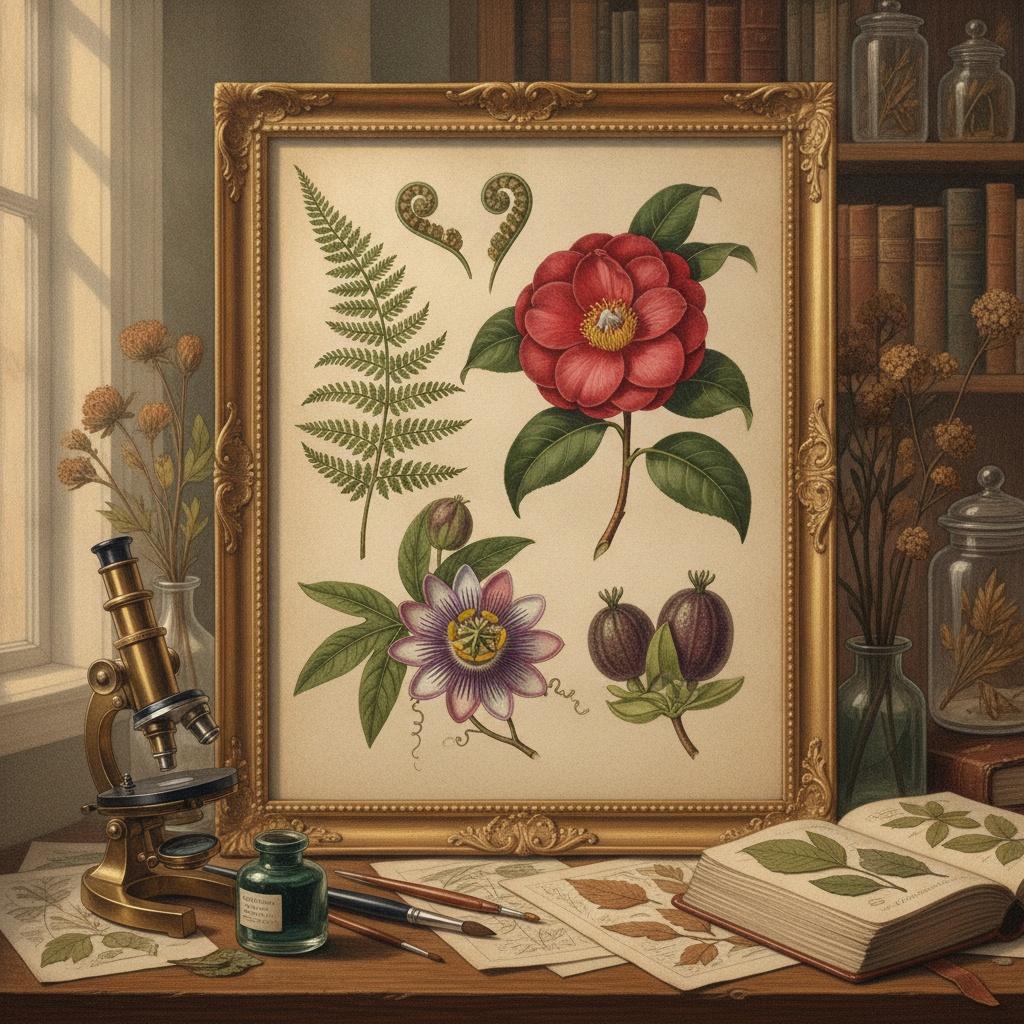
The Victorian Soul: Where Scientific Inquiry Meets Aesthetic Grace
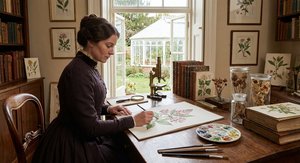 Victorian Botanical Painting: Science, Art & Aesthetic Sensibility
The Rise of Botanical Fascination: Victorian Society & the Natural World Wikipedia: Botany Botany, also called phytology or plant science, is the branch of natural science and biology that studies plants, especially their anatomy, taxonomy, and ecolo...
To step into the world of Victorian botanical painting is to enter a sanctuary where the rigor of the laboratory dissolves into the soft light of a gallery. During the nineteenth century, an era often defined by the soot of industrial expansion and rigid social hierarchies, there existed a profound, almost spiritual, fascination with the natural world. This was not merely a superficial appreciation for a blooming rose or a delicate fern; it was a deep-seated desire to understand the very architecture of life. As explorers traversed the far reaches of the British Empire, bringing back exotic specimens that seemed plucked from dreams, the Victorian soul sought to capture these wonders through a lens that was simultaneously clinical and deeply emotive.
This period witnessed a unique intersection of science and sentiment. The botanical pursuits of the age were driven by an intense curiosity about taxonomy, anatomy, and ecology—a scientific hunger fueled by the transformative ideas of figures like Charles Darwin. Yet, this pursuit of knowledge was inextricably linked to an aesthetic sensibility that found profound beauty in the minute details of a petal's edge or the intricate vein of a leaf. In the quiet corners of botanical gardens, such as the historic Cambridge University Botanic Garden, one could trace the footsteps of intellectual giants who saw no conflict between the precision of scientific inquiry and the breathtaking allure of a romantic landscape. It was a time when every discovery was a brushstroke on a much larger, living canvas of natural history.
The Art of Observation: Precision and the Rise of Botanical Illustration
 Curtis's Botanical Magazine
The Botanical Magazine; or Flower-Garden Displayed, is an illustrated publication which began in 1787. The longest running botanical magazine, it is widely referred to by the subsequent name Curtis's Botanical Magazine. Each of the issues contains a ...
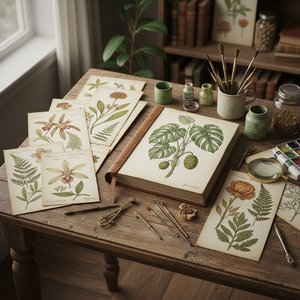
Before the advent of the camera to freeze a moment in time, the artist served as the essential bridge between reality and record. The rise of botanical illustration was an era defined by the precision of perception. An illustrator was much more than a decorator; they were visual translators, tasked with the monumental responsibility of documenting the form, color, and delicate textures of plant species with unprecedented accuracy. This demand for fidelity gave birth to a specialized discipline where art met epistemology, and where the act of painting was an act of profound observation.
The technical mastery required for such work was immense. Artists utilized various media, from the fine lines of copper engravings to the lush, hand-colored prints found in legendary publications like Curtis's Botanical Magazine. These works were designed to be scientifically descriptive, often appearing alongside formal botanical descriptions to aid in identification. The goal was a level of realism that could withstand scientific scrutiny while still captivating the eye of the connoisseur. This era of illustration demanded a disciplined hand—a ability to render the subtle translucency of a petal or the rugged texture of bark so faithfully that the viewer could almost sense the life within the paper. It was a period where the meticulousness of the artist became the very foundation of botanical science.
Beyond the Specimen: The Untamed Beauty of Marianne North’s World
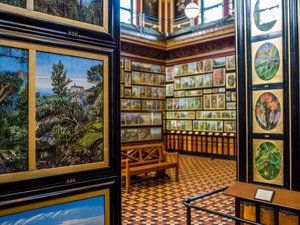 Marianne North Gallery
A Victorian World Captured in Bloom: The Marianne North Gallery Stepping into the Marianne North Gallery at Kew Gardens is akin to entering a forgotten world—a vibrant, immersive cabinet of curiosities brought to life through the meticulous brushstro...
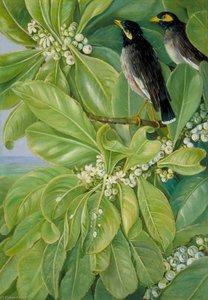
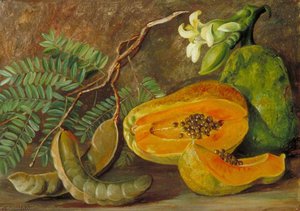
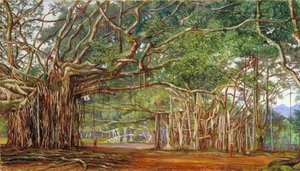
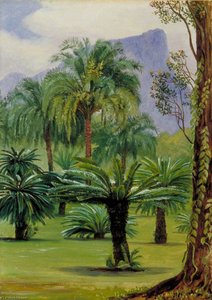
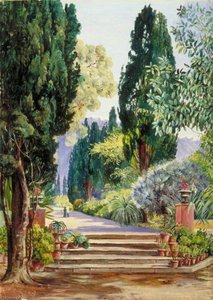
While much of Victorian botanical art focused on the isolated specimen—a singular flower presented against a sterile background for study—there arose a magnificent rebellion in the form of Marianne North. To enter the gallery dedicated to her work at Kew Gardens is to leave the formal classroom and step into a vibrant, immersive cabinet of curiosities. Unlike her contemporaries who sought to isolate flora for scientific scrutiny, North’s paintings explode with the energy of plants flourishing within their natural, untamed habitats.
North’s life was a testament to a spirit that refused to be confined by the societal expectations placed upon women of her era. Armed with her paints and an unwavering determination, she embarked on solo expeditions to the lush rainforests of Borneo, the rugged landscapes of South Africa, and the delicate gardens of Japan. Her work captures more than just botanical accuracy; it captures a sense of place. She painted the light filtering through dense jungle canopies and the atmospheric moisture of tropical air. In her brushstrokes, we see the transition from mere documentation to true impressionistic storytelling, where the environment and the subject are one inseparable, breathing entity.
A Legacy in Bloom: From Medicinal Herbals to the Golden Age of Print
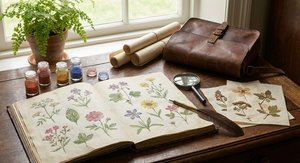 The Flourishing Canvas: A Historical Journey Through Botanical Illustration
From Herbals to Healing: The Earliest Roots of Botanical Depiction Wikipedia: Botanical illustration Botanical illustration is the art of depicting the form, color, and details of plant species. They are generally meant to be scientifically descripti...
The lineage of botanical art stretches far back beyond the Victorian era, rooted in the ancient human impulse to categorize and interpret the world. Long before the sophisticated scientific tools of the nineteenth century, humanity relied on medicinal herbals—illustrated compendiums that were as much about survival as they were about art. In the medieval period, monks in cloistered gardens cultivated plants for healing, documenting their properties in manuscripts like the Pseudo-Apuleius Herbarius. These early works, while often more symbolic than strictly realistic, laid the groundwork for a tradition of botanical depiction that valued the marriage of utility and beauty.
As printing technology advanced, particularly with the development of wood engraving and improved color application, this art form moved from the monastery to the masses. The nineteenth century saw a burgeoning middle class eager to cultivate refined tastes, leading to a golden age of botanical print. Publications became more accessible, allowing the beauty of exotic flora to grace the parlors of homes far removed from the tropical jungles where they originated. This democratization of art ensured that the fascination with the natural world was not confined to the aristocracy but became a shared cultural experience, weaving the intricate patterns of nature into the very fabric of society.
Nature's Intricate Canvas: Finding Modern Serenity in Victorian Detail
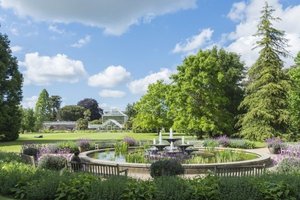 Cambridge University Botanic Garden
A Living Chronicle of Botanical Artistry Nestled within the historic heart of Cambridge, the Cambridge University Botanic Garden serves as much more than a mere horticultural display; it is a living, breathing masterpiece where scientific inquiry mee...
In our fast-paced, digital age, there is a profound, restorative power in returning to the meticulous detail of Victorian botanical art. There is a quietude found in studying the slow, deliberate growth of a plant captured on canvas—a stark contrast to the fleeting images of modern life. These works offer us a way to reconnect with the rhythms of the natural world, inviting us to slow our gaze and appreciate the complexity hidden within the smallest bloom.
Whether through the scientific precision of a classical illustration or the lush, atmospheric landscapes of Marianne North, this art form continues to resonate with those who seek beauty in authenticity. It serves as a reminder that true elegance lies in the details and that there is an enduring majesty in the natural world that transcends time. To surround oneself with these botanical treasures is to invite a sense of peace and intellectual wonder into one's home, preserving a legacy of discovery and grace for generations to come.
At ArtsDot.com, we share this lifelong passion for the transformative power of art. While our hearts beat most vibrantly for the light-drenched world of Monet and Renoir, we hold a profound reverence for the masters of detail who shaped our understanding of the natural world. We invite you to explore our curated collections of hand-painted oil reproductions, where every brushstroke is a tribute to the enduring beauty of art history.