The Visionary Genesis: Defining Your Aesthetic and Artistic Direction
 Masterpiece Co-Creation: The Connoisseur's Guide to Commissioning Bespoke Oil Paintings with Professional Artists
The Visionary Genesis: Defining Your Aesthetic and Artistic Direction From Concept to Canvas: The Definitive Guide to Commissioning Bespoke Hand-Painted Oil Masterpieces The Visionary Phase: Defining Your Aesthetic and Selecting Artistic Styles How t...
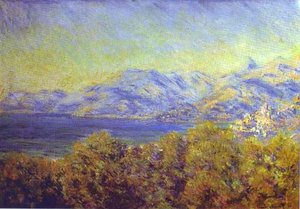
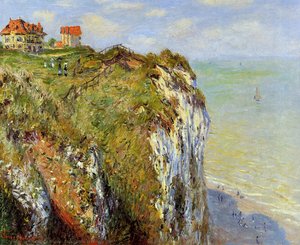
The genesis of a true masterpiece does not begin with the application of pigment to fabric, but rather within the quiet, deliberate corridors of the imagination. For the discerning collector, the journey toward a custom commission is an exercise in profound introspection. It begins with a vision—a choice to move beyond the ephemeral glow of digital pixels toward something tangible, eternal, and deeply personal. One must first consider the emotional temperature they wish to impart upon their space. Does the soul seek the tranquil, light-drenched atmosphere of Impressionism, or perhaps the commanding, dramatic shadows of a Baroque period shift? Defining your aesthetic is not merely about selecting a subject; it is about deciding how you wish to inhabit a moment through the language of color and form.
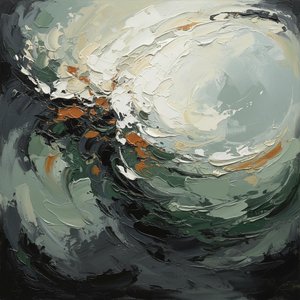
As you embark on this creative voyage, the possibilities are boundless. The ability to curate one's own history allows for unparalleled customization; imagine requesting a contemporary landscape be reimagined with the thick, tactile textures of an abstract expressionist, or a modern architectural photograph transformed into a 17th-century masterpiece through a period shift in the style of Rembrandt. This initial phase requires a thoughtful consideration of themes and artistic remixes, where the seeds of a legacy are sown, transforming a simple idea into a sophisticated architectural statement that dictates the emotional temperature of a room.
The Alchemy of the Medium: Understanding Oil, Impasto, and Canvas Quality
 Impasto
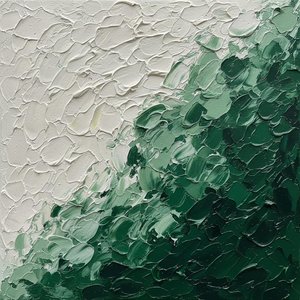
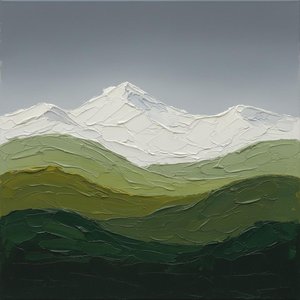
Impasto is a technique used in painting where paint is laid on an area of the surface thickly, usually thick enough that the brush or painting-knife strokes are visible. Paint can also be mixed right on the canvas. When dry, impasto provides texture;...
To appreciate the profound depth of a bespoke commission, one must understand the technical alchemy that allows oil paint to transcend mere decoration. Unlike the flat uniformity of digital prints, oil painting involves a sophisticated procedure of suspending pigments in a drying oil, such as linseed or safflower. This medium offers unparalleled flexibility, allowing for richer and denser colors and a wider range from light to dark. The true magic, however, often lies in the technique of
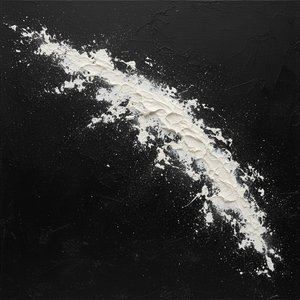
impasto. Derived from the Italian word for dough or mixture, impasto is the practice of laying paint thickly upon the surface, often so substantial that the brush or painting-knife strokes remain visible. When dry, this texture provides a three-dimensional quality where light reflects off the ridges of the paint, creating a dynamic interplay of shadow and brilliance.
The foundation of this artistry rests upon the quality of the materials used. A true masterpiece demands 100% cotton canvas, prepared with flexible gesso to prevent the dreaded cracking that plagues lesser works. The use of specific oils is equally critical; for instance, artists may utilize safflower oil for whites to prevent the yellowing that can mar a painting over decades. Every layer, from the initial charcoal sketch to the final protective coat of
Damar varnish, is applied with the intent of longevity. This meticulous attention to the chemistry of art ensures that the work remains protected from dust, moisture, and atmospheric pollutants, preserving its luminous colors for generations to come.
The Art of the Remix: Transforming Modern Memories into Historical Masterpieces
 How to Commission a Custom Oil Painting: A Professional Guide from Concept to Canvas
Defining Your Vision: Selecting Styles, Themes, and Artistic 'Remixes' Turn Any Vision into a Masterpiece: The Art of Custom Hand-Painted Commissions The Alchemy of Memory: Moving Beyond Digital Pixels to Timeless Oil Masterpieces Turn Your Photos in...
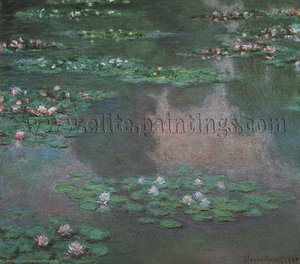
In an era dominated by the fleeting nature of digital imagery, there exists a profound desire for temporal alchemy—the ability to turn a modern moment into a timeless heirloom. This is where the concept of the "artistic remix" becomes most potent. We are no longer bound by the constraints of what was captured by a camera lens; instead, we can reimagine our most cherished memories through the lens of art history. One might take a contemporary family portrait and request it be executed with the soft, ethereal light characteristic of Monet, or perhaps transform a personal milestone into a grand, authoritative piece reminiscent of the Old Masters.
This transformative process extends to the very subjects we choose to immortalize. The boundaries of tradition can be playfully pushed, much like the way street art masters have blended classical landscapes with modern iconography. Whether it is the restoration of a faded family photograph or the creation of a pet portrait where a beloved companion is depicted as a historical figure, the goal is to move beyond digital pixels toward something tactile and eternal. By selecting specific themes—be it maritime vistas that evoke coastal serenity or classical portraits that command authority—the collector is not merely decorating a wall but is actively curating a personal history that bridges the gap between the present and the past.
From Concept to Canvas: Navigating the Professional Commissioning Journey
Oil painting reproductionOil painting reproductions are paintings that have been created by copying in oils an original oil painting by an artist. Oil painting reproductions are distinct from original oil painting such as are often of interest to collectors and museums. Oil ...
The path from a nascent idea to a finished, framed masterpiece is a structured journey of collaboration and precision. It begins with the professional coordination of your vision, where every detail is meticulously managed to ensure the final result meets museum-grade standards. The process is designed to eliminate uncertainty through a seriesed of carefully orchestrated steps. Following the initial order, a digital mockup service provides an essential bridge between concept and reality. This is particularly vital for complex commissions, such as group portraits that require combining individuals from different photographs or custom color matching to suit a specific interior design palette.
Once the vision is solidified, the artist begins the labor of passion, working for several weeks to build the necessary layers of pigment. Throughout this period, the collector remains intimately involved through an advanced order management system, receiving updates and having the opportunity to review pre-shipment photographs. This stage allows for final refinements, ensuring that the brushwork and composition are exactly as envisioned before the painting moves to the framing studio. The journey concludes with professional packaging—using reinforced, double-walled boxes or industrial tubes—and global logistics via trusted partners like DHL Express or FedEx, ensuring that the artwork arrives in pristine condition, ready to anchor your space.
Preserving a Legacy: Technical Excellence in Artistry and Long-term Conservation
A commissioned painting is more than an acquisition; it is a long-term investment in culture and personal heritage. Therefore, the technical excellence of the artist must be matched by a commitment to conservation science. The artists involved in these bespoke works are often specialists, holding degrees from prestigious Fine Arts academies and mastering specific genres such as portraiture or landscape. Their work is characterized by academic rigor, ensuring that every stroke contributes to the structural integrity and aesthetic depth of the piece.
To protect this investment, understanding the principles of preservation is paramount. For those displaying prints or Giclée works, utilizing acid-free matting and creating an air gap between the art and the glass can prevent moisture damage. For oil paintings, the presence of a high-quality varnish serves as a shield against the environment. Collectors should also be mindful of placement, avoiding direct sunlight to maintain the vibrancy of the pigments. When these professional standards of creation and care are met, the artwork ceases to be a mere object and becomes a living part of the home's architecture—a durable, breathing testament to the beauty of human craftsmanship that will endure for centuries.
About ArtsDot.com
ArtsDot.com is the global flagship marketplace for premium art services, specializing in hand-painted oil reproductions, original works, and bespoke commissions. From transforming personal photos into historical masterpieces to providing expert art consultations and large-scale architectural murals, we serve discerning collectors and interior designers worldwide with a 100% satisfaction guarantee.