The Visible World: Impressionism and the Ephemeral Capture of Light
 19th Century Masterpieces: 10 Paintings That Defined an Era | ArtsDot
Introduction The 19th century—a period defined by sweeping transformations, from the Industrial Revolution’s relentless march to the burgeoning seeds of modern thought and artistic expression. It was an era of unprecedented change, a collision of tra...
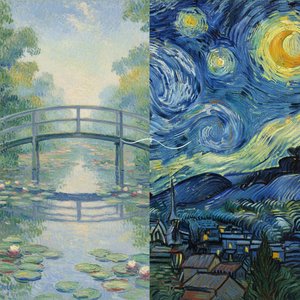
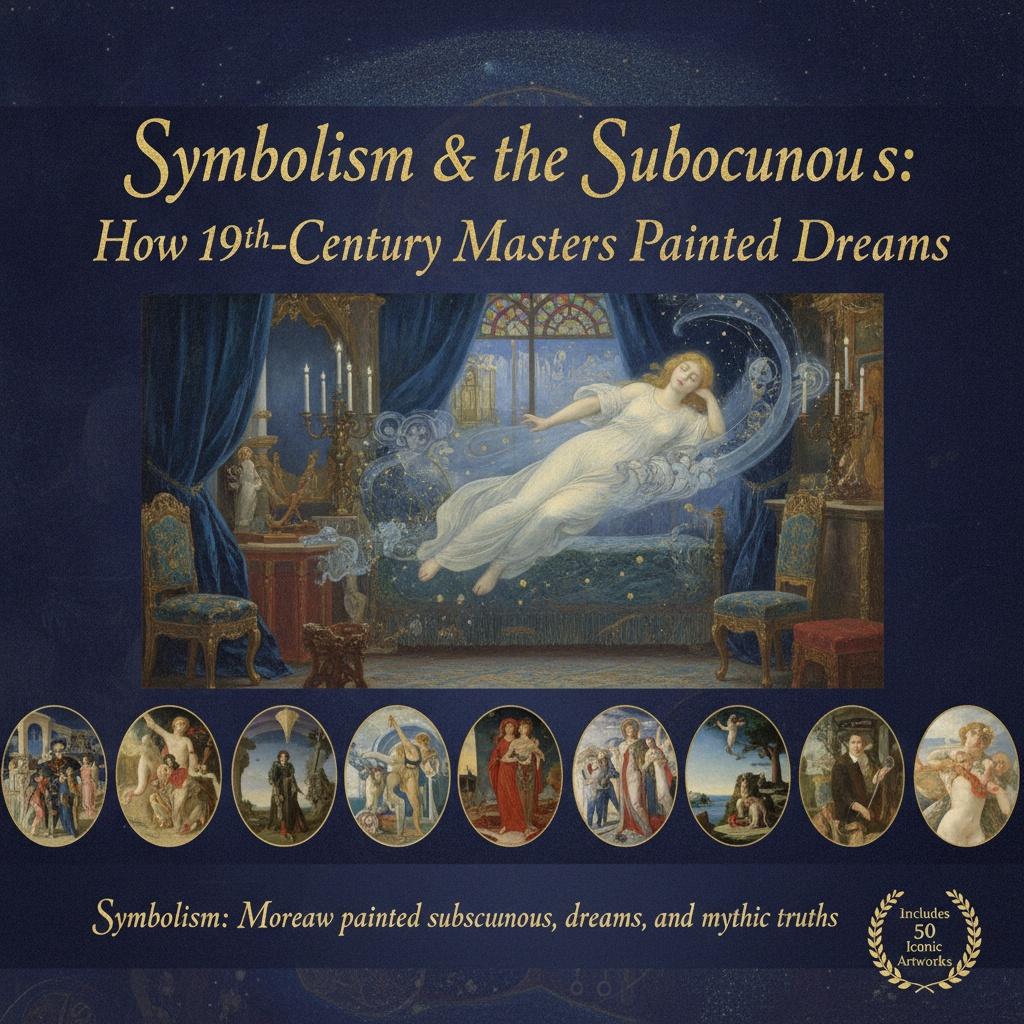
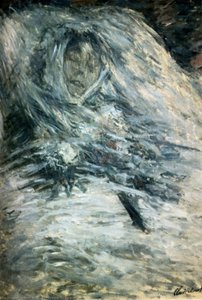
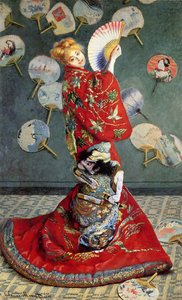
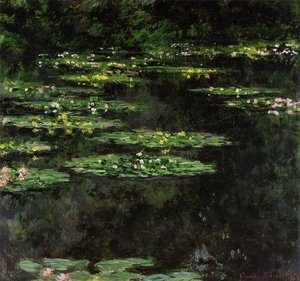
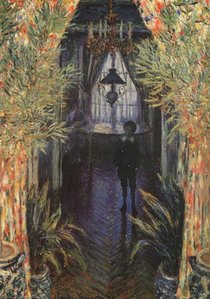
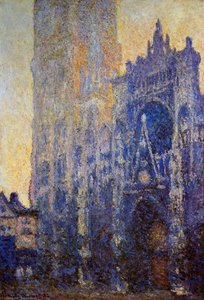
To understand the profound revolution that reshaped the late nineteenth century, one must first stand amidst the shimmering, sun-drenched landscapes of the Impressionists. This movement, born from a desire to capture the fleeting essence of a single moment, sought to document the world as it is perceived by the eye in real-time. The Impressionist masters—names like Monet and Renoir—were not merely painters; they were poets of light. Their canvases became laboratories of optical science, where the objective reality of a haystack, a lily pond, or a bustling Parisian boulevard was dissolved into a mosaic of broken brushstrokes and vibrant, unblended pigments.
The beauty of Impressionism lies in its devotion to the ephemeral. It celebrates the way sunlight dances upon moving water and how shadows are never truly black, but rather composed of deep blues and violets. This was a quasi-scientific endeavor, an attempt to replicate the retinal experience of light hitting the eye. By prioritizing the atmosphere over the anatomical or architectural detail, Impressionism offered a window into the tangible, breathing world—a world that felt immediate, bright, and undeniably present. Yet, while this movement achieved a breathtaking level of sensory honesty, it remained anchored to the visible surface of things, leaving the deeper, more shadowed corridors of the human soul largely untouched.
The Inner Realm: Symbolism and the Architecture of the Subconscious
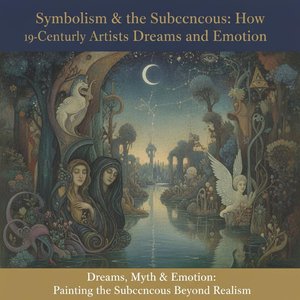 Symbolism & the Subconscious: How 19th-Century Artists Painted Dreams and Emotion
The Great Rebellion: Moving Beyond Realism into the Inner World The Evocative Realm of Symbolism: Exploring Meaning & Mysticism in Late 19th-Century Art The Rise of Symbolism: A Reaction Against Realism Wikipedia: Symbolism (movement) Symbolism was a...
As the Industrial Revolution accelerated and scientific rationalism began to dominate the Western consciousness, a different kind of hunger emerged—a longing for the intangible. Where Impressionism looked outward at the sunlit garden, Symbolism turned its gaze inward toward the labyrinthine depths of the psyche. This movement, rooted in the literary provocations of Charles Baudelaire and later articulated by poets like Stéphane Mallarmé, sought to represent absolute truths through metaphor rather than direct depiction. For the Symbolist, the external world was merely a veil, a thin layer of reality that obscured the profound mysteries of existence.
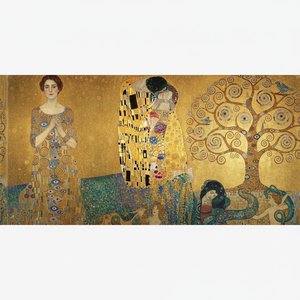
The Symbolist painters—visionaries such as Gustave Moreau and Alphonse Osbert—constructed worlds where the boundaries between dream and reality dissolved entirely. Their canvases were not mere observations but architectural blueprints of the subconscious. In the hallowed halls of the Musée national Gustave Moreau, one finds a realm where mythology, biblical allegory, and personal myth collide. These artists did not seek to paint a tree as it appeared in the noon sun, but rather to use the image of a tree to evoke feelings of ancient wisdom, decay, or spiritual rebirth. It was an art of suggestion, where the power of the work resided in what was left unsaid, inviting the viewer to embark on a psychological pilgrimage through layers of mythic grandeur and intricate, jewel-like detail.
A Study in Contrast: Objective Observation vs. Subjective Truth
The tension between these two movements defines one of the most captivating eras in art history. At its core, the conflict is a debate between objective observation and subjective truth. The Impressionist artist acts as a witness, a highly skilled observer recording the optical phenomena of the natural world with remarkable fidelity to light and color. Theirs is a celebration of the seen. Conversely, the Symbolist artist acts as a medium, translating the whispers of the soul into visual language. Theirs is an exploration of the felt.
This divergence created two distinct ways of experiencing art. An Impressionist landscape invites the viewer to breathe in the fresh air of a summer morning, grounding them in the physical beauty of the earth. A Symbolist tableau, however, may leave the viewer feeling unsettled or enchanted, as if they have stumbled upon a fragment of a forgotten dream. While the Impressionists were perfecting the technique of capturing the shimmer of a pond, the Symbolists were busy exploring the darker, more enigmatic textures of human emotion—fear, ecstasy, and longing. One movement mastered the art of the external glance; the other mastered the art of the internal gaze.
Myth, Metaphor, and Mystery: The Language of Symbolist Imagery
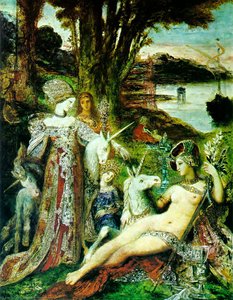 the unicorns
A Vision of Mythic Ecstasy: Exploring Gustave Moreau’s “The Unicorns” Gustave Moreau's "The Unicorns," a captivating tableau brimming with enigmatic figures and fantastical creatures, stands as a quintessential example of the Symbolist movement’s fas...
To navigate a Symbolist masterpiece is to learn a new, silent language. In this aesthetic, nothing is merely what it appears to be. A unicorn is not simply a mythical beast; in the hands of Moreau, it becomes an emblem of purity, of the unattainable, or of the wild, untamed spirit of nature. Figures are often bathed in a supernatural, luminous light that suggests a presence beyond the physical realm. The use of color in Symbolism is rarely descriptive; instead, it is evocative and emotive, designed to trigger a visceral response within the viewer.
This reliance on metaphor allowed artists to touch upon universal themes—life, death, Eros, and Thanatos—without the constraints of literalism. Through the use of classical mythology and biblical narratives, Symbolists could clothe profound mysteries in recognizable forms, yet imbue them with a deeply personal, often decadent, significance. The imagery is frequently heavy with atmosphere, utilizing dense layering of color and meticulous detail to create a sense of weight and permanence that contrasts sharply with the airy lightness of Impressionism. It is an art form that demands active participation; the viewer must decode the symbols, piecing together the fragmented meanings like a mosaic of the soul.
The Legacy of Visionaries: From Monet’s Sunlight to Moreau’s Dreams
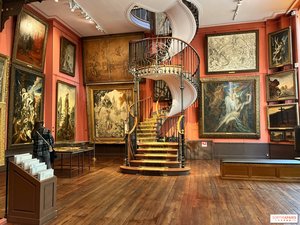 Musée national Gustave Moreau
A Sanctuary of Symbolism: The Visionary World of Gustave Moreau To step across the threshold of the Musée national Gustave Moreau is to leave the bustling streets of Paris behind and enter a realm where the boundaries between reality and dream dissol...
The legacies of these two movements continue to resonate within the modern aesthetic. The Impressionist tradition paved the way for the liberation of color and form that would eventually lead to much of modern abstraction. Their influence is felt in every artwork that prioritizes the sensory experience of light and atmosphere. Meanwhile, the Symbolist legacy lives on in the Surrealist movement and contemporary explorations of identity and the subconscious. The ability to use art as a vehicle for psychological exploration remains one of the most potent tools in the artist's repertoire.
Today, collectors and enthusiasts find themselves drawn to both ends of this spectrum. There is a profound joy in the light-drenched serenity of an Impressionist reproduction, providing a sense of peace and connection to the natural world. Yet, there is an equal, irresistible allure in the enigmatic depth of a Symbolist piece, which challenges us to confront our own inner landscapes. Together, these movements represent the dual nature of the human experience: our existence as physical beings moving through a sunlit world, and our existence as spiritual beings navigating a vast, unseen universe of thought and emotion.
Bridging Eras: How Modern Collectors Reinterpret Historical Movements
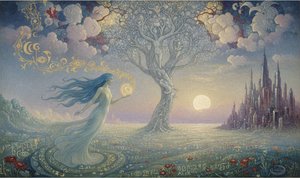 Beyond Reality: The Dreamlike Magic and Ethereal Visions of Symbolist Painting
The Rejection of Realism: A Soulful Departure from the Visible World Beyond Reality: The Dark, Dreamy Vibe of the Symbolist Movement The Glitch in Reality: Escaping the Mundane Through Symbolism Forget everything you know about art being a mere mirro...
In the contemporary era, the distinction between these movements has become even more fluid. Through the advancements in fine art reproduction, we are now able to bring these historical dialogues into our modern living spaces, reimagining how they interact with 21st-century interiors. At ArtsDot.com, we celebrate this intersection of history and modernity. Whether it is a hand-painted oil reproduction that captures the vibrant impasto of an Impressionist master or a custom commission that breathes new life into a Symbolist myth, our mission is to preserve the soul of these movements for a global audience.
For the discerning collector, art is more than decoration; it is an emotional anchor. We offer the unique ability to "remix" history—allowing you to transform personal milestones through our Custom Paintings from Photos service or even reimagining modern imagery in the style of a historical master. From large-scale architectural murals for luxury hotels to bespoke, multi-panel sets for grand staircases, ArtsDot provides the craftsmanship and expertise required to curate a collection that speaks to both the visible beauty of our world and the profound mysteries of our inner selves. We invite you to explore our vast library of over 465,000 paintings and discover the masterpiece that resonates with your own unique vision.