The Radiance of Impressionism: An Introduction to Renoir’s Vision
To step into the world of Pierre-Auguste Renoir is to surrender oneself to a sensory feast of warmth, light, and an unshakeable optimism. While many of his contemporaries in the late 19th century sought to capture the fleeting, often melancholic shifts of atmosphere, Renoir dedicated his brush to the celebration of life’s inherent beauty. His vision was never one of stark realism or heavy shadows; rather, it was a pursuit of the luminous, an attempt to translate the ephemeral glow of a sun-drenched afternoon onto the canvas with a tenderness that feels almost tactile.
As a central figure of the Impressionist movement, Renoir moved beyond the mere depiction of subjects to capture their essence through color and light. His work serves as a window into a period of profound transformation in Paris, where the boundaries between the natural world and urban leisure began to blur. For the discerning enthusiast, his oeuvre represents more than just historical documentation; it is an emotional landscape that invites the viewer to find joy in the simplest of moments, from the dappled sunlight on a meadow to the soft curve of a loved one's cheek.
A Symphony of Light: Exploring Renoir's Mastery of Color and Luminosity
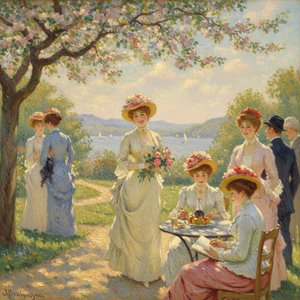
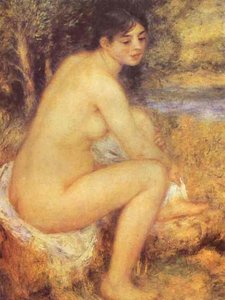
The true genius of Renoir lies in his revolutionary approach to light. He did not merely observe light; he choreographed it. In masterpieces such as On the Meadow, one can witness his ability to manipulate color to simulate the way sunlight filters through a canopy of leaves, creating a rhythmic pattern of warmth and shadow across the landscape. This technique, often characterized by soft, broken brushstrokes, allows colors to vibrate against one another, producing a sense of movement and vitality that static forms simply cannot achieve.
Renoir’s palette was famously devoid of harsh blacks or muddy tones. Instead, he utilized a spectrum of vibrant, saturated hues—azure blues, soft pinks, and radiant yellows—to build depth and dimension. By eschewing traditional chiaroscuro in favor of color temperature shifts, he achieved a luminosity that seems to emanate from within the canvas itself. This mastery of light creates an atmosphere where the air feels palpable, thick with the scent of summer and the warmth of the sun, making each painting a living, breathing entity.
The Art of Human Connection: Portraits, Domestic Bliss, and Intimacy
Beyond the landscapes, Renoir’s heart resided in the human form. He possessed an unparalleled ability to capture the intimacy of private moments, elevating domestic scenes to the level of high art. In works like Aline and Pierre, we encounter a profound sense of tenderness. The painting utilizes soft pastel hues and a masterful application of technique to portray the quiet, sacred bond between mother and child, embodying what many scholars call the quintessential Impressionist portrayal of domestic bliss.
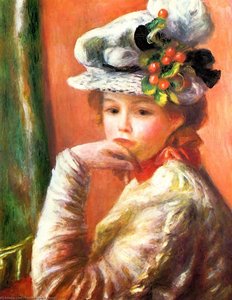
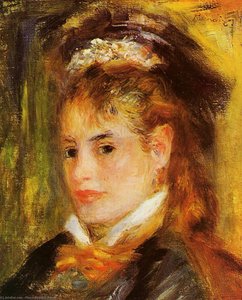
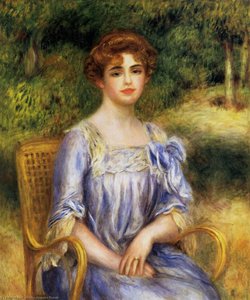
His portraits are rarely mere likenesses; they are studies in character and emotion. Whether depicting the elegant grace of a Parisian socialite or the rugged charm of a common laborer, Renoir infused his subjects with a sense of dignity and vitality. There is a certain softness to his rendering of skin—a pearlescent quality that suggests health, warmth, and life. Through these intimate depictions, Renoir reminds us that the most profound beauty is often found in the quietest connections between individuals.
Capturing the Parisian Spirit: Social Life and Movement in Renoir's Landscapes
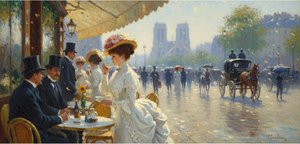
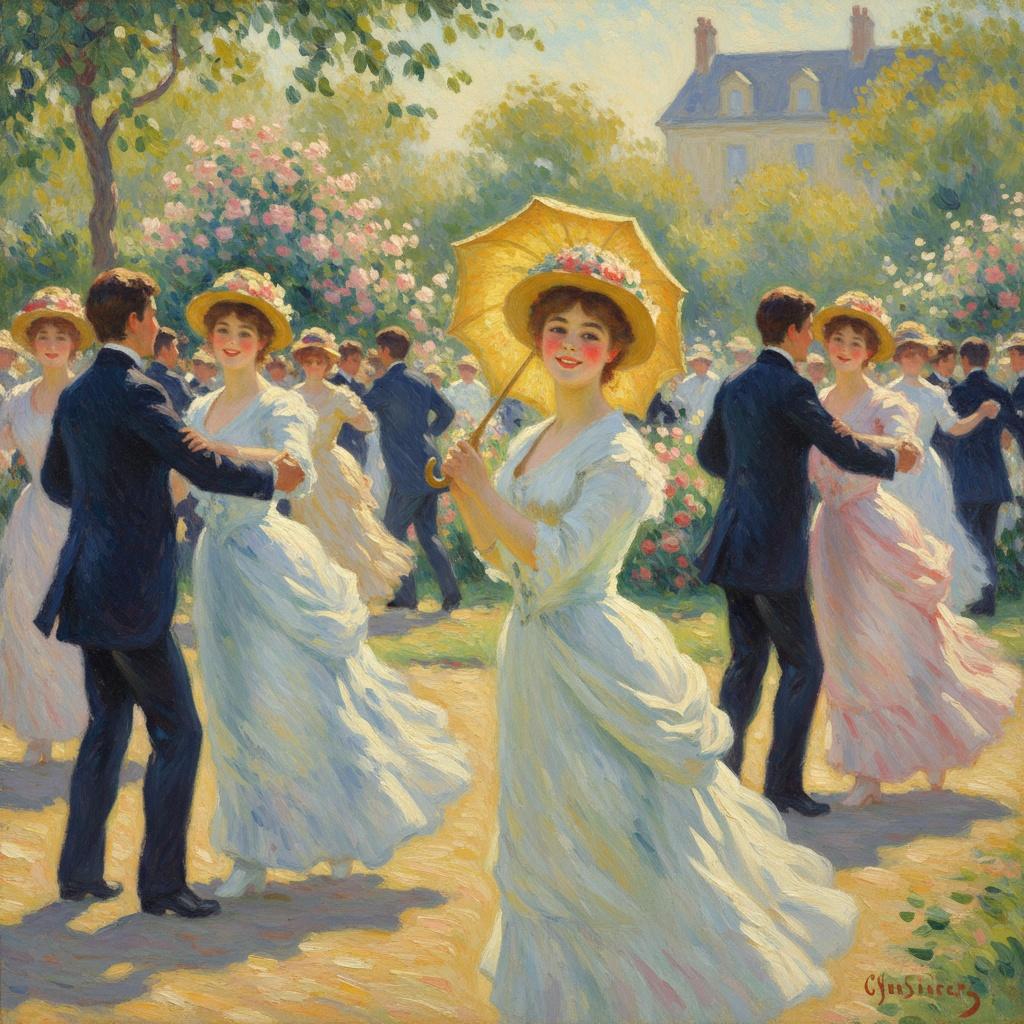
Renoir was also a chronicler of the vibrant social fabric of Paris. He captured the energy of the burgeoning middle class as they sought leisure in the cafes, dance halls, and gardens of the city. In City Dance (Suzanne Valadon and Eugène Pierre Lestringuez), we see the pulse of urban life—the movement of bodies, the interaction of light with fabric, and the shared joy of a communal moment. These works are studies in motion, where the boundaries between figures and their environment are softened by the flickering light of the city.
These scenes are not merely snapshots; they are carefully composed narratives of modern existence. He captures the joie de vivre that defined an era, portraying a world that is constantly in flux yet anchored by the shared human experience of pleasure and companionship. The movement in his brushwork mirrors the movement of the crowds, creating a sense of kinetic energy that draws the viewer into the heart of the Parisian dance.
The Legacy of Joy: How Renoir’s Aesthetic Continues to Inspire Modern Interiors
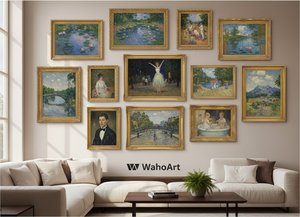
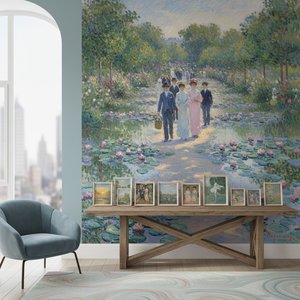
The enduring appeal of Renoir lies in his ability to evoke a universal emotional response. In an age often characterized by complexity and tension, the aesthetic of Renoir offers a sanctuary of peace and light. His influence persists in modern interior design, where collectors seek to introduce elements of warmth and classical elegance into contemporary spaces. The soft textures and radiant color palettes found in his work provide a perfect counterpoint to the minimalist or industrial lines often seen in modern architecture.
Integrating Renoir-inspired elements—whether through a large-scale reproduction or a carefully curated print—allows for the creation of an atmosphere that is both sophisticated and inviting. His work encourages a slower pace of life, urging us to appreciate the beauty in the ephemeral. To hang a Renoir is to invite a permanent sense of springtime into one's home, ensuring that the light of his vision continues to illuminate our personal spaces.
Bringing the Masterpiece Home: Curating Renoir for the Discerning Collector
For the serious collector, acquiring art that captures the spirit of Renoir requires an appreciation for both historical significance and technical excellence. Whether one is drawn to the tactile depth of a Handmade Oil Reproduction or the precise detail of a museum-grade Giclée print, the goal remains the same: to preserve the soul of the original work. A true reproduction should feature visible, tactile brushstrokes and a three-dimensional texture that honors the artist's original impasto technique.
At ArtsDot.com, we specialize in bridging the gap between the museum and the home. Our artists, many of whom hold degrees from prestigious Fine Arts academies, meticulously recreate these masterpieces using premium pigments and heavy-duty cotton canvas. We understand that art is a lifelong investment, which is why we offer everything from custom commissions—where you can even "remix" history by applying Renoir's style to your own photographs—to professional consultations to ensure every piece perfectly complements your architectural space. Through our commitment to quality and transparency, we ensure that the light and joy of Renoir remain accessible to enthusiasts across the globe.